Executive Summary
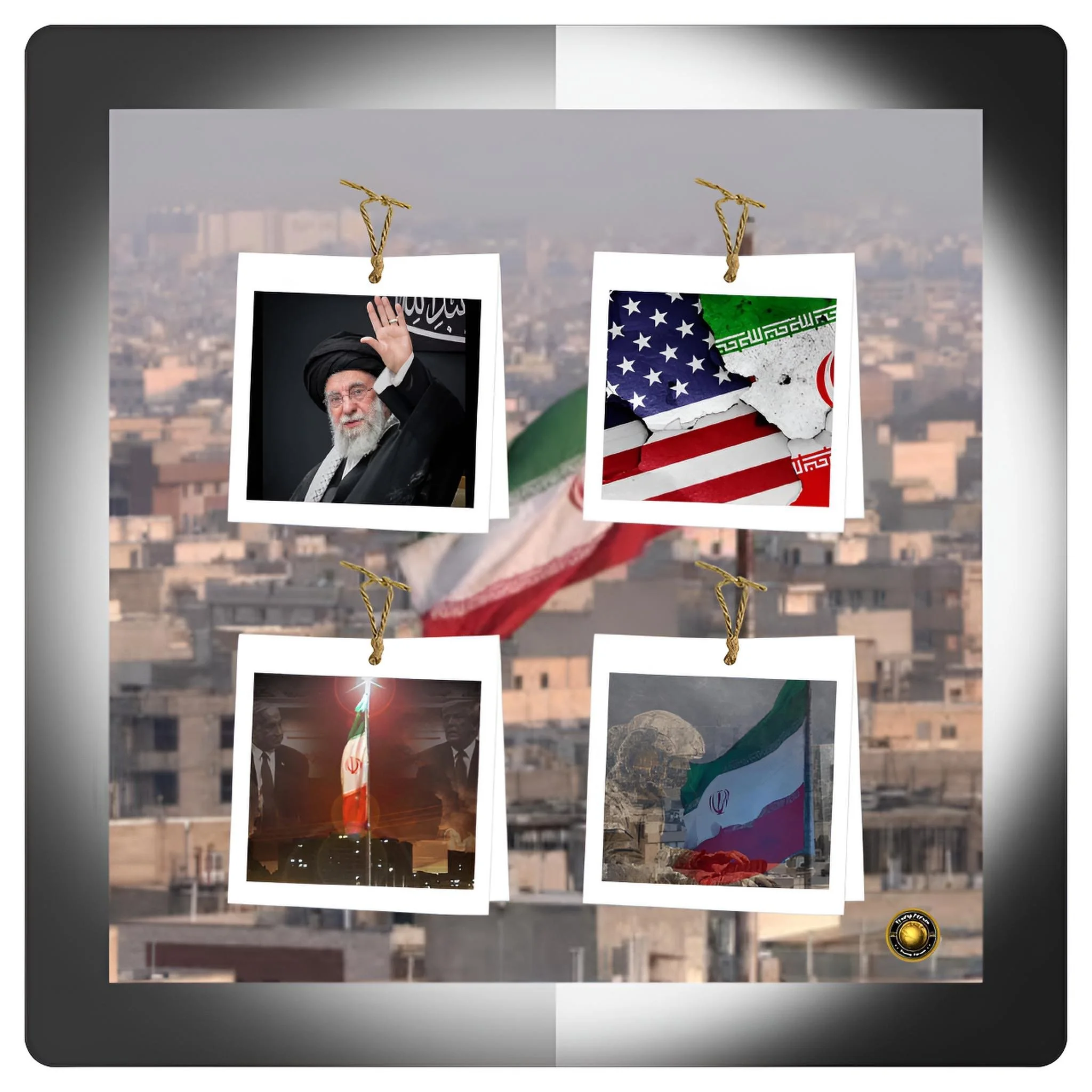
If the U.S. attacks Iran but does not invade, the result may be very unclear. The goal would likely be to remove top leaders and damage military power. But after that, no one would stay to rebuild the country.
Iran could become more military-controlled, split into factions, change governments, or fall into chaos. Each outcome would affect oil prices, regional security, and daily life for millions.
Introduction
A War Without Soldiers on the Ground
If war begins, it will likely involve airstrikes, missiles, drones, and cyberattacks. The U.S. would try to hit leaders and key military sites. It would not send large ground forces like in Iraq in 2003.
Iran knows this. It has prepared by hiding missiles and protecting leaders. But preparation does not mean safety.
Iran Today
Iran is ruled by religious leaders and powerful military commanders. The Revolutionary Guard is very strong. Many young people are unhappy with the government. There have been protests in recent years.
Iran also has powerful weapons, including long-range missiles and advanced drones. It supports armed groups in Lebanon, Iraq, and Syria.
Four Possible Outcomes
First, the military takes control. If top religious leaders are killed, senior commanders could run the country. Life might become stricter.
The government would survive, but it would look more like a military state.
Second, the country splits internally. Different factions might fight for power. Protests could grow. Ethnic minorities might demand more autonomy. Oil exports could stop.
This could raise global oil prices sharply.
Third, a new government forms. If people protest in large numbers and the military does not stop them, a temporary council could form.
This would require unity among opposition groups. That is difficult because they disagree on Iran’s future.
Fourth, long-term chaos. Militias might form. The economy could collapse. Refugees might leave the country. Neighboring states could become involved indirectly.
Why It Matters?
Iran produces major oil supplies. If exports stop, fuel prices worldwide could rise.
The Strait of Hormuz is one of the most important shipping routes on earth.
Even short disruption could affect global markets.
Regional countries would react fast.
Israel would strengthen defenses.
Gulf states would increase security.
The risk of wider war would grow.
Examples
If oil prices jump from $80 to $130 per barrel, transport and food prices around the world could rise. If protests turn violent, daily life in Tehran could resemble other conflict zones, with shortages of electricity and medicine.
Conclusion
Removing leaders does not automatically create peace.
Without a clear plan for what comes next, even a short war can create long problems.
Iran’s future after war would depend not only on bombs but on politics, unity, and regional decisions.