Russia’s Forked Path: Nemtsov, Putin, and the Politics of Lost Possibility
Executive Summary
Was Vladimir Putin’s Tyranny Inevitable? Boris Nemtsov and the Road Not Taken
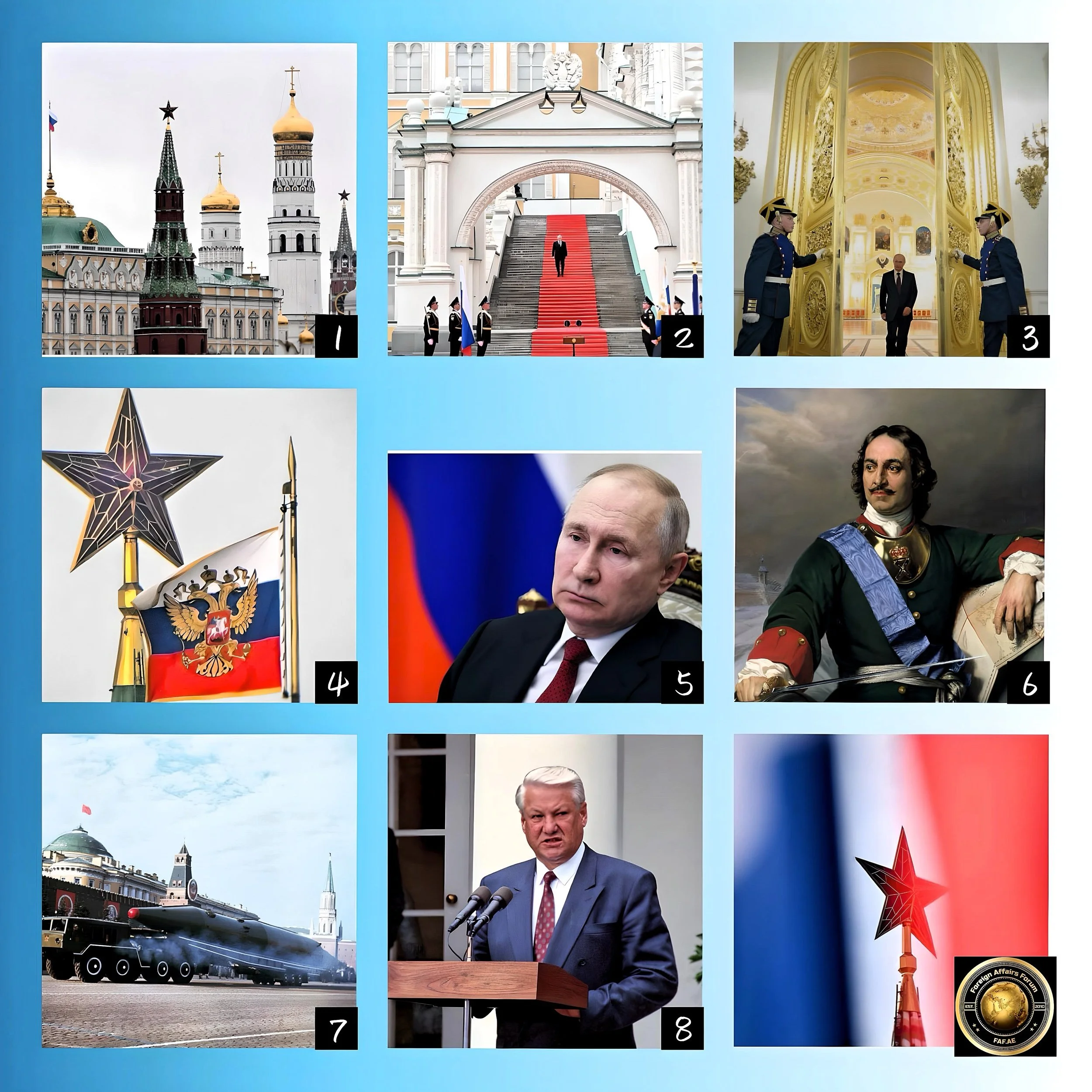
The rise of Vladimir Putin to unchecked dominance in Russia has often been portrayed as the predictable culmination of deep historical forces: imperial habit, Soviet authoritarian inheritance, economic collapse, and geopolitical humiliation.
Yet the life and death of Boris Nemtsov complicate any claim of inevitability. Nemtsov represented a plausible alternative trajectory for post-Soviet Russia—liberal, reformist, pro-European, and committed to constitutional governance.
His marginalization, and ultimately his assassination near the Kremlin in 2015, symbolize not destiny fulfilled but a political choice enforced through coercion.
FAF study evaluates structural constraints, elite decisions, institutional fragility, economic shocks, and the erosion of civil society to assess whether Russia’s authoritarian consolidation was unavoidable or contingent.
Introduction
The Successor Who Never Ruled
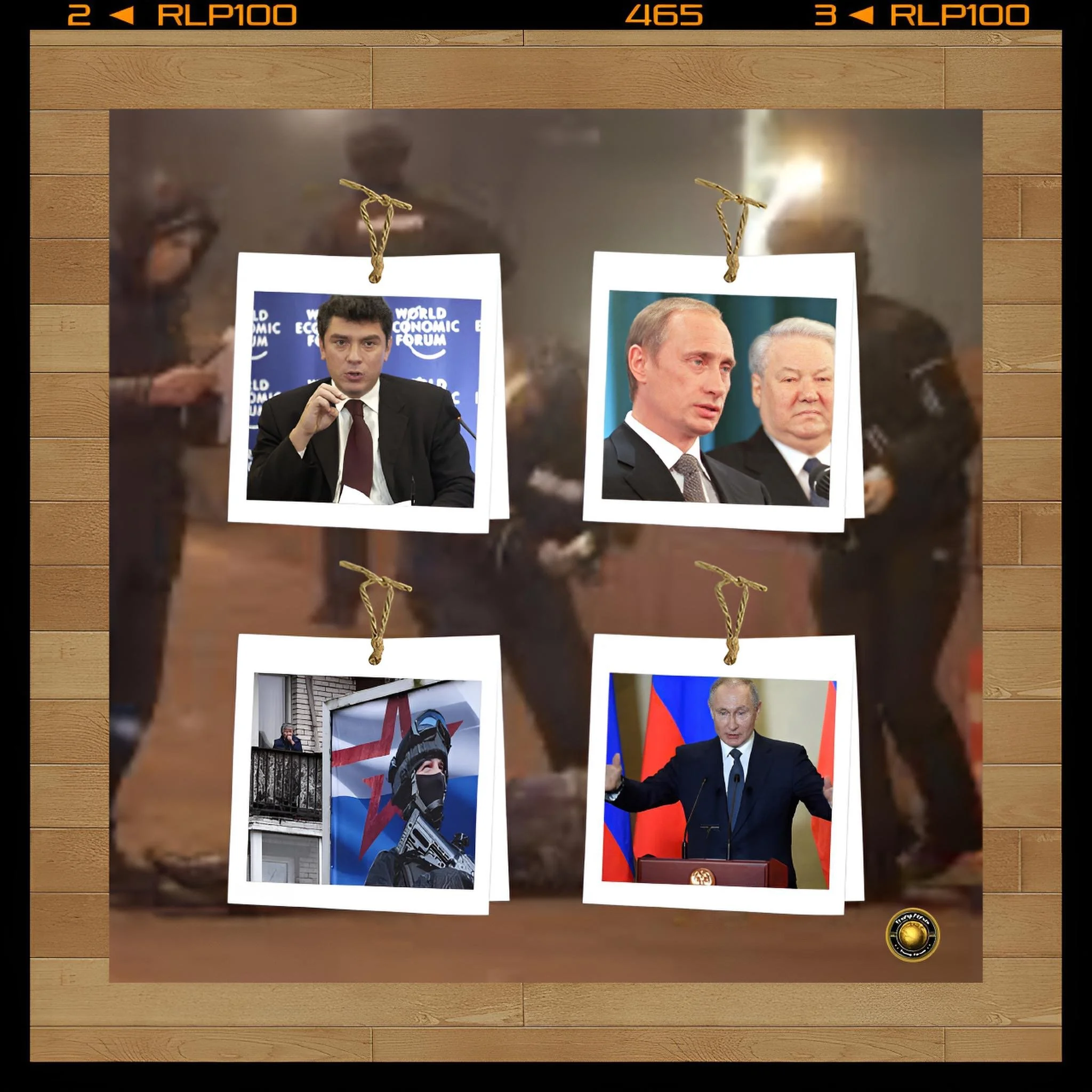
Formally, the successor to Boris Yeltsin was Putin. Informally, many reformers believed Nemtsov embodied the ideological continuation of the 1990s democratic experiment.
The contrast between the two men reveals the crossroads at which Russia stood in the late 1990s. Putin emerged from the security services, promising order after chaos.
Nemtsov emerged from regional reform politics, promising institutions over personalities.
The question of inevitability depends on whether structural collapse foreclosed liberalism or whether elite agency and political calculation redirected the state.
Historical Background
Post-Soviet Volatility and Liberal Experiment
The dissolution of the Soviet Union in 1991 unleashed political pluralism and economic shock. Privatization redistributed assets rapidly, producing oligarchic concentration and social inequality. Inflation reached triple digits.Living standards fell sharply in the early transition years.
Public trust in liberal reformers declined. Yeltsin’s presidency oscillated between constitutional ambition and executive overreach, culminating in the 1993 constitutional crisis.
These events weakened institutional norms and normalized personalized power.
Nemtsov rose as governor of Nizhny Novgorod, gaining recognition for market reforms and anti-corruption initiatives.
He entered federal politics as deputy prime minister, seen as a potential heir. Yet economic crisis in 1998 devastated reformist credibility. The default undermined liberal legitimacy and strengthened those arguing for centralized control.
The Emergence of Putin
Security State Restoration
Putin’s ascent coincided with the Second Chechen War and a renewed emphasis on territorial integrity. His message was stability.
The consolidation of media, the reassertion of federal authority over regions, and the curtailment of oligarch independence followed swiftly after 2000. The security services regained prominence. Political competition narrowed.
These moves were justified as necessary corrections to 1990s disorder. Yet each step reduced pluralism. Independent television networks were absorbed. Governors lost autonomy.
Electoral thresholds disadvantaged opposition parties. Over time, systemic opposition replaced genuine competition.
Nemtsov’s Opposition
Moral Challenge Without Machinery
After leaving government, Nemtsov became an outspoken critic of corruption and authoritarian drift. He documented elite enrichment and criticized foreign adventurism.
His reports alleged systemic graft within state corporations and inner circles.
However, opposition forces faced structural disadvantages: limited media access, restrictive protest laws, and legal harassment.
The assassination of Nemtsov in 2015 marked a psychological turning point.
Although perpetrators were prosecuted, questions lingered about political responsibility. The killing signaled the shrinking of permissible dissent. Fear replaced debate.
Key Developments in Authoritarian Consolidation
Several milestones accelerated consolidation. Constitutional amendments expanded presidential terms.
Political reforms restructured party registration. Civil society organizations receiving foreign funding were labeled foreign agents. Independent journalists faced intimidation. Military intervention in Ukraine deepened nationalist mobilization.
Economic factors reinforced centralization. High energy prices in the 2000s enabled fiscal stabilization and social spending. Growth reduced dissent.
When sanctions and oil price declines emerged later, the state relied more heavily on repression and patriotic rhetoric.
Latest Facts and Contemporary Concerns
Russia today exhibits concentrated executive authority, limited independent media, and constrained electoral competition.
Constitutional revisions reset presidential term limits. Political challengers face legal barriers. International isolation has intensified since the 2022 invasion of Ukraine.
Real-time comments from six world leaders reflect global concern.
Donald Trump recently remarked that Russia’s internal political structure “reflects its own history and security priorities,” while emphasizing that dialogue remains necessary.
Emmanuel Macron described Nemtsov’s legacy as “a reminder that Europe’s values extend beyond borders.”
Olaf Scholz has stated that political violence undermines stability and deepens mistrust.
Rishi Sunak called Nemtsov’s assassination “a tragic symbol of silenced opposition.”
Narendra Modi emphasized respect for sovereignty while encouraging peaceful dialogue.
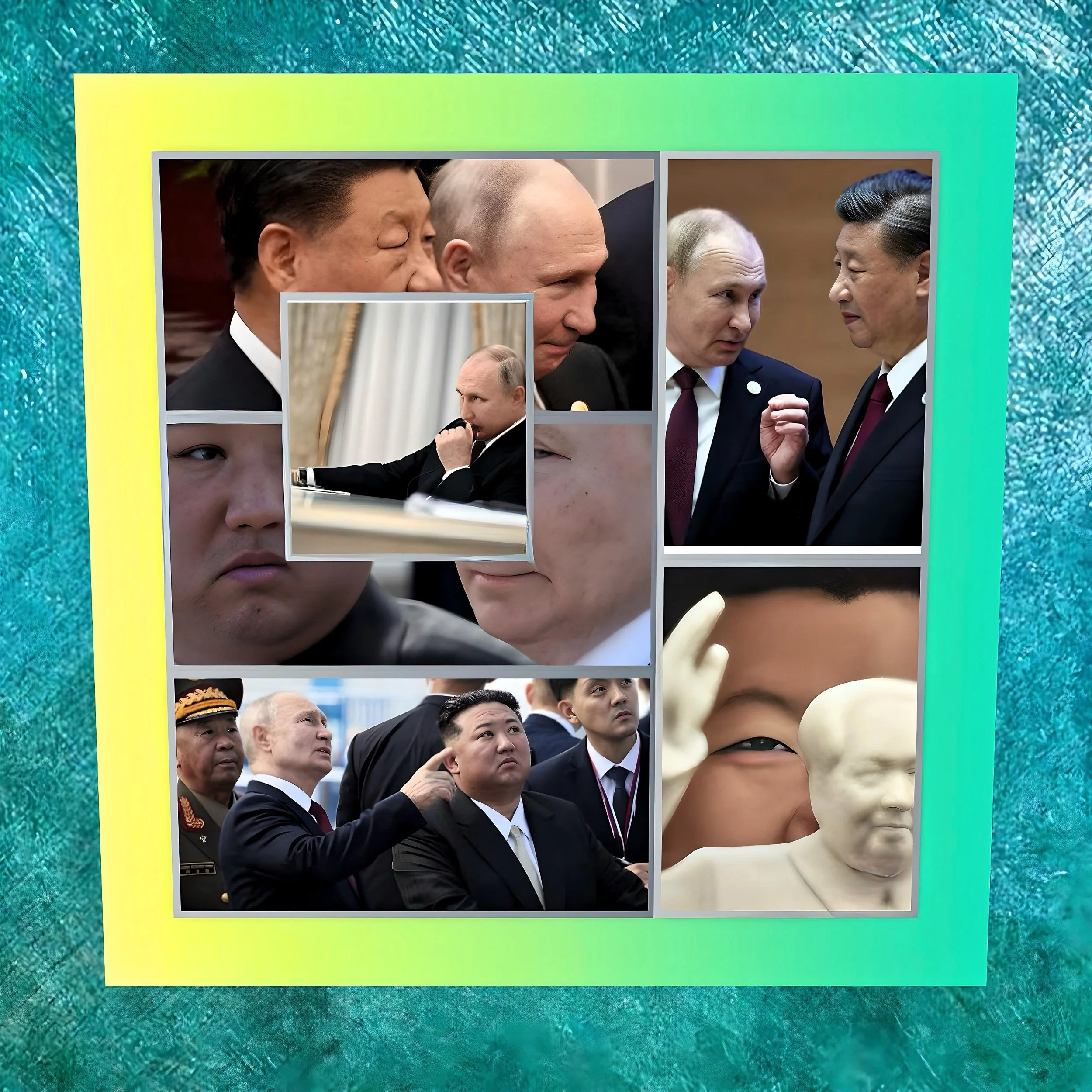
Xi Jinping has reiterated support for non-interference and strategic partnership with Moscow.
These comments illustrate divergent interpretations: human rights emphasis in Europe, strategic caution in Asia, transactional pragmatism in Washington.
Cause-and-Effect Analysis
Structure Versus Choice
Was tyranny inevitable? Structural arguments cite imperial legacy, centralized governance traditions, weak middle class, and security threats.
These factors constrained liberalization. However, contingency remains evident.
First, elite bargaining shaped outcomes. Yeltsin’s decision to appoint Putin as acting president in 1999 determined succession. Alternative appointments were conceivable.
Second, institutional design mattered. The 1993 constitution created a strong presidency. Reform to balance powers was possible but politically costly.
Third, economic cycles influenced legitimacy. High oil revenues strengthened central authority. Diversification might have reduced dependence on rent distribution.
Fourth, civil society weakness reduced resistance capacity. Yet civil society weakness itself resulted partly from regulatory suppression.
Nemtsov’s existence demonstrates that ideological alternatives persisted.
His electoral base may have been limited nationally, but his reformist governance at regional level indicated feasibility.
The Psychology of Stability
Public opinion favored stability after traumatic transition.
Authoritarian consolidation often proceeds not through coercion alone but through consent shaped by fear of chaos.
Putin capitalized on this sentiment. Nemtsov appealed to long-term institutionalism, a harder sell amid insecurity.
Future Trajectories
Russia’s future depends on generational change, economic resilience, and external pressures.
Scenarios range from continued centralized governance to gradual pluralization. Elite fragmentation could open reform windows. Alternatively, sustained conflict may entrench security dominance.
Technology presents dual effects: surveillance strengthens control, but digital communication fosters alternative narratives. Economic stagnation could erode social contract legitimacy.
Conclusion
The Road Not Taken
Putin’s dominance was not preordained. It emerged from structural pressures interacting with deliberate political decisions. Nemtsov represented a credible, if fragile, alternative path. His assassination symbolizes the closure of one chapter but not the permanent extinction of liberal aspiration.
History rarely moves along a single track.
Russia’s trajectory was shaped by choices under constraint. Tyranny was possible; inevitability remains unproven.