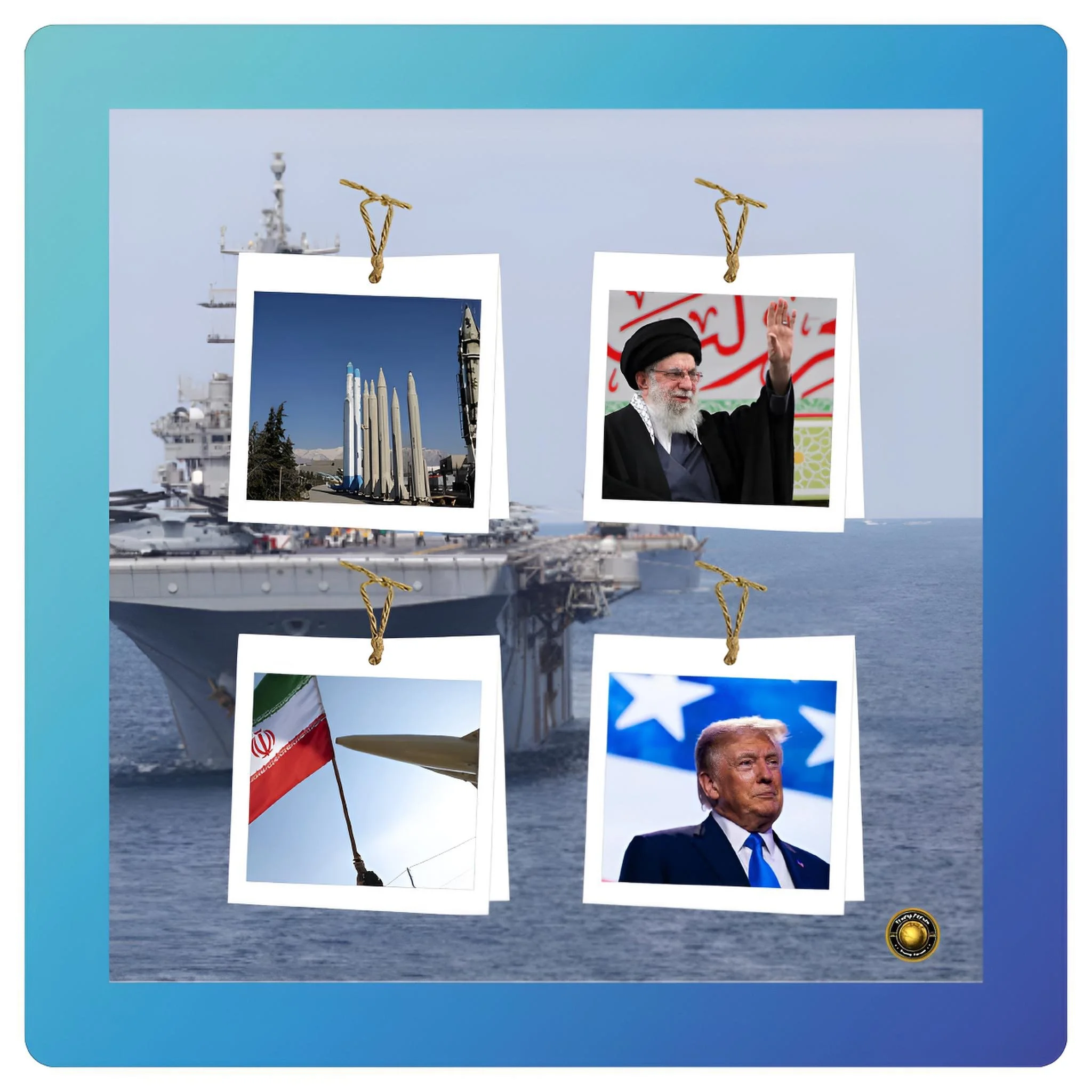
Executive Summary
This article explains in simple terms what a war between the United States and Iran might look like in 2026. It argues that the most likely type of conflict would be short air and missile strikes, not a full invasion.
The goal would be to damage Iran’s nuclear and military sites, not to occupy the country. Iran would likely respond with missiles, drones, and attacks through its regional allies.
Oil prices could rise above $120 per barrel. The conflict would be dangerous but probably limited in time.
Introduction
Many people think that if the U.S. and Iran fight, it would look like the Iraq war in 2003. That is unlikely. Iran is much bigger than Iraq and has 88 million people.
An invasion would cost more than $1 trillion and require hundreds of thousands of troops.
The American public does not want another long war. So if fighting happens, it would probably be short and focused.
History and Current Status
The conflict began after Iran’s 1979 revolution. Since then, the two countries have not trusted each other. In 2015, they signed a nuclear deal. Iran agreed to limit uranium enrichment to 3.67%.
In return, sanctions were reduced. In 2018, the U.S. left the deal and sanctions returned.
Now in 2026, Iran is enriching uranium up to 60%. Weapons-grade is 90%. This makes other countries nervous. Iran says its program is peaceful.
The U.S. and Israel worry Iran could build a nuclear bomb quickly.
Key Developments
The U.S. has moved more ships and aircraft to the Middle East. Iran has improved its missiles and drones.
Israel has warned that it might strike Iranian nuclear sites. Oil markets are already nervous.
About 20% of the world’s oil passes through the Strait of Hormuz. If Iran blocks that area, oil prices could jump fast.
Latest Facts and Concerns
Iran’s economy is under pressure. Inflation is above 40%. Its currency has lost value.
Still, Iran continues its nuclear work. Satellite images show that some nuclear sites are deep underground. That makes them harder to destroy.
There is also cyber risk. Both sides can hack power grids, banks, or military systems. A cyberattack could happen before bombs fall.
What Limited Strikes Would Look Like
If war begins, it would likely start with airstrikes.
The U.S. could use stealth aircraft and cruise missiles. The targets would be nuclear sites, missile bases, and military command centers. The attacks might last a few days or weeks.
For example, the U.S. could hit an underground enrichment facility. At the same time, cyberattacks could disable air defenses.
The goal would be to slow Iran’s nuclear progress.
Why an Invasion Is Unlikely
Iran’s mountains and large population make invasion very difficult. Think about how long the wars in Iraq and Afghanistan lasted.
Now imagine a country three times larger with stronger missiles. It would be extremely costly in lives and money. That is why leaders would avoid it.
How Iran Might Respond
Iran would not stay silent. It could fire missiles at U.S. bases in Iraq. It could use drones to attack oil facilities in Saudi Arabia.
Groups allied with Iran, like Hezbollah in Lebanon or the Houthis in Yemen, could also attack.
For example, the Houthis might target ships in the Red Sea. That would slow global trade.
Oil prices could rise above $120 per barrel. Gasoline prices would increase in many countries.
Cause-and-Effect Analysis
If Iran moves closer to building a bomb, Israel or the U.S. might strike.
That strike would cause Iran to respond with missiles or proxy attacks.
Those attacks would cause more strikes. Each action leads to reaction. However, both sides would try to stop before the conflict becomes a full regional war.
Future Steps
Diplomacy is still possible. The two sides could agree to limit enrichment again.
Regional talks could reduce tension in the Gulf. Back-channel communication can prevent mistakes. But trust is very low.
Conclusion
A war between the U.S. and Iran would probably not mean tanks rolling into Tehran. It would likely be short, sharp air and missile strikes.
Iran would answer with drones, missiles, and proxy attacks. Oil markets would react quickly.
The biggest danger is not planned invasion but miscalculation.
A small strike could grow into a bigger conflict if leaders are not careful.