Is Iran the Next Venezuela? A Simple Guide to Understanding Why the Answer Is Probably No
Summary
What is happening right now in January 2026?
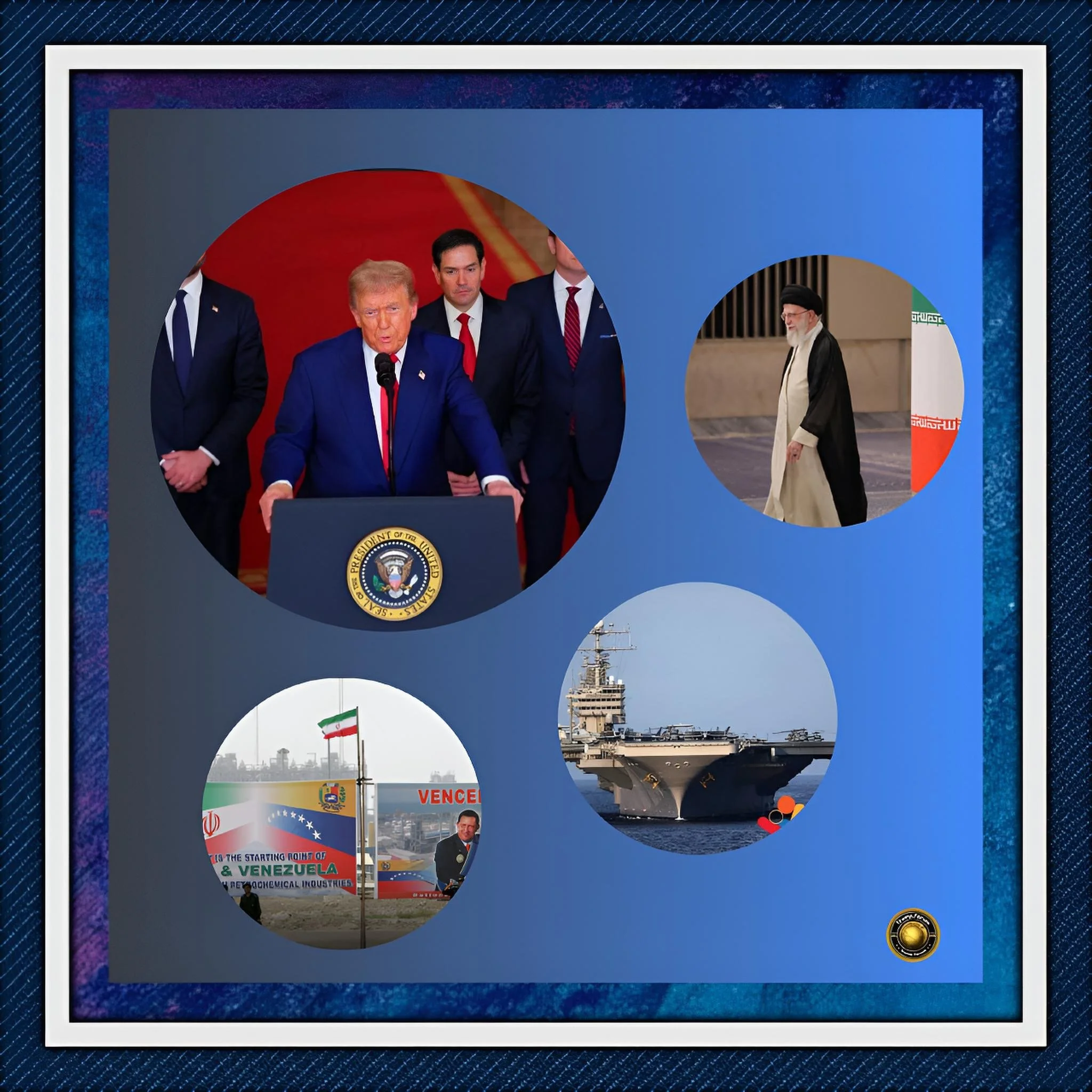
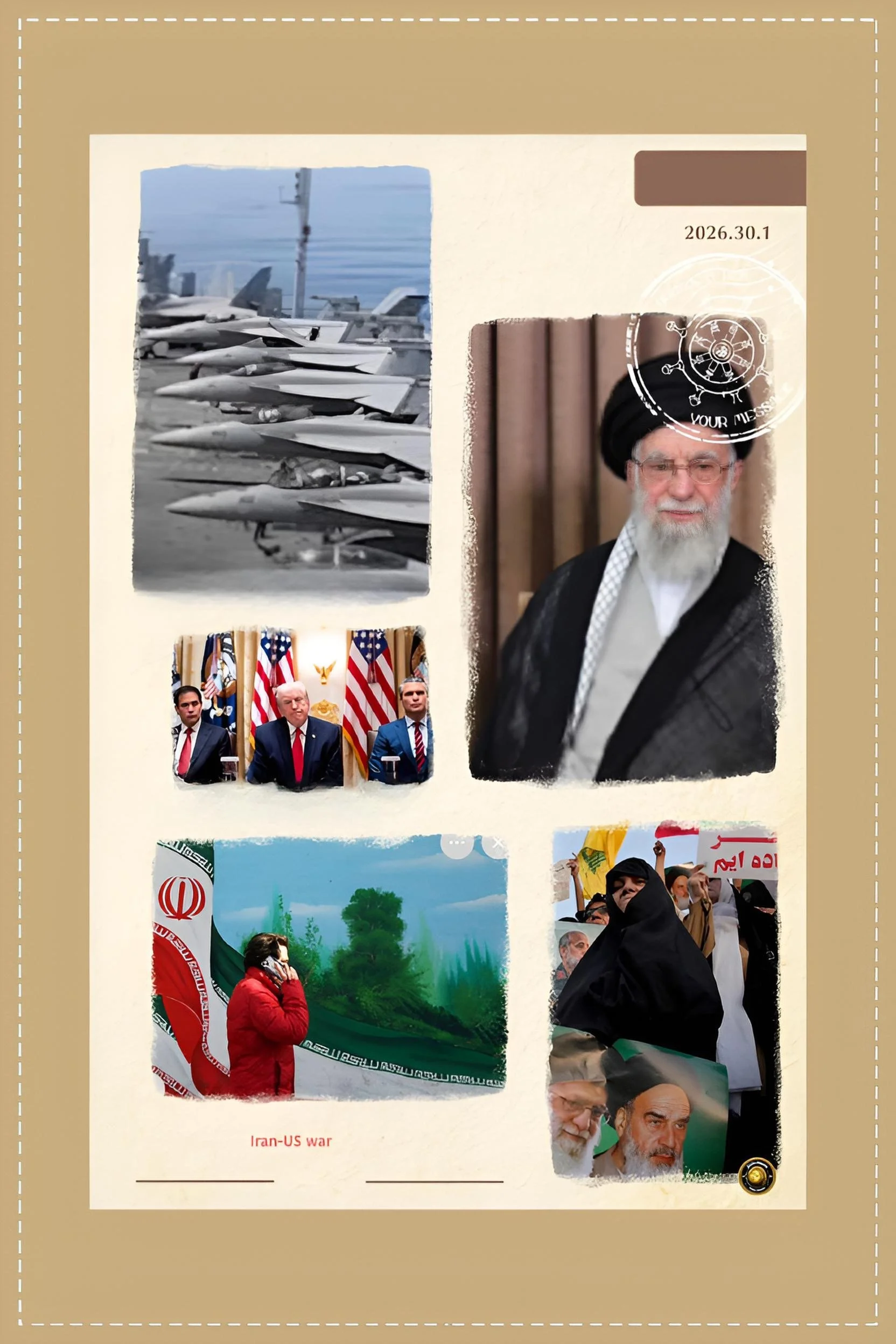
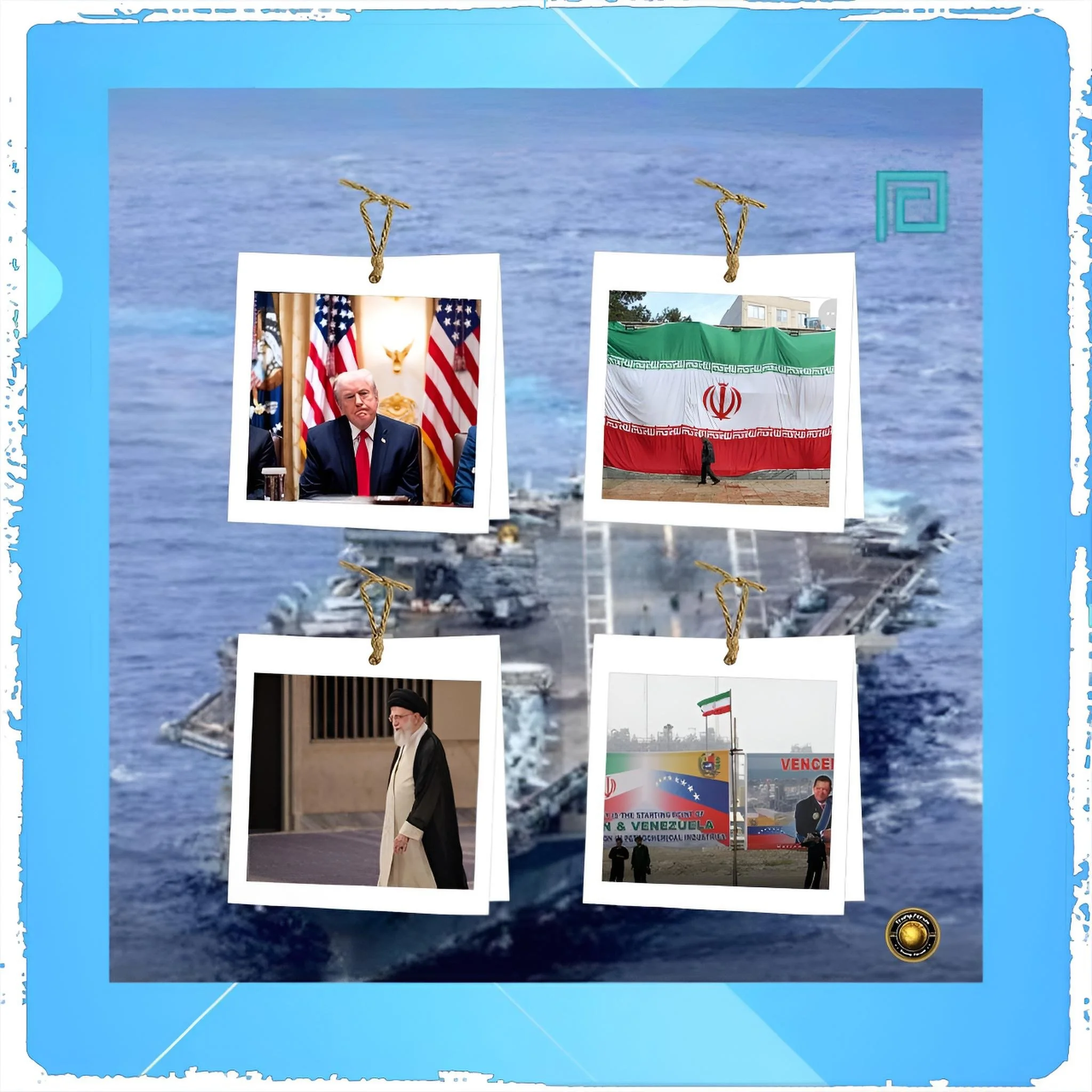
The United States has sent a huge military fleet to the Persian Gulf. The USS Abraham Lincoln aircraft carrier, fighter jets, and bombers are now sitting near Iran. At the same time, Iran's government has announced it added 1,000 new military drones.
American President Donald Trump has warned Iran's leaders to stop its nuclear program or face military action. Iran's Foreign Minister says the military is ready to fight back immediately.
Meanwhile, thousands of Iranians are protesting on the streets against their government because their money is worthless and the economy is broken.
This situation looks like it could explode into war at any moment. Because the United States just caught Nicolas Maduro (the president of Venezuela) on January 3, 2026, and removed him from power, many people are asking the same question: Could the same thing happen to Iran?
Could the United States overthrow Iran's government just like it did in Venezuela?
The short answer is no. Iran is fundamentally different from Venezuela in almost every important way.
How is Venezuela different from Iran?
Let's start with Venezuela. Venezuela had a government centered entirely around one man—Nicolas Maduro. He was the boss. He made the big decisions.
The military was weak—only about 120,000 soldiers. When the United States sent special forces (Delta Force commandos) to grab Maduro from his bedroom at a military base, the Venezuelan military could not stop them. It was like trying to stop a hurricane with a umbrella.
After Maduro was captured and taken to New York to face criminal charges, his Vice President Delcy Rodriguez simply took over the government. The government structure stayed intact. The military did not rebel. The system continued even though the guy at the top was gone.
Here's why this worked: Venezuela's government was like a pyramid with Maduro at the very top. When you remove the top, the pyramid collapses or reorganizes, but there is nothing underneath to prevent that. The military was weak.
Other countries—especially Russia and China—were not willing to send serious military help to Venezuela. Venezuela had no nuclear weapons. It had no long-range missiles that could threaten the United States.
Now let's talk about Iran. Iran looks completely different when you examine its structure.
Why Iran is not like Venezuela
First, Iran does not have a government centered around one person. Yes, there is a Supreme Leader (Ali Khamenei, who is 86 years old). But he is not a dictator like Maduro.
The real military power in Iran is something called the Islamic Revolutionary Guard Corps, or IRGC. Think of the IRGC as a massive organization inside the government that controls the military, the secret police, the economy, and politics all at the same time.
The IRGC has about 190,000 active soldiers. There is also a militia called the Basij with another 100,000 to 300,000 fighters. Add in the regular Iranian military (Artesh), and Iran has almost 1 million soldiers total. That is 8 times more soldiers than Venezuela had. These soldiers are not loyal to one person—they are loyal to the IRGC as an institution.
The IRGC was specifically designed in 1979 to prevent exactly what happened in Venezuela—a single leader being removed and the whole system falling apart.
Second, the IRGC controls about 50% of Iran's entire economy. It runs businesses, construction companies, oil refineries, and more. This means the IRGC leaders have their own reason to stay in power. They are not just following orders from the top. They have money and power that they want to keep. This is very different from Venezuela, where the military was just following Maduro's orders.
Third, Iran has nuclear weapons capability. This is huge. As of January 2026, Iran can produce enough nuclear bomb material in less than 2 weeks. Possibly 5 or 6 bombs' worth in 30 days. Venezuela had nothing like this. A country with nuclear weapons is much harder to attack because the consequences are so serious.
Fourth, Iran has a working ballistic missile force. These are long-range rockets that can hit targets thousands of kilometers away. Even though Israel and the United States damaged some of these missiles in June 2025, Iran still has hundreds left.
Venezuela had a few old Russian planes, but nothing close to a modern missile force. If the United States attacks Iran, Iran can shoot missiles back at American bases, American ships, and American allies like Saudi Arabia and Israel.
Fifth, Russia and China are watching Iran. They do not want the United States to control the Middle East.
Russia and China have not promised to defend Iran militarily, but they are providing some military equipment and support.
Nobody was helping Venezuela like that.
What about the protests in Iran?
Here is where people get confused. Yes, Iran is having huge protests right now. Thousands of people are angry about the economy. The government killed hundreds or possibly thousands of protesters. This looks bad for the government. Some people think this means the government is about to collapse.
But here is what actually happened: When the United States said it might attack Iran, most Iranians—even people who hate the government—became less willing to protest. The IRGC (the security force) has been shooting protesters, and the protesters have not been able to overthrow the government.
The army (Artesh) has not switched sides to help the protesters. The security forces remain loyal to the system.
This is different from Venezuela, where the military was weak and the government was fragile. In Iran, the military and security forces are strong, and they have not broken apart.
The Venezuela lesson Iran's leaders learned
The Maduro capture sent a clear message to Iran's leaders: The United States is willing to grab a sitting president and take him to America to face trial. This scared Iran's government. But instead of breaking apart, the Iranian government became more united.
The different factions—the clerics, the military, the IRGC, the regular army—closed ranks and acted as one against this outside threat. This is called "rally around the flag." When enemies attack from outside, people inside often stop fighting each other and join together.
So actually, the Maduro operation may have made the Iranian government stronger, not weaker.
What are the chances of an American attack on Iran?
This is the key question. The United States has the military power to bomb Iran's nuclear sites, air defense systems, and military targets. American planes are more advanced than Iranian planes. American missiles can hit targets from far away. On the battlefield, the United States would win.
But winning a battle is not the same as winning a war. Even if the United States bombs Iranian nuclear sites, the IRGC would still be in power.
The government would still exist. Iran could shoot missiles at American bases and ships. Iran could block the Strait of Hormuz, which would stop 20% of the world's oil from reaching markets. Oil prices would skyrocket, and the global economy would suffer.
The United States can damage Iran. The United States probably cannot overthrow Iran's government without a huge ground war that would cost many American and Iranian lives.
Will Iran become the next Venezuela?
The answer is almost certainly no. Venezuela collapsed because it was weak, centralized, and isolated. Iran is strong, decentralized, well-armed, and has regional allies. Even though Iran is facing serious economic and political problems, its military and security apparatus remain intact and functional.
Iran could face a war with the United States. Iranian protesters could eventually topple the government through sustained revolution over many years. But the idea that the United States can simply grab Iran's leaders like it grabbed Maduro is based on misunderstanding how different Iran is from Venezuela.
The comparison makes for good headlines, but it does not match reality on the ground.