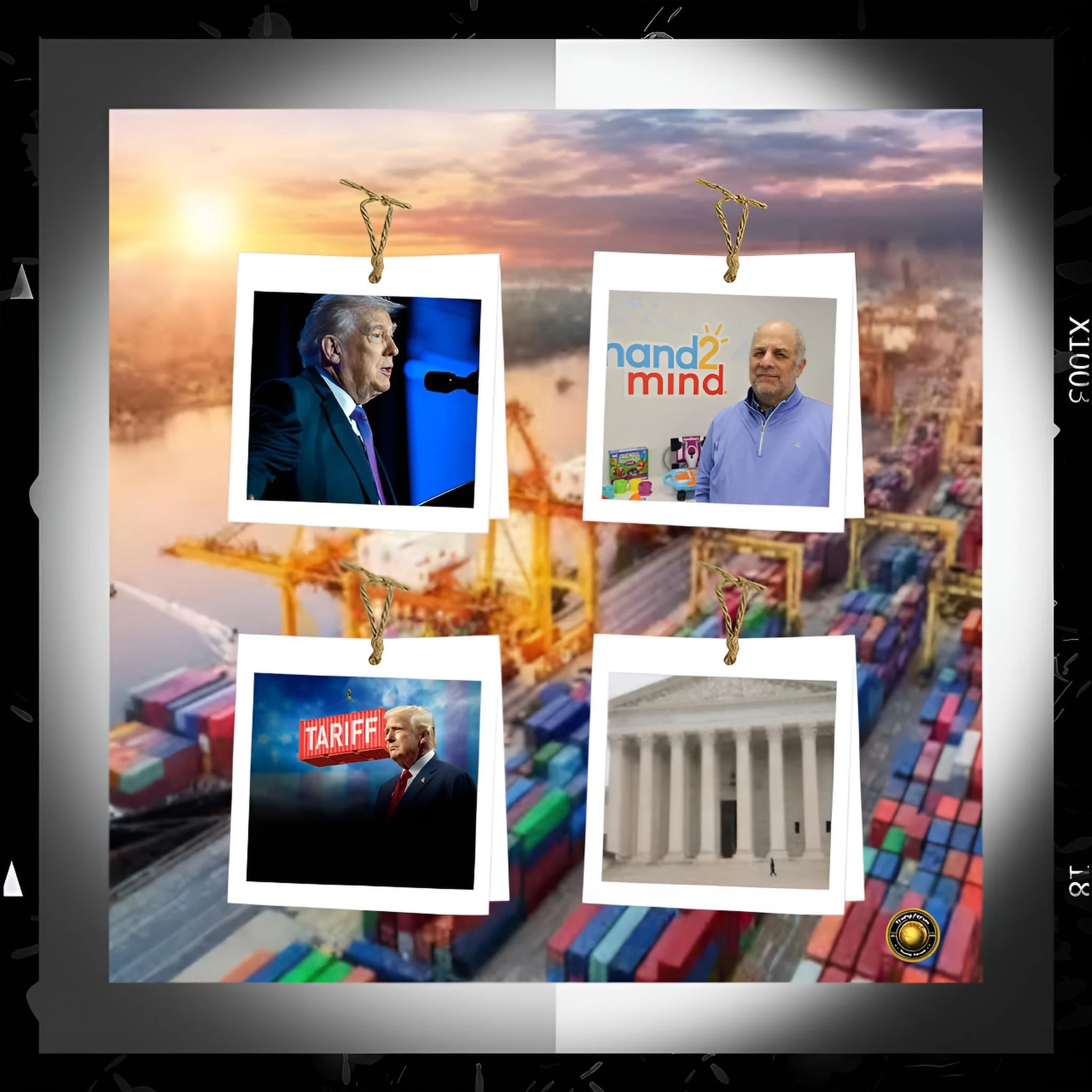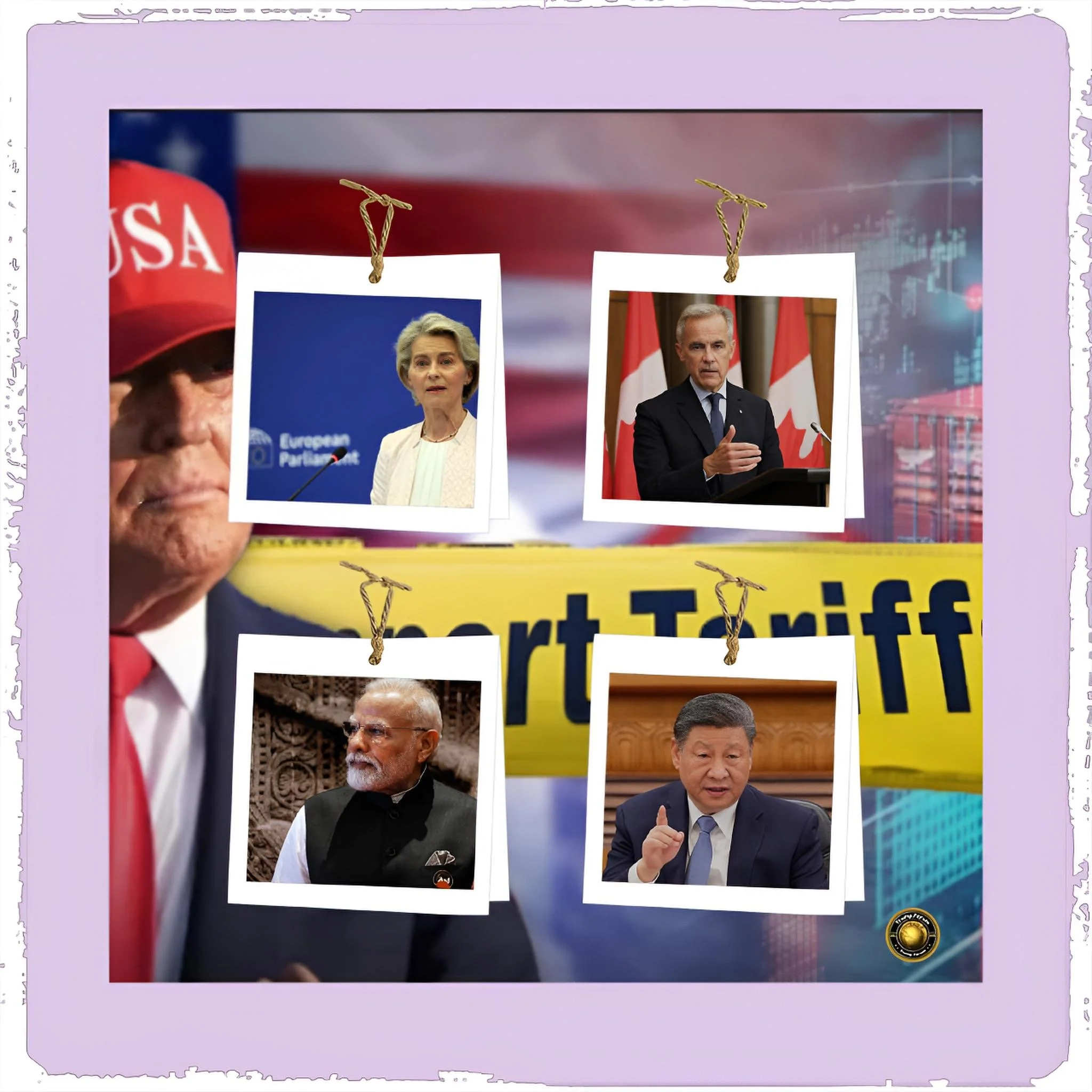
Supreme Court Rejects Trump Tariffs, Washington and World Respond Swiftly - Part II
Executive Summary
The decision of the Supreme Court of the United States to reject former President Donald Trump’s tariff policies as illegal marks one of the most consequential constitutional and economic rulings of the 21st century.
In striking down the administration’s broad invocation of emergency powers to impose sweeping tariffs on steel, aluminum, Chinese manufactured goods, and a range of consumer imports, the Court has not merely adjudicated trade policy.
It has reasserted the primacy of congressional authority over commerce, recalibrated the balance of powers between the executive and legislative branches, and reshaped the legal architecture underpinning U.S. economic statecraft.
The immediate American response has been institutionally divided but constitutionally restrained.
The White House, in a brief but pointed statement, criticized what it described as judicial interference in national security policy, while senior members of Congress across party lines cautiously welcomed the decision as a restoration of constitutional equilibrium.
Financial markets reacted with volatility but stabilized as investors recalibrated expectations regarding tariff-driven trade wars.
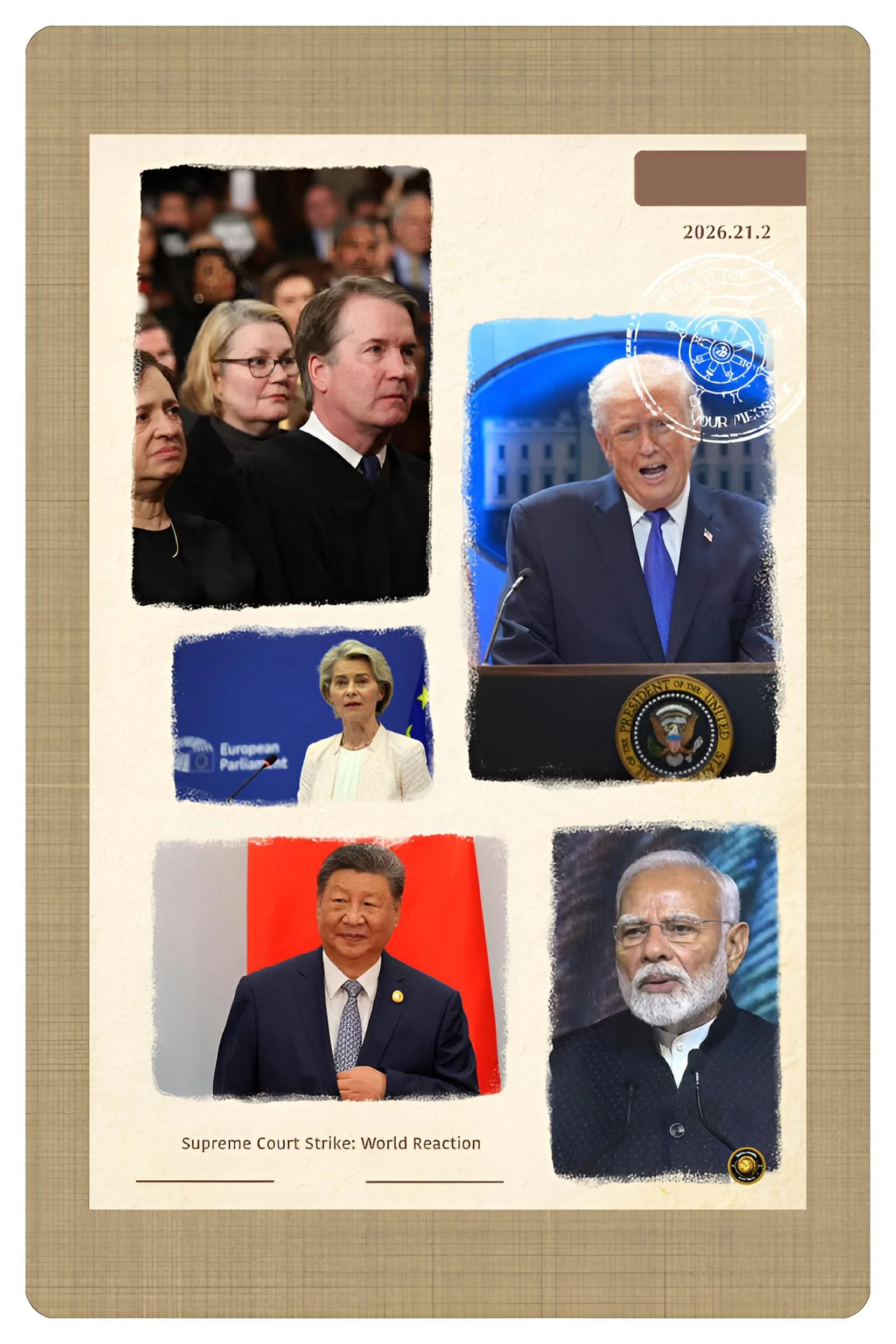
Globally, reactions were swift. The European Commission described the ruling as a reaffirmation of rules-based trade.
Officials in China framed the decision as evidence of internal American institutional contestation, while trade ministries in Japan and India welcomed the prospect of reduced tariff uncertainty.
At the World Trade Organization, diplomats privately interpreted the ruling as a modest but meaningful step toward restoring confidence in multilateral dispute settlement.
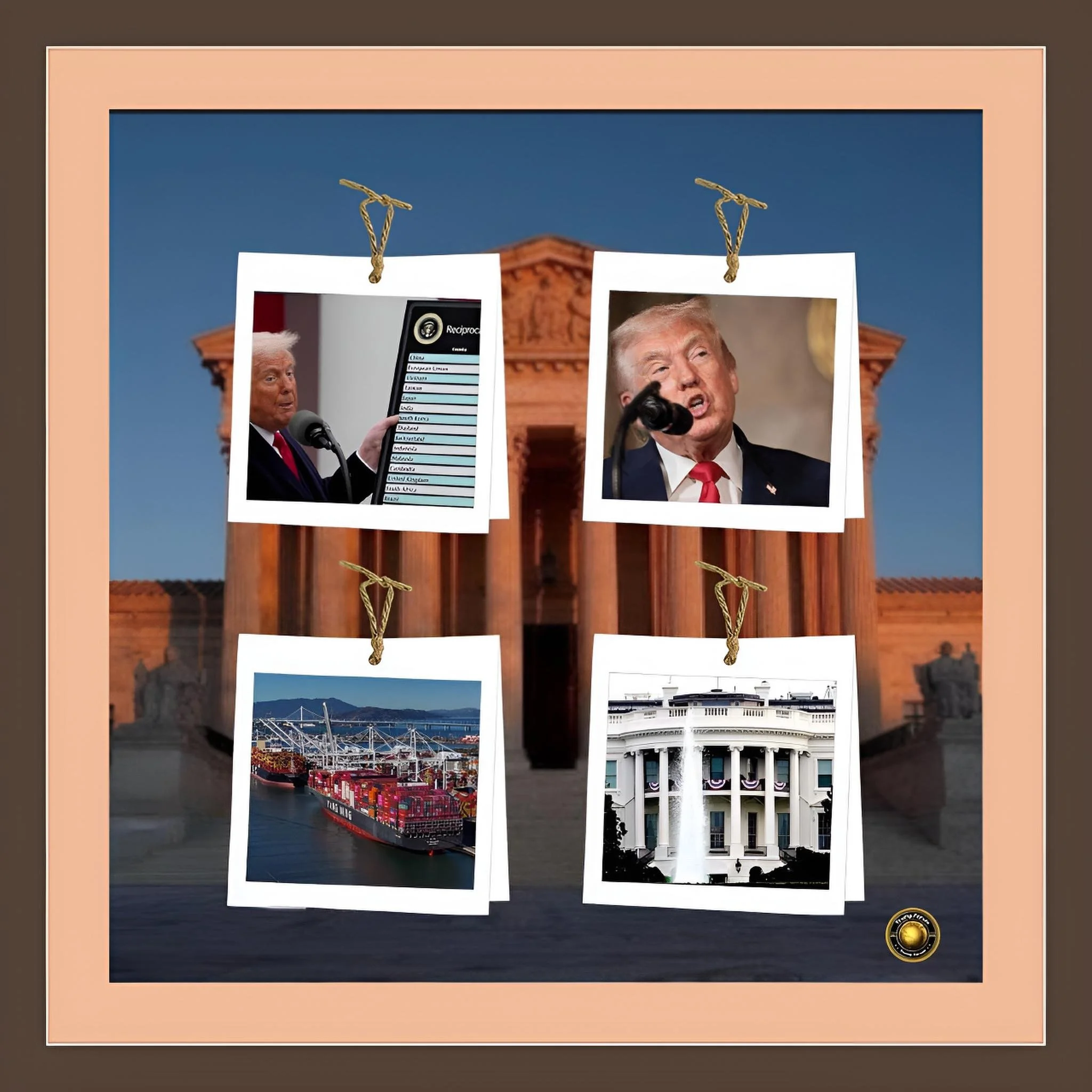
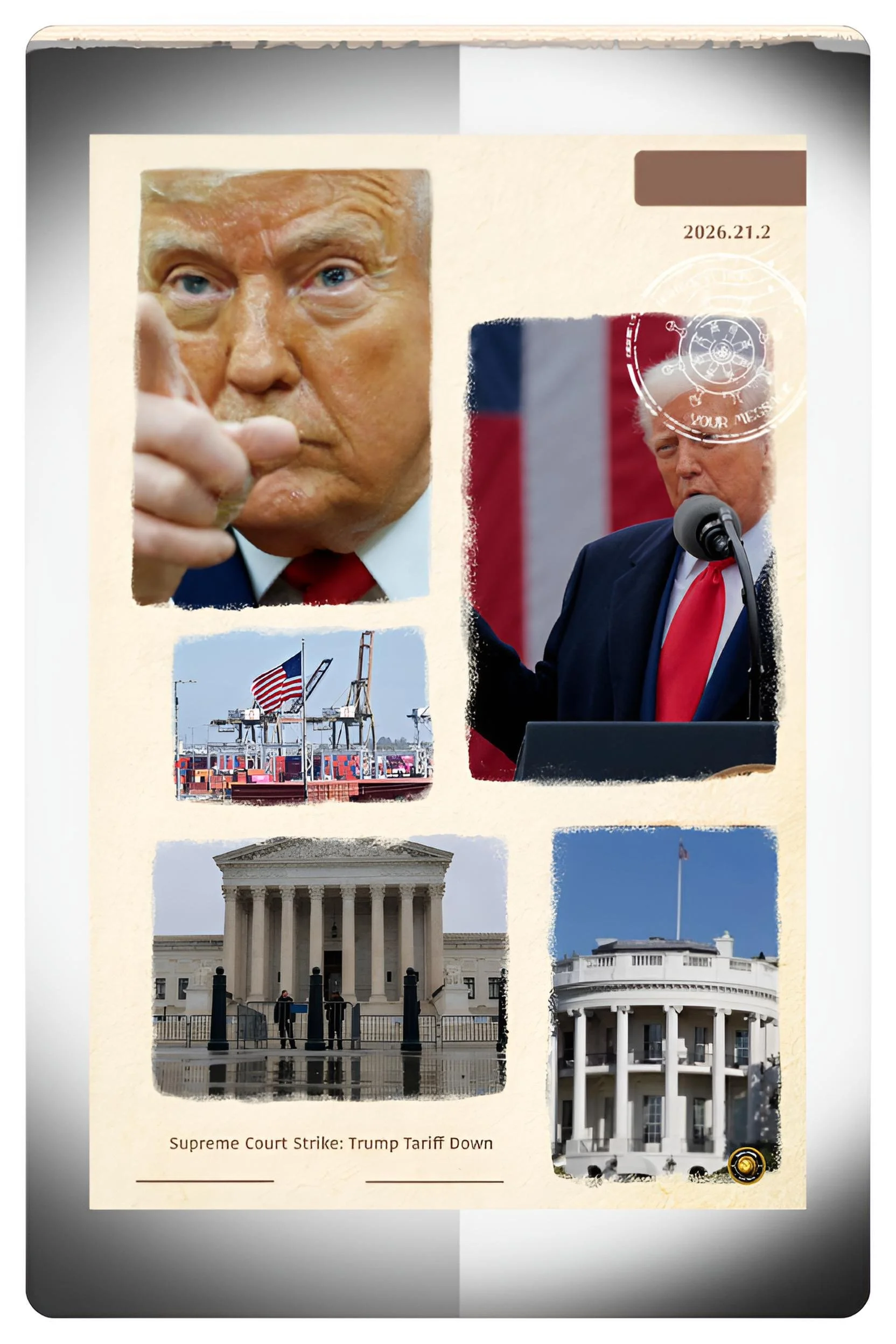
Trump, speaking from the White House shortly after the ruling, declared that “the Court has made a mistake that weakens America’s leverage,” insisting that tariffs had generated “billions of dollars in revenue andThe historic manufacturing growth.”
political appeal of economic nationalism.
The implications extend beyond trade.
The ruling constrains future presidents’ ability to deploy tariffs as unilateral geopolitical tools and forces Congress to reengage with trade authority it had gradually delegated.
The decision also recalibrates global perceptions of U.S. reliability. At stake is not only tariff policy but the architecture of American power in an era of strategic rivalry.
Introduction
Trade policy has long served as both economic instrument and geopolitical signal. From the Smoot-Hawley Tariff Act of 1930 to the postwar embrace of multilateral liberalization, tariffs have alternately symbolized protectionist retrenchment and global leadership.
Under Trump’s presidency, tariffs reemerged as the central mechanism of American economic statecraft, justified under statutes such as Section 232 of the Trade Expansion Act of 1962 and the International Emergency Economic Powers Act.
The Supreme Court’s rejection of these tariffs as illegal represents a decisive constitutional intervention.
By ruling that the executive branch exceeded statutory authority and encroached upon powers constitutionally reserved to Congress, the Court has reopened a foundational debate about delegation, emergency powers, and the limits of presidential discretion in economic affairs.
The ruling arrives amid heightened geopolitical tension, fragmented supply chains, and the partial decoupling of U.S.–China trade relations. It intersects with domestic political polarization and global anxiety over American reliability.
In short, the decision reverberates across constitutional law, international economics, and global diplomacy.
History and Current Status
The modern tariff regime rests upon a paradox. Article I of the Constitution grants Congress authority “to regulate Commerce with foreign Nations.”
Yet throughout the 20th century, Congress delegated increasing discretion to the executive branch, enabling presidents to negotiate trade agreements and impose tariffs under specified conditions.
Section 232 permitted tariffs on national security grounds. Section 301 of the Trade Act of 1974 authorized action against unfair trade practices. IEEPA granted emergency powers in response to unusual threats. Over time, these statutes created a dense web of executive flexibility.
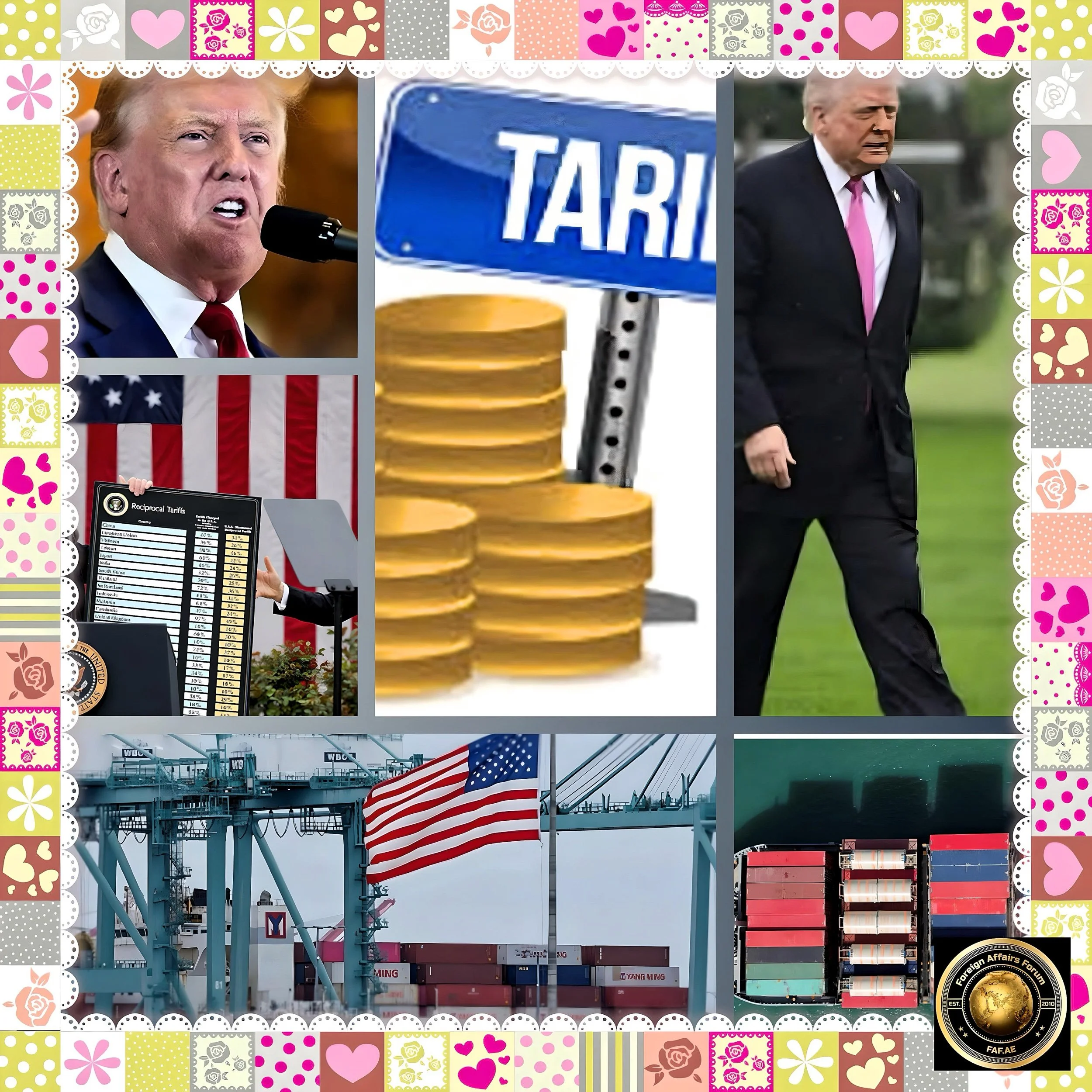
Trump’s administration invoked Section 232 to impose tariffs of 25 % on steel and 10 % on aluminum imports, citing national security. It levied tariffs on approximately $370 billion worth of Chinese goods under Section 301.
The administration argued that persistent trade deficits and industrial decline justified robust intervention.
Critics contended that the invocation of national security was overly expansive and that the tariffs functioned as bargaining tools rather than genuine emergency measures. Legal challenges proliferated in federal courts, culminating in the Supreme Court’s review.
In its ruling, the Court held that the executive interpretation of statutory authority exceeded constitutional limits. While acknowledging Congress’s power to delegate, the majority emphasized that delegation cannot amount to abdication.
The opinion suggested that open-ended tariff authority without clear temporal or substantive constraints risks violating separation-of-powers principles.
Key Developments
The immediate White House response reflected institutional tension but avoided outright defiance. In remarks delivered from the White House briefing room, Trump asserted that “we were winning on trade like never before,” arguing that tariffs generated billions of dollars and compelled trading partners to renegotiate agreements.
He described the decision as “a step backward for American workers” and urged Congress to restore executive authority.
Congressional leaders responded with measured language. Several senators emphasized that trade authority ultimately resides in Congress and signaled willingness to revisit statutory frameworks. House members called for bipartisan hearings to clarify emergency trade powers.
International reactions varied by strategic alignment.
The European Commission welcomed the decision as reinforcing predictable trade relations.
In Beijing, officials at the Ministry of Commerce characterized the ruling as evidence that American institutions remain contested and pluralistic.
In Tokyo, policymakers interpreted the outcome as reducing uncertainty for Japanese exporters facing potential steel and auto tariffs.
Financial markets experienced short-term volatility, particularly in sectors sensitive to tariff protection.
Steel producers saw stock declines, while import-dependent industries registered gains.
Currency markets reflected modest strengthening of trading partners’ currencies against the dollar.
Latest Facts and Concerns
The ruling arrives amid fragile global growth. Trade volumes have yet to fully recover from pandemic-era disruptions.
Supply chains remain partially reconfigured, with firms diversifying production away from China toward Southeast Asia, Mexico, and India.
A key concern centers on whether Congress will act swiftly to clarify tariff authority or whether legislative gridlock will generate prolonged uncertainty.
Another issue involves ongoing retaliatory tariffs imposed by foreign governments in response to U.S. measures. The unwinding of reciprocal tariffs may prove administratively complex.
There is also concern about precedent. By narrowing executive authority, the Court may limit future presidents’ ability to deploy economic tools rapidly during crises.
Supporters argue this constraint strengthens democratic accountability; critics warn it may hamper responsiveness.
Cause-and-Effect Analysis
The cause of the legal confrontation lies in the tension between delegated authority and constitutional structure.
Over decades, Congress sought flexibility by empowering presidents to act swiftly in trade matters. Yet broad delegations, particularly when justified by national security, risk elastic interpretation.
The effect is twofold. Domestically, the decision restores congressional primacy in trade policymaking. Internationally, it signals that American economic power is subject to internal institutional checks.
In economic terms, tariffs function as taxes on imports, raising domestic prices while protecting certain industries.
Empirical analyses of the Trump-era tariffs indicated modest manufacturing gains in specific sectors but higher input costs for downstream producers and consumers.
The Court’s decision thus potentially lowers consumer prices but reduces leverage in bilateral negotiations.
Politically, the ruling may reshape campaign narratives. Economic nationalism retains electoral resonance.
Trump’s remarks framed the decision as judicial overreach, potentially mobilizing supporters who favor assertive trade protection.
Future Steps
Congress now confronts strategic choices. It may draft narrower delegations with explicit temporal limits. It may require periodic review of national security-based tariffs. Alternatively, it may codify clearer standards for emergency economic measures.
The executive branch must recalibrate its toolkit. Sanctions remain available under IEEPA, but tariff authority now requires closer statutory alignment. Diplomatically, the administration may seek negotiated resolutions with affected partners to unwind retaliatory measures.
Globally, the decision could catalyze renewed engagement with multilateral institutions.
The WTO dispute settlement system, weakened in recent years, may regain partial relevance if the United States signals renewed commitment to rules-based frameworks.
Conclusion
The Supreme Court’s rejection of Trump’s tariff policies constitutes a pivotal moment in American constitutional and economic history. It underscores that even in an era of geopolitical rivalry and economic nationalism, institutional constraints endure.
The decision does not eliminate protectionist sentiment nor resolve strategic competition with China. It does, however, reaffirm that trade authority ultimately rests with Congress and that emergency powers are not boundless.
Trump’s White House remarks reflect enduring political divisions over globalization and sovereignty. Yet the broader significance lies in institutional recalibration.
By restoring legislative primacy and narrowing executive discretion, the Court has reshaped the terrain upon which future trade battles will be fought.
In a global system marked by uncertainty, the ruling offers a paradoxical form of stability. It signals that American power remains embedded within constitutional order.
Whether Congress can translate that order into coherent trade strategy remains the next decisive question.