Supreme Court Stops Trump Tariffs: What It Means for America and the World - A 101 Guide for Dummies
Executive Summary
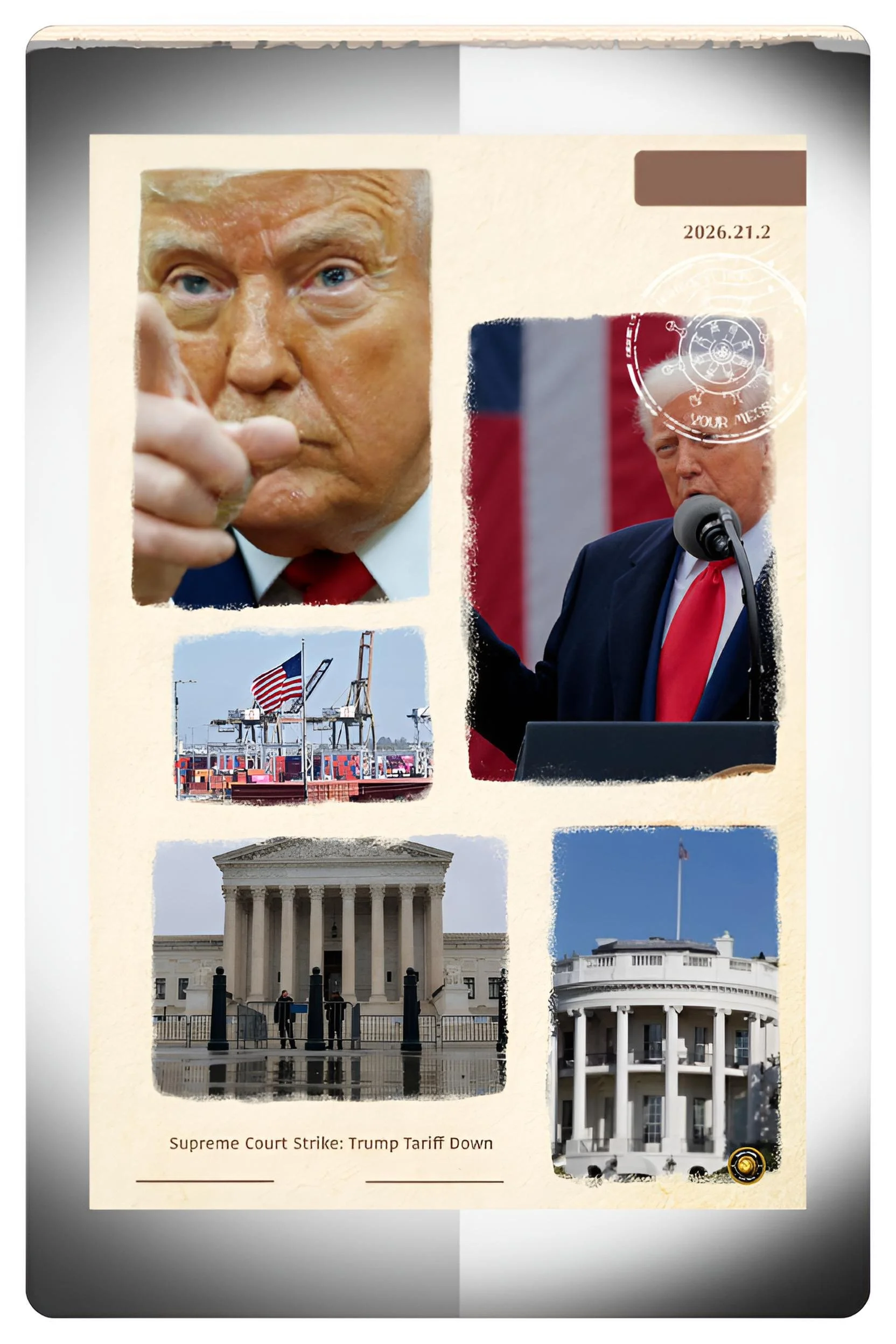
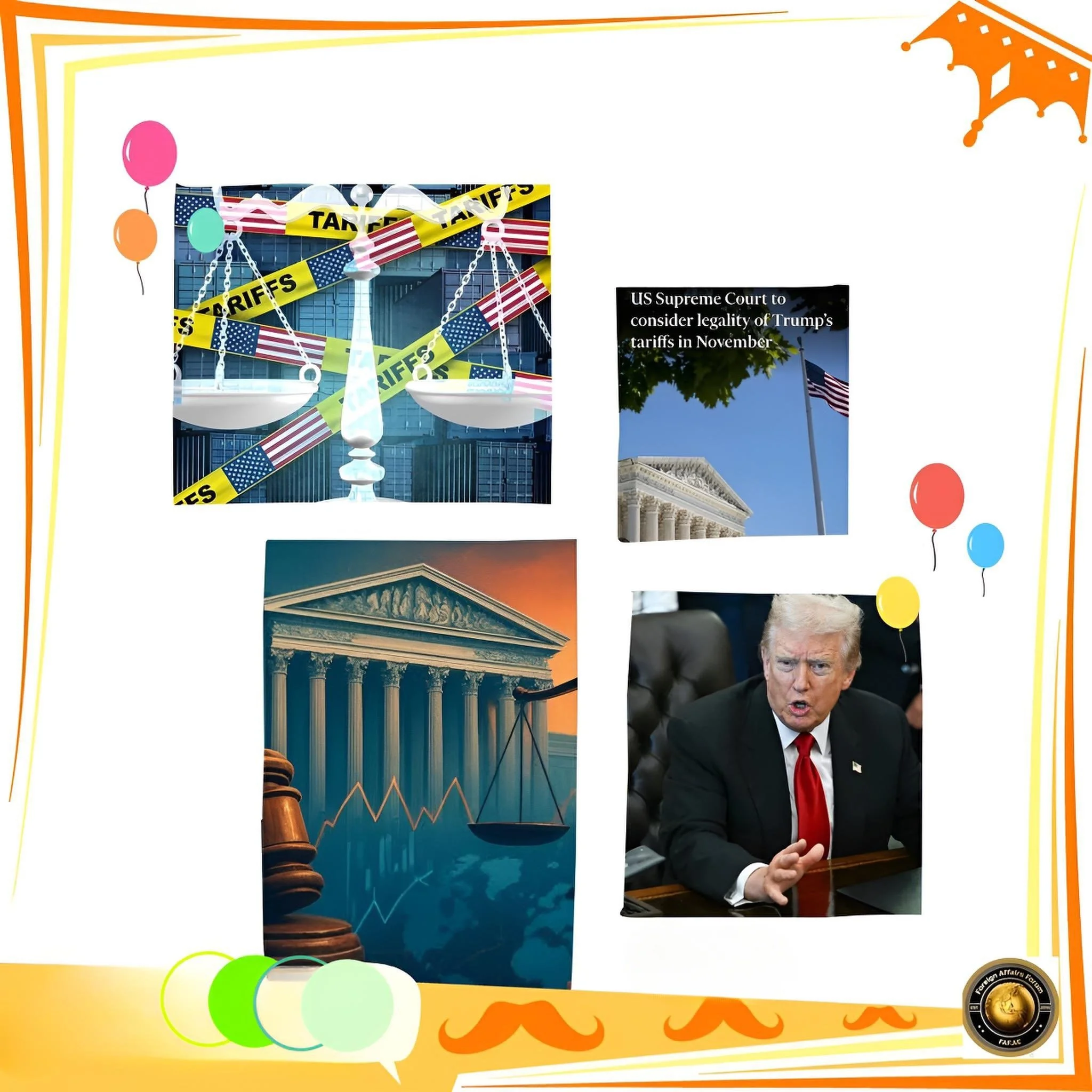
The Supreme Court has ruled that President Donald Trump did not have the legal power to impose broad emergency tariffs without approval from Congress.
The Court said that only Congress can impose taxes and tariffs under the Constitution.
This decision affects Trump’s economic plans, the U.S. budget, American businesses, and many countries that trade with the United States.
Introduction
Tariffs are taxes on goods that come from other countries. When Trump returned to office, he imposed a general 10% tariff on many imported goods and higher rates on some countries. He said this would protect American jobs and reduce trade deficits.
He used an emergency law from 1977 to justify the move. But many businesses argued that this law did not give him the power to create such wide tariffs.
What the Court Decided?
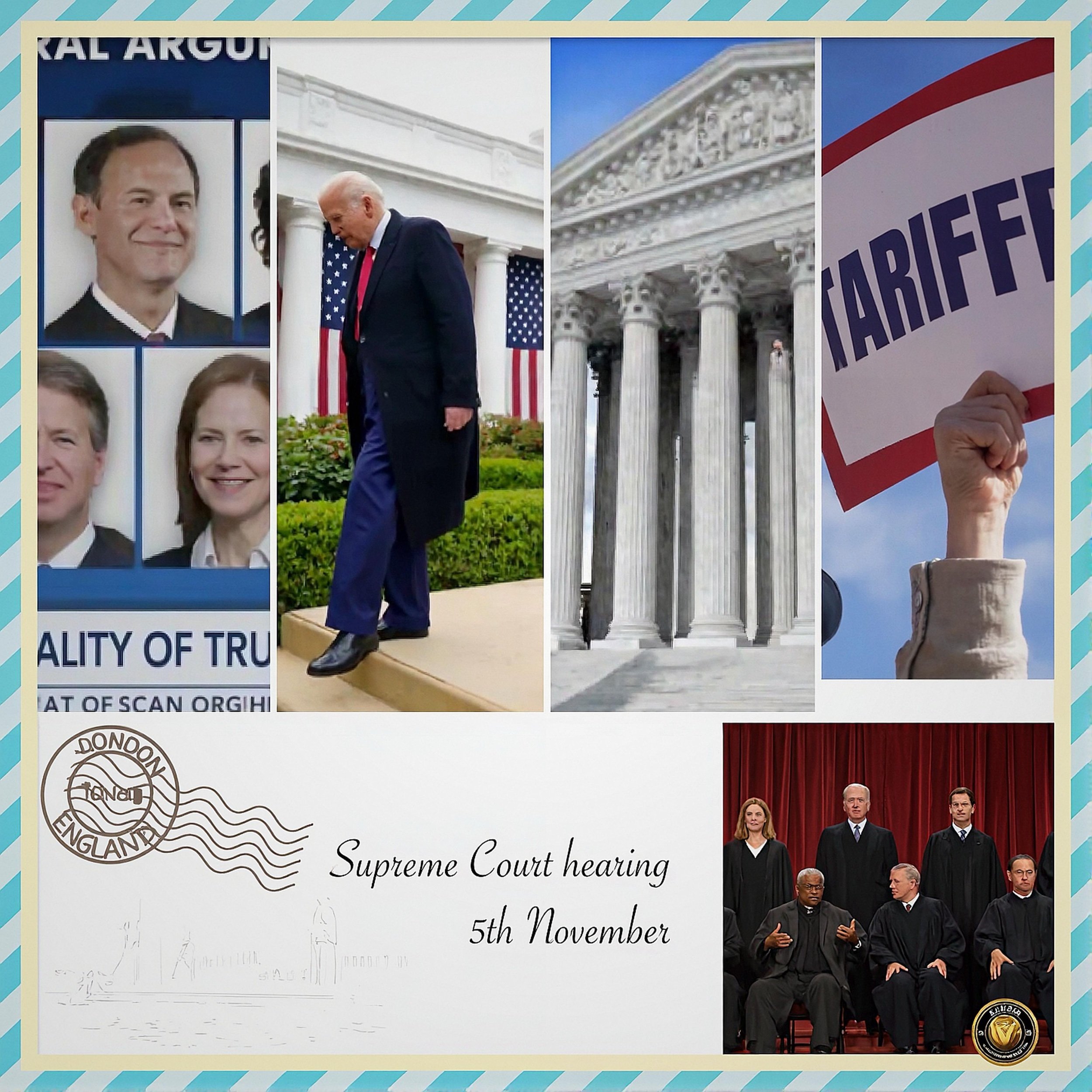
The Supreme Court said that the emergency law does not clearly allow a president to impose broad tariffs.
The Constitution says Congress controls taxes. Because of that, the Court struck down the tariffs.
In simple terms, the judges said: if Congress wants to give the president tariff power, it must say so clearly.
What It Means for Trump?
This is a political setback. Tariffs were one of Trump’s main tools. Without them, he must now work with Congress if he wants similar policies.
For example, imagine a president wants to raise a 15% tariff on electronics from abroad.
After this ruling, he cannot do it alone under a general emergency law. He needs Congress to pass a law first.
What It Means for the U.S. Economy?
The government collected more than $175 billion from these tariffs. Now companies may ask for that money back.
Example: A U.S. company imported machinery and paid $5 million in tariffs. If courts order refunds, the company could receive that $5 million back.
Consumers may also benefit. If a washing machine cost $1,000 and included a 10% tariff, its price could drop closer to $900 if the tariff disappears.
However, some U.S. factories that were protected by tariffs may now face stronger foreign competition.
What It Means for Other Countries?
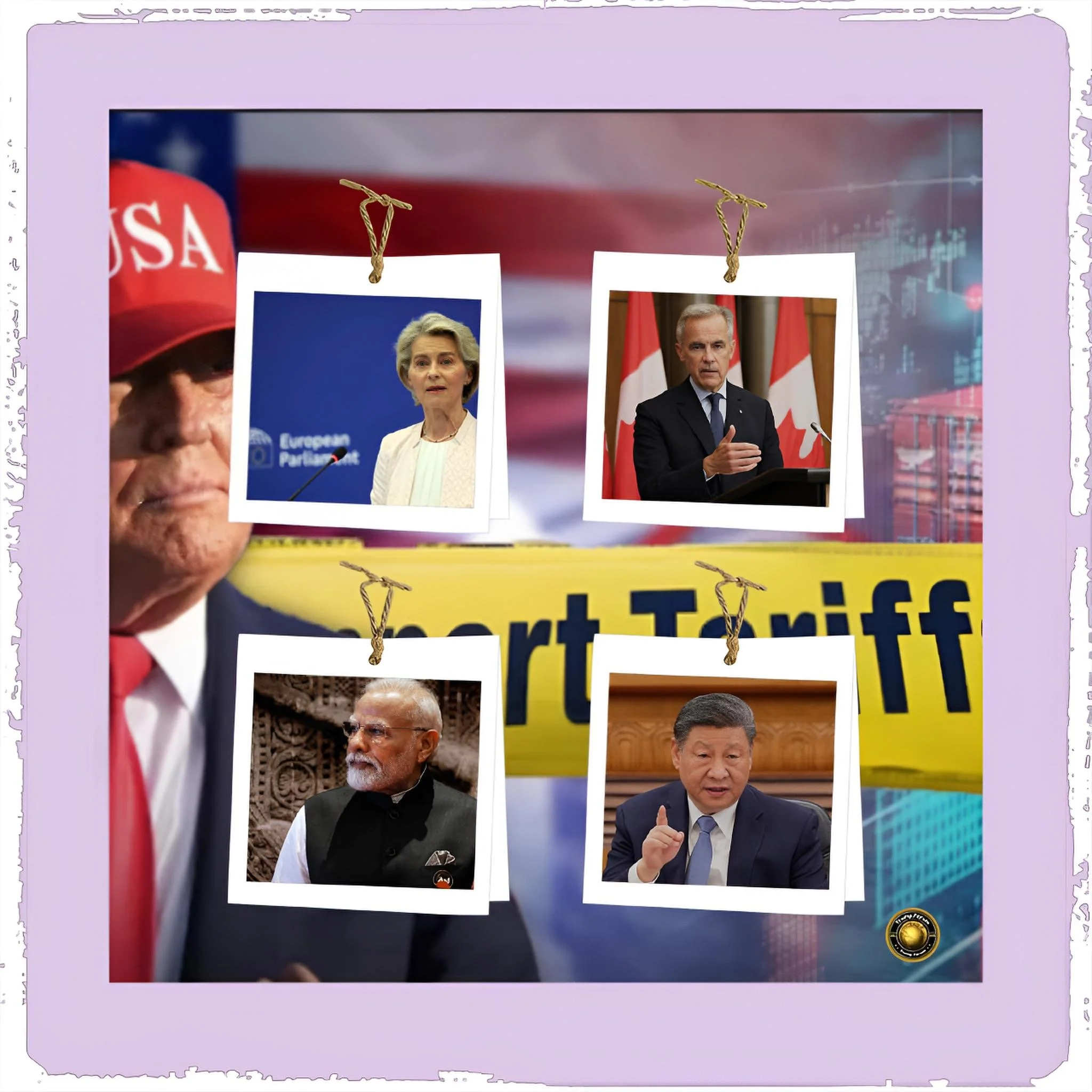
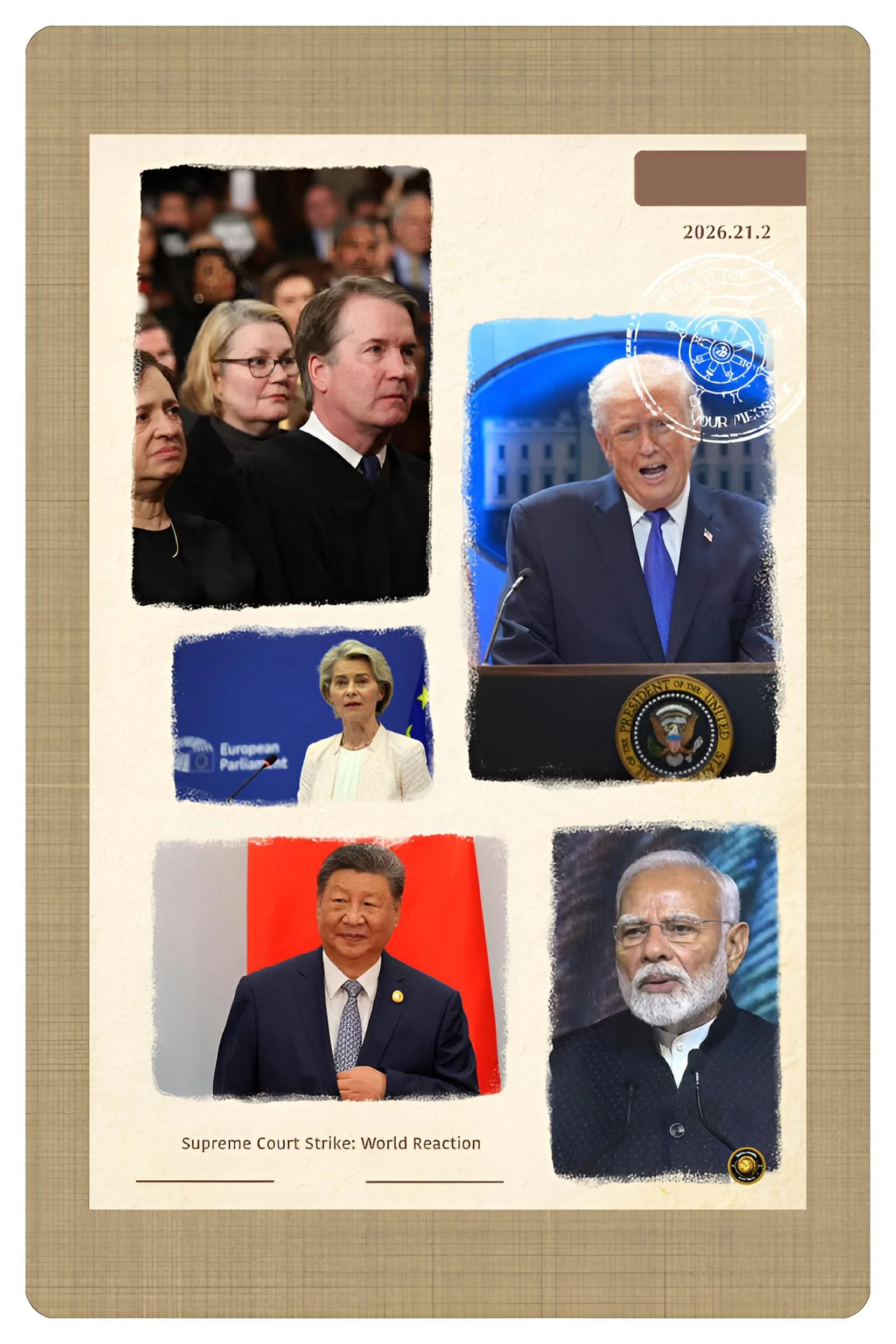
Countries like India, China, Canada, and members of the European Union were affected by the tariffs. With the Court’s decision, their exports to the U.S. may become cheaper again.
For example, if a car part from abroad had a 20% tariff, removing that tariff makes the product more competitive in the U.S. market. That could increase exports from those countries.
What Happens Next?
First, courts must decide how refunds will work. This could take time.
Second, Congress may debate new trade laws. Lawmakers might give the president clearer authority in certain cases.
Third, global trade talks may become calmer in the short term, because one major source of trade tension has been removed.
Conclusion
The Supreme Court’s ruling is about more than tariffs. It is about who holds power in the U.S. government. The Court said clearly that Congress controls taxation.
For Trump, it limits his ability to act alone.
For American businesses and consumers, it could mean lower costs and possible refunds. For the world, it reduces one layer of trade conflict but leaves future policy uncertain.
In the end, the decision shows that even strong presidents must operate within constitutional limits.