Supreme Court Stops Trump Tariffs: What America and the World Are Saying- A 101 for Dummies
Executive Summary
The Supreme Court has ruled that President Donald Trump’s emergency tariffs are illegal.
The Court said only Congress can impose broad tariffs because tariffs are taxes.
The White House criticized the decision. Many members of Congress supported it. Other countries welcomed the ruling.
Introduction
Tariffs are taxes on goods coming into the United States. Trump used an emergency law to impose tariffs of 10% to 25% on many imports.
The Supreme Court said that law does not allow such broad tariffs.
Trump’s Remarks from the White House
After the ruling, Trump said the decision weakens America. He argued tariffs helped protect factories and workers. He promised to find new ways to defend U.S. industries.
America’s Official Response
Some lawmakers said the Court protected the Constitution. Others said the president should have more flexibility.
The Treasury Department said companies may request refunds.
Global Community’s Response
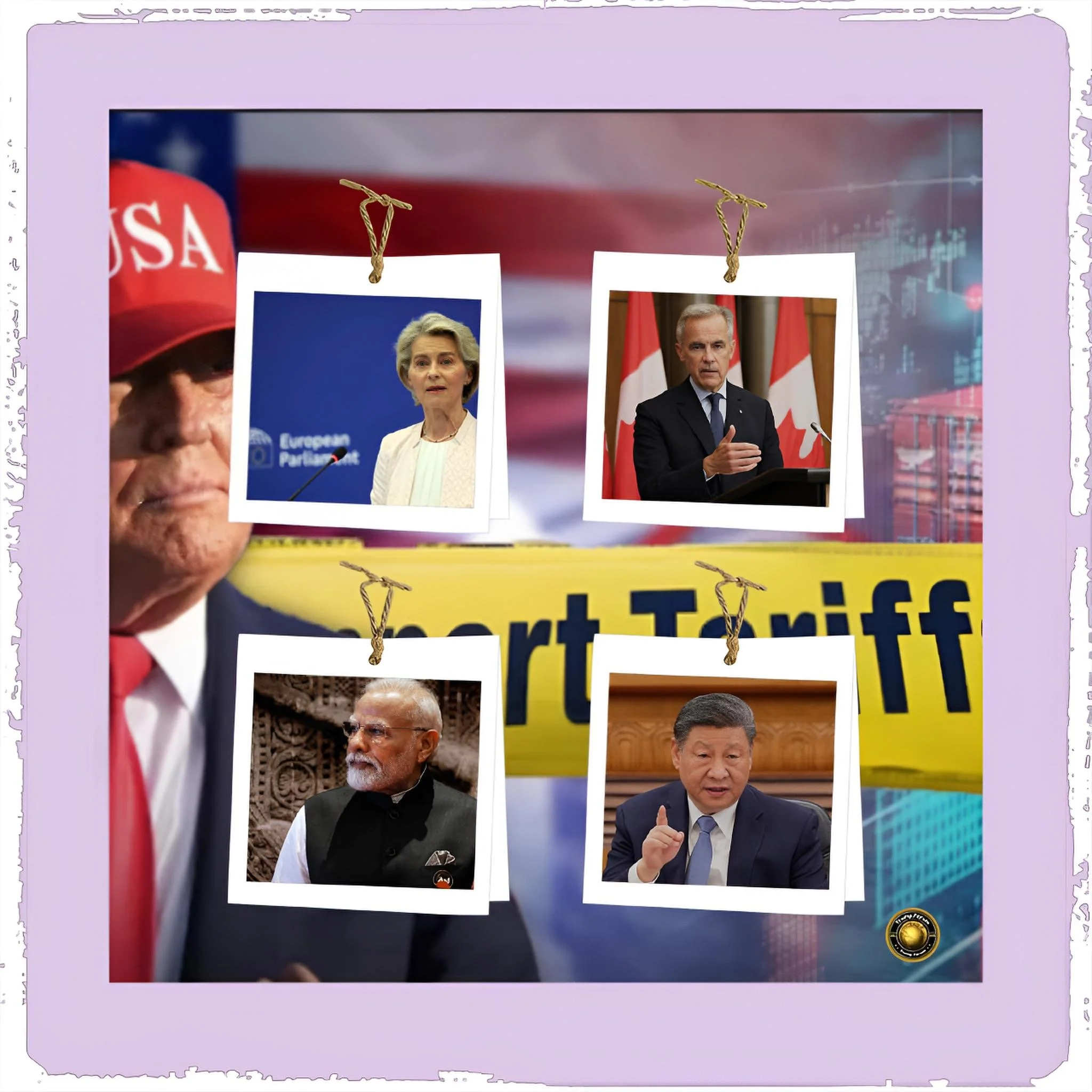
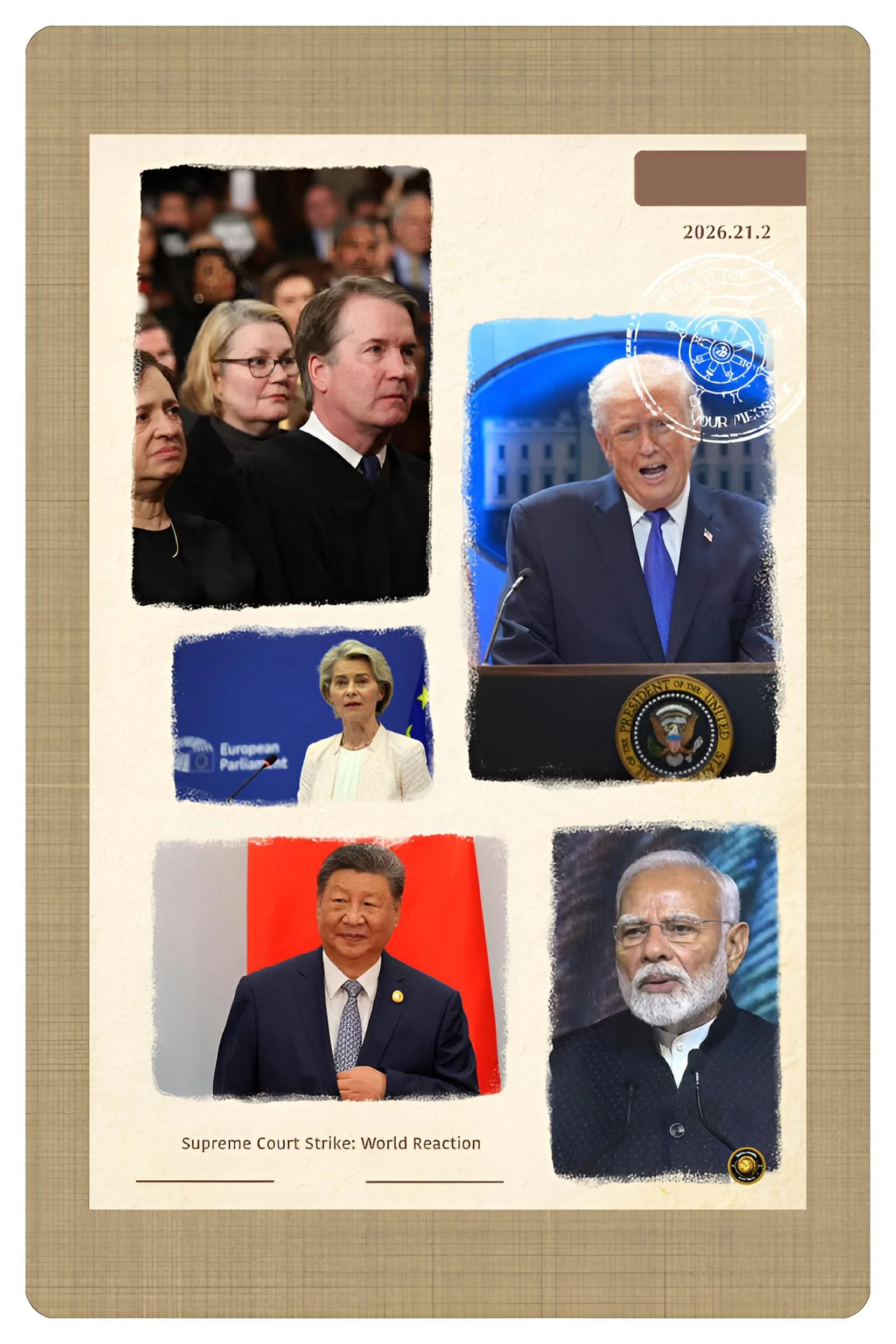
The European Union welcomed the decision. China said it supports stable trade. India said it hopes for stronger economic cooperation.
Economic Implications with Examples
If a company imported goods worth $50,000 and paid a 20% tariff, it paid $10,000 extra. Now it may get that $10,000 back.
Consumers may see lower prices. If a product cost $1,200 because of tariffs, its price may drop closer to $1,000.
However, some U.S. factories that benefited from tariffs may face more competition.
Conclusion
The Supreme Court’s ruling limits presidential power over tariffs. It may lower prices and improve relations with trading partners.
But it also creates new political debates about who controls U.S. trade policy.