Will America Start Another War With Iran? Is Israel Influencing America?
Introduction
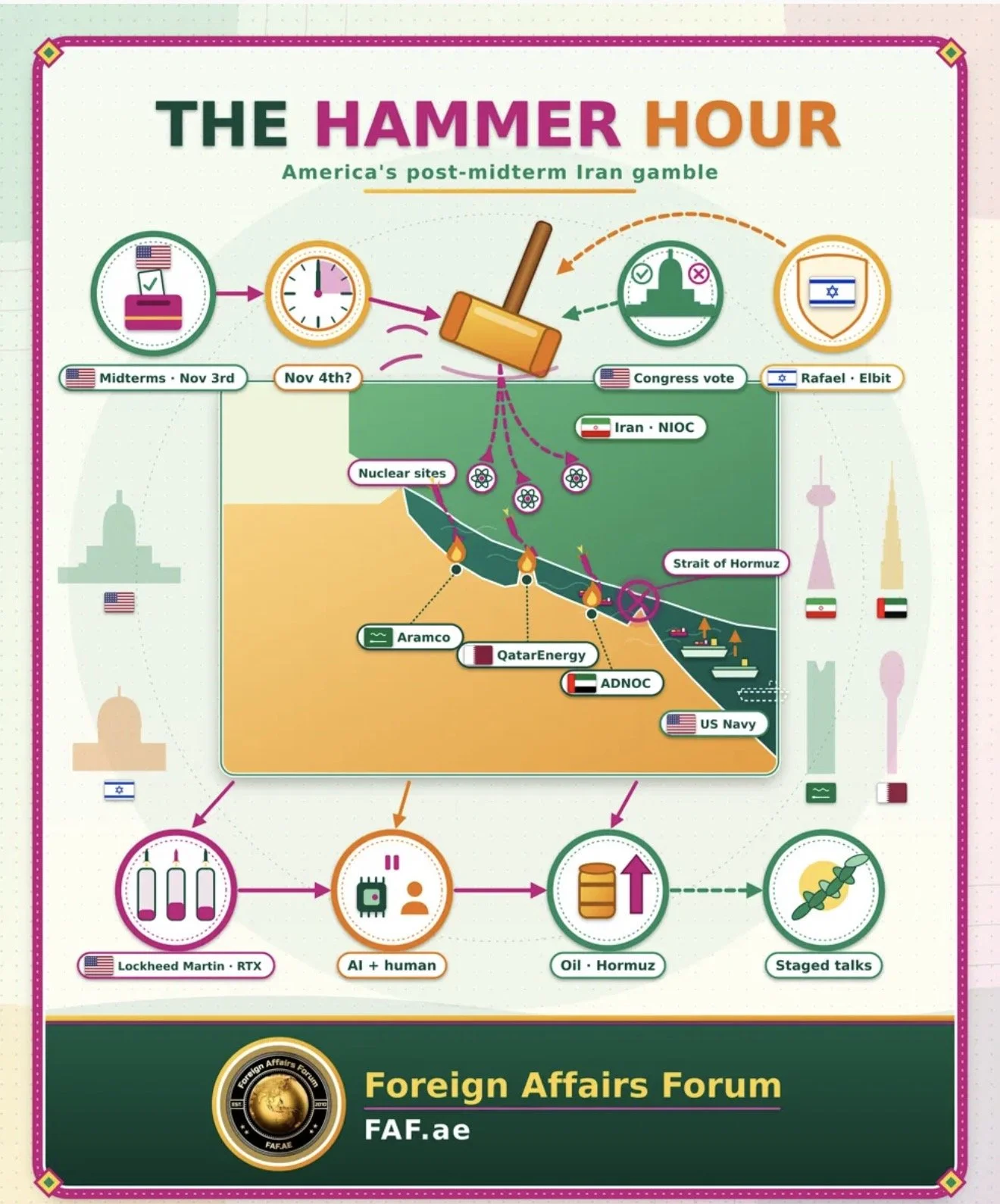
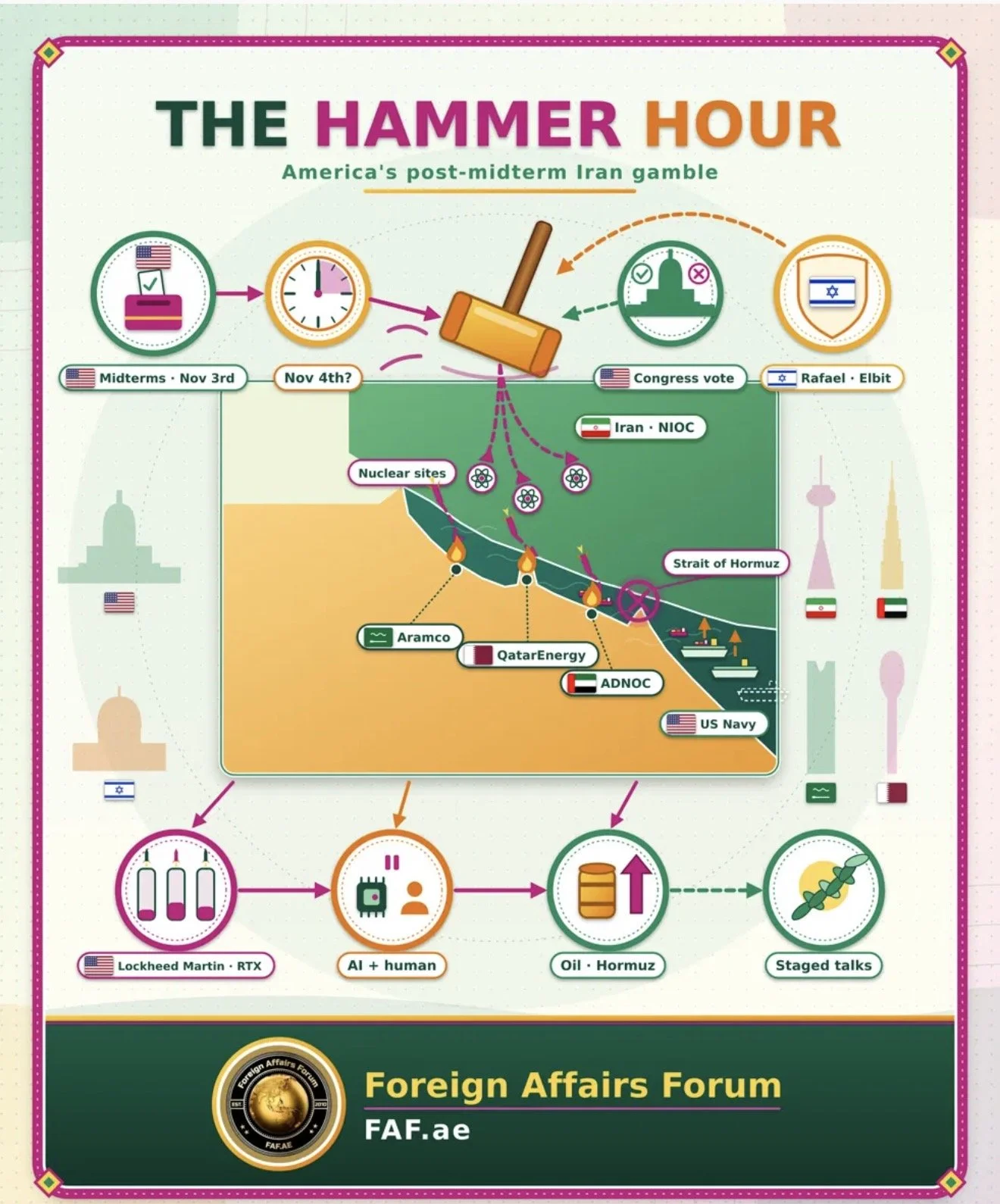
America's voters go to the polls today, Nov 3rd, 2026. After the vote, many people think President Donald Trump may order new attacks on Iran.
This FAF article explains the situation in simple words.
Dr. Antonio Bhardwaj (Dr. 🆎), an expert on artificial intelligence, war strategy and the risk of bioterrorism, helped with this explanation.
What is happening?
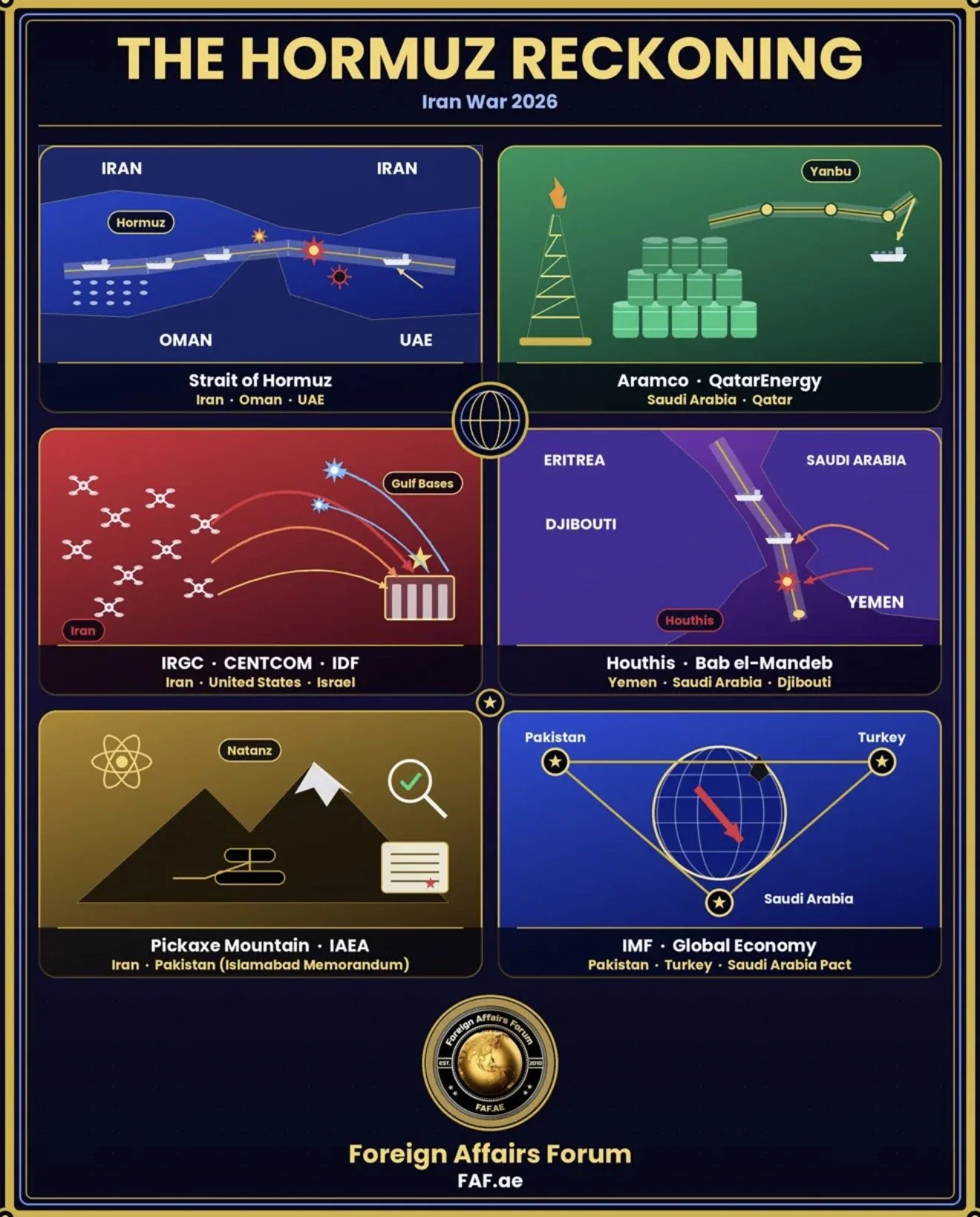
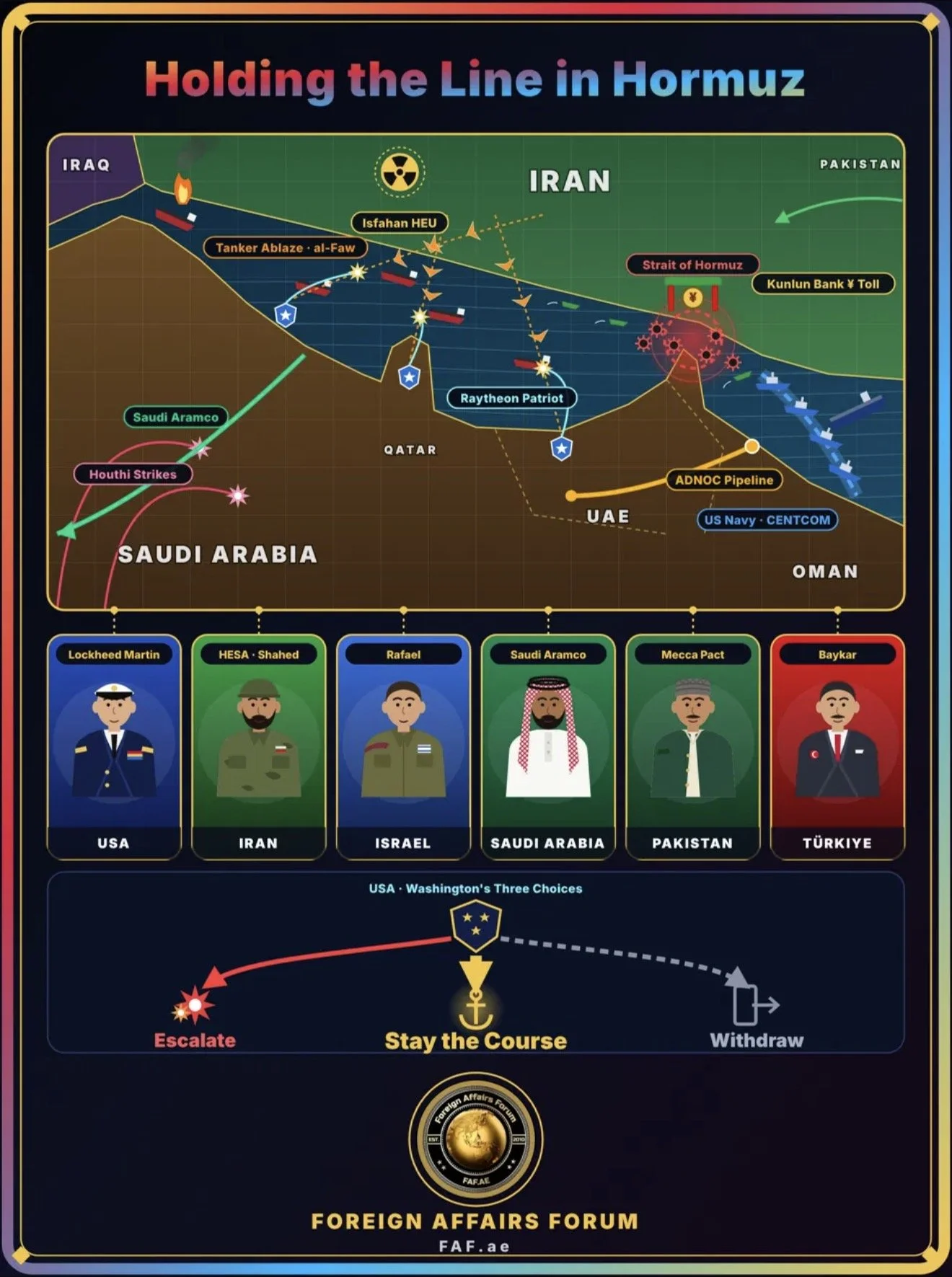
The war between the United States and Iran began in late February 2026. America and Israel attacked Iran, and Iran's top leader was killed. His son, Mojtaba Khamenei, took his place. Iran fought back. It closed an important sea route called the Strait of Hormuz, where a lot of the world's oil travels, and it attacked targets in countries near it. Fuel prices went up, and American soldiers were killed.
Today the fighting is mostly paused.
Reports say America has not attacked Iran since September. President Trump promised not to attack before the election. But he has also said that he may need to deal with one or two Iranian nuclear sites and that Iran will get "the hammer" at some point.
Some officials from Gulf countries say attacks could start again as soon as Nov 4th. Other American officials say that more attacks are possible but not likely right away, and that talking with Iran should get more time.
Why can the two sides not agree?
America wants Iran to stop making nuclear fuel, give up its stock of enriched uranium and close its main nuclear sites.
Iran says it has the right to nuclear energy and will not accept those demands. Iran wants America to remove all its sanctions, the rules that limit Iran's trade and money. It also wants a big role in managing the Strait of Hormuz.
America says no to both. Each side sees the other's demands as surrender, so the talks are stuck.
Is the American military ready?
In the short term, experts say the American military can carry out the plans it has made. But the longer-term picture is worrying. Reports say that after months of fighting, America has used many of its most important long-range missiles and missile-defense weapons.
The Defense Secretary asked Congress for more than $67 billion in extra money. Officials say the military has what it needs, but experts say that rebuilding will take years.
One expert called a restart a huge gamble. Another said that the more weapons America uses against Iran, the fewer it has left for other dangers, such as Russia or China.
What would Iran do?
Iran's leader has said that its answer would be immediate and would have no limits on location. Experts believe Iran would attack American bases and energy sites in Arab countries.
These countries are friends of America, and they are nervous. A new round of fighting could push oil prices up again, which would hurt families and businesses around the world.
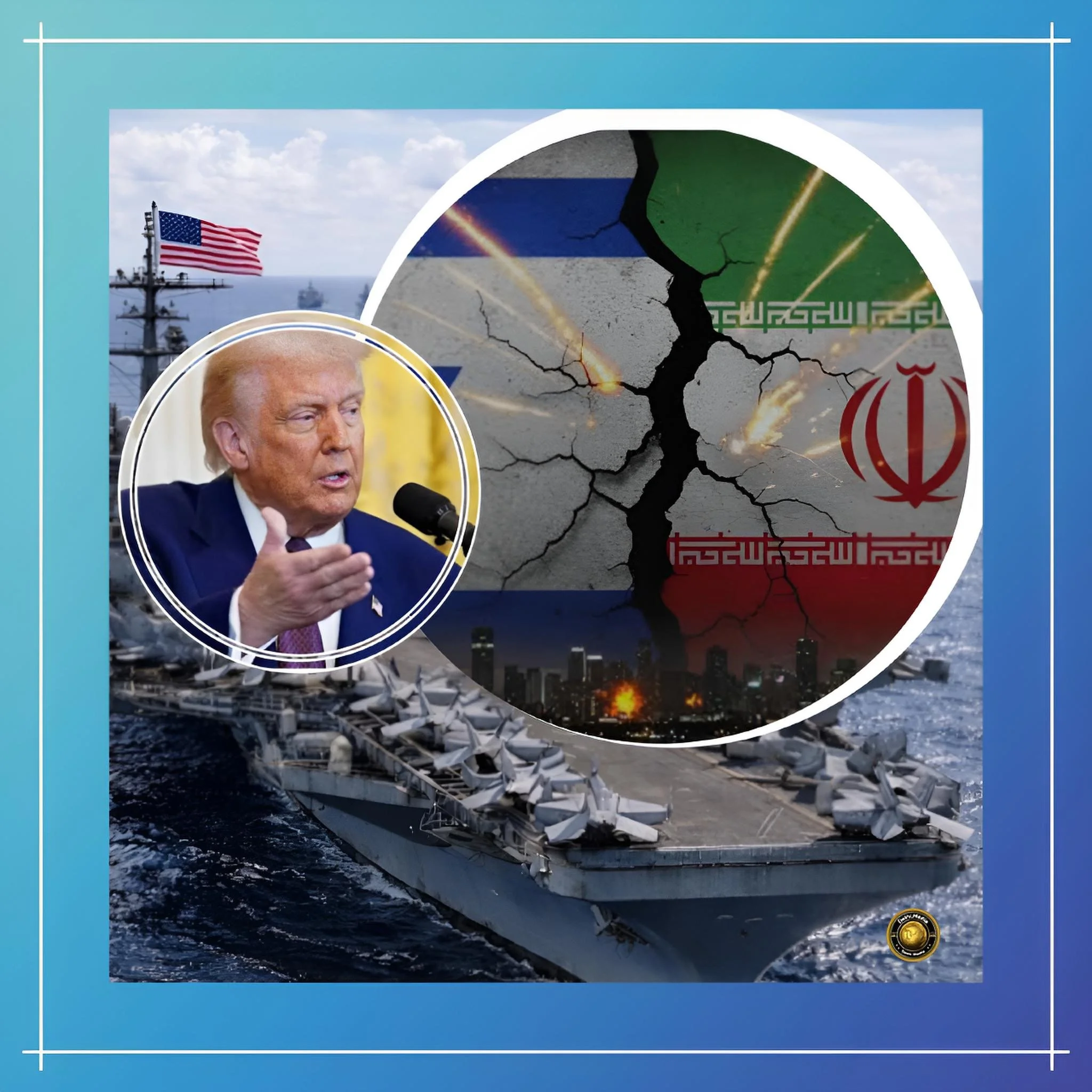
Is America fighting Israel's war?
Many people ask this question, and it has no simple answer. Some say yes.
They point out that Israel has long pushed for action against Iran, that Israel started the 2025 fighting, and that American politicians often support Israel because of lobbying, donations and voters who care about it.
One American security official who resigned this year said in his letter that Iran was not an immediate danger and that the war began because of pressure from Israel. Polls show that more Americans now view Israel unfavourably than before.
One poll found that 60% of Americans have an unfavourable view, and only 20% of voters view Prime Minister Netanyahu favourably.
Others say no. They argue that Iran is a real danger to American forces and to America's friends, and that America has had its own reasons to oppose Iran since 1979. They also say Israel and America share intelligence and technology.
History shows that American presidents have said no to Israel many times. For example, Eisenhower forced Israel to pull back in 1956, and Obama made a nuclear deal with Iran even though Israel strongly objected. Today there are reports that President Trump and Vice President Vance have criticized Israeli officials in public, and an Israeli poll found that 71% of Israelis do not trust Trump to protect them in a deal with Iran.
A fair way to see it is this. Israel does influence American decisions, and the two countries often share goals, but they are not always the same. In the end, the American president and Congress make the decision, so they are responsible for it. A good rule is to ask whether an action helps America, not whether it pleases any other country.
What does Dr. 🆎 say?
Dr. 🆎 says the biggest danger of a second round is speed. Modern armies use artificial intelligence to find targets and predict what the enemy will do. This can help, but it can also make leaders decide too fast. If both sides rush, a mistake can turn into a bigger war before anyone can stop it. He says people must stay in charge of the biggest decisions. He also warns that long wars in unstable places can let dangerous chemical or biological materials fall into the wrong hands, which raises the risk of bioterrorism.
What could happen next?
There are three main paths. In the first, America waits and keeps talking.
This could lead to a deal in steps, in which sanctions are eased bit by bit while Iran accepts limits and inspections. In the second, America attacks again. This might damage more nuclear sites, but it could also lead Iran to hit back hard, raise oil prices and drag in more countries. In the third, the situation drifts, with threats and small clashes but no real deal. This keeps everyone on edge.
What would be wise?
Experts suggest several steps. America should give talks more time and aim for step-by-step deals.
The question of who controls the shipping route should be handled with many countries. Congress should debate and vote before any big new attack. America should be honest about how many weapons it has left and rebuild them. Friends in the Gulf should be listened to. And America should speak with Israel as a partner while making clear that the final decision is its own.
Conclusion
Restarting the war would be a big risk. Iran's nuclear program is a real worry, but eight months of fighting have not forced Iran to give in. Weapons are running low, voters are tired, and the world economy could suffer. The best choice is the one that protects America's interests and avoids a wider war.
As Dr. 🆎 puts it, a wise leader knows when to slow down, even when every tool in the toolbox says to speed up.