Holding the Line in Hormuz: Why Staying the Course Is America's Least Bad Choice in Iran
Summary
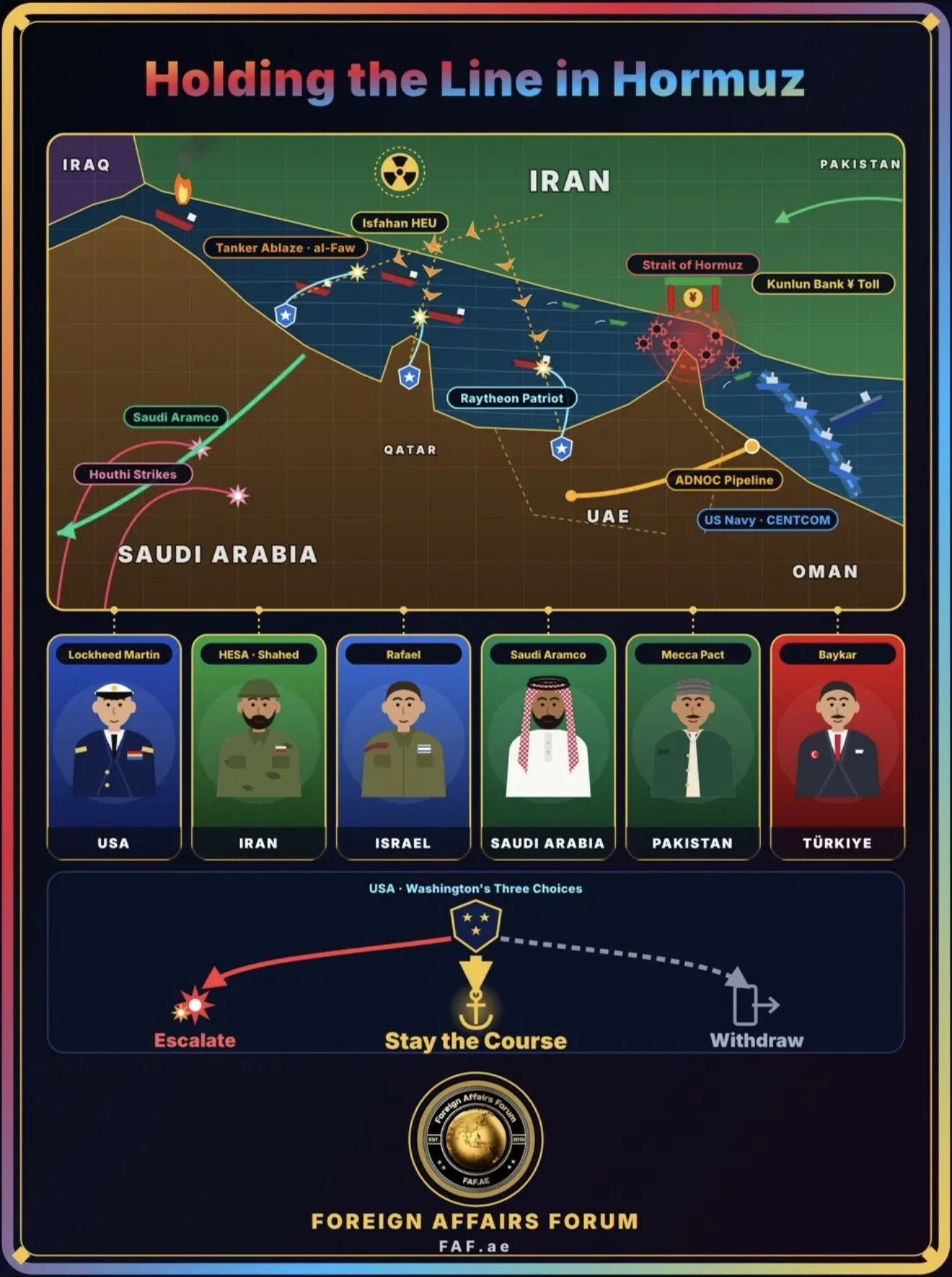
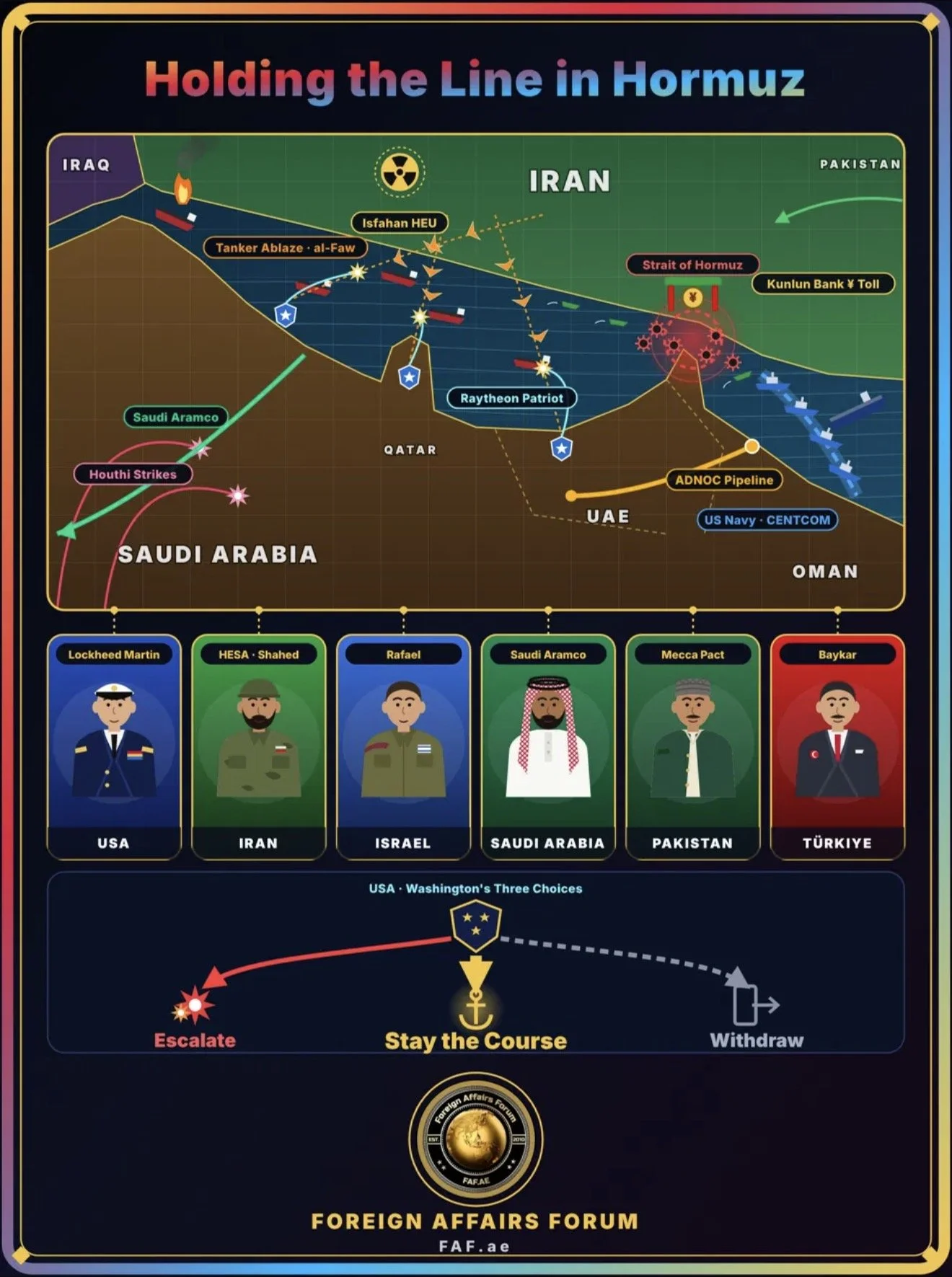
The war between the United States and Iran has gone on for eight months. It has cost America lives, money, and weapons, and it has made fuel more expensive for ordinary families. Washington now has three choices. It can hit Iran much harder, it can walk away, or it can keep up steady pressure while talking through friendly countries.
FAF article explains why the third choice, staying the course, is the safest and wisest path, even though it is slow and painful.
Introduction
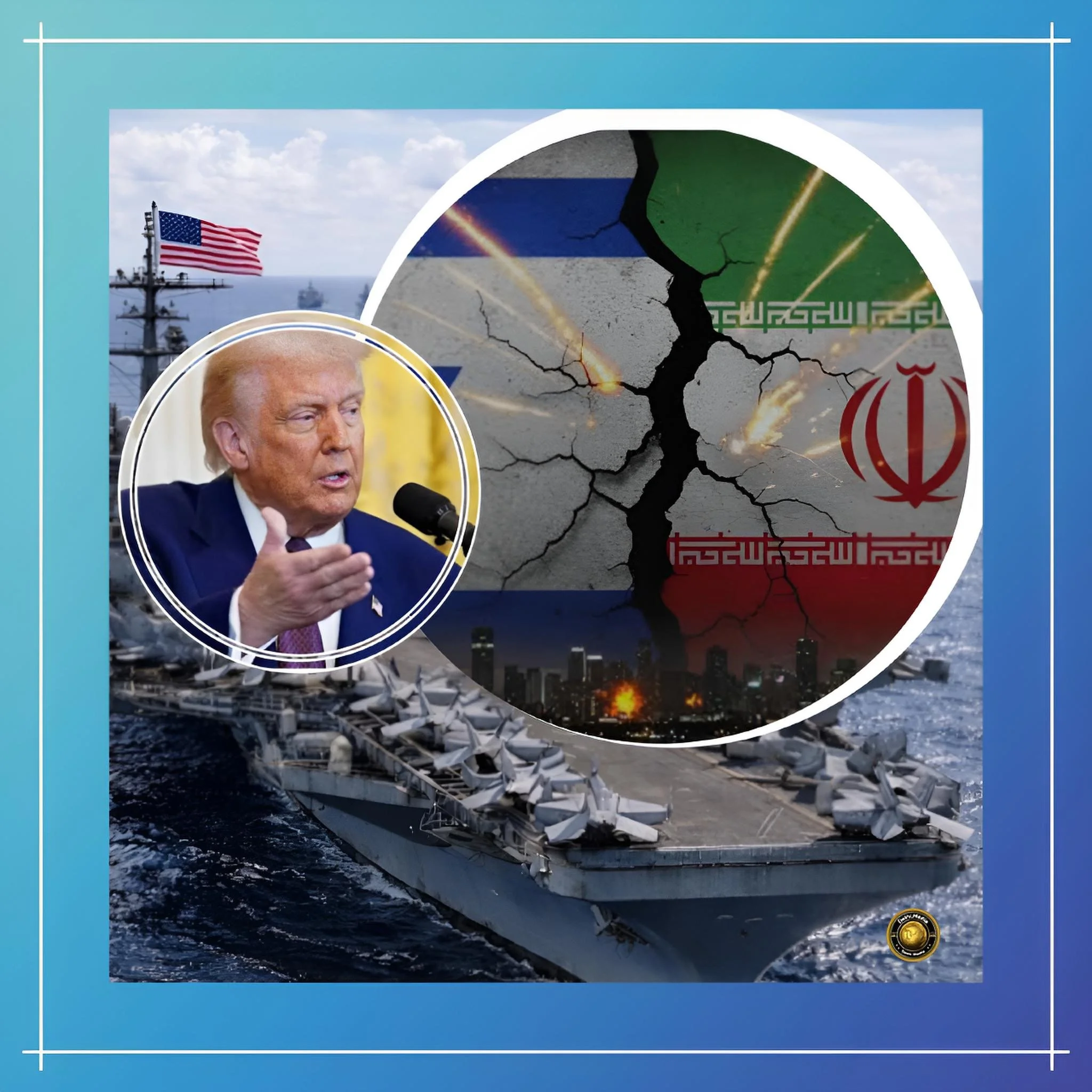
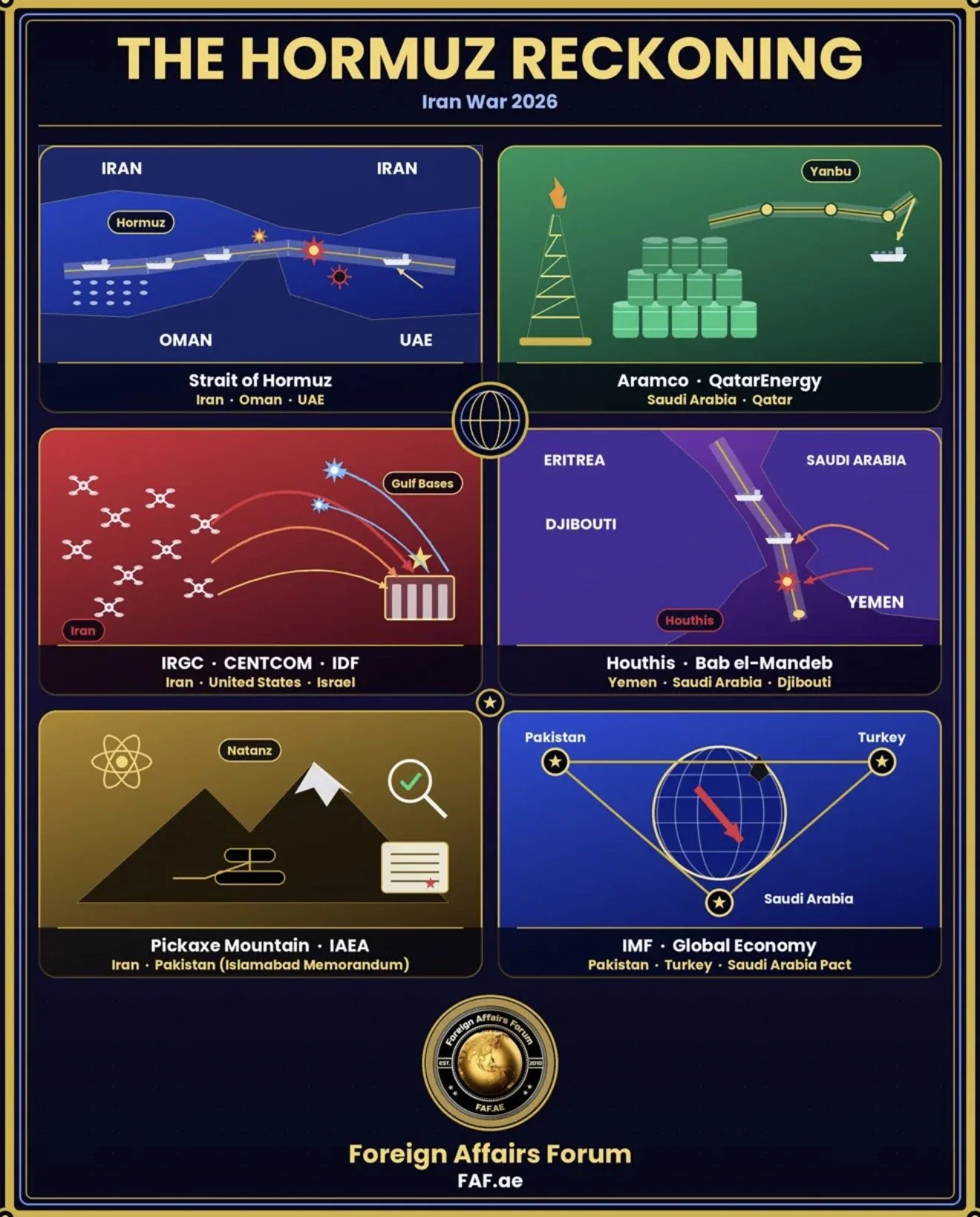
On February 28th, 2026, the United States and Israel attacked Iran and killed its Supreme Leader, Ali Khamenei. Many people in Washington expected a short war. That did not happen. Iran could not match American air power, but it found another way to fight back. It blocked the Strait of Hormuz, a narrow sea passage through which about one-fifth of the world's oil and gas used to travel.
Dr. Antonio Bhardwaj (Dr. 🆎), an expert in artificial intelligence, AI warfare, and bioterrorism risk, says the war has changed shape. "Iran is not trying to win battles," he explains. "It is trying to make the war too expensive for America to continue."
How We Got Here
The first weeks of the war badly damaged Iran.
American forces carried out more than one thousand four hundred strikes and destroyed most of Iran's weapons factories. But Iran fired hundreds of missiles and drones at Israel, at American bases, and at Gulf countries. It also closed the Strait of Hormuz to most ships.
A ceasefire began in April, and the United States then blocked Iranian ports so Iran could not sell its oil. Iran answered by charging ships a fee to pass through the strait, paid in Chinese money.
In June, both presidents signed a peace plan called the Islamabad Memorandum, with help from Pakistan. It fell apart within weeks.
Fighting returned in July, and two American soldiers were killed in an Iranian attack on a base in Jordan. Since September, Iran has said it will not talk unless America first accepts seven conditions, including ending the blockade, releasing frozen Iranian money, and lifting sanctions. America says Iran must open the strait first. Neither side will move first.
What Is Happening Now
In the past few weeks, tensions have risen again. Iran's Revolutionary Guard says it will now attack first, not just defend, if America strikes again. It claims to have more and better missiles than before.
Iranian forces recently hit several oil tankers, and other ships struck sea mines. A ship caught fire near Iraq on October 26th. Yemen's Houthi fighters have fired missiles at Saudi Arabia, and America has told some of its diplomats to leave the kingdom.
Oil prices jumped above $110 a barrel last week.
Meanwhile, Saudi Arabia, Turkey, and Pakistan sent leaders to Tehran to try to calm things down.
American officials say they will not launch a big new attack before the US elections on November 3rd, but forces are ready to act within ninety-six hours if ordered.
The Costs So Far
The war has been expensive. More than twenty American service members have died, and hundreds more have been wounded.
Nearly 100 American aircraft have been lost or damaged. The cost reached about $38 billion by August and keeps rising by $2 billion to $3 billion every month.
America has also used up many of its missile-defense weapons. Some of these cost about $4 million each, while the Iranian drones they shoot down may cost only a few thousand dollars.
Dr. 🆎 calls this the war's hidden problem. "When a cheap drone forces you to fire an expensive missile, the cheaper side slowly wins," he says.
At home, prices are rising. Inflation reached 3.7% in September, and gasoline costs more than 34% above last year. Most Americans now say the war was not worth it.
The Three Choices
The first choice is to escalate, meaning a much bigger attack, possibly to bring down Iran's government.
Israel supports this. But it is very risky. Iran could strike Gulf oil fields and cities.
America's missile defenses are already stretched. And if Iran's government collapsed, no one might control its nuclear material.
Dr. 🆎 warns that a broken Iran could let dangerous weapons, including nuclear and biological materials, fall into the wrong hands.
The second choice is to withdraw and make a deal on Iran's terms.
This would lower fuel prices and stop American deaths. But it would let Iran control one of the world's most important sea routes. It would also give Iran money without proof that it has stopped its nuclear work. America's friends in the Gulf would stop trusting it, and rivals such as China and Russia would see America as weak.
The third choice is to stay the course.
This means keeping the blockade, protecting ships, and talking through countries like Pakistan, Qatar, Saudi Arabia, and Turkey until Iran agrees to a deal that can be checked. It is slow and costly, but it keeps America's bargaining power without risking a much bigger war.
What America Should Do Next
To make this plan work, America should take five steps.
First, it should build cheaper ways to stop drones, such as laser weapons and low-cost interceptors.
Second, it should ease the pain at home by releasing oil reserves and helping Gulf countries ship oil through pipelines that avoid the strait.
Third, it should offer a step-by-step deal in which each side gives something at the same time, with trusted countries holding money and checking promises.
Fourth, it should keep Israel from launching attacks on its own.
Fifth, it should prepare plans to secure Iran's nuclear and biological materials if the government there weakens.
Dr. 🆎 adds that technology must play a central role. "AI can watch supply chains, track ships, and spot unusual activity at labs far faster than humans," he says. "That is how we prevent the worst outcomes."
Conclusion
There is no easy way out of this war. Hitting harder could set the whole region on fire. Walking away would reward Iran and weaken America everywhere. Staying the course is hard, but Iran's economy is collapsing faster than America's.
As Dr. 🆎 puts it, "Patience is not doing nothing. It is using time as a weapon." If Washington stays steady and smart, the strait can reopen on terms that are safer for America and the world.