Beginner's 101 Guide: The Iran War Explained Simply: Seven Months That Changed the Middle East and the World
Summary
The war between Iran and the alliance of Israel and the United States began on the 28th of February 2026, and it is still going on.
At the start, American and Israeli forces struck Iran from the air.
They killed Iran's Supreme Leader, Ali Khamenei, on the very first day.
They wanted to destroy Iran's nuclear programme and its missiles, and many people in Washington and Jerusalem hoped the Iranian government would collapse or give in quickly. That did not happen. A few days later, Iran chose Khamenei's son, Mojtaba, as the new leader, and the government carried on with the same tough attitude as before.
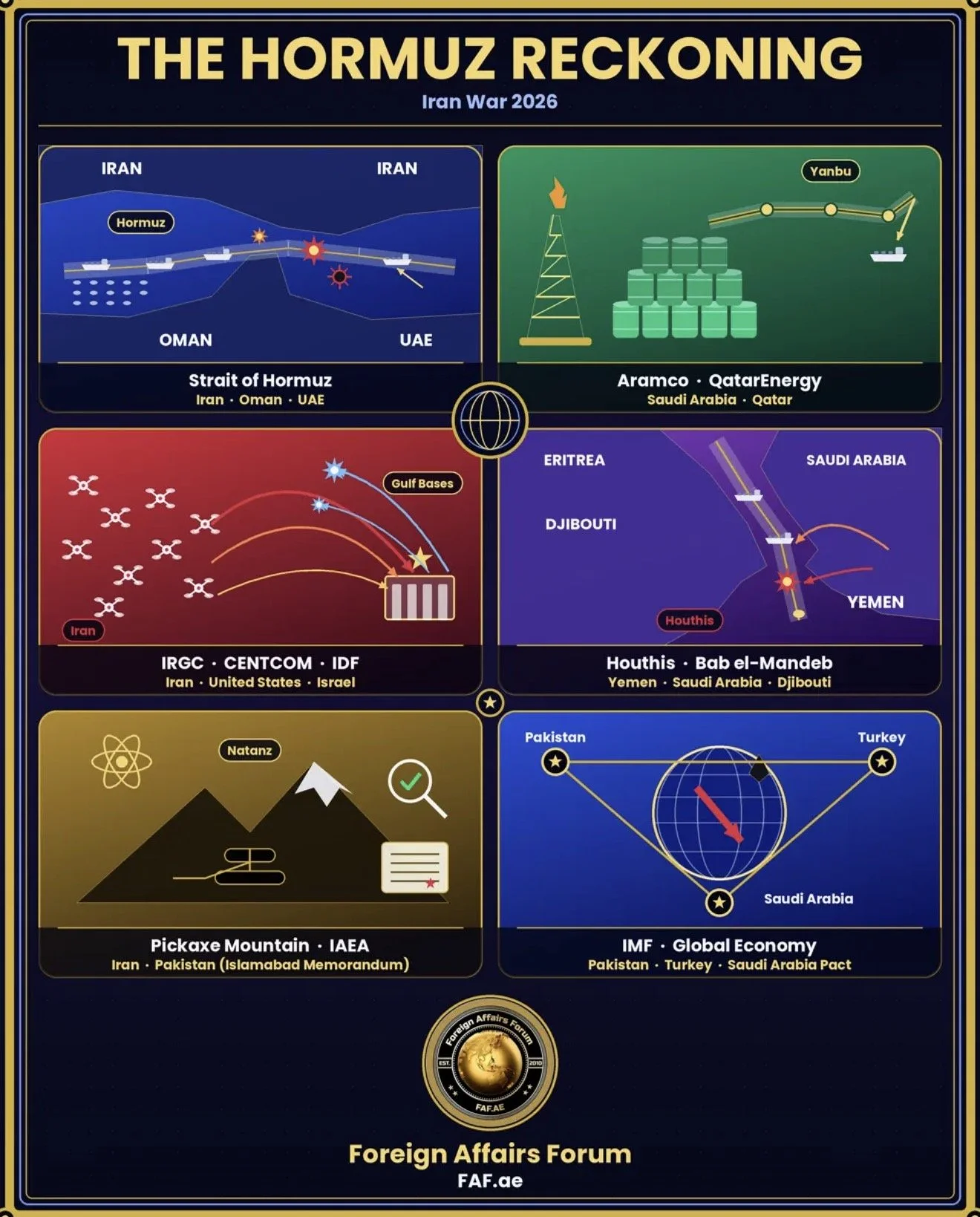
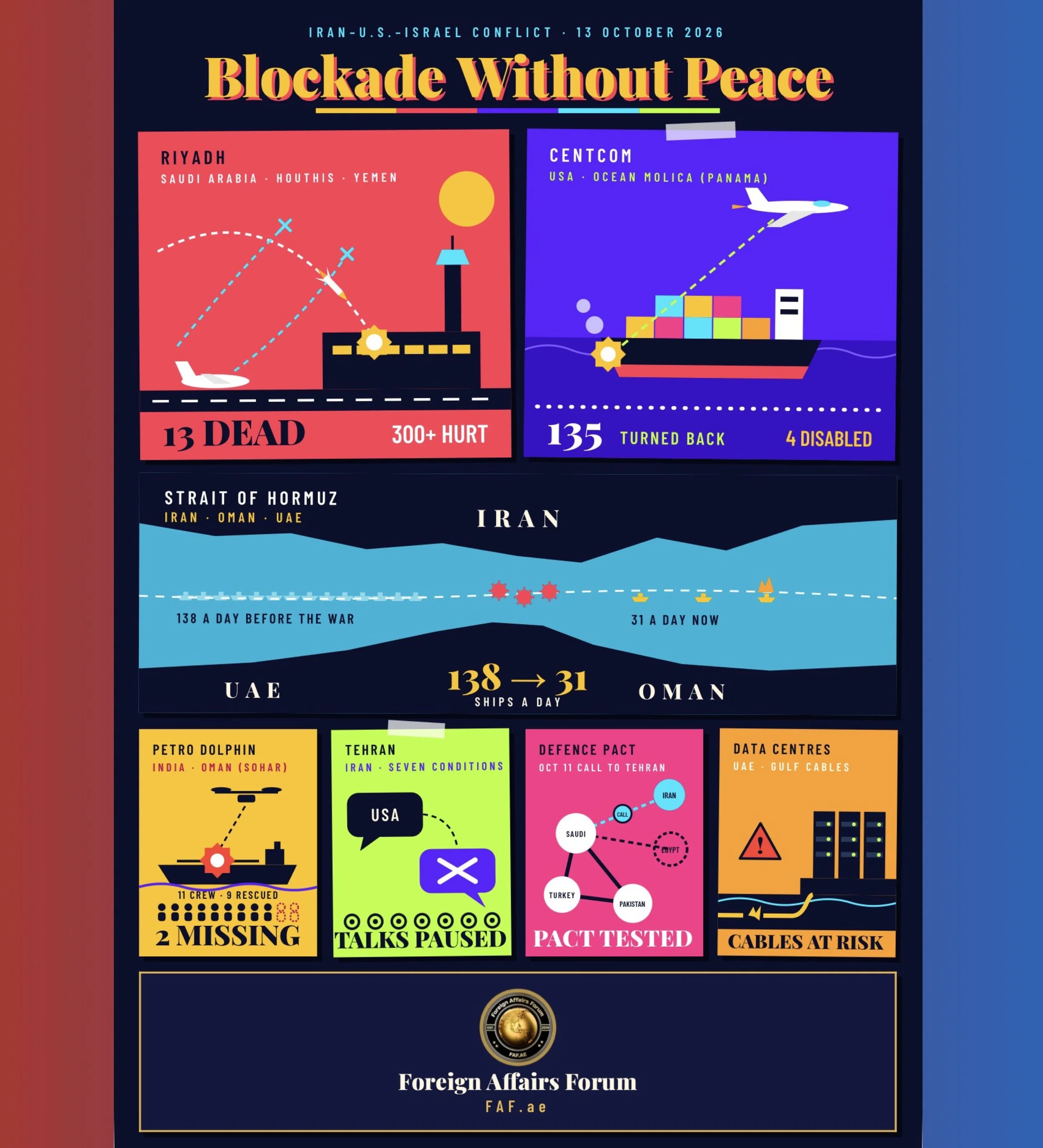
Iran answered the attack with missiles and drones. It fired at Israel, and it also hit places in the Gulf region that host American soldiers, including Jordan, Iraq and several Arab countries. Then it did something that shook the whole planet. It closed the Strait of Hormuz, a narrow stretch of sea between Iran and the Arabian Peninsula. Before the war, about one fifth of the world's oil travelled through this passage. When ships stopped, oil prices rose, and the cost of fuel, food and shipping went up in countries that were nowhere near the fighting.
Several attempts to end the war have failed.
In April, Pakistan helped arrange a two-week ceasefire and talks in Islamabad.
The two sides could not agree about Iran's nuclear programme, because the United States wanted Iran to stop enriching uranium for many years, and Iran said it had the right to enrich.
In June, the American and Iranian presidents signed a peace framework called the Islamabad Memorandum. It fell apart in July because nobody checked whether each side was keeping its promises, and the fight over who controls the Strait of Hormuz started again.
Where do things stand now?
In the middle of October, at least ten ships were hit near the strait in a single week, and one container ship sank. Iran is reported to be strengthening its underground nuclear sites, and the American president has threatened to hit a mountain complex called Pickaxe Mountain. He has also said America will not attack Iran before its own elections on the third of November.
Meanwhile, Iran's friends in Yemen, the Houthis, have declared a blockade against Saudi Arabia and have taken control of much of Yemen's Red Sea coast. That worries everyone, because the Red Sea is another vital route for world trade.
The effects are being felt far away.
The International Monetary Fund said the war has slowed the world economy, cutting its growth forecast to 3.1% for 2026 and raising its inflation forecast to 4.4%. Poorer countries that must import fuel suffer the most, because they have little money to protect their people from rising prices.
The war has also cost the United States a great deal, with the Pentagon estimating $43.6 billion in spending by September and many aircraft and drones lost or damaged. The conflict has put pressure on stocks of weapons that America would also need in other parts of the world.
The war has also changed how countries in the Gulf think.
For years, Saudi Arabia, the United Arab Emirates, Qatar and their neighbours believed that hosting American bases would keep them safe. Instead, they were attacked, and their economies, from oil exports to tourism, took heavy damage.
Now they are looking for more friends and more protection. Saudi Arabia has grown closer to Pakistan and Turkey, and leaders across the region are talking more openly with China and with one another. They still need American weapons, but they no longer assume America will always shield them.
Dr. 🆎, an expert in artificial intelligence and modern warfare, says there is a deeper lesson in all this. Cheap drones and missiles can now threaten expensive ships and global trade. A weapon that costs a few thousand dollars can force a country to use up a defensive missile that costs far more. Dr. 🆎 warns that when machines make decisions faster than people can think, a small mistake can become a big war, and he adds that long conflicts also raise the danger of other threats, including biological ones, because rules and controls weaken when states are at war.
What could happen next?
Experts say the best hope is a new agreement with real checking and monitoring. That would mean international inspectors in Iran's nuclear sites, observers watching ships in Hormuz, and a clear way to settle disputes before they turn into fighting.
Countries that buy oil should build bigger emergency reserves and find new routes. And the world should agree on basic safety rules for AI and autonomous weapons, such as hotlines between governments and a promise to keep humans in charge of the most serious decisions.
The world that existed before the twenty-eighth of February 2026 is not coming back. Oil routes are seen as fragile, alliances are being tested, Gulf countries are making new friends, and cheap technology has changed what power looks like.
Dr. 🆎 believes this can still become a turning point toward a safer world, but only if leaders act on the lessons now rather than waiting for the next crisis. The war is a warning, and the most important question is whether anyone is listening.
Dr. 🆎's remarks in both pieces are drafted as commentary in his voice, so please review them before publication.