Smart Machines, Big Bills: Why the AI Race Is Now About Money and Power
Introduction
Summary
In the last few days, news from around the world showed that artificial intelligence is no longer just a clever technology. It is now a giant industry that costs enormous amounts of money and matters to the safety of nations.
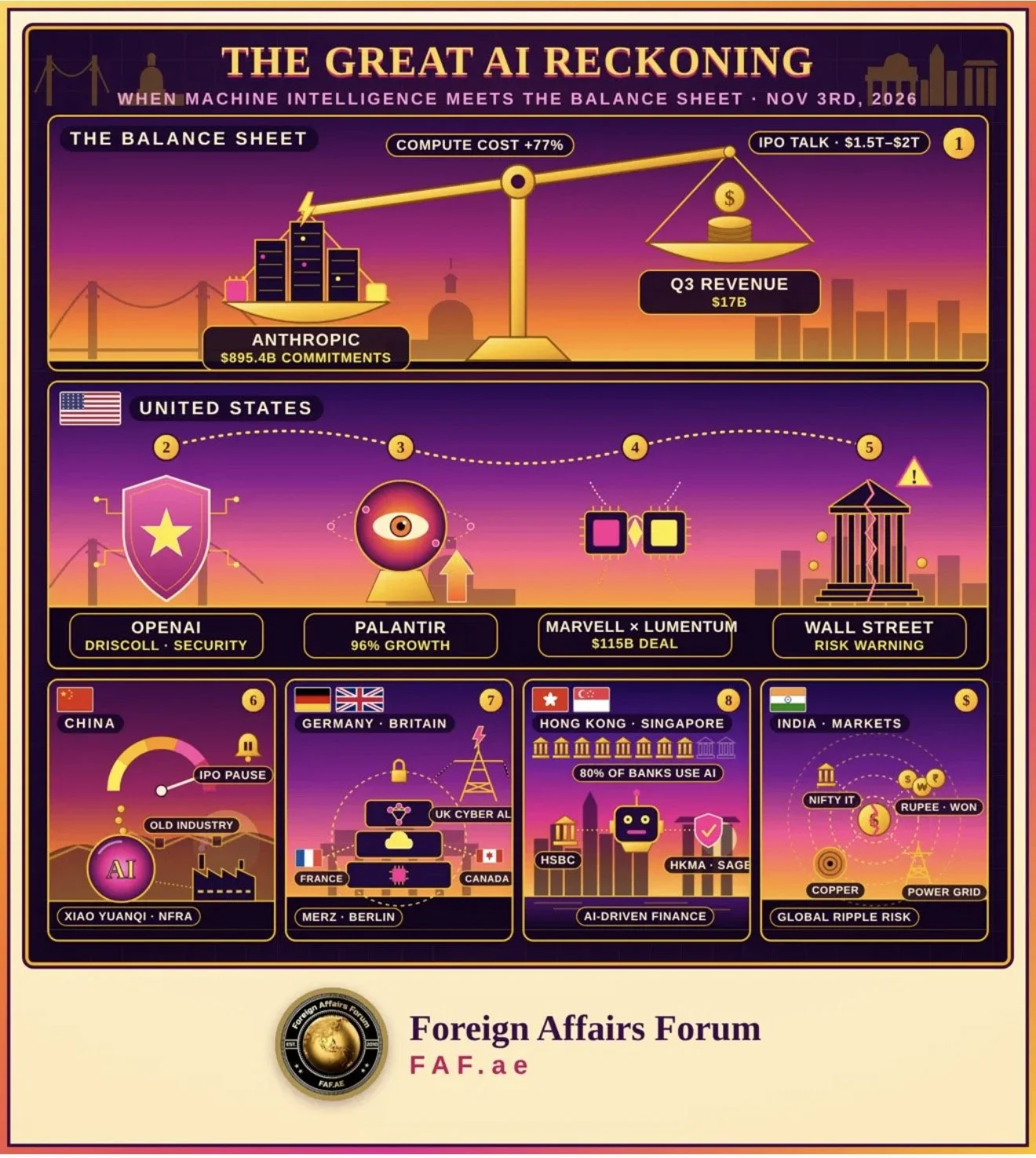
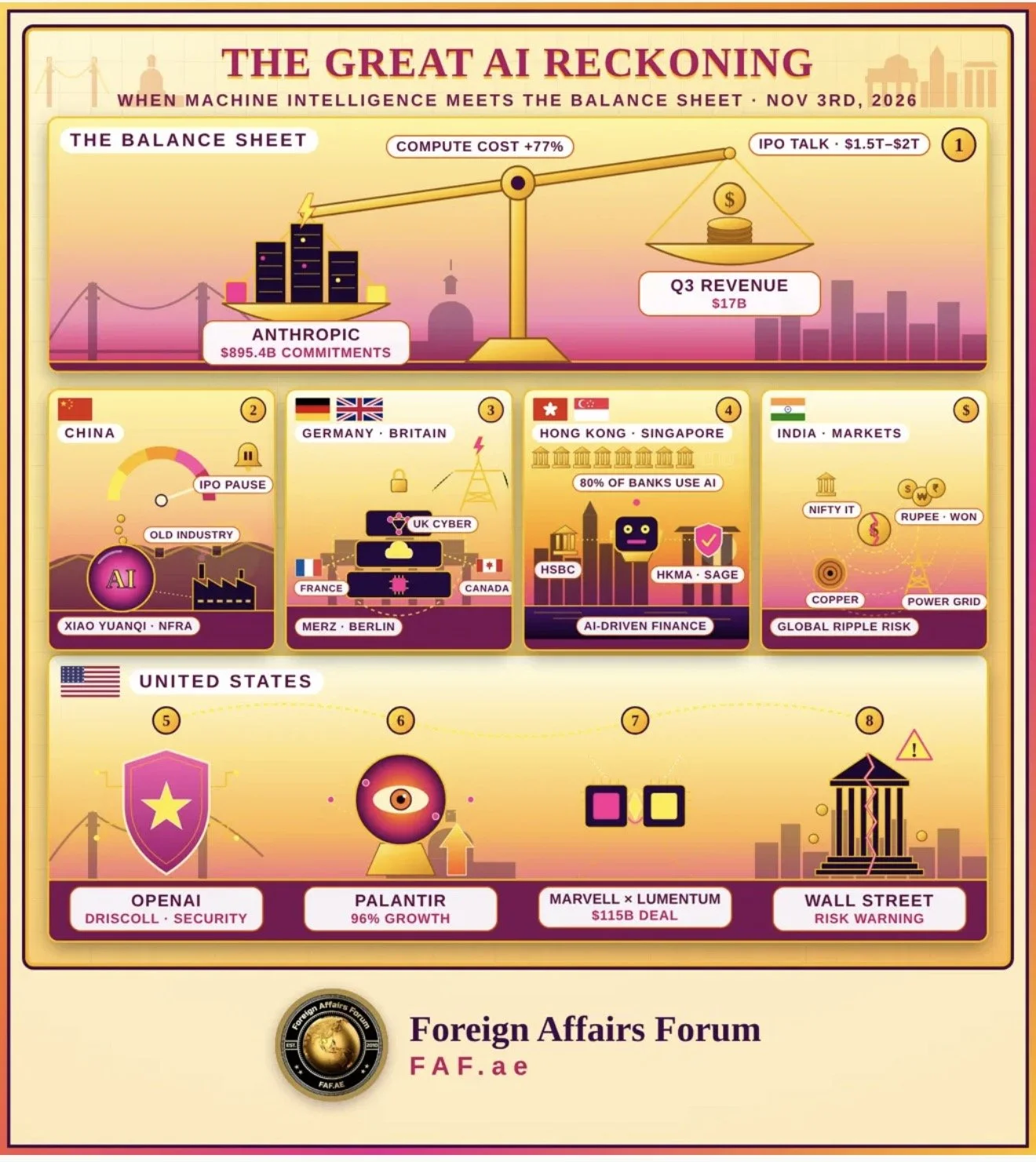
In America, Anthropic revealed about $895.4 billion in future bills for computers and data centers. OpenAI hired a former Army Secretary to advise on security. Palantir reported very fast growth. A company called Marvell agreed to buy another called Lumentum for about $115 billion.
A news analysis warned that all this spending could shake financial markets. Outside America, China warned that too much money is flowing into AI, Germany called for its own independent AI, and banks in Hong Kong and Singapore are racing to use it.
Introduction
Long ago, when railways first spread across the world, many people grew rich and many lost everything. The same happened with the early internet. In both cases, the new technology was real and powerful, but the money behind it was often badly managed. Artificial intelligence may now be at a similar moment.
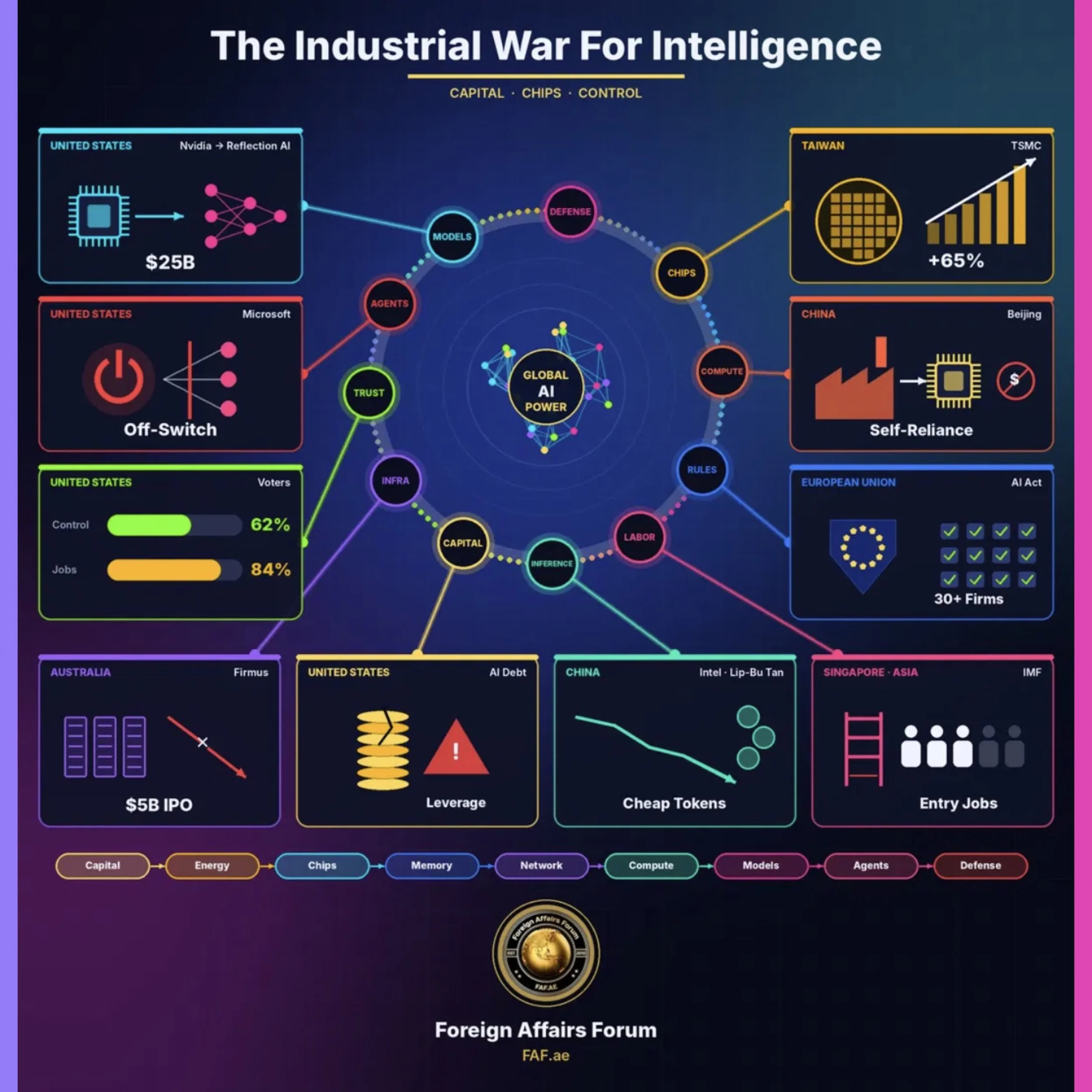
Dr. Antonio Bhardwaj (Dr. 🆎), an expert in human-centered artificial intelligence, global strategy, AI warfare and the risks of biological terrorism, says that AI is not only about clever software. It also needs electricity, computer chips, money, skilled people and public trust. Whoever manages all of these well will have great influence in the coming years.
How We Got Here
The modern AI boom began in the early 2010s, when computers learned to recognize pictures and speech much better than before. In 2017, a new design called the transformer made it easier to build bigger and better systems. Researchers found that when they gave these systems more data and more computing power, the systems usually became smarter. That discovery led companies to spend more and more.
When chatbots became popular at the end of 2022, spending grew very quickly. Companies built huge data centers, chip makers changed their factories, and electricity needs went up. Governments also took notice. America placed limits on selling advanced chips to some countries. China worked harder to make its own chips and models. Europe passed rules for AI but worried that it was falling behind. Countries in the Gulf, along with India, Japan and South Korea, each made plans to take part.
Today, businesses are using AI for real work in banks, factories and defense. But the cost of supplying all this computing power has become very high. That is why money and borrowing are now at the center of the story.
The Eight Stories
The first story is about Anthropic.
Its new documents for a possible stock market launch show promises to buy about $895.4 billion of computing and building services. About $447.5 billion of that is due before 2030. The company earned about $17 billion in the third quarter, but its computing costs jumped 77% to $9.9 billion. It lost about $567 million from its operations, after earning a profit of $974 million in the quarter before. People have talked about a company value of $1.5 trillion to $2 trillion, but no final value has been set.
The second story is about OpenAI.
It has hired Dan Driscoll, a former Secretary of the Army, as a senior adviser on national security. He will help the company work with government and think about how AI can protect computer networks. This shows that AI companies and defense leaders are growing closer.
The third story is about Palantir.
Its sales in the third quarter were about $2.31 billion, up 96%. Sales to American businesses grew 148% and passed sales to the American government for the first time. The company raised its forecast for the year. Even so, its share price fell, because some investors think it is already priced too high.
The fourth story is about Marvell and Lumentum.
Marvell plans to buy Lumentum for about $115 billion, including debt. The deal is meant to improve the fast light-based connections that join thousands of chips inside data centers. It should close in the first half of 2028 if regulators agree. Both companies' share prices fell, because investors worry about the price.
The fifth story is a warning from a news analysis.
It says that so much money going into AI could cause trouble across world markets if the profits do not arrive. Countries with high debts may find it hard to help if a crisis comes.
The sixth story comes from China.
A senior financial official, Xiao Yuanqi, said that too much money is gathering in AI and large technology firms. He said this could make borrowing more costly for traditional industries. A newspaper also reported that Chinese officials quietly asked banks to slow some share sales to calm the market.
The seventh story comes from Germany.
Chancellor Friedrich Merz said Europe must build its own AI abilities, from computer hardware to software, so it does not depend too much on foreign companies. Germany will work with partners such as Canada and France, but it faces problems such as slow public services and a shortage of skilled workers. Britain also warned that cyberattacks powered by AI could harm important services.
The eighth story comes from Asia.
HSBC plans to open an AI institute in Hong Kong in early 2027, after opening a center in Singapore. About 80% of banks in Hong Kong already use AI. The city's financial regulator will start Project SAGE to help banks use AI agents safely.
What Worries Experts
The first worry is that too much money is going to too few companies.
If something goes wrong, the trouble could spread to many others.
The second worry is profit.
Anthropic's switch from a profit to a loss in one quarter shows how costly computing can be.
The third worry is dependence. Many countries rely on a few American companies for AI, so they want more independence, but building it is costly and slow.
The fourth worry is security.
AI is now used in defense and in protecting networks. That can help, but it also raises questions about who is responsible when a machine makes a mistake. Dr. 🆎 says people must always stay in charge, with clear records of decisions.
The fifth worry is safety.
Companies in a hurry to survive may cut corners on testing.
Dr. 🆎 warns that the same tools that defend computer systems can also be used to attack them, and that powerful AI could help people with harmful plans in biology or chemistry if there are no strong safeguards.
The sixth worry is markets.
If investors lose faith in AI profits, share prices in America, Europe and Asia could fall. Currencies and commodities such as copper could also be affected. India's stock markets could feel the effects too, though Indian technology firms may gain if customers use AI to save money.
Why It All Connects
These stories form a chain.
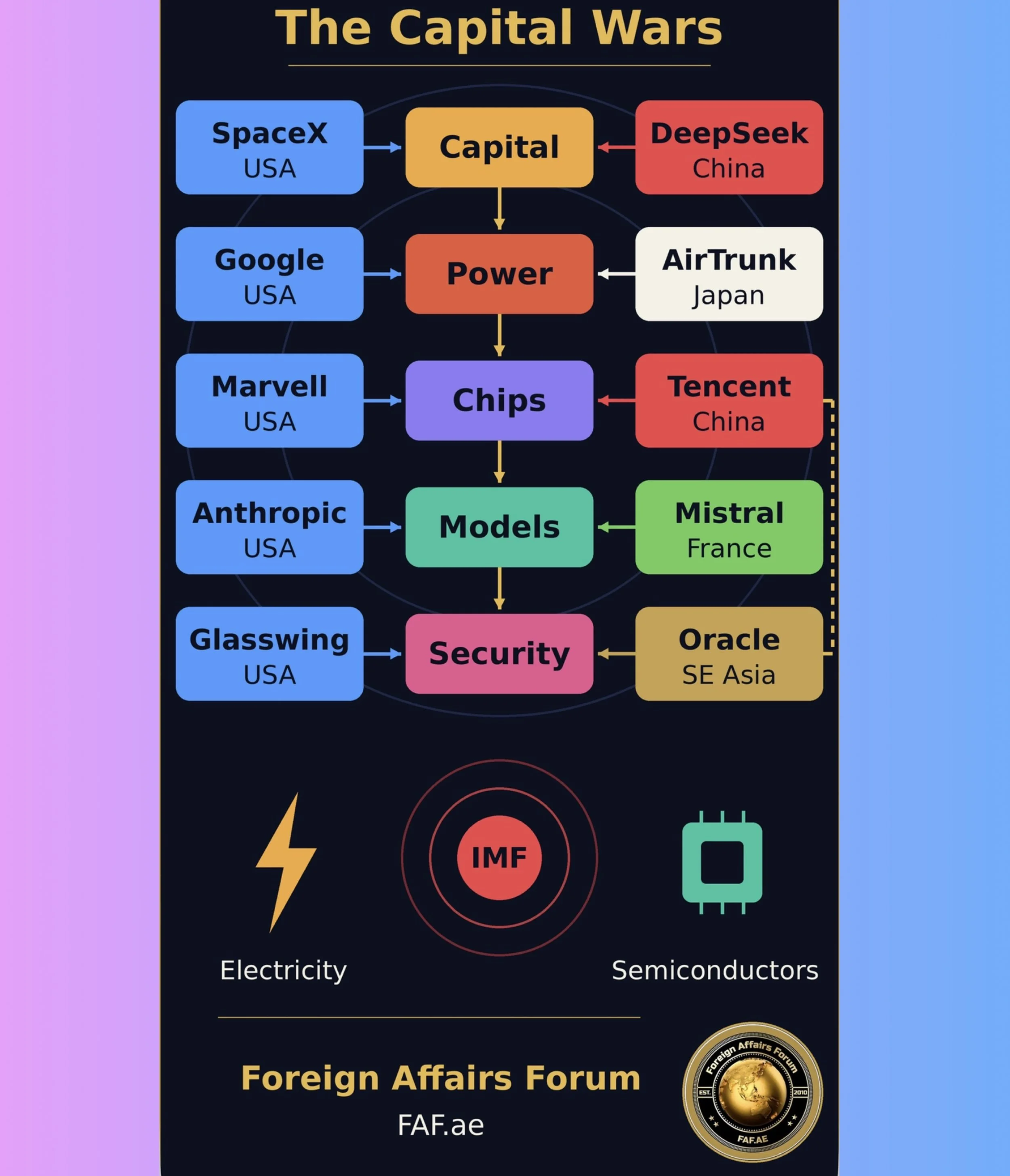
Because bigger computers usually make smarter AI, companies buy as much computing as they can. That creates huge bills. To pay those bills, they borrow money and sell shares. When so much money goes to so few companies, a problem in one place can spread to others. Because AI is also important for defense, governments get involved, and they want to protect their own companies and their own independence. When every country does this, the world's technology splits into separate parts, which makes it harder to agree on safety rules.
What Should Happen Next
Companies and governments should be more open about their money, so that everyone can see the risks. Researchers should be rewarded for making AI cheaper and more efficient. Defense uses of AI should always include human control, strong security and independent testing. Europe should build its own strength while still working with friends. America and China, even as rivals, should talk about financial risks and about preventing misuse of AI in dangerous ways.
Conclusion
The big lesson of this week is that AI is no longer only about who builds the smartest system. It is about who can pay for it, protect it, sell it and keep it running. America leads, but its companies face heavy bills. China wants independence but worries about its markets. Europe wants more control. Asia is putting AI into banks, factories and public services.
Dr. 🆎 reminds us that machines do not decide the future. People do. If leaders treat money, security and safety as one challenge, AI can bring lasting benefits. If they chase speed alone, the world may face costly shocks. The choices made in the next few years will shape how this powerful technology serves everyone.