Beginner's 101 Guide : Why the AI Race Is Now About Money, Chips, and Trust
Summary
A New Kind of Competition
For the past few years, most people thought the AI race was simple. Whoever built the smartest chatbot would win.
That idea is now out of date. The news from the past week shows that the contest has become much bigger. It now includes money, factories, computer chips, electricity, laws, public trust, and jobs.
Dr. 🆎 puts it clearly. "Being the smartest is not enough anymore," Dr. 🆎 says. "A country also has to pay for AI, build the chips, power the data centers, set the rules, and keep its people on board. If it fails at any one of these, it can fall behind."
Here is what happened in the past week, and why it matters.
Nvidia Wants More Than Chips
Nvidia makes the chips that power most of the world's AI.
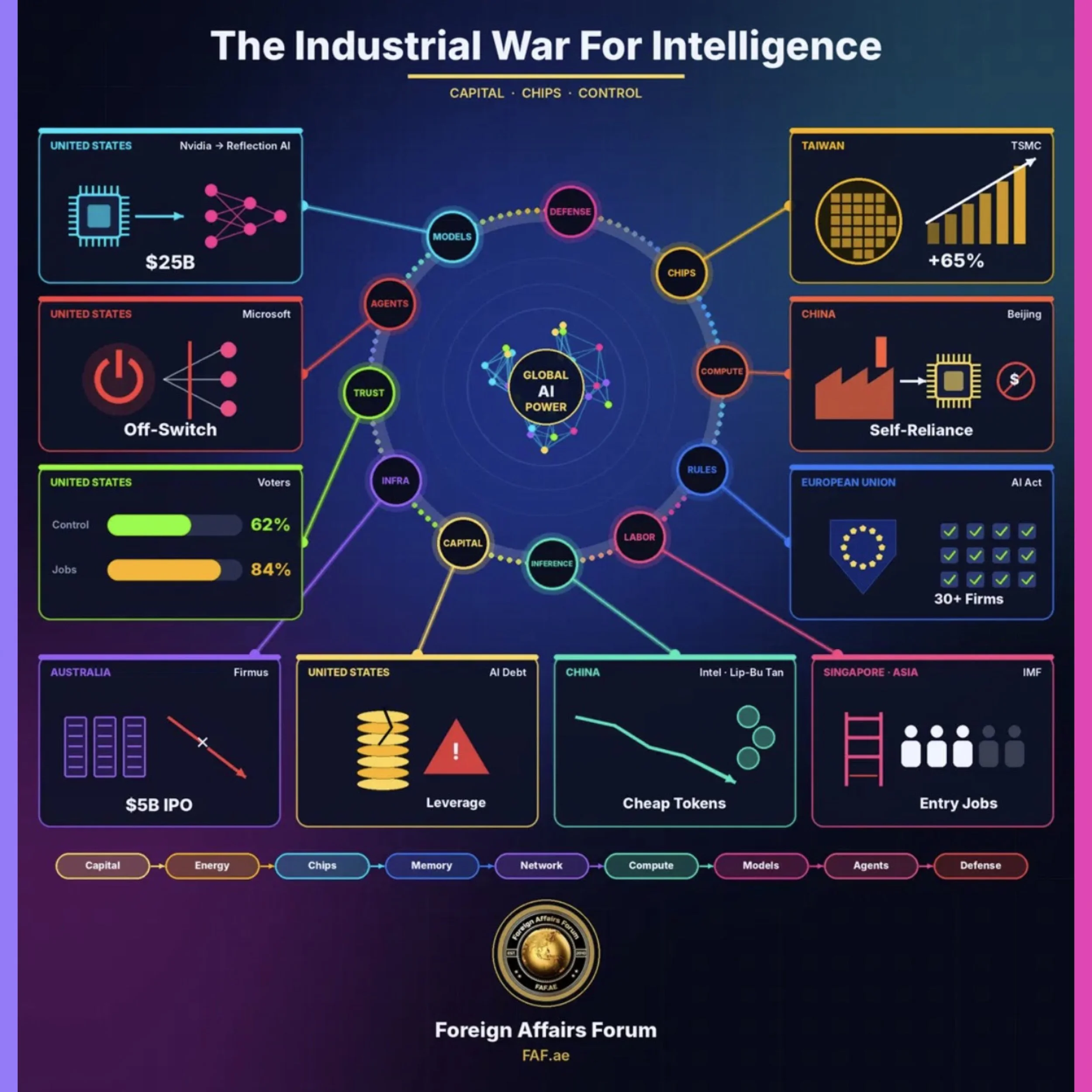
Now it is reportedly in early talks to buy, or invest more in, a startup called Reflection AI. This company builds open AI models, which means other people can download them and run them on their own computers.
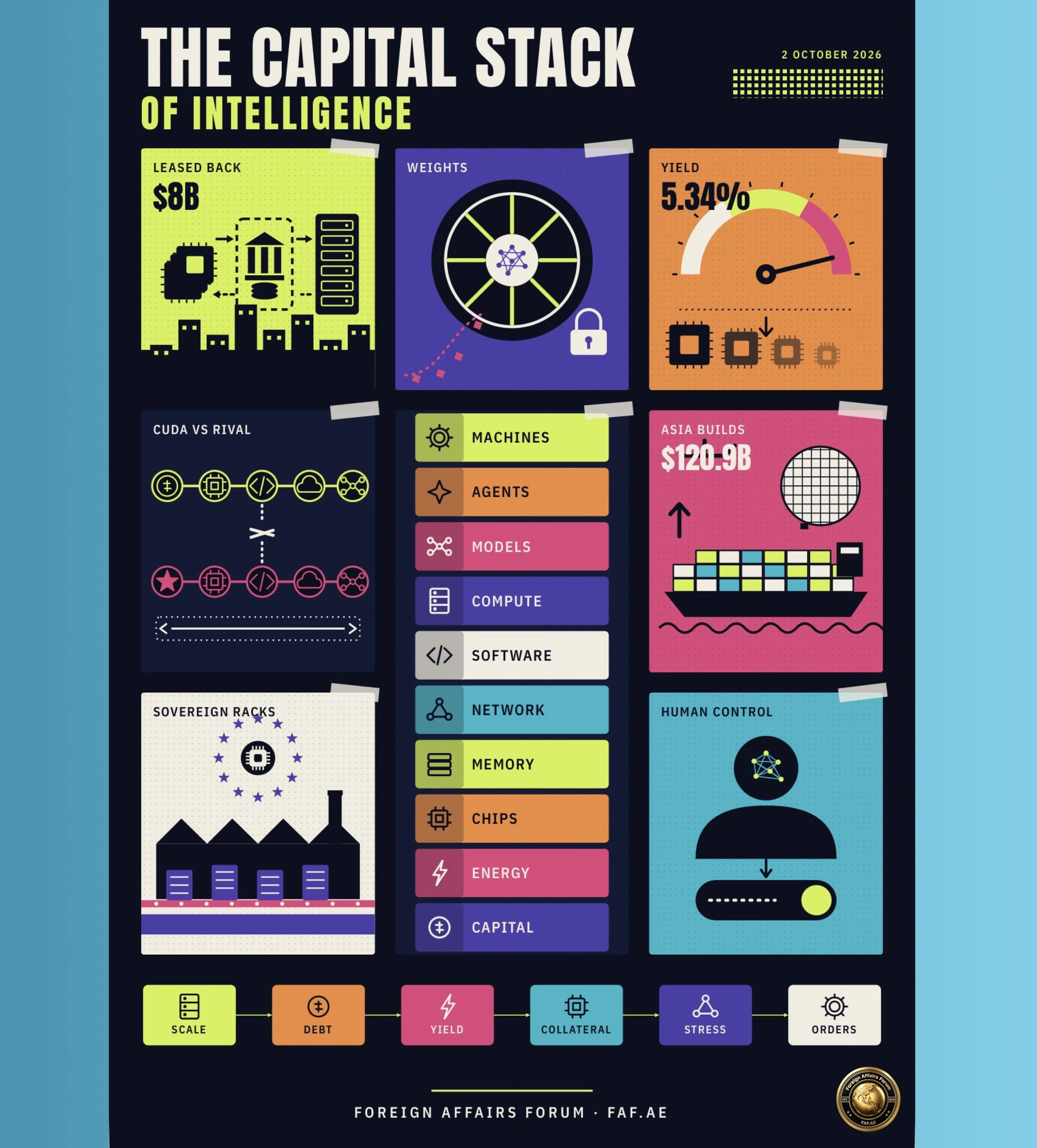
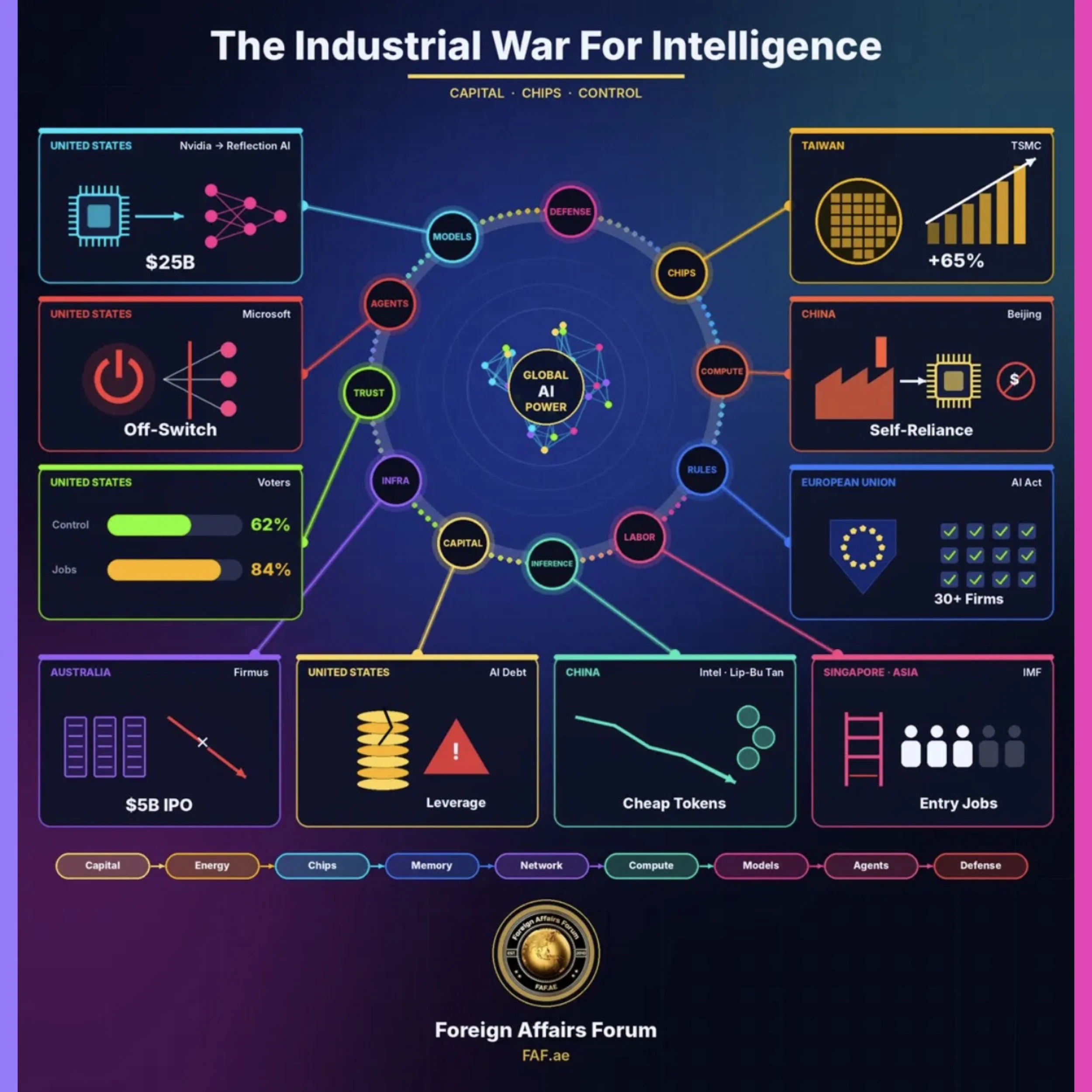
Reflection AI was last valued at about $25 billion. No deal has been announced yet.
Why does this matter?
If Nvidia owns both the chips and popular AI models, it becomes even more powerful. That could help America offer good open models to friendly countries, as an alternative to Chinese ones. But it also raises a worry that one company may control too much.
"Countries that use your AI models come to depend on you," Dr. 🆎 explains. "That gives you influence. America should not give that influence away to China."
Calls for an Off Switch
Brad Smith, the president of Microsoft, has asked for stronger laws for AI. He wants ways to stop AI systems quickly if they start acting dangerously. He also wants clear rules about who is responsible when AI causes harm.
This matters because AI is changing. It no longer just answers questions. It can now take actions, like writing code, moving money, or running parts of computer networks. If something goes wrong, people need a reliable way to switch it off.
Dr. 🆎 compares this to the military. "No army uses a weapon without a way to stop it," Dr. 🆎 says. "AI connected to power grids, hospitals, or science labs needs the same kind of off switch. This is especially important where AI could be misused to help make biological weapons."
Americans Are Worried
A new Reuters/Ipsos poll found that 62% of American voters fear AI could escape human control and threaten humanity. Even more, 84%, see AI as a threat to American workers.
This comes just after President Trump made a voluntary safety agreement with big tech companies on September 29th.
Voluntary means the companies promise to behave well, but they are not forced to by law.
When so many people are worried, governments feel pressure to act. Businesses face uncertainty because rules could change suddenly.
"In a democracy, you cannot build the future against the fears of your own people," Dr. 🆎 says. "You have to earn their trust."
Signs That Money Is Getting Tighter
Building AI needs huge data centers full of expensive chips. These cost enormous amounts of money.
An Australian data-center company called Firmus, which is backed by Nvidia, cancelled its plan to raise about $5 billion on the stock market. Investors were not sure the company was worth such a high price.
At the same time, there is growing worry about how much money tech companies are borrowing to build AI infrastructure. If they borrow too much and the money does not come back, there could be serious trouble.
Dr. 🆎 sees a security risk here. "If the computers a country needs for defense are owned by companies drowning in debt, a stock market crash becomes a national security problem," Dr. 🆎 warns.
Taiwan's Chip Giant Keeps Winning
TSMC, the Taiwanese company that makes the world's most advanced chips, is expected to announce its sixth record quarter in a row.
Experts predict a profit of about $23.4 billion, which is 65% more than a year ago. The official results come out later this week.
Almost every major AI company needs TSMC's chips and its special technology for packaging chips together. That makes Taiwan extremely important.
TSMC is building factories in Arizona, which helps. But most of its best work still happens in Taiwan, which faces constant pressure from China. If anything disrupted Taiwan, the whole world's AI industry would suffer.
China Speeds Up, but Carefully
China's government has issued new national rules for AI. They push for big breakthroughs, more computing power at home, and AI in factories and industry. But the rules also tell officials not to waste money on hype or build too much too fast.
This is a smart lesson from the past, when Chinese cities poured money into the same industries and ended up with empty factories and bad debts.
"China is not trying to win every contest for the smartest AI," Dr. 🆎 says. "It is trying to make AI cheap and use it everywhere, in every factory and port. That could pay off in a big way over time."
Cheap AI Spreads Fast in China
The head of Intel, Lip-Bu Tan, said that Chinese businesses are adopting AI very quickly.
One big reason is cost. Running AI in China is comparatively cheap. When AI is cheap, small businesses can afford it, and it spreads across the whole economy. In the long run, the country that uses AI most widely may gain more than the country with the smartest model.
Europe Sticks to Its Rules
Europe has a law called the AI Act, which sets strict rules for AI.
A top European official, Henna Virkkunen, defended it this week. She said it gives Europe tools to manage the risks of AI systems that act on their own.
Europe has asked more than thirty AI companies, including Chinese ones, for information about how they follow the rules.
Some people say Europe's rules slow down progress. But they could also create a new industry of companies that test, check, and secure AI.
The risk is that if America, Europe, and China all have very different rules, it becomes harder and more expensive to use AI across borders.
Asia's Jobs Dilemma
The International Monetary Fund says AI could help Asian countries with aging populations, like Japan and South Korea, keep their economies strong even with fewer workers. But Singapore's President Tharman Shanmugaratnam warned that AI could take away entry-level jobs from young graduates. That could make inequality worse.
"The first job is where people learn their skills," Dr. 🆎 says. "If AI takes that away, we lose the experts we will need in the future, including the people who must watch over AI itself."
What It All Means
Three big lessons stand out.
First, the AI race is now about industry and money, not just clever software. Chips, factories, data centers, and loans are as important as the AI models themselves.
Second, governments are steering the race in very different ways. America relies on voluntary promises and fast growth. China combines state support with strict control over spending. Europe relies on firm laws.
Third, the next big business opportunities may not be in building the smartest models. They may be in cheap AI services, AI security, robots, factory automation, and better chip packaging.
What Should Happen Next
Countries should protect the data centers, chip factories, and power supplies that their security depends on, and make sure these can survive a financial shock.
America and its allies should build more chip and packaging factories outside Taiwan.
They should offer good, affordable open AI models to the world. They should require reliable off switches and safety checks for AI used in sensitive places. America and Europe should work toward rules that fit together. And governments should create new paths for young workers so that AI helps people learn rather than shutting them out.
The Bottom Line
The AI race is no longer just about who builds the smartest machine. It is about who can pay for AI, build it, power it, control it, and keep public trust.
"AI has become something countries manufacture, like steel or oil," Dr. 🆎 concludes. "The winners will be those who get the whole system right, from money and factories to laws and people. Those who only chase the smartest model may find they have lost the bigger race."