Why Iran Is Watching America's Biggest Change in Months
A simple guide to what the removal of JD Vance from the Iran talks means, and why it could make a new conflict more likely
What Happened
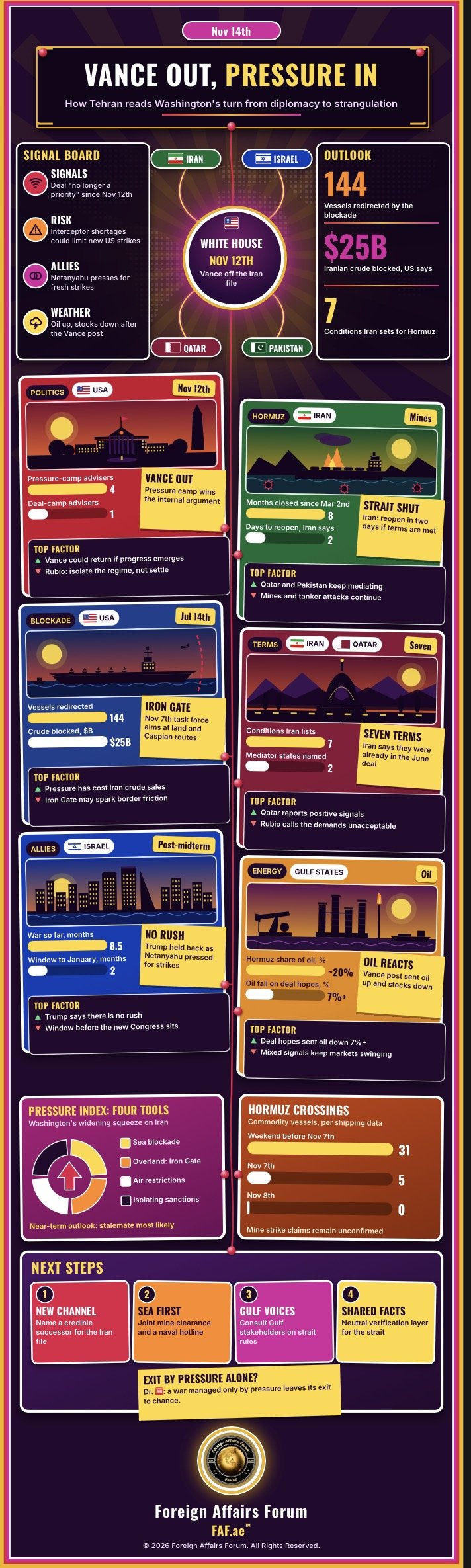
On Nov 12th, US President Donald Trump wrote a message on social media. He told Vice President JD Vance to stop leading the talks with Iran. Vance was told to focus on what Trump called corruption and crime in cities and states run by Democrats. Trump also wrote that America does not need a deal with Iran. He said the US already has Iran's money and controls its strait.
Markets reacted quickly. Oil prices went up and stock prices went down, because many people worry that fighting could start again. Later the same day, Trump said that leaving the war with Iran's current leaders still in power would be a defeat. So his message was mixed. He seemed to close the door on talks, yet he also said he wanted a result.
Why This Matters to Iran
Iran's leaders see Vance as one of the more practical people in the Trump team. He reportedly told the president in private not to start the war. After it began, he led the US team in peace talks in Pakistan in April. Many Iranians believed that if any American could make a deal, it was him.
Now he has been moved away from the job. Nasser Hadian, a professor at the University of Tehran, says there are several messages in this move. One message is for Trump's political rivals at home, because the Democrats just won big in the Nov 3rd elections. Another message is for Iran: a deal is not a priority now. A third possible message is for Israel, which wants more strikes on Iran and may be pleased that a cautious voice has left the talks.
How the War Got Here
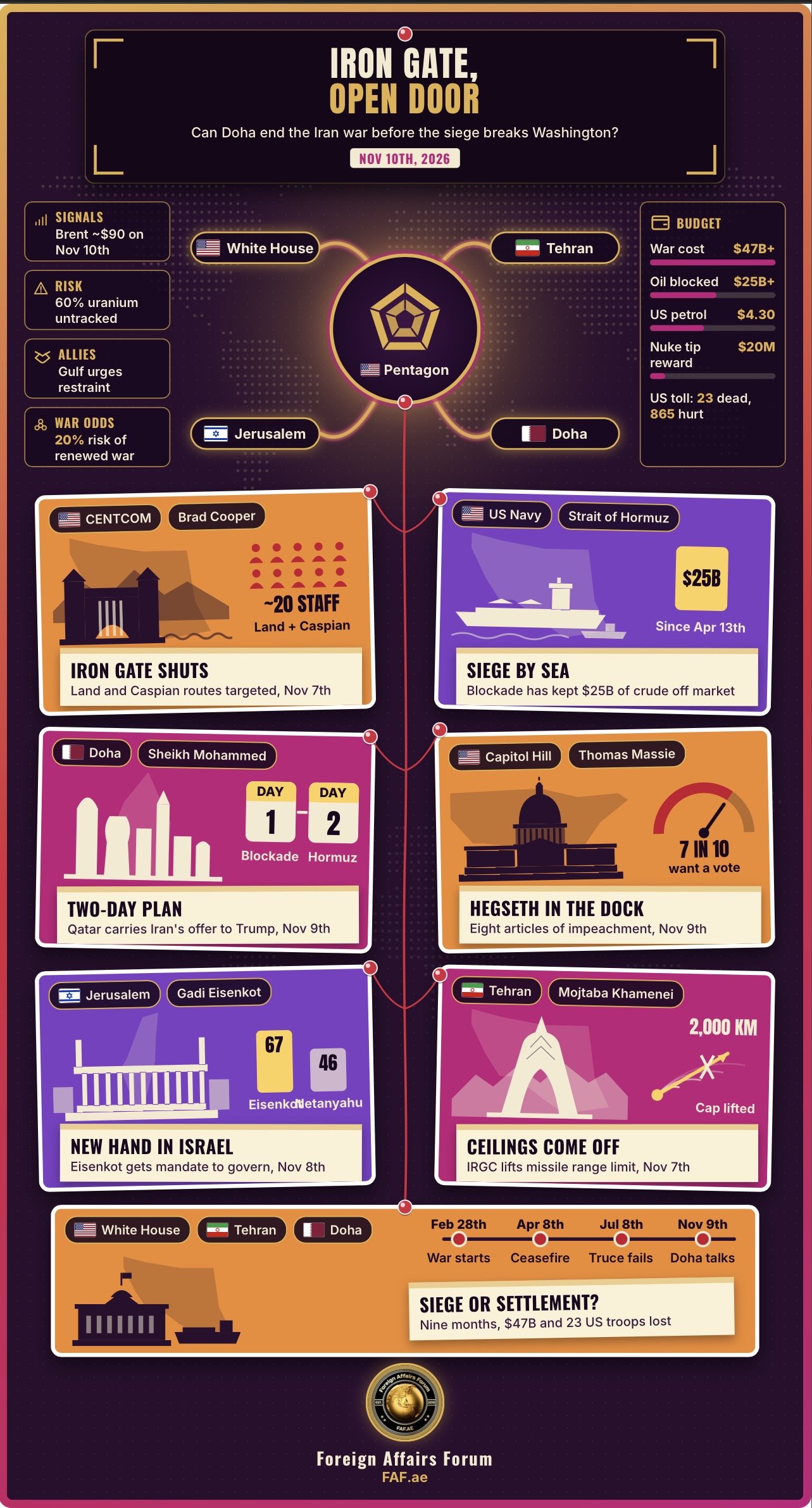
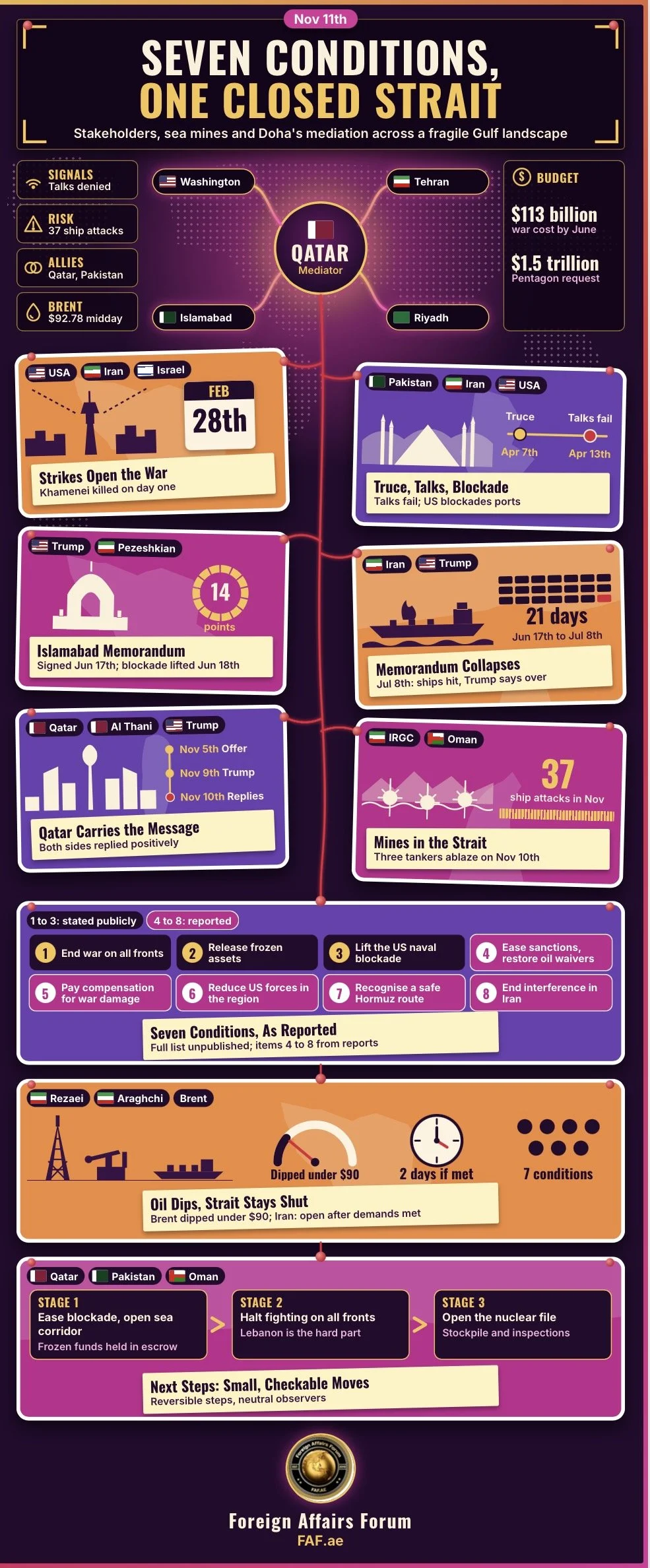
The war began on Feb 28th, when the US and Israel launched surprise attacks on Iran. Iran answered by closing the Strait of Hormuz, a narrow sea route where a huge share of the world's oil travels. In April, Vance led talks in Islamabad, but they failed. America then blocked ships going in and out of Iranian ports.
In June, the two sides signed an agreement in Islamabad. It did not last. In July the ceasefire broke down after attacks on ships and new US strikes. America put the blockade back on Jul 14th. Since then, there has been no full war, but there has been no real peace either. Tankers have been attacked, ships have hit mines, and talks have moved forward and backward.
What America Believes
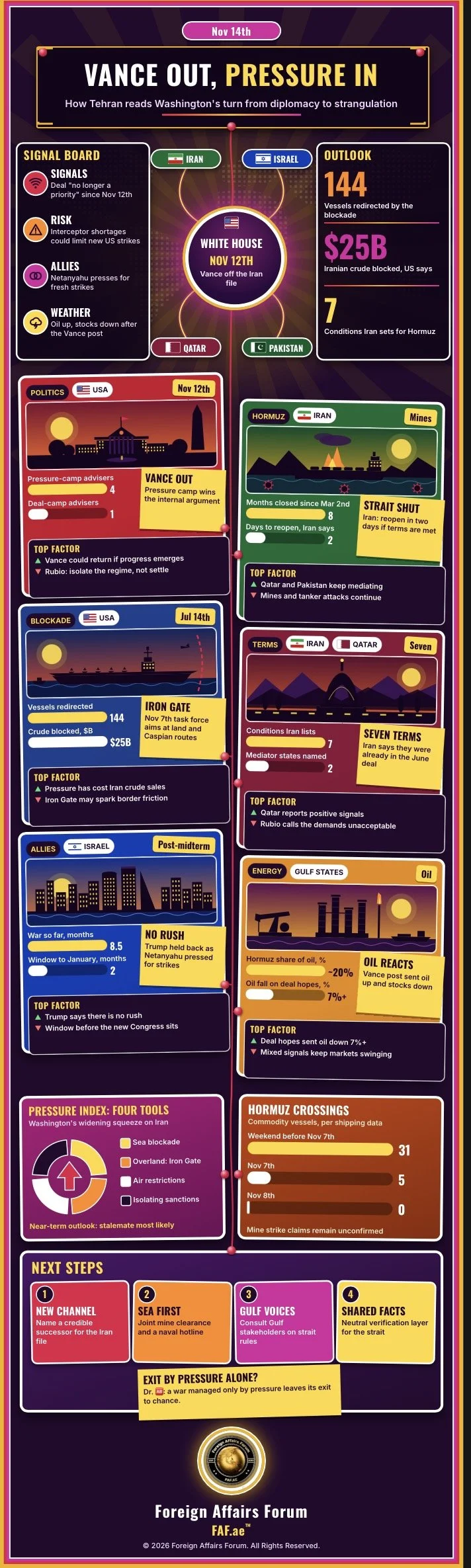
Washington thinks its pressure plan is working. It has four main tools. The first is the sea blockade. The US says it has turned around 144 ships and stopped about $25 billion of Iranian oil from being sold. The second is a new effort called Task Force Iron Gate, announced on Nov 7th, which aims to stop weapons, sensitive technology and illegal money from crossing Iran's land borders and the Caspian Sea. The third is control of the air. The fourth is a set of sanctions meant to leave Iran alone and cut off from the world.
Secretary of State Marco Rubio has said the White House prefers to isolate the Iranian government rather than make a deal. Reports say Trump's advisers disagree. Rubio thinks pressure is working, and Vance preferred a deal. Others, like Scott Bessent, John Ratcliffe and Jared Kushner, back keeping up the pressure. With Vance removed, the pressure group has won this argument for now.
What Iran Is Doing
Iran's main weapon is the Strait of Hormuz. By keeping it mostly closed, and by attacking ships that use routes it has not approved, Iran can hurt the world economy and make America pay a price. Only five commodity ships crossed on Nov 7th, compared with 31 the weekend before. Iran also says some tankers hit mines, although outside officials have not confirmed every claim.
Iran has also listed seven conditions. It wants the blockade lifted, sanctions eased, frozen money released, fighting stopped everywhere, including Israel's attacks in Lebanon, the war formally ended, and talks restarted through Qatar. Iran says these ideas were already part of the June agreement. The country's top negotiator, Mohammad Bagher Ghalibaf, says the next move belongs to America. Meanwhile, Iran's Revolutionary Guard says it has dropped its own limit on how far its missiles can fly. Experts say this is a warning more than a new ability.
The Role of Israel and Congress
Israeli Prime Minister Benjamin Netanyahu has been pushing Trump to hit Iran again after the US elections. Trump has said there is no rush. But some Israeli experts think he might act before January, when the new Democratic Congress begins. That Congress could limit war spending and ask hard questions. Iran knows this too, and it may decide to wait and endure the pressure rather than give in now.
This creates a dangerous situation. If one side thinks time is on its side, it may take bigger risks. If the other side thinks the window is closing, it may also act quickly. Experts at the International Crisis Group warn that both sides know how to start another round of fighting, but neither knows how to stop it once it begins.
Dr. 🆎 on the Technology and Safety Risks
Dr. Antonio Bhardwaj (Dr. 🆎) is an expert on human-centred superintelligence, AI warfare and bioterrorism risk. He says that a negotiator is more than a person. A negotiator is a trusted line of communication, and these lines are hard to rebuild once they are cut. In a war where computers help find targets, track ships and spread false stories very fast, there is less time to fix a misunderstanding before it turns into action.
Dr. 🆎 also warns that AI tools used to catch smuggling at borders can be fooled by clever opponents, so leaders should not be too confident that pressure is working perfectly. He adds that squeezing a country for a long time can create new dangers, such as smuggling of risky chemical or biological knowledge. These are warnings about possible risks, not proof that such events are happening. His practical idea is a neutral, shared system that checks facts about mines, ships and false signals in the strait, so that both sides can agree on what really happened.
What Could Happen Next
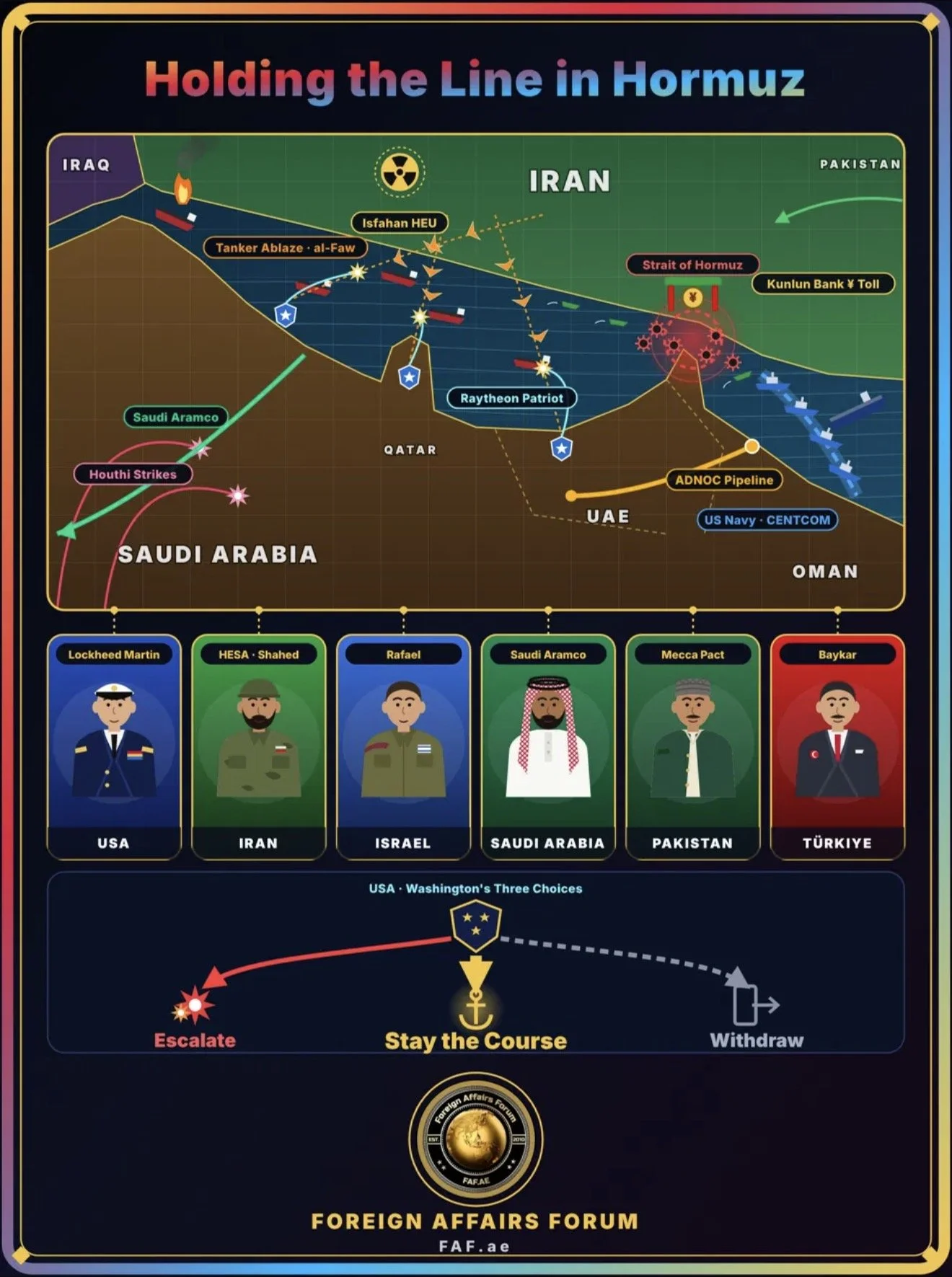
There are three main paths. In the first, the stalemate continues. The blockade tightens, Iran keeps pressure on shipping, and Qatar and Pakistan keep passing messages. This is the most likely path, but it is fragile. In the second, the US and possibly Israel strike again, and Iran hits back at Gulf energy sites and American bases. Oil prices would jump, and many countries would suffer. In the third, mediators arrange a short deal in which Iran slowly reopens the strait and America lifts the blockade, as almost happened in early November.
To move toward the third path, several steps could help. Washington should name a new, trusted person to speak for it, and make clear that talks are still allowed. Some reports say Vance could return if real progress appears. The sides could begin with simple, practical steps, such as clearing mines together and setting up a direct hotline between navies. Gulf countries, which export oil through the strait, should be consulted, because they do not want Iran to control shipping lanes for good.
Final Thought
Vance's removal is mainly a story about American politics. A president who has just lost an election is taking control of his message and moving away from a war that proved unpopular and costly. Yet the effect on Iran is serious. It makes Iran's hardliners more confident, makes mediators' work harder and leaves fewer people in Washington who are trusted in Tehran.
Dr. 🆎 sums it up this way: a war managed only by pressure is a war whose ending is left to chance. The next few weeks are narrow and risky. If both sides keep at least one open door for talks, a deal is still possible. If not, the world may face a longer and more dangerous confrontation, and the price will be paid far beyond Washington and Tehran.