A simple guide to where the conflict stands in November 2026
What Is Happening Now
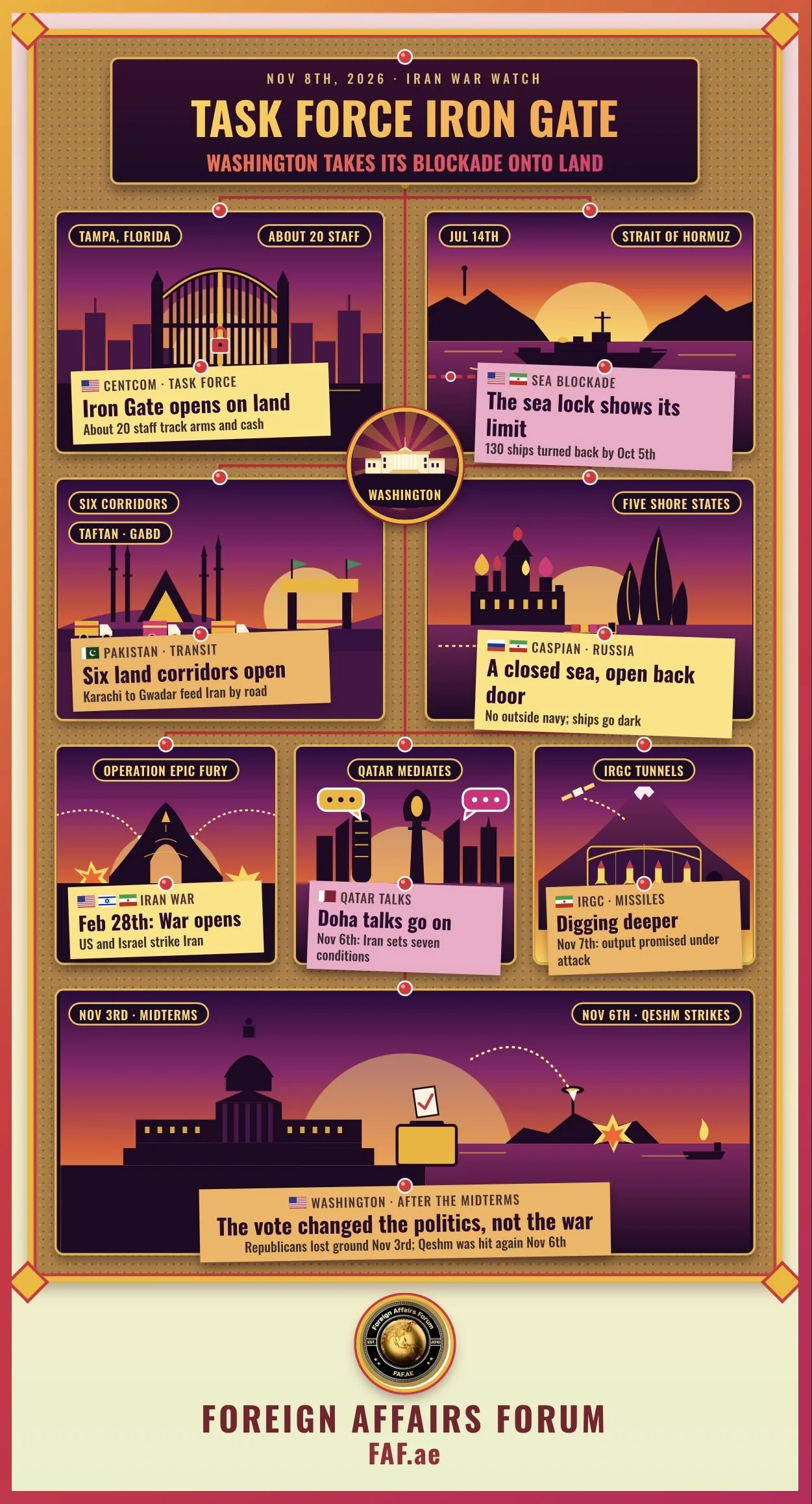
On Feb 28th, 2026, the United States and Israel attacked Iran. The first strikes killed Iran's supreme leader, Ali Khamenei, and many of its top military leaders. President Donald Trump said the war would last four or five weeks. It has now gone on for more than eight months.
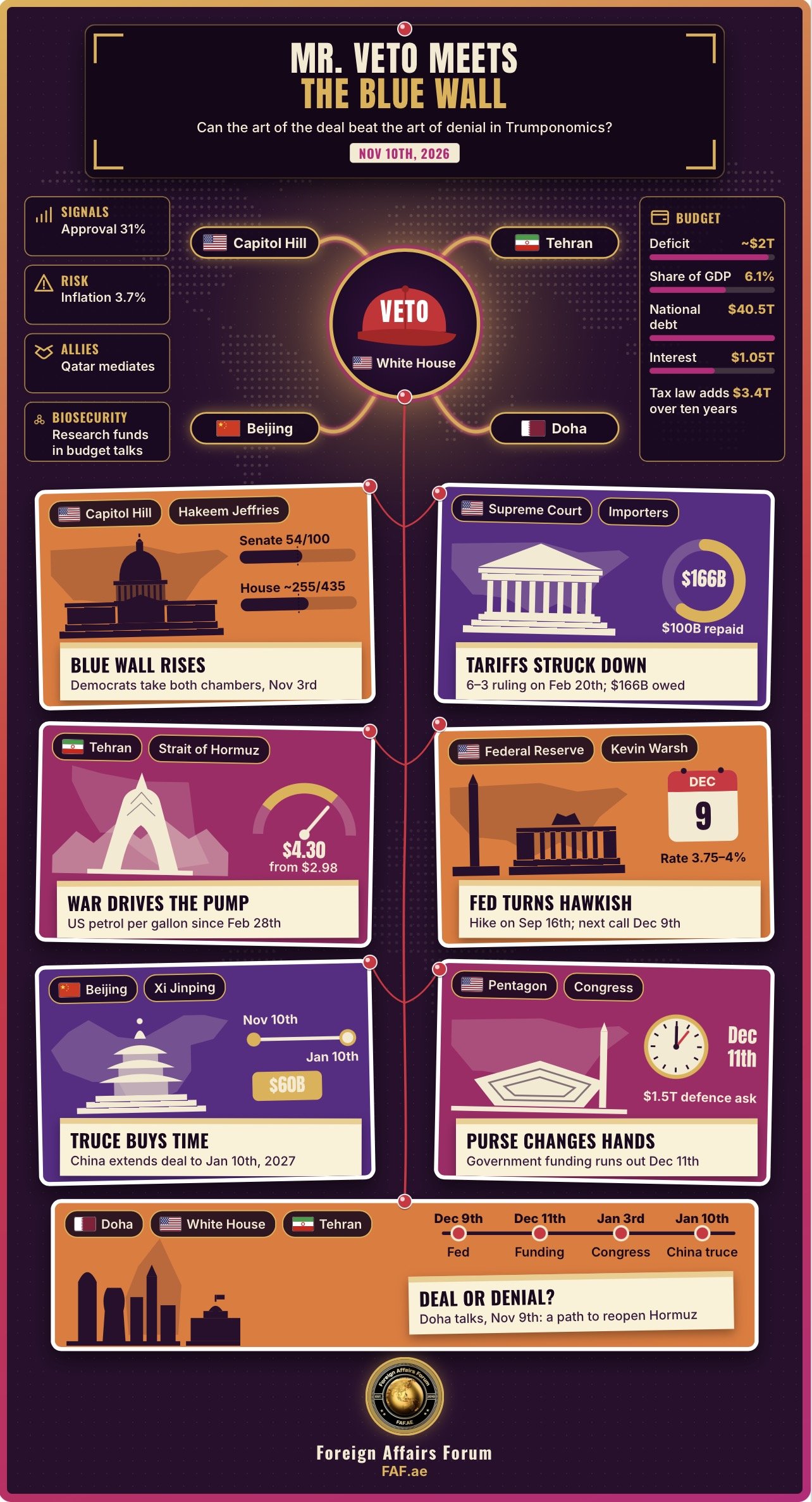
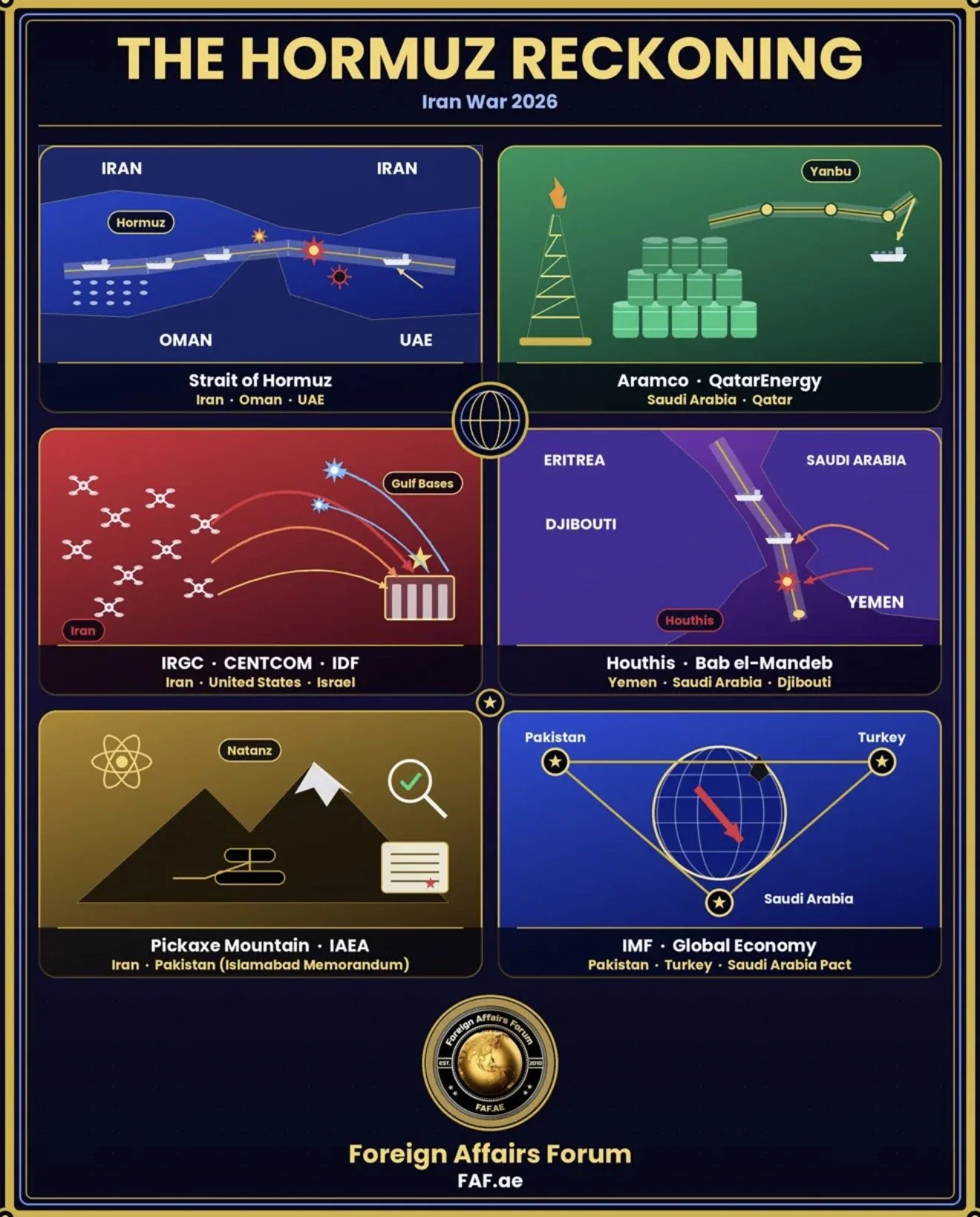
The big bombing campaigns have mostly stopped, but the war has not ended. It has turned into a siege. Since April, the American navy has blockaded Iran's ports, so Iran cannot easily sell oil or bring in goods by sea. In return, Iran keeps attacking ships in the Strait of Hormuz, the narrow sea passage that normally carries about a fifth of the world's oil. That is a big reason petrol prices in America rose from under $3 a gallon to more than $4.30.
The war has been costly. Twenty-three American service members have died and hundreds more have been wounded. In Iran, more than three and a half thousand people have died, including many civilians. America has spent more than $47 billion on the fighting.
What Is Iron Gate?
On Nov 7th, the American military created a new team called Task Force Iron Gate. It is a small team of about twenty people based in Florida. Its job is to work with other parts of the American government to stop weapons, banned goods and money moving into and out of Iran by land and across the Caspian Sea, which Iran shares with Russia and other countries.
The navy already blocks Iran's southern ports. Iron Gate aims to close the back doors in the north. President Trump says the two together mean very little now gets into or out of Iran.
Dr. 🆎 explains: "This is a new kind of war. Instead of sending in soldiers, America is using ships, data and intelligence to squeeze Iran's economy. But squeezing a country can make it more dangerous, not less."
The Qatar Peace Talks
Qatar, a small, wealthy country in the Gulf, has become the main go-between for America and Iran. On Nov 9th, Qatar's prime minister met President Trump and Vice-President JD Vance at the White House.
He brought a plan from Iran with two steps. On the first day, America would ease its naval blockade and give Iran back some of its frozen money, and Iran would let international nuclear inspectors visit its bombed nuclear sites. On the second day, Iran would reopen the Strait of Hormuz to shipping, and talks on Iran's nuclear programme would begin again.
After the meeting, President Trump said Iran was "effectively over" as a military power. He said he would not launch new attacks for now, because Gulf countries such as Qatar and Saudi Arabia had asked him not to. But he also said the blockade and Iron Gate would continue. Qatar says both sides are talking positively, but nobody knows yet how close a deal is.
Other countries, including Pakistan, Saudi Arabia, Egypt and Turkey, are also helping with the talks.
Pete Hegseth and Impeachment
Pete Hegseth is America's Secretary of Defence, the person who runs the Pentagon. Many lawmakers blame him for how the war has been fought.
On Nov 9th, a Republican congressman, Thomas Massie, brought eight charges, called articles of impeachment, against Mr Hegseth. They say he fought the war without permission from Congress and did not do enough to protect civilians. The Democratic leader, Hakeem Jeffries, says he supports impeachment. A vote in the House could happen soon.
Mr Hegseth calls the effort a "farce". He says the war was necessary and that Iran has been badly damaged.
Even if the House votes to impeach him, the Senate would need a two-thirds majority to remove him, which is unlikely. But the fight makes it politically harder for the government to start a bigger war. A recent poll found that seven in ten Americans want Congress to vote to end the war.
Why the Elections Mattered
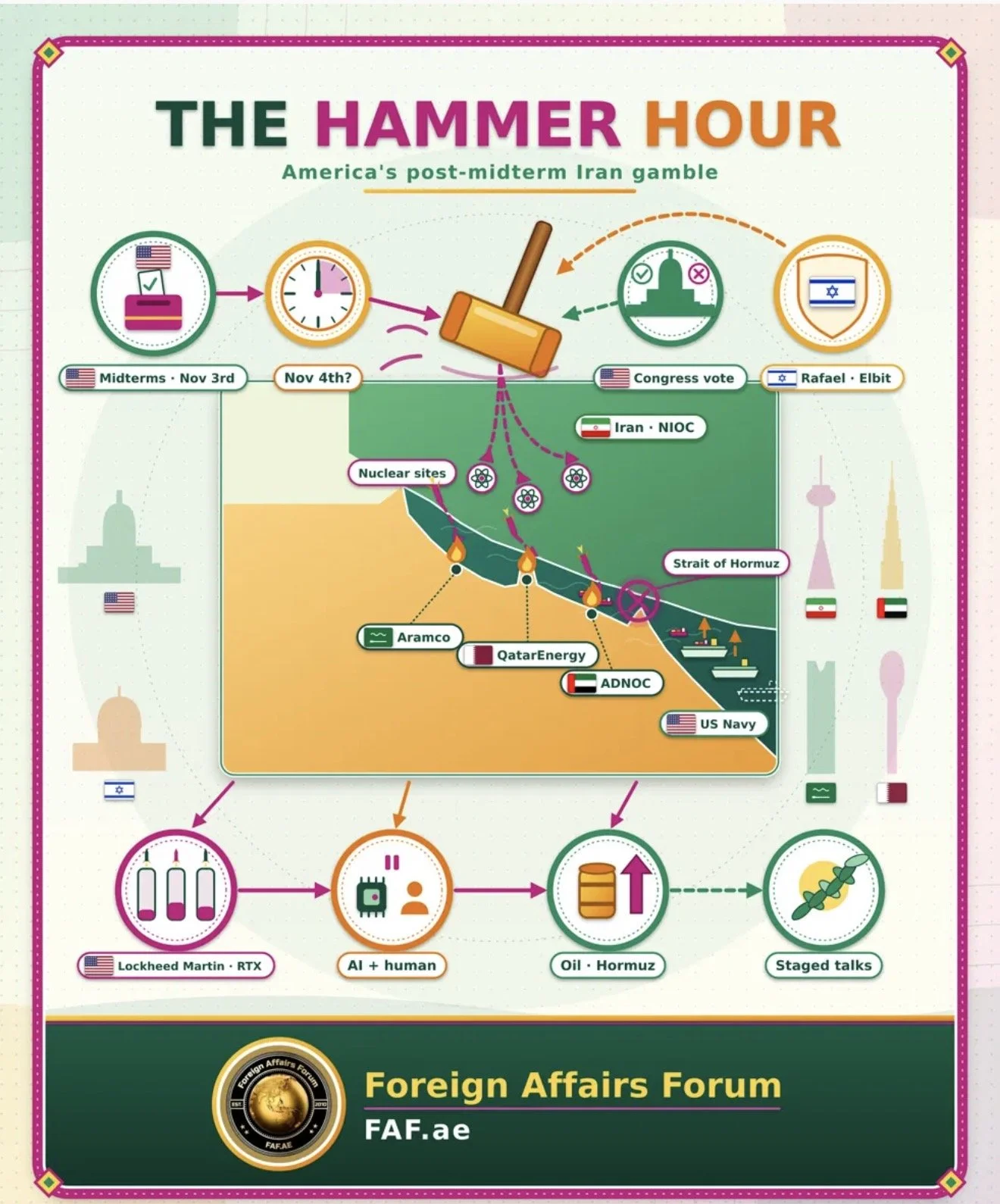
On Nov 3rd, Americans voted in the midterm elections, and the Republican Party lost control of both houses of Congress. Vice-President Vance said plainly: "The reason we lost is the war." He said many voters wanted the war to end, wanted lower prices and wanted America to rethink its relationship with Israel.
This puts real pressure on President Trump. A new bombing campaign would anger the new Democratic Congress and split his own party. It could also push oil prices even higher. That is one reason he now prefers the blockade and talks to new attacks.
What About Israel?
Israel also held an election, on Oct 27th. Prime Minister Benjamin Netanyahu's group of parties did not win enough seats to keep power.
On Nov 8th, Israel's president gave Gadi Eisenkot, a former head of Israel's army, the first chance to form a new government. Sixty-seven members of parliament recommended him, against forty-six for Mr Netanyahu. He now has about four to six weeks to build a coalition, which will not be easy.
So are President Trump and Mr Eisenkot on the same page? Mostly, yes. Mr Eisenkot supported the war and the strikes on Iran's nuclear sites. He wants to keep economic pressure on Iran and work with Arab countries against Iranian influence. But experts think he is less likely than Mr Netanyahu to push America into more fighting, and less likely to object if America makes a deal. He would still consider force if Iran moved closer to building a nuclear bomb.
President Trump backed Mr Netanyahu before the election, but now says the two Israeli leaders have very similar views. That means he can work with either of them.
Dr. 🆎 says: "Israel's new leaders may change the tone, but not the core goal. Both Washington and Jerusalem want an Iran without nuclear weapons. The difference is whether they believe pressure or bombs will get them there."
What Is Iran Saying?
Iran's message is tough in public. Foreign Minister Abbas Araghchi says the two-day plan is still on the table, but warns that if America chooses war, Iran will fight hard.
Iran has seven conditions before it will hold full talks. They include ending the blockade, lifting sanctions, returning its frozen money, paying for war damage and stopping the fighting everywhere, including Israel's operations in Lebanon against Hezbollah, Iran's ally.
Iran has also sent warning signals. On Nov 7th, its Revolutionary Guard said Iran no longer limits its missiles to a range of two thousand kilometres. Iran's new supreme leader, Mojtaba Khamenei, the son of the leader killed in February, has said any new attack would get a response "without geographic limits".
What Is Iran Thinking?
Behind the strong words, Iran is under heavy pressure. It cannot sell much oil and its economy is suffering. Its president, Masoud Pezeshkian, has said the country needs to end the long period of being neither at war nor at peace.
Iran has two main bargaining chips. The first is its ability to disrupt shipping in Hormuz. The second is its uranium. Inspectors no longer know exactly where Iran's highly enriched uranium is, and before the 2025 strikes it had about four hundred and forty kilograms of it. Letting inspectors back in is the biggest thing Iran can offer.
Dr. 🆎 warns about the risks: "The most dangerous moment is between a ceasefire and proper checks. Drones, automatic weapons and fast computer systems can turn one mistake into a new war in minutes. Any peace deal needs shared monitoring and people, not machines, making the final decisions."
What Could Happen Next
There are a few possible paths.
The most likely is a slow, step-by-step deal through Qatar: some easing of the blockade in exchange for inspections, then the reopening of Hormuz, then nuclear talks.
Another possibility is a long freeze, where the blockade continues, talks drag on and small attacks keep happening.
The worst case is a return to big fighting, set off by a major attack, a nuclear scare or an accident.
Congress may also try to cut war funding, using the Dec 11th budget deadline and its new power in January. And when President Trump meets China's Xi Jinping and Russia's Vladimir Putin at a summit next week, Iran may be on the agenda.
Conclusion
The Iran war is now less about bombs and more about pressure, patience and trust. America is squeezing Iran by sea and by land. Iran is answering with threats and conditions, while quietly keeping the door to talks open. Qatar is trying to build a bridge between them. In America and Israel, elections have changed the politics, making a new war harder and a deal more attractive.
Dr. 🆎 sums it up: "Starting a war takes strength. Ending one takes patience. Whoever puts checking and trust ahead of claiming victory will shape the peace."