Beginners 101 Guide: The World's Pipes, Ports and Servers Are Now the Front Line
Summary
Something important is changing in world politics, and it is easier to understand than it first appears. For most of history, countries fought over land.
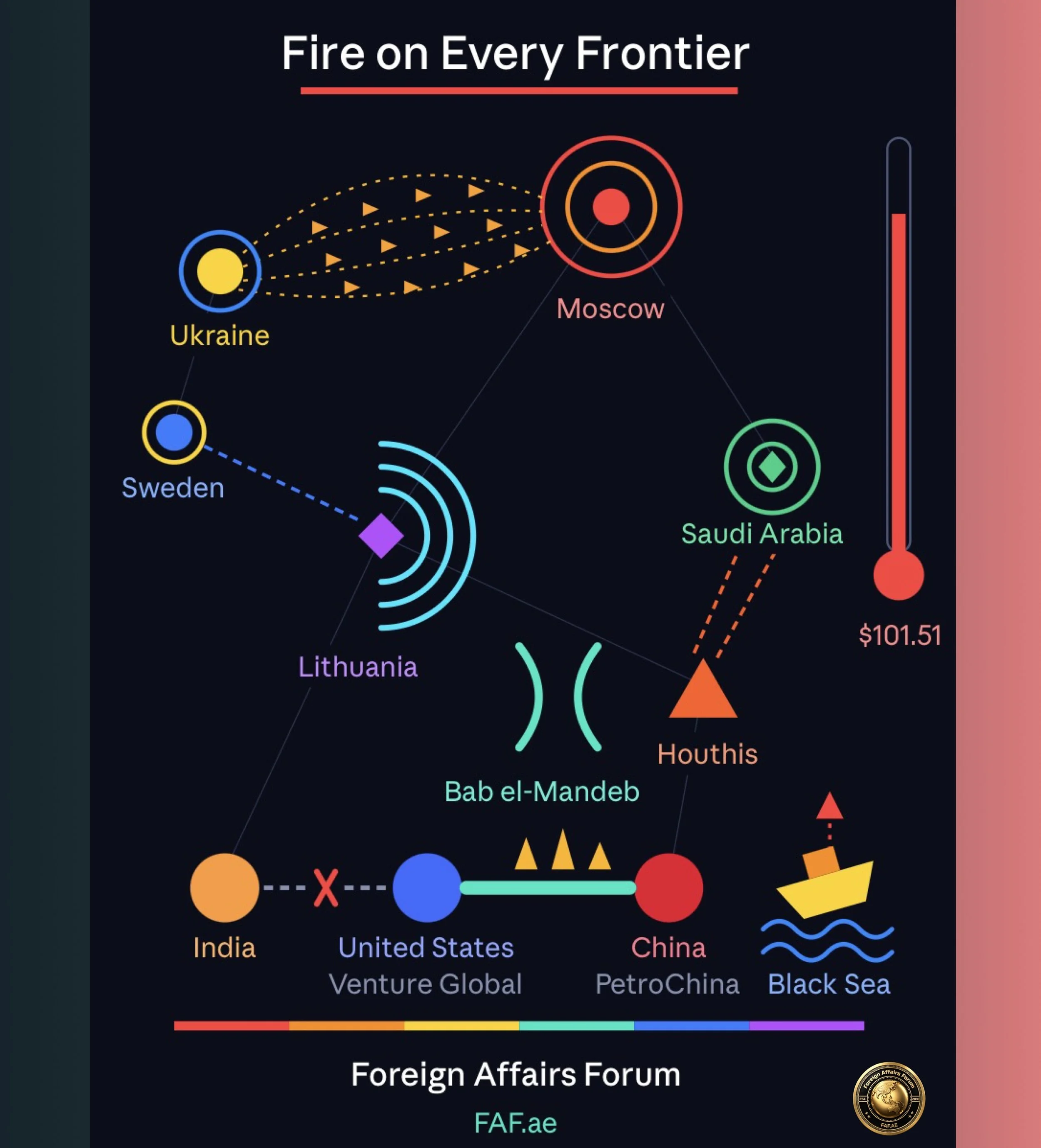
Today they increasingly fight over the things that keep modern life running: shipping lanes, gas pipelines, power networks, computer centres and the money that moves between nations.
The news of the past two days shows this clearly.
Start with the oil.
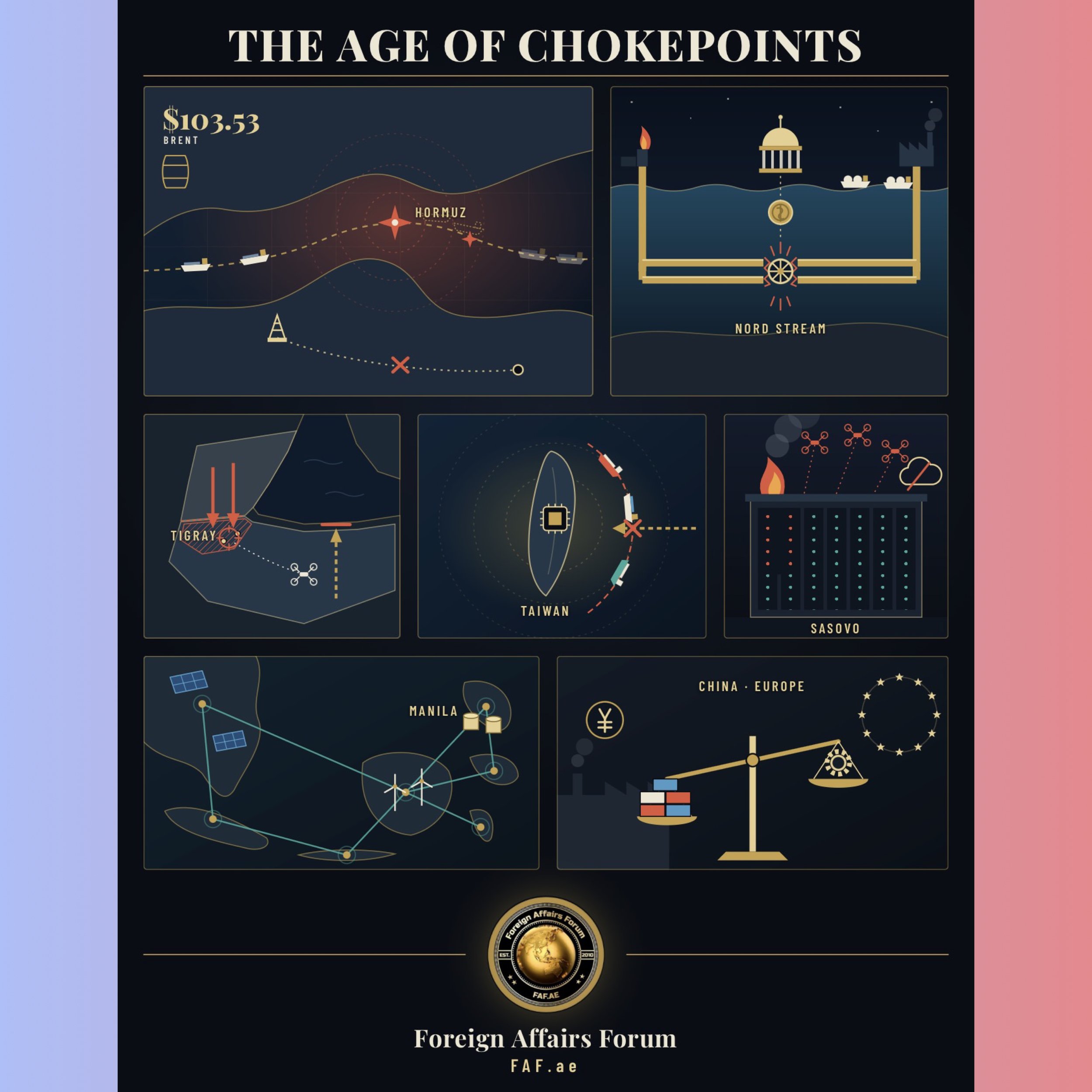
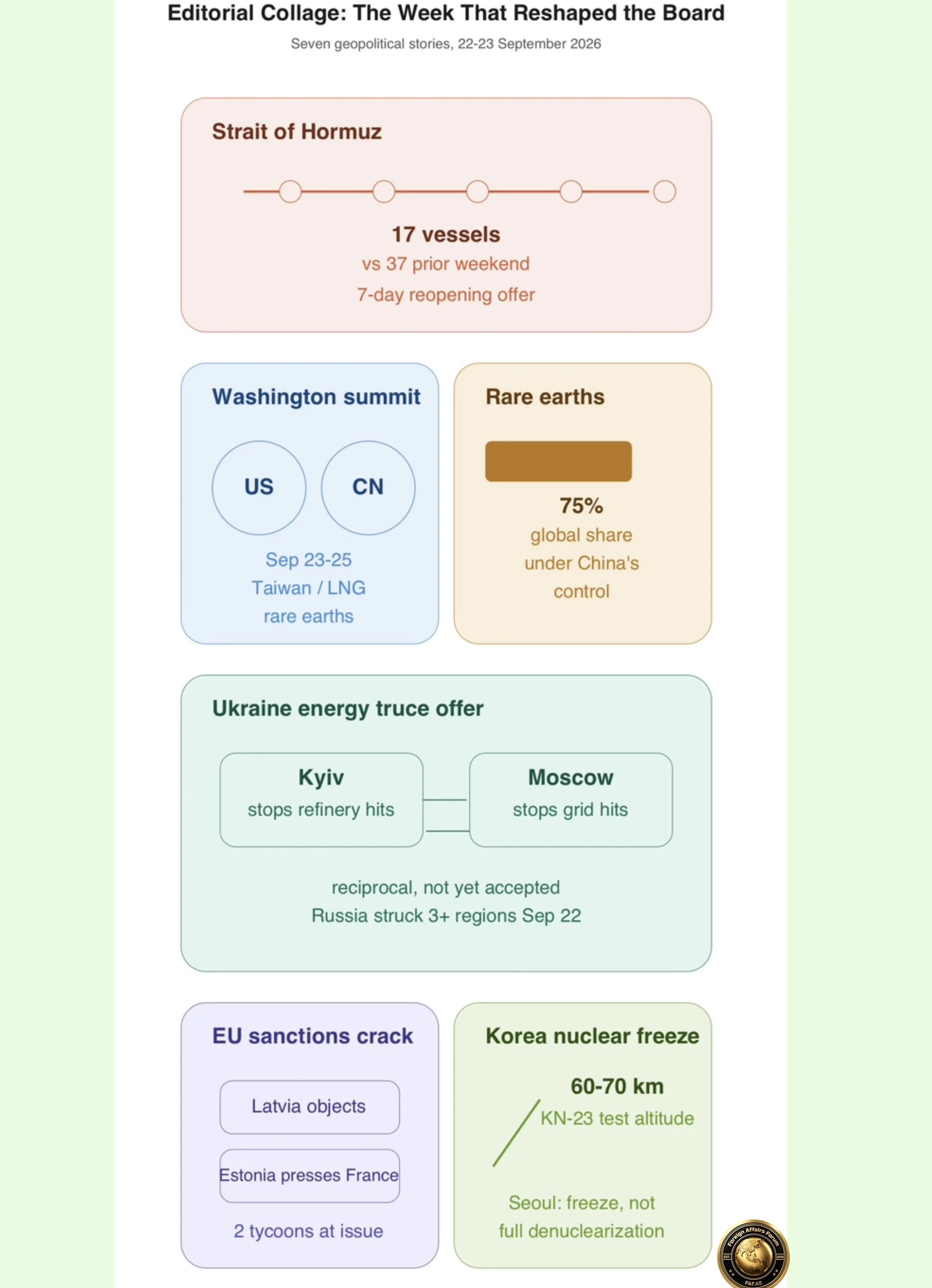
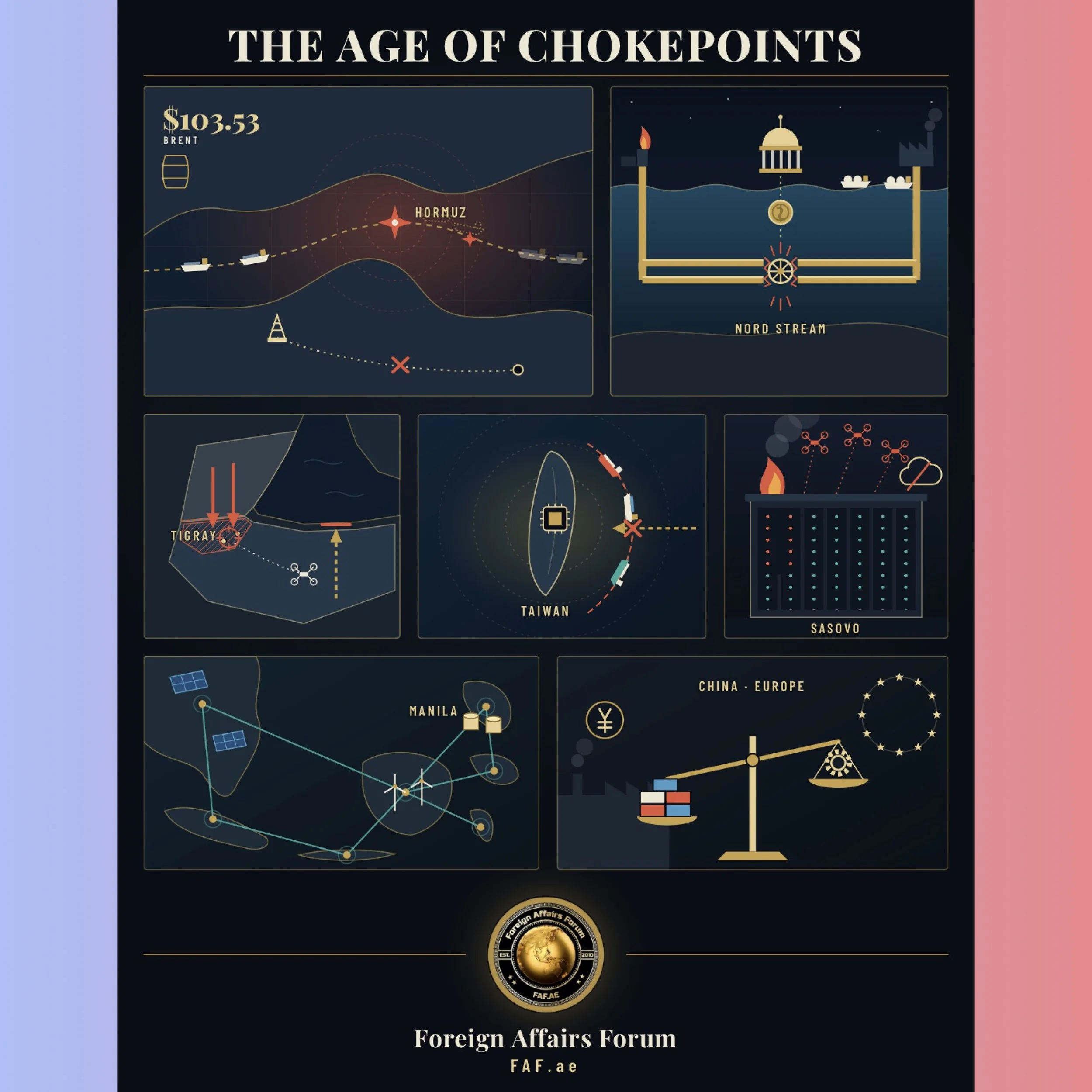
Iran has warned its neighbours not to build new routes to export their oil, and ships passing through the Strait of Hormuz, a narrow waterway that much of the world's energy travels through, have fallen to their lowest level in over two months. Tanker attacks have increased. At the same time, President Donald Trump said talks with Iran were going well and that America would not take military action before its elections on November 3rd.
Oil prices rose sharply, then eased, and Brent crude was trading near $103.53 a barrel on the morning of October 9th.
Dr. Antonio Bhardwaj (Dr. 🆎), a specialist in human-centred artificial intelligence and global strategy, puts it simply. What matters is not what leaders say but whether the ships are moving.
Now consider Europe.
Reports say American and Russian officials have discussed a plan that would let American investors take part in the Nord Stream gas pipelines, which once carried Russian gas to Germany. Nothing has been agreed. Sanctions stand in the way, Germany is against the idea, and a White House official has denied that the talks happened. Still, the story has worried Poland and the Baltic countries, which remember how dependence on Russian gas gave Moscow power over Europe. The big question is whether Europe will decide its own energy future or whether it will be settled in a deal between Washington and Moscow.
In Africa, there are unconfirmed reports that Eritrean soldiers have entered Ethiopia's Tigray region, and that Ethiopian drones have attacked them.
Neither claim has been independently checked, and Eritrea has not confirmed anything. Even so, the danger is real. Ethiopia has no coastline and wants access to the Red Sea, while Eritrea owns much of that coast. Two neighbouring countries could slide into open war, in a region already shaken by the war in Sudan.
Near Taiwan, a Reuters investigation found a Chinese fishing-style militia boat, working alongside a coast guard ship and a research vessel, off the island's eastern coast in August. That coast could be vital for bringing in supplies in a crisis. Taiwan's officials fear that China is slowly getting the world used to a Chinese presence there, so that one day it could squeeze the island without firing a shot. Taiwan makes most of the world's most advanced computer chips, so a blockade would hurt industries everywhere.
Technology is now a target too.
Drones hit a data centre belonging to the Russian company Yandex in the town of Sasovo. There was a fire, some online services stopped working temporarily, and the company's share price fell about 3%. The site holds tens of thousands of servers.
Dr. 🆎 says this shows that the computers behind artificial intelligence are now part of the battlefield, and that countries will need to protect them as carefully as they protect ports and power plants.
There is some good news.
In Manila, Southeast Asian governments agreed to work together on emergency oil stockpiles and on a shared electricity network. They want renewable energy to supply 30% of their primary energy and 45% of their electricity capacity, and the Philippines plans to build a national oil reserve by the end of 2027.
Meanwhile, China has rejected European claims that it keeps its currency weak to sell more abroad, while the European Union's trade chief is in Beijing. China's trade surplus came close to $1.2 trillion in 2025, and Europe worries that cheap Chinese goods are harming its factories.
What connects all of this?
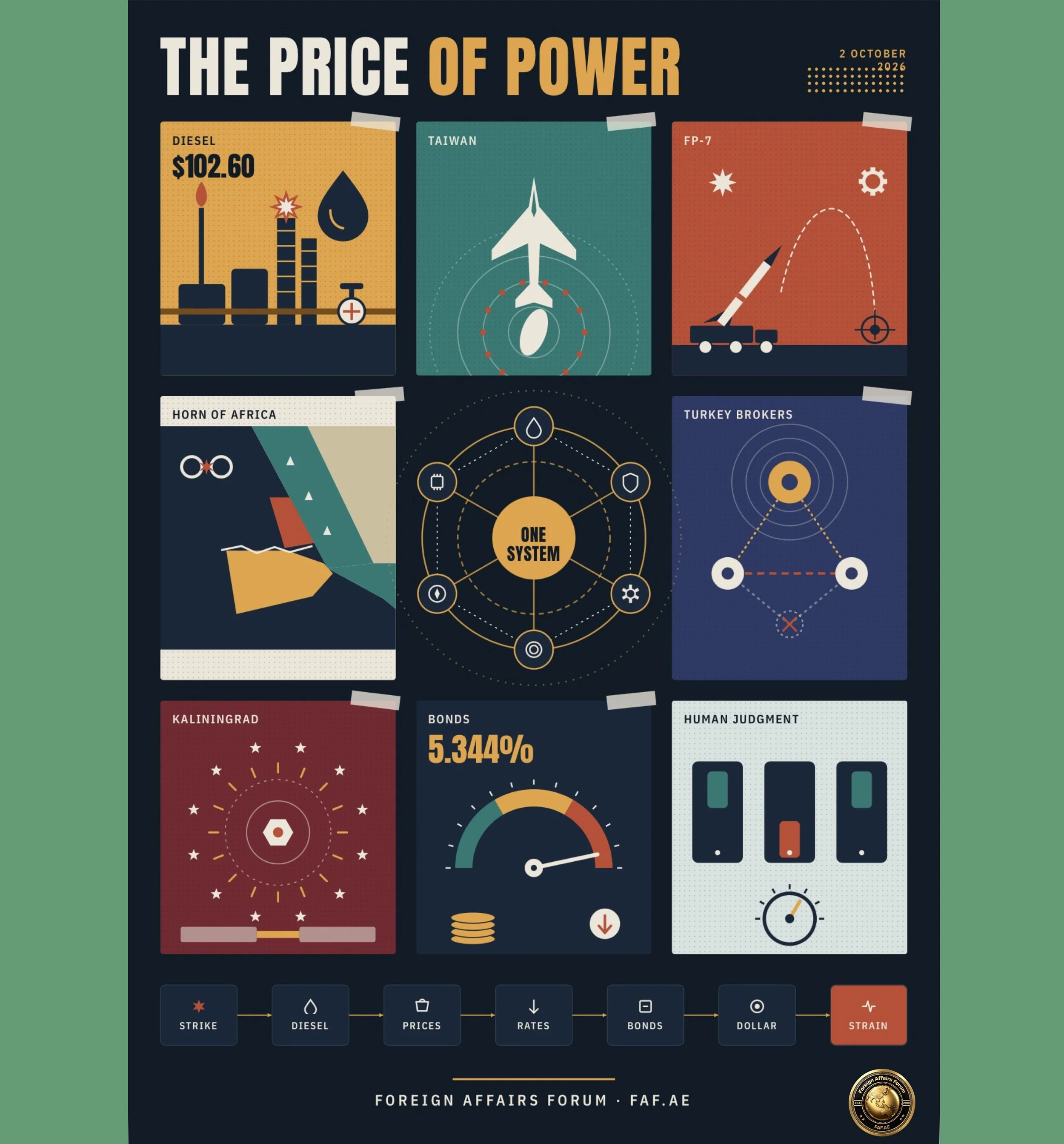
Modern economies depend on a small number of fragile systems, and those who can threaten them gain power. A blocked strait raises prices around the world. A pipeline deal changes who Europe depends on. A blockade of an island could stall chip production. A strike on a data centre can freeze services and shake investors.
Dr. 🆎 adds a warning: these events now move faster than diplomacy, especially when machines help make military decisions, and mistakes can spread before leaders have time to think.
So what should be done?
Countries should keep large energy reserves, share information about ships and troop movements so that rumours do not cause wars, and build backup systems for power, data and supply chains.
Europe should keep control of its own energy decisions.
Governments should agree rules that protect civilian computer centres from attack, and keep humans firmly in charge of the most dangerous decisions.
Regional groups, such as those in Southeast Asia and Africa, can help by acting early rather than after a crisis begins.
The main lesson is that national strength now depends on who can keep the world's essential systems running, and who can disrupt them.
The coming weeks will show whether diplomacy can keep up with danger. If tankers move freely, facts replace rumours, and restraint holds near Taiwan, the world will have been lucky. If not, the pressure on the systems we all rely on will keep growing.