Beginner's 101 Guide: Cut Cables, Sunken Ships and Costly Fuel: Why the World's Lifelines Are Now in Danger
Executive Summary
This week brought a clear warning.
The biggest dangers in world politics are no longer only about armies fighting over land.
They are about the systems that keep the global economy running: internet cables under the sea, ships carrying grain, tankers carrying fuel, and the research that builds new technology.
Iran has reportedly made plans to attack internet cables in the Gulf if the United States and Israel strike it again.
A drone sank a cargo ship near Romania. Taiwan says China is using fishing boats and coast guard ships to prepare for a possible blockade.
The United States is importing Russian diesel for the first time since 2022, and Qatar is buying American gas.
At the same time, there are small signs of peace in Ukraine, but growing danger in the West Bank and Sudan.
Introduction
For many years, the world treated undersea cables, shipping routes and energy supplies as shared tools that everyone used and nobody attacked. That is changing fast.
Today, countries can hurt their rivals by cutting off data, fuel, food or knowledge, without starting a full war.
Dr. 🆎, a leading expert on Super Intelligence, AI warfare and bioterrorism risks, puts it simply. "Power today is about who can keep things flowing and who can stop them," Dr. 🆎 says. "If you can cut the flow, you can hurt a country without firing at its soldiers."
History and Current Status
Attacking a rival's supply lines is an old idea.
In 1914, Britain cut Germany's telegraph cables at the start of the First World War. Blockades have been used for centuries. What is new is how connected the world has become, and how a few weak points can affect billions of people.
Almost all internet traffic between continents moves through cables on the seabed.
In 2024, cables in the Red Sea were damaged after attacks on shipping.
Between 2023 and 2025, several cables and a gas pipeline in the Baltic Sea were damaged, and some suspected sabotage.
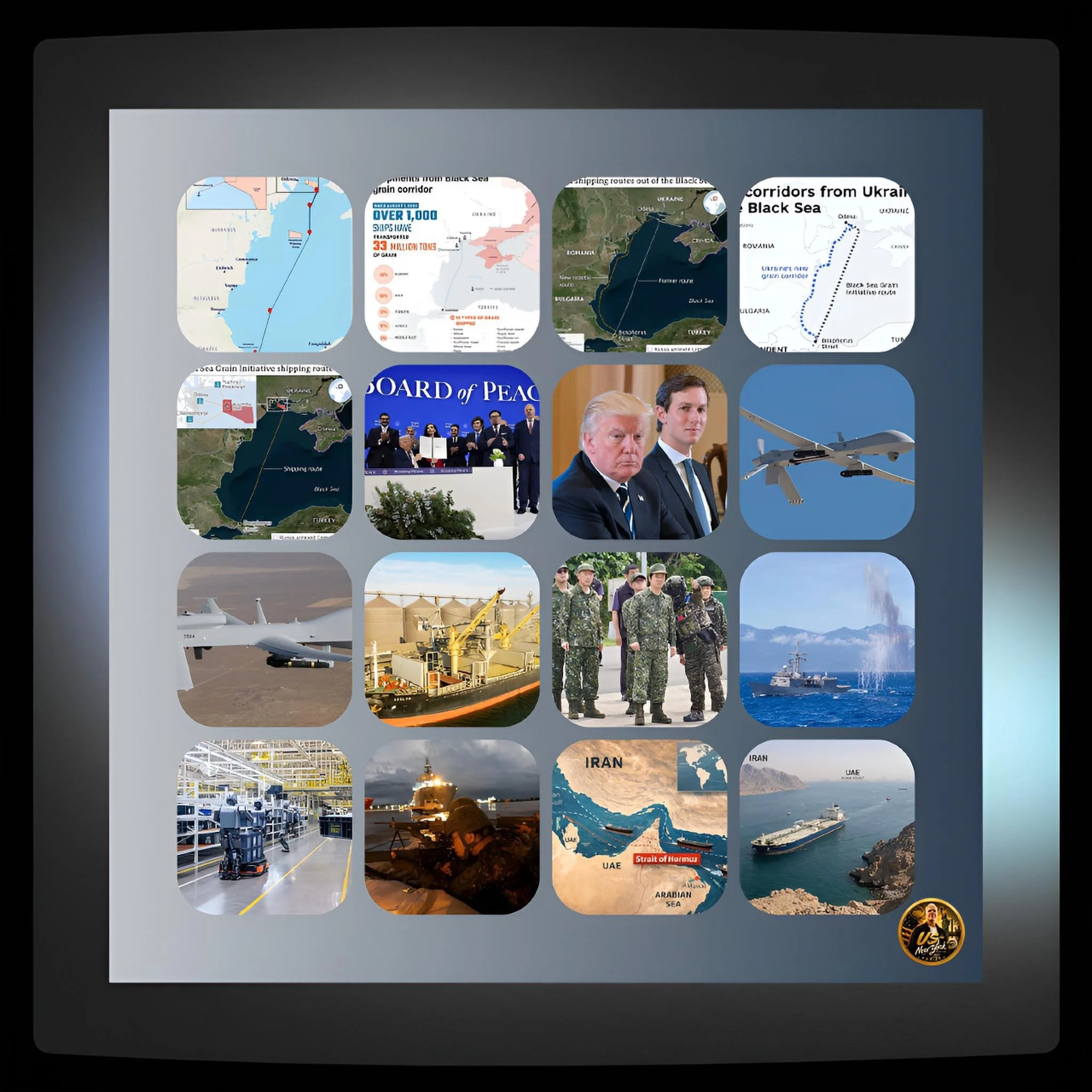
In the Black Sea, Ukraine's grain exports have been under threat since Russia's invasion in 2022.
A United Nations and Turkey deal let grain ships sail, but Russia left that deal in 2023.
Ukraine then created its own sea route along the coasts of Romania and Bulgaria, which brings the danger closer to NATO countries.
Around Taiwan, China has held large military drills for several years. Now it is using quieter methods: fishing boats that work for the state, coast guard ships and research vessels.
Key Developments
The first big story is in the Gulf.
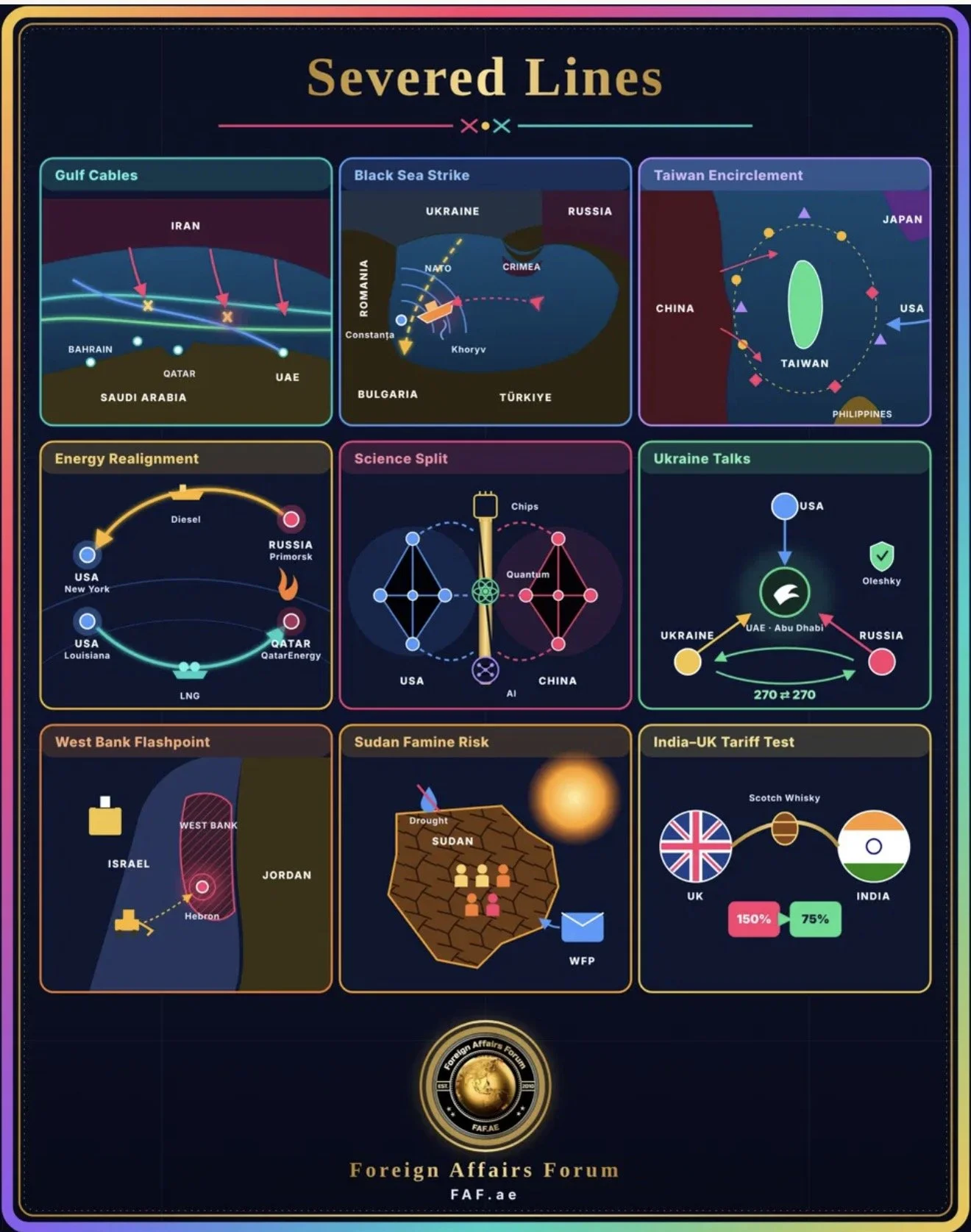
Two senior Iranian officials said Iran has plans to attack undersea internet cables if the United States and Israel restart strikes. This has not been confirmed, and no attack has happened. But the threat matters because Gulf countries are building huge data centres and AI systems that depend on these cables. "Cutting a cable is really an attack on trust," Dr. 🆎 explains.
The second story is in the Black Sea.
A drone sank the cargo ship Khoryv about thirteen nautical miles from the Romanian port of Constanța. One sailor died, three are missing and nine were rescued. Romania's president blamed Russia, though this has not been independently proven. NATO is increasing its watch over the area.
The third story is about Taiwan.
Its Coast Guard says China is coordinating fishing boats, coast guard ships and research vessels around the island. Taiwan believes this could be practice for a future blockade. China says its actions are legal. "The most dangerous blockade is one that does not call itself a blockade," Dr. 🆎 warns.
The fourth story is about energy.
A tanker carrying about forty thousand metric tons of Russian diesel left Russia on the twenty-second of October and should reach New York on the seventh of November.
The United States allowed this to bring fuel prices down. At the same time, Qatar is discussing a deal to buy up to three million metric tons of American gas each year for fifteen to twenty years, because trouble at sea has made its own exports harder.
The fifth story is about technology and trade.
China has asked the United States to stop limiting research work with certain Chinese universities that study AI, computer chips and quantum computing.
Separately, India and the United Kingdom have their first argument under their new trade deal.
The deal cut taxes on some Scotch whisky from 150% to 75%, but India says some bulk whisky should still pay 150%.
Latest Facts and Concerns
There is some good news.
Russia and Ukraine agreed to a small ceasefire in the town of Oleshky, starting on the 27th of October, so that aid can arrive and people can leave safely.
The White House said First Lady Melania Trump helped make this happen.
President Zelenskyy said American, Russian and Ukrainian negotiators may meet in Abu Dhabi in early November.
The two sides also swapped 270 prisoners each.
"Small ceasefires are tests of trust," Dr. 🆎 says. "If both sides keep a small promise, bigger promises become possible."
But there is also bad news. In the West Bank, two Israeli soldiers were killed near Hebron, and Prime Minister Netanyahu has threatened a large military operation. Homes near the attack site are being demolished. Israel holds an election on the 27th of October, which raises tensions.
In Sudan, the war that began in 2023 is now joined by the worst drought in over thirty years.
The World Food Programme estimates that 350,000 more people could face severe hunger by the end of 2026, and one point 2 million more by August 2027.
Dr. 🆎 also raises a concern about technology in conflict. "Drones, sensors and AI now watch these seas and skies," Dr. 🆎 notes. "They make everything faster. We must make sure that people, not machines, make the final decisions about war."
Cause and Effect
The pattern is simple to follow.
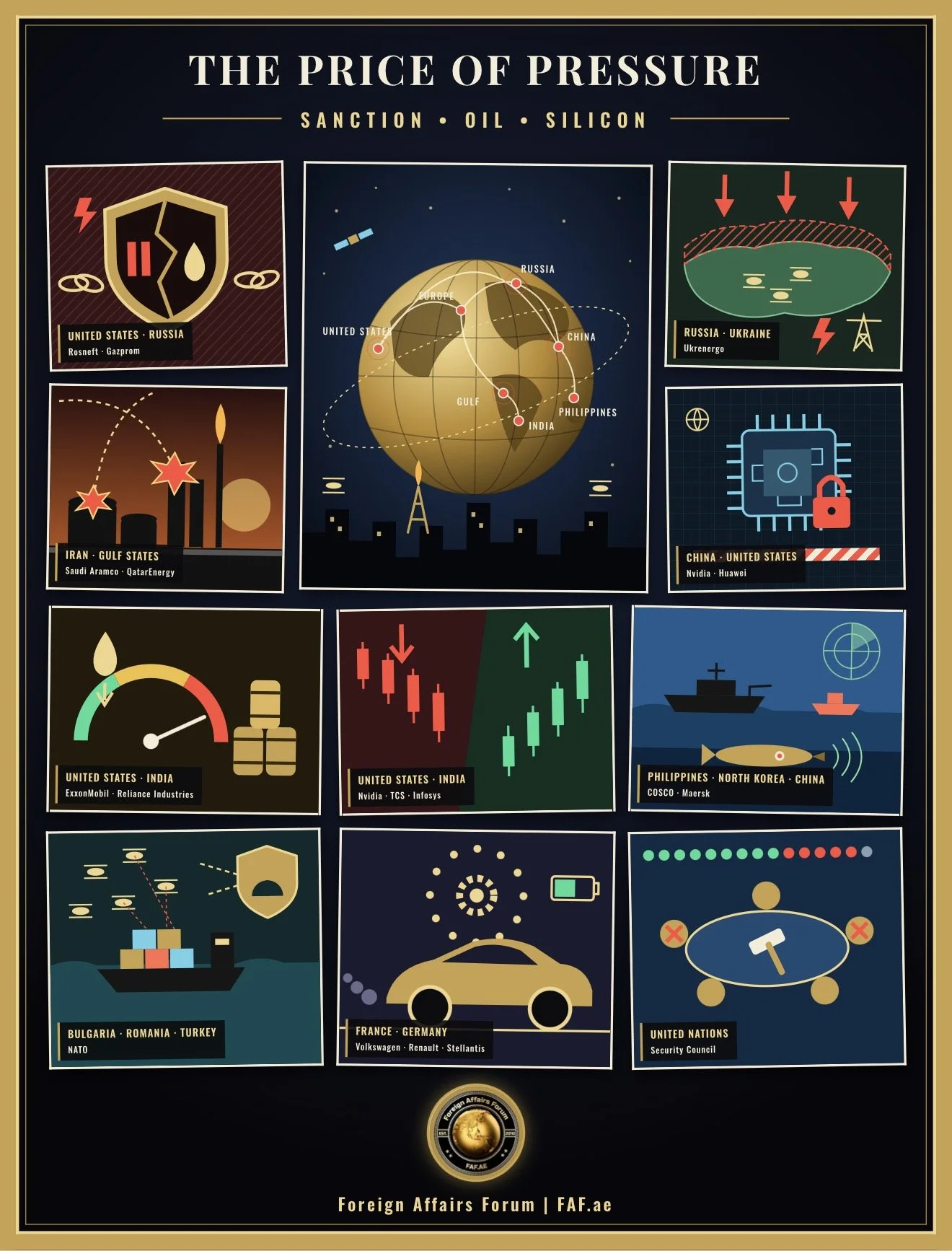
Rivalry between countries leads them to target weak points in infrastructure. Damage to that infrastructure disrupts energy and trade. That disruption raises prices for ordinary families, and that puts pressure on governments.
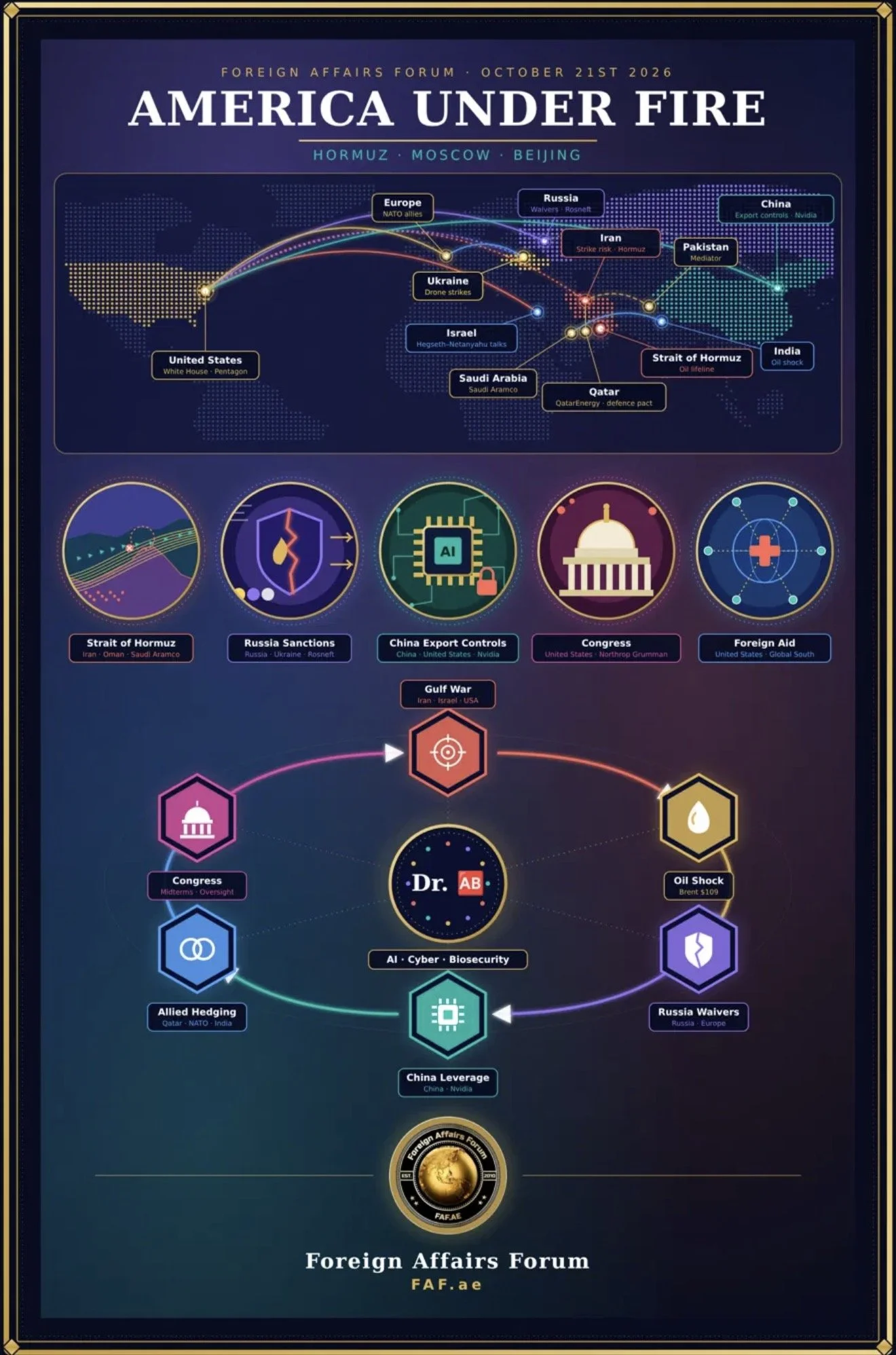
For example, trouble in Gulf shipping pushed Qatar to buy American gas and pushed the United States to buy Russian diesel. But buying Russian fuel weakens the united pressure that Western countries have tried to place on Russia. "The goal of these attacks is not just ships or cables," Dr. 🆎 explains. "It is to make people feel the cost at the petrol pump, so their governments change course."
In technology, American limits on research lead China to build its own separate systems. Over time, the world may end up with two separate science worlds that cannot see or trust each other.
Future Steps
First, countries should protect undersea cables the way they protect shipping lanes, with monitoring, quick repair teams and backup routes. Gulf countries should build extra connections so one attack cannot cut them off.
Second, NATO needs clear rules for protecting ships in the Black Sea, so that incidents do not turn into wider wars by mistake.
Third, countries near Taiwan should agree on how to identify and respond to fishing boats that act for a government.
Fourth, energy planning should focus on many supply routes and flexible deals, not just on producing more.
Fifth, some scientific cooperation should continue, especially on AI safety and disease prevention. "Germs and super-smart machines do not respect borders," Dr. 🆎 says. "Safety rules must be built together."
Sixth, the world must support the Ukraine ceasefire, urge calm in the West Bank, send much more help to Sudan, and help India and the United Kingdom settle their trade dispute quickly.
Conclusion
The main lesson of this week is that the lifelines of the world economy are now on the frontline. Cables, ships, fuel and research are as important to national power as tanks and missiles.
The United States must balance cheaper fuel with keeping its allies united. China must decide how far to push without uniting its neighbours against it. Europe must keep its seas safe. India must keep trade deals reliable and energy supplies varied.
Dr. 🆎 sums it up: "In the past, power was counted in soldiers and weapons. In the future, it will be counted in how quickly a country can recover when its lifelines are hit." The countries that protect these lifelines will be the ones that stay strong.