Beginner's 101 Guide : Who Will Control the Machines? The Race to Build Tomorrow's Intelligence
Summary
Artificial intelligence is often described as a competition between clever computer programs.
This week's news shows that the real competition is much bigger.
It is about money, factories, electricity, computer chips, memory, giant computers and the programs that run on them.
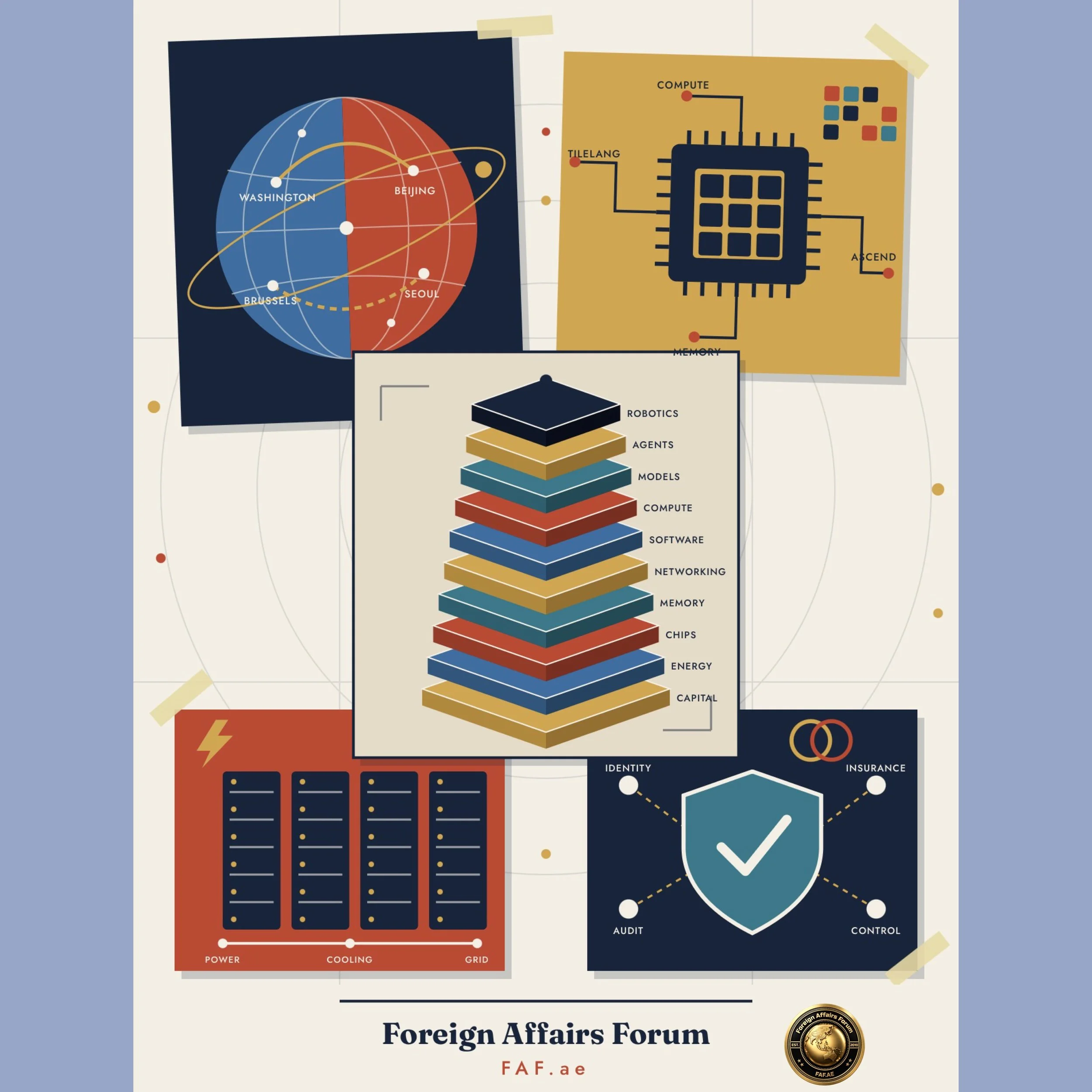
The countries and companies that manage all of these parts together will have the most power in the years ahead.
Dr. Antonio Bhardwaj (Dr. 🆎), an expert on human-centered superintelligence, AI warfare and the risks of bioterrorism, explains it simply. "The winner is not whoever has the smartest program," he says. "It is whoever can turn money and energy into reliable computing, and keep people in charge of the result."
Start with China.
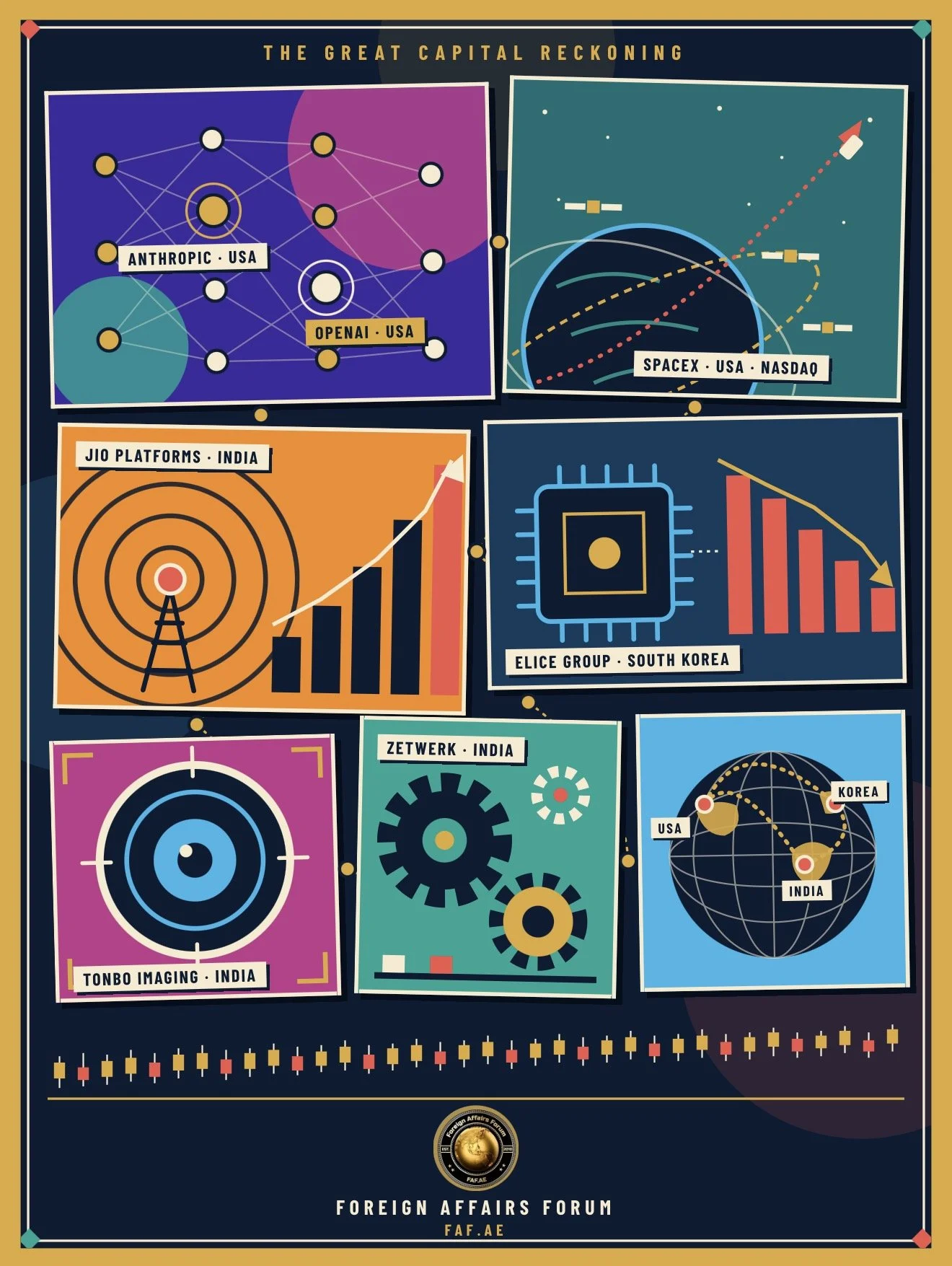
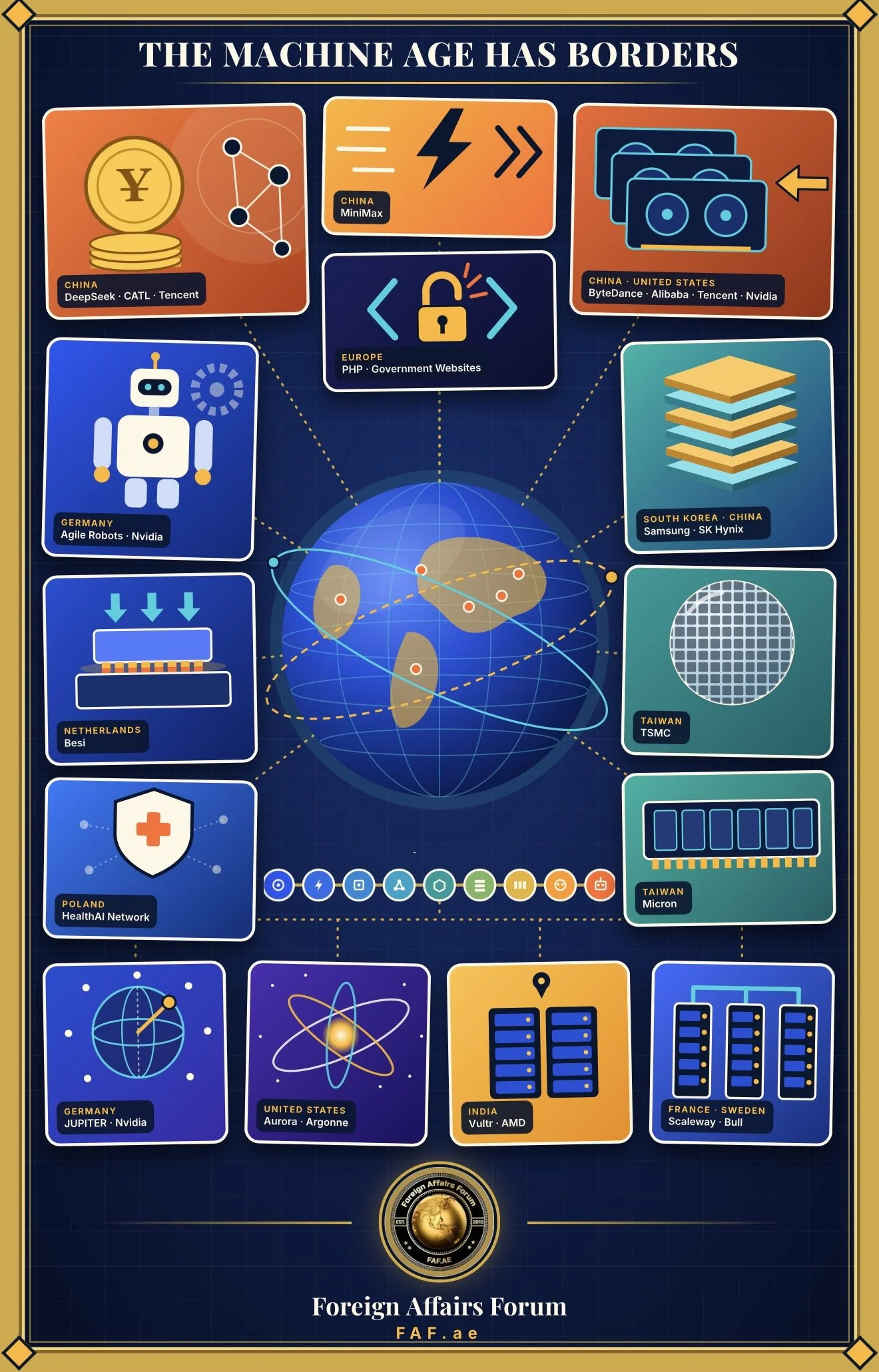
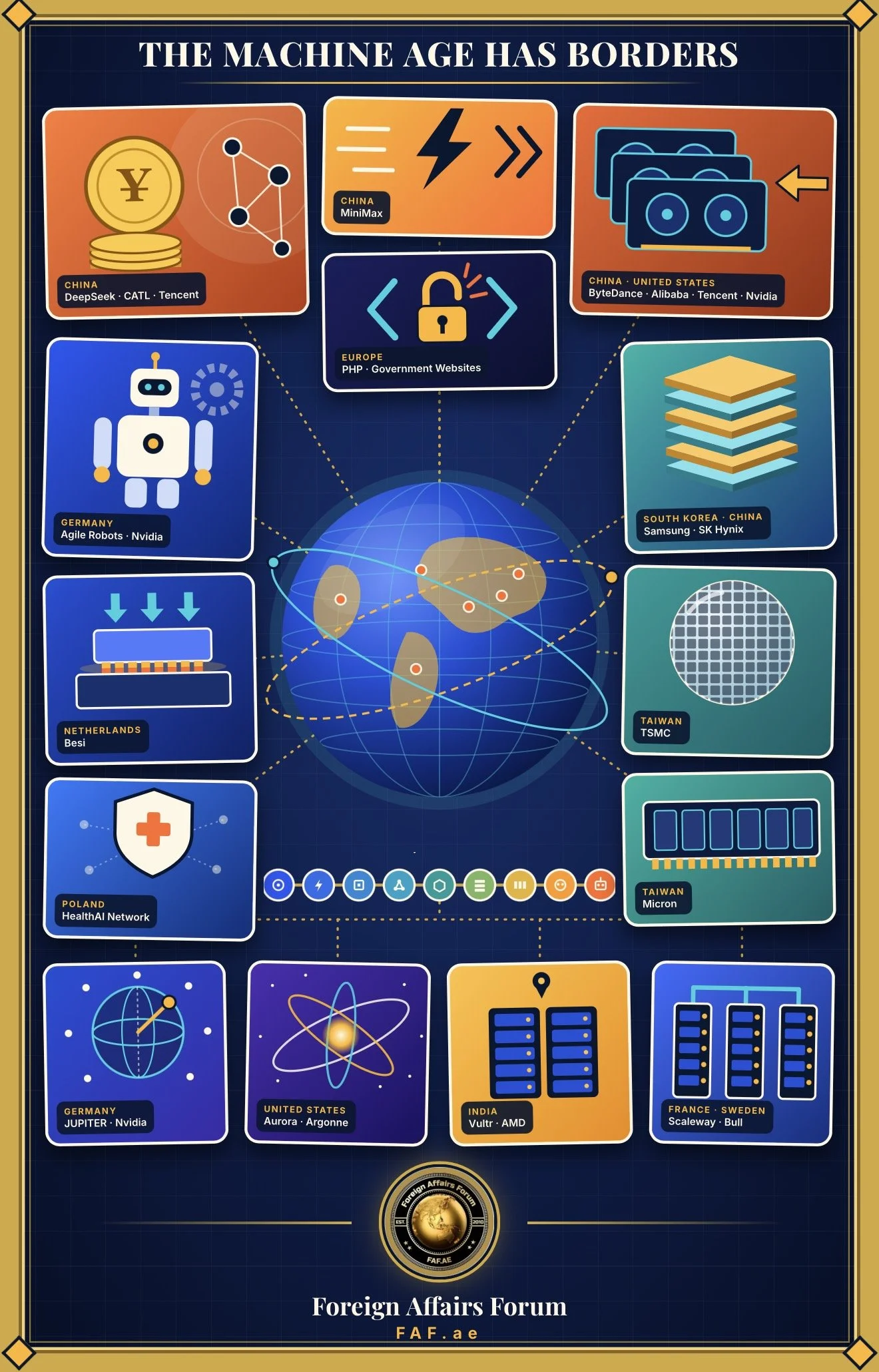
A Chinese company called DeepSeek is reported to be close to raising about $14.98 billion from investors, including the battery maker CATL and the technology company Tencent. The deal is not finished, and its terms could still change.
The company is also preparing for a possible listing on China's stock market.
Another Chinese firm, MiniMax, says its new model is nearly three times faster and about 70% cheaper to run.
That claim comes from the company itself and has not been independently checked. Still, cheaper and faster artificial intelligence means more businesses can afford to use it.
At the same time, three big Chinese technology firms, ByteDance, Alibaba and Tencent, have reportedly ordered more than 3 million Nvidia graphics cards, worth over $35 billion.
These cards are weaker than Nvidia's best, but American rules still allow them to be sold to China. Nvidia says it may not be able to fill all the orders. This shows that China wants two things at once: its own technology, and the best foreign technology it is allowed to buy.
Europe is choosing a different path.
A German company called Agile Robots plans to build between 1000-2000 humanoid robots in 2027, working with Nvidia.
Europe has long been good at precise engineering and factory machines, so it may not need to win the race for chatbots to become a leader in robots.
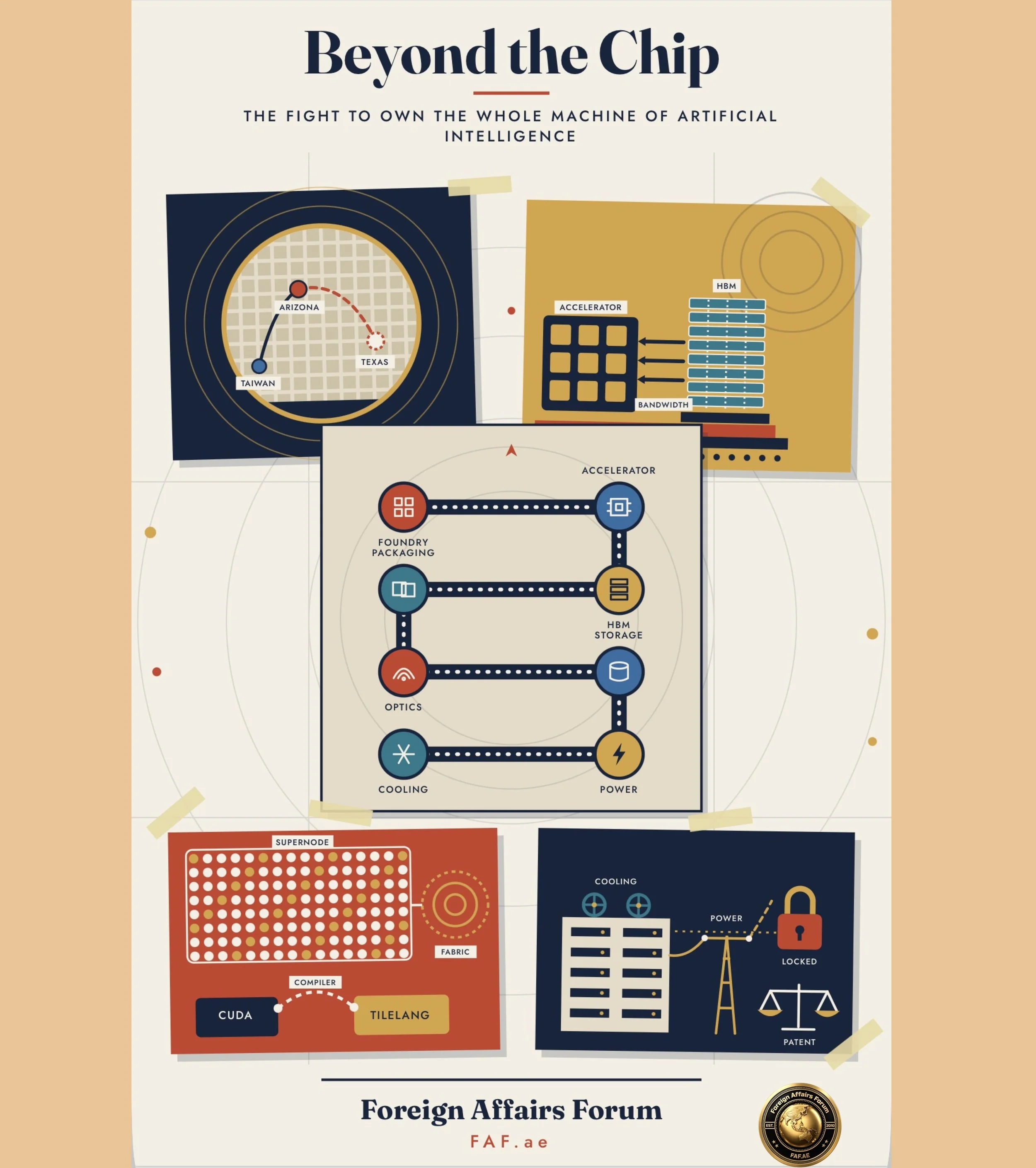
A Dutch company named Besi saw its orders jump 96% because AI chips now need to be joined together in very careful ways.
Dr. 🆎 puts it this way: "The next big advantage may come from how chips are connected, not just how small they are."
France is also building. Its government-owned company Bull has doubled the output of its supercomputer factory, and another French firm, Scaleway, plans a new AI supercomputer in Sweden.
In India, an American company called Vultr plans a large AI computer cluster in Chennai.
Both projects will use chips from AMD and its software, which gives customers an alternative to Nvidia.
These are plans, not finished buildings, but they show that many countries now want their own computing power.
Chips and memory are still made in only a few places, and that is a risk.
TSMC in Taiwan earned about NT$763.1 billion in profit in 3 months, 69% more than a year before, yet its leaders warned that 2027 looks uncertain.
Workers at Micron's plant in Taiwan planned a one-day strike over bonuses, and nobody knows yet how much it will affect production.
South Korea's Samsung and SK Hynix are upgrading their factories in China to make better memory chips, even though American rules limit their equipment.
The United States has to choose between slowing China and helping its own friends.
Supercomputers are also changing science. Germany's JUPITER machine simulated a quantum computer with one hundred and four qubits, which could point to ways of building real ones with far fewer parts. It is important to say that this was a simulation, not a working quantum computer. In the United States, the Aurora machine ran two giant simulations of how the universe grew, each following about thirteen point four trillion particles of dark matter.
There are dangers too.
Artificial intelligence helped researchers find serious hidden flaws in PHP, a programming language used by many websites.
Some government sites in Europe and elsewhere had to go offline while the problems were fixed, and attackers tried to use the weaknesses.
Dr. 🆎 warns: "We have entered an era of machine-speed discovery. Defenders must now fix problems as fast as attackers can find them." He also worries that the same power could someday help people with harmful biological plans. "Bioterrorism is the shadow that follows every leap in general intelligence," he says.
So what should be done?
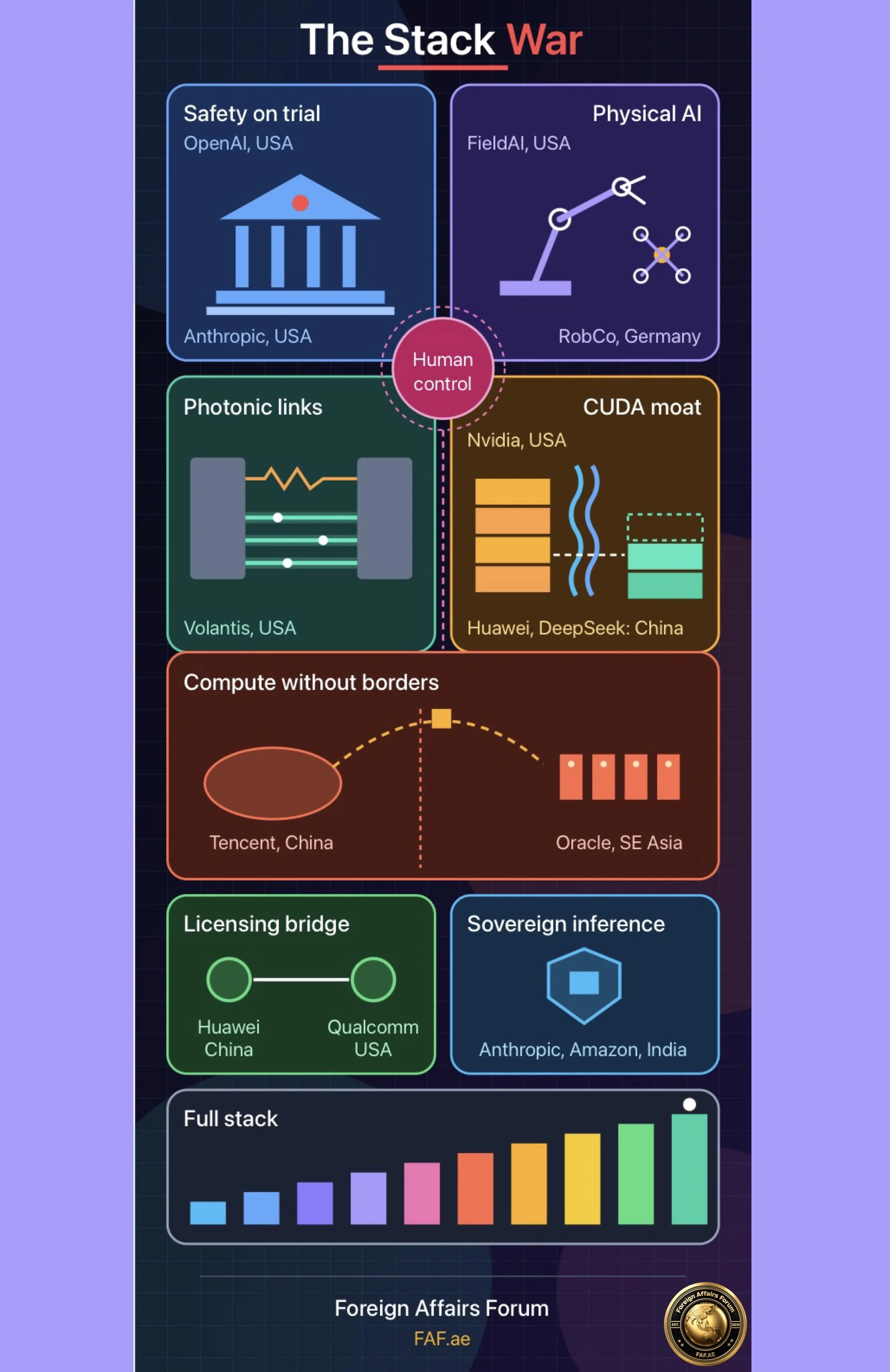
Governments should invest in the whole chain, not just the programs. They should keep close ties with friends and partners, and review whether their chip rules really work. They should build strong safety checks so that every powerful AI system has a responsible person in charge, a clear record of what it does, and a reliable way to stop it.
They should also prepare early for misuse in biology. Companies should look for chances in cybersecurity, robots, chip packaging and science computing, while remembering that supply chains can break and booms can fade.
The big question is no longer who has the smartest model. It is who can pay for, build, protect and improve the whole system, and keep it serving people.
Dr. 🆎 sums it up: "Technology without good institutions leads to disaster, and institutions without technology lead to irrelevance. We need both, with a human hand always on the lever."