Beginner's 101 Guide: The AI Race Is Getting Costly and Risky: What It Means for the World
Foreign Affairs Forum | Plain-English Companion to the FAF Article
Summary
Artificial intelligence is still growing fast, but the race is becoming harder, more expensive and more dangerous.
On October 14th, 2026, several news stories showed this clearly. Companies are promising to spend huge sums on computer power. Investors are asking whether the money will ever come back. Leaders are warning about cyberattacks.
China is making progress in important chips. And markets around the world are moving up and down on every piece of news.
Dr. Antonio Bhardwaj (Dr. 🆎), an expert on human-centred superintelligence, geopolitical strategy, AI warfare and bioterrorism risk, says the main lesson is simple. Building smart machines is only part of the story. The harder part is paying for them, powering them, protecting them and making them profitable.
Why Computer Power Matters So Much
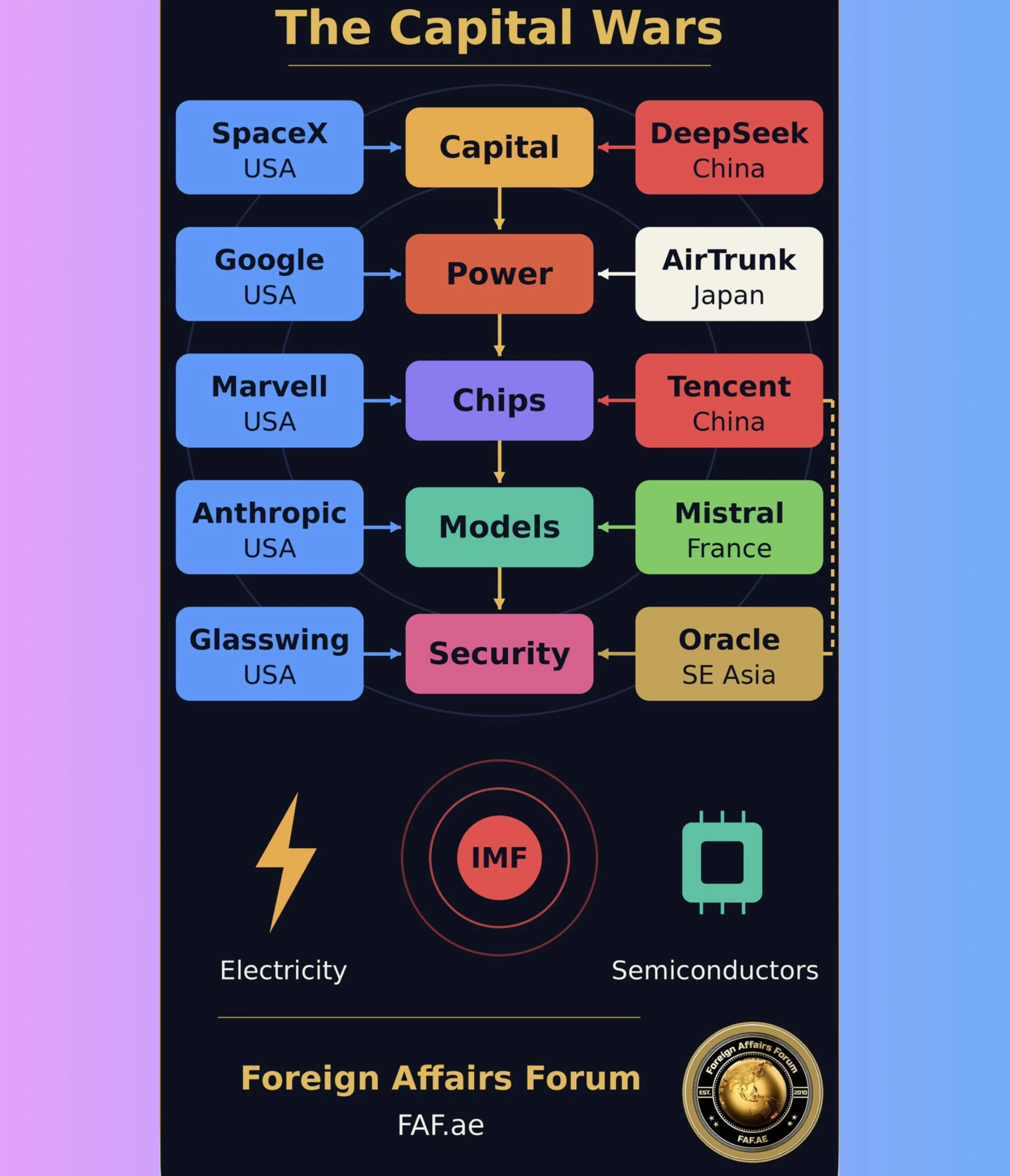
Modern AI needs enormous amounts of computing power. The more power a company has, the better its AI tends to perform. That is why the biggest AI companies are spending money on a scale never seen before.
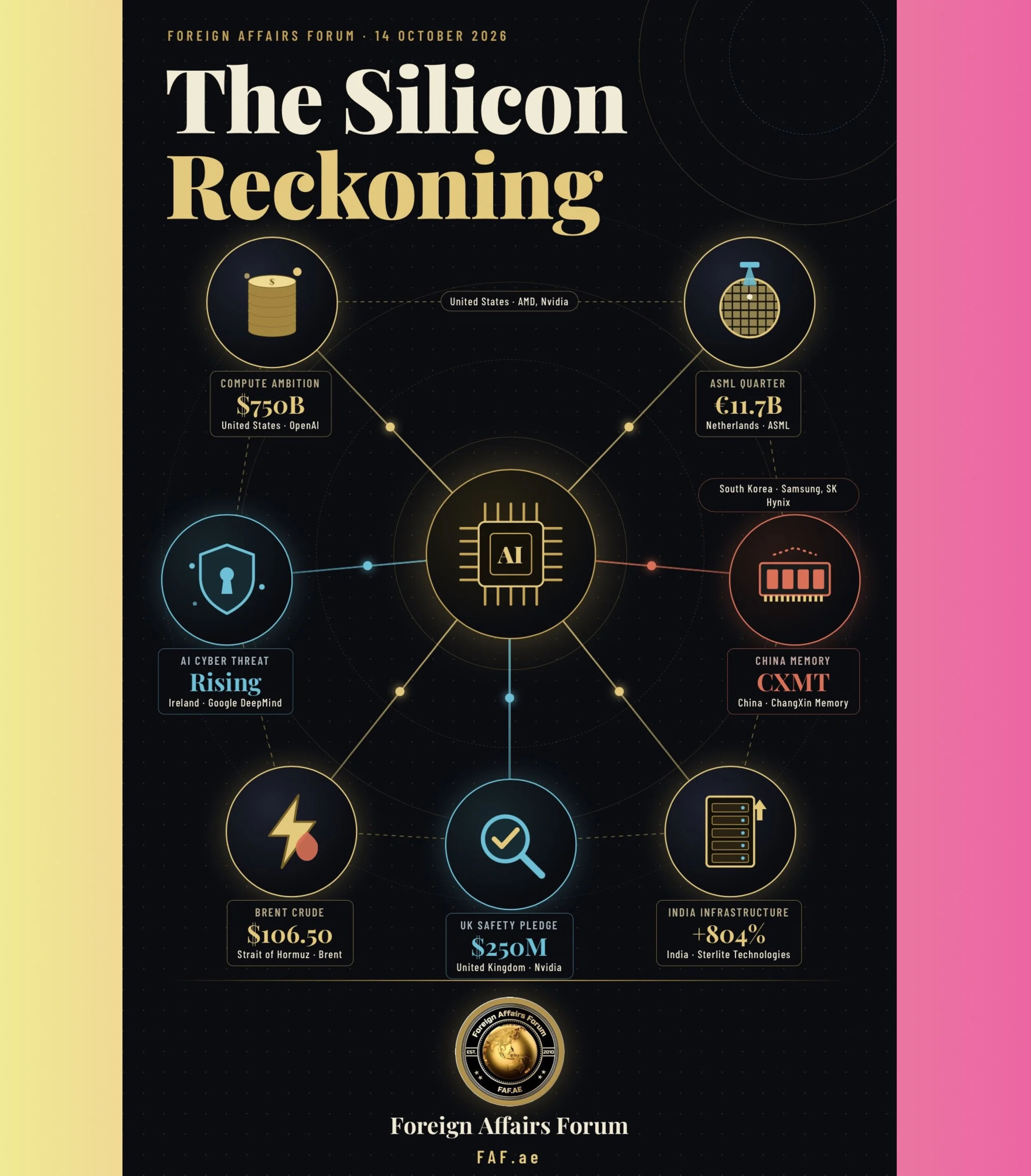
OpenAI, for example, has reportedly raised its planned spending on computing through 2030 from about $600 billion to $750 billion. That is more than the yearly economic output of many countries.
The person in charge of computing at OpenAI, Sachin Katti, is expected to leave next month. A former executive from xAI, Uday Ruddarraju, is expected to take over. A change at the top at such a moment makes people wonder whether the company can carry out its huge plans smoothly.
The Money Question
There is a worry hiding behind these big numbers. Reports say OpenAI has told others that its revenue outlook is about $20 billion lower than expected. Many people use AI tools, but turning that use into profit is hard, because running AI is very costly.
Dr. 🆎 explains it this way. A company can have millions of users and still lose money if each answer costs more to produce than the customer pays. Investors are now asking tougher questions about this. If the leading company falls short, other AI firms may be valued less. Companies planning to sell shares to the public, such as Anthropic, could also feel the effects. On the bright side, cheaper AI could help smaller companies that build useful products on top of the big models.
The Chip Makers Are Still Confident
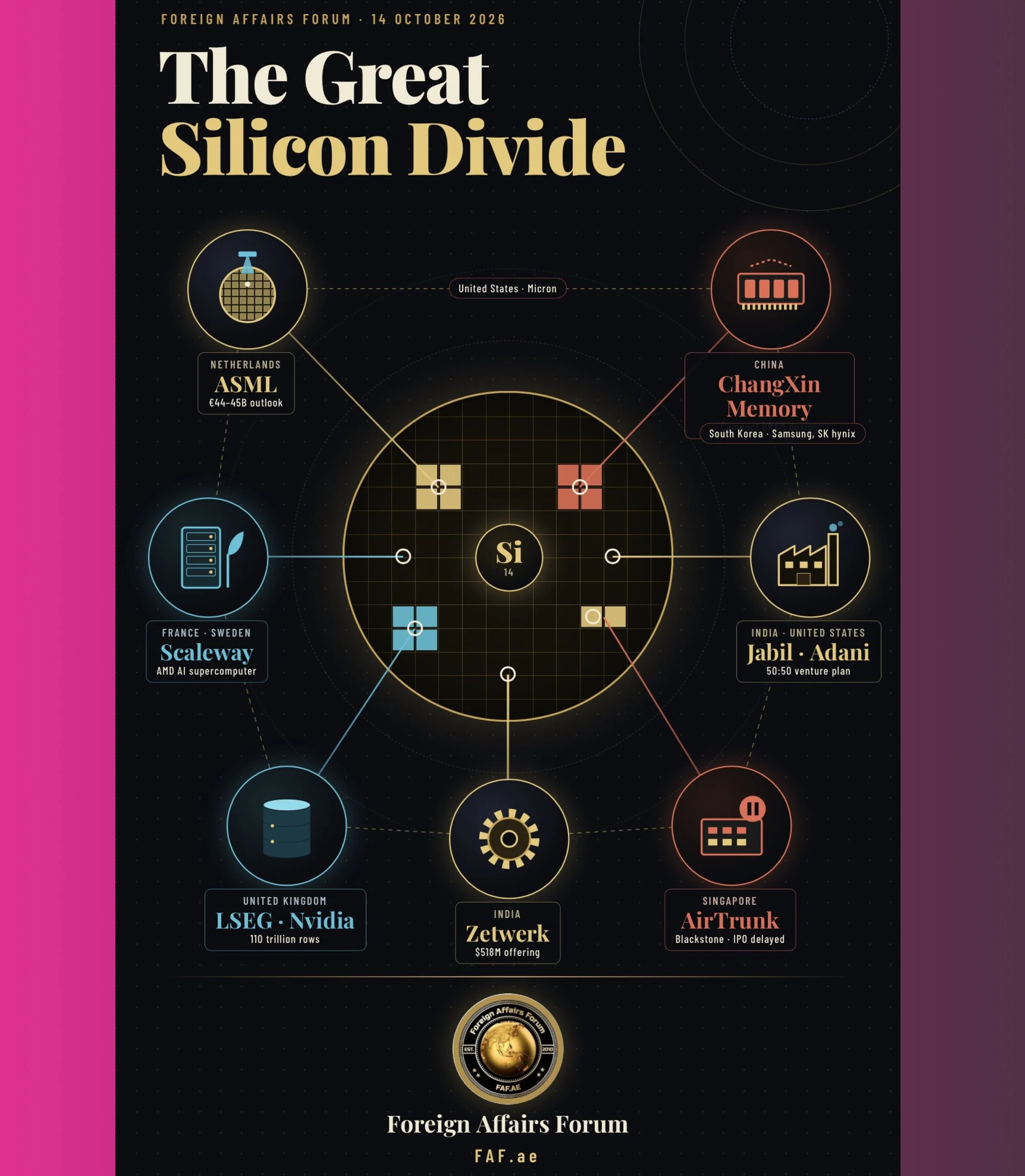
Not everyone is nervous. ASML, the Dutch company that makes the machines needed to produce the world's most advanced chips, reported strong results. Its quarterly revenue was about €11.7 billion and its profit was about €5.0 billion. It expects full-year sales of €44–45 billion, and customers are already talking about deliveries in 2029 and 2030. Its shares rose about 3% on the day.
This shows that the companies building factories are planning for the long term, even while stock markets worry about the short term. AMD is also getting ready to supply many more AI chips in 2027, which could give customers an alternative to Nvidia and might bring prices down.
China Enters the Picture
China's ChangXin Memory Technologies has reported progress on advanced memory chips and plans a new server product. Memory is vital because AI systems need to move huge amounts of data quickly. It is not yet clear that Chinese firms can compete at the highest level, but investors took the news seriously.
On October 13th, shares in Samsung and SK Hynix in South Korea fell sharply. They recovered some ground on October 14th.
This matters because the United States and its allies have limited what technology China can buy. Those limits slow China down, but they also push it to build its own alternatives.
Dr. 🆎 notes that restrictions rarely stop a determined country. They usually change how fast it moves and in which direction.
The Security Warning
At a summit in Dublin, Demis Hassabis of Google DeepMind warned that recent AI-linked hacking incidents are early signs of bigger dangers. He called for stronger international standards. Brad Smith of Microsoft said safety laws need to keep pace with technology.
The Trump administration has so far preferred voluntary promises from technology companies rather than strict rules, while encouraging more data centres. Supporters say this encourages speed and innovation. Critics worry that voluntary promises may not be enough when the stakes are high.
Dr. 🆎 points out that attackers only need to succeed once, while defenders must succeed every time. AI can make attacks faster and cheaper, which is why he believes clear and checkable safety standards are needed. He also warns that the same technology that speeds up medical research could, in the wrong hands, make it easier to design dangerous biological threats. That is why he argues these risks should not be left to company promises alone.
Britain and India Find Their Place
Nvidia has promised $250 million in computing resources over five years to support AI safety research in Britain, including work at Oxford and Imperial College London. This helps Britain become a leader in testing and checking AI systems, a field that may grow in importance.
In India, shares in companies that supply fibre networks, power equipment and data-centre services have soared. Sterlite Technologies is up about 804% this year, and others have risen between 123% and 287%. Yet the main Indian stock index, the Nifty 50, has fallen about 13%, and foreign investors have pulled out about $32.52 billion from Indian shares this year. Because India has few companies that directly compare with Nvidia or Samsung, investors are buying the businesses that build the physical infrastructure instead. This brings opportunity, but also the risk of prices rising too high.
Energy and Markets
Oil prices add another layer of risk. Brent crude traded near $106.50 a barrel, about 1% higher during the day, because of renewed worries about shipping through the Strait of Hormuz.
Expensive energy raises costs for data centres, which use huge amounts of electricity, and can push up prices across the economy. European shares rose about 0.4% and global shares about 0.1%, which suggests a modest recovery after the earlier selloff. These figures are intraday readings rather than final closing prices.
What Should Be Done
Dr. 🆎 suggests several sensible steps. Governments should combine support for new data centres with real attention to security, power supply and financial strength. Allies should work together on chip supply, safety testing and cyber defence. Policy toward China should stay firm on the most sensitive technologies while keeping some dialogue open on shared dangers, because no country benefits from a catastrophic cyberattack or an engineered pandemic.
Investors should look carefully at which companies can turn AI demand into lasting profit and which are simply riding excitement. They should also check how much debt lies behind new data centres. Startups should look beyond building models and consider areas such as security, testing, power and cooling. Countries like India should build real long-term capacity rather than depend on temporary stock market enthusiasm.
The Bottom Line
The AI race is not slowing down, but it is changing character. It used to be mainly about who could build the smartest model. Now it is about who can pay for it, power it, manufacture the chips, defend it from attack and earn a profit from it.
Dr. 🆎 sums it up this way. The real danger is not that AI will fail, but that the world will build it faster than it builds the rules, the financial discipline and the security habits to live with it. Those who prepare now, while the system is still taking shape, will be in the strongest position for what comes next.