Beginner's Guide : The Silicon Race
Introduction
Computer chips are tiny pieces of silicon that act as the brains of almost every modern machine. They run phones, cars, hospitals, factories, and the artificial intelligence programs that are changing how people work. Because chips matter so much, countries and companies are now fighting over who can make them, who can buy them, and who can pay for them.
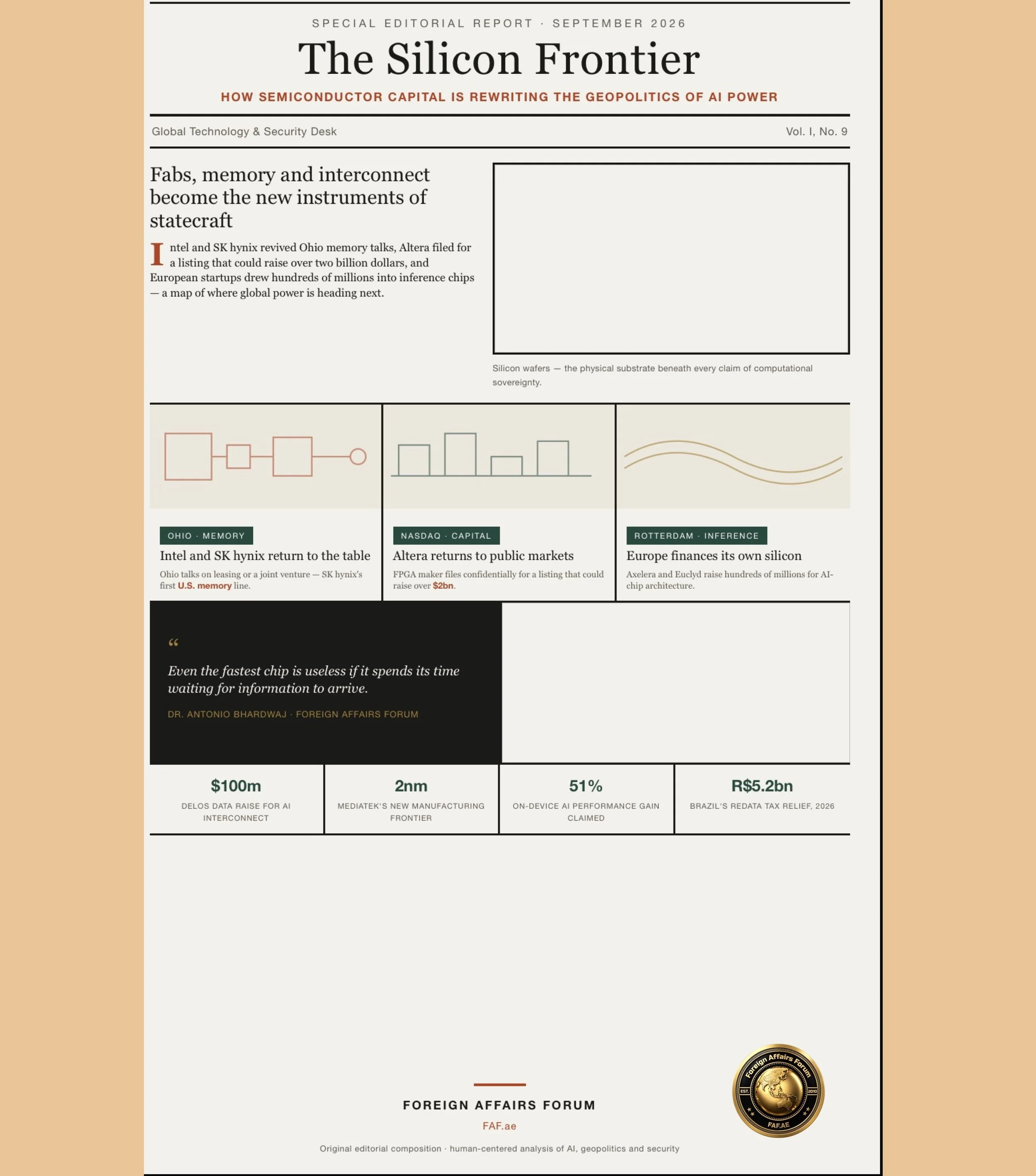
Dr. Antonio Bhardwaj (Dr. 🆎), a global expert in superintelligence who studies how artificial intelligence affects politics, war, and biological threats, says that chips have become a form of power. In his view, the country or company that controls the making of chips also controls much of the future. The news from the first days of October 2026 shows why.
A Short History
Chips began as a tool of the Cold War, when the American military was one of the first big customers. Over time, the industry spread around the world. Chip designs came mostly from the United States, special machines came from the United States, Japan, and the Netherlands, memory came from South Korea, and the most advanced factories were built in Taiwan. This system made chips cheap and powerful, but it also meant that a few places held too much control.
Problems became clear when the pandemic caused chip shortages that stopped car factories. Governments also began using chips as a political tool. In 2019 the United States put limits on the Chinese company Huawei, and in 2022 it placed wider limits on selling advanced chips and chipmaking machines to China. Many other countries responded by offering money to build their own factories. Then the artificial intelligence boom arrived and made the demand for chips larger than ever before.
The Biggest News: Terafab and TSMC
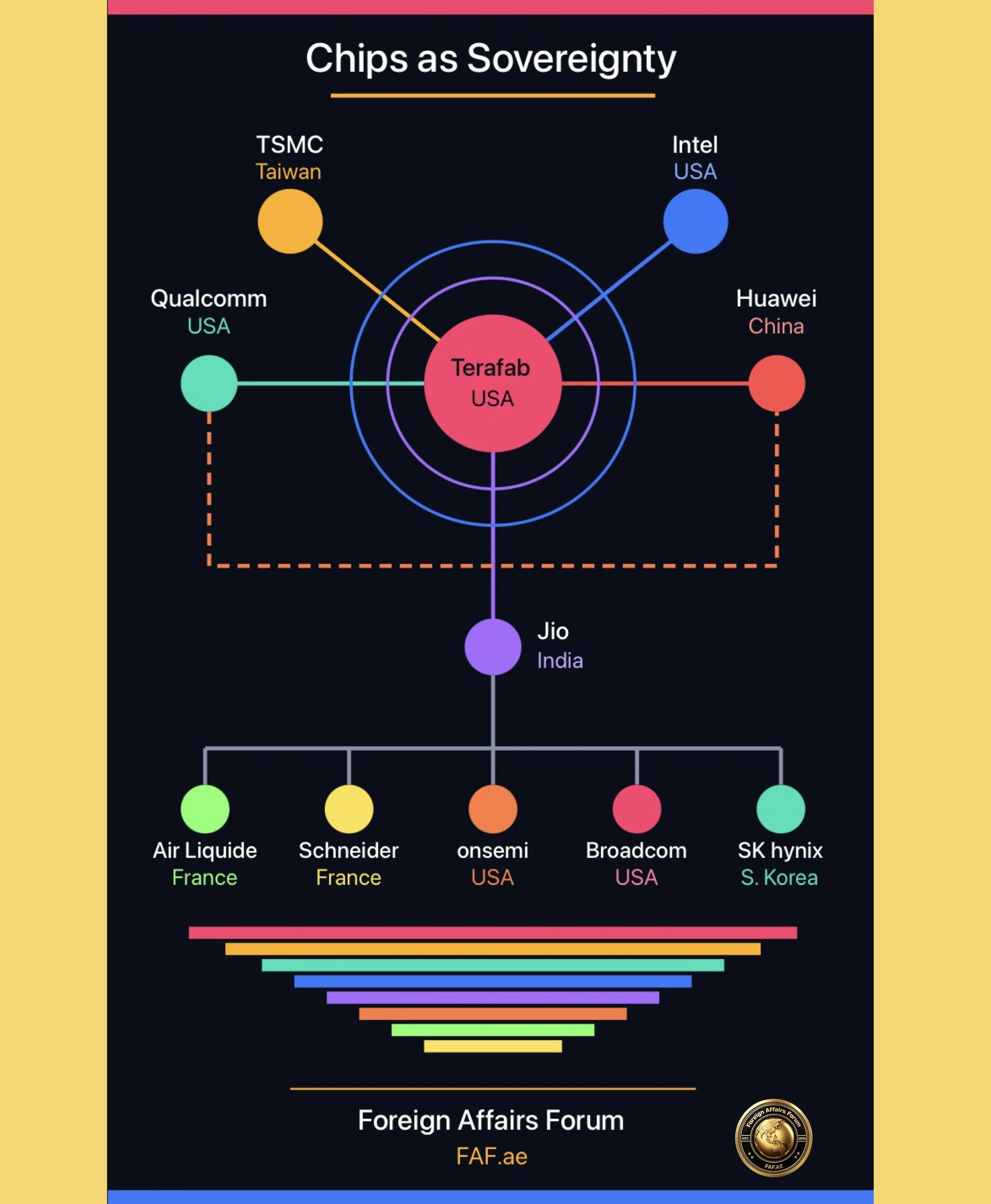
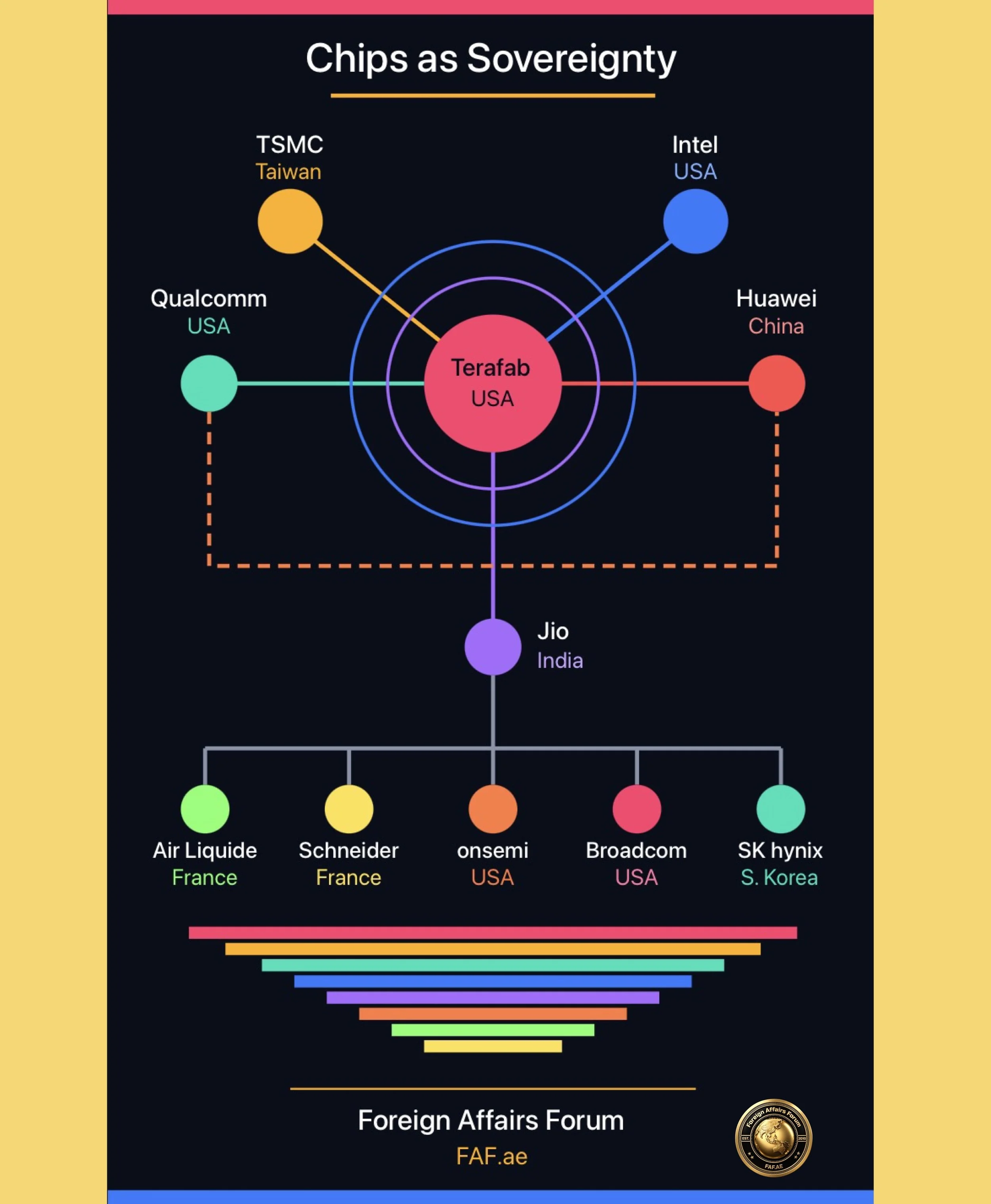
The most important story is that Elon Musk is talking with TSMC, the world's leading chipmaker, about joining a huge project called Terafab. The project would make chips for his companies Tesla, SpaceX, and xAI. Its goal is to produce one terawatt of computing power every year, which is an enormous amount.
Intel was already named as a partner for the project. Musk says TSMC would probably join Intel rather than replace it. The talks are still going on, so nothing is final. Still, the idea shows that big companies now want to control every step, from designing chips to making them and using them.
Dr. 🆎 warns that when one company controls so much, it starts to look like a small government, and rules for such companies need to be updated.
A Deal Across a Divide
Another surprise came from the phone-chip company Qualcomm and China's Huawei.
They agreed on a multi-year deal to share patents covering artificial intelligence, computing, networking, and 5G. The two companies sit on opposite sides of the technology rivalry between the United States and China. Yet the deal shows that ideas and patents can still cross the border even when physical chips are limited.
Dr. 🆎 says the world is not splitting in two cleanly, because companies still find reasons to work together.
India's Big Moment
In India, Jio Platforms plans to sell shares to the public starting on October 21st. It hopes to raise about $3.8 billion, which would be the largest share sale in the country's history. The old record was $2.9 billion, set by Hyundai Motor India in 2024. Trading is planned to begin on October 28th.
Most of the money will be used to reduce debt. Jio is not a chip maker, but it is building the cloud and computing systems that India will need for artificial intelligence.
The Hidden Parts of the Boom
Chips are not the only businesses that are growing. Air Liquide, a French company that sells industrial gases, says its electronics business should grow by more than 10% a year.
Chip factories need extremely clean gases, so every new factory means more orders for companies like this one.
Power and software are also growing.
Schneider Electric agreed to buy the software company PTC for about $22.6 billion, or $205 per share. The deal should finish in the third quarter of 2027.
Investors were not happy, and Schneider shares fell about 10%, but the company believes that smart software can make data centres use their power more efficiently.
On the smaller side, onsemi changed its deal to buy Synaptics into a cash purchase worth about $5.7 billion, or $123 per share.
Synaptics makes chips for connected devices, and onsemi is strong in car and factory technology. Together they could help build robots and machines that think for themselves, without needing the cloud.
The Money Problem
The biggest worry is how all of this is paid for. New analysis suggests that the money going into artificial intelligence is larger than in earlier technology booms, such as the building of the railways and telephone networks. Some of those booms ended with many investors losing money.
The new deals are creative but risky.
Broadcom has agreed to provide up to $42 billion in financing to help Anthropic pay for custom computing chips. Amazon is looking at a plan to move about $8 billion worth of Nvidia chips to outside investors and rent them back.
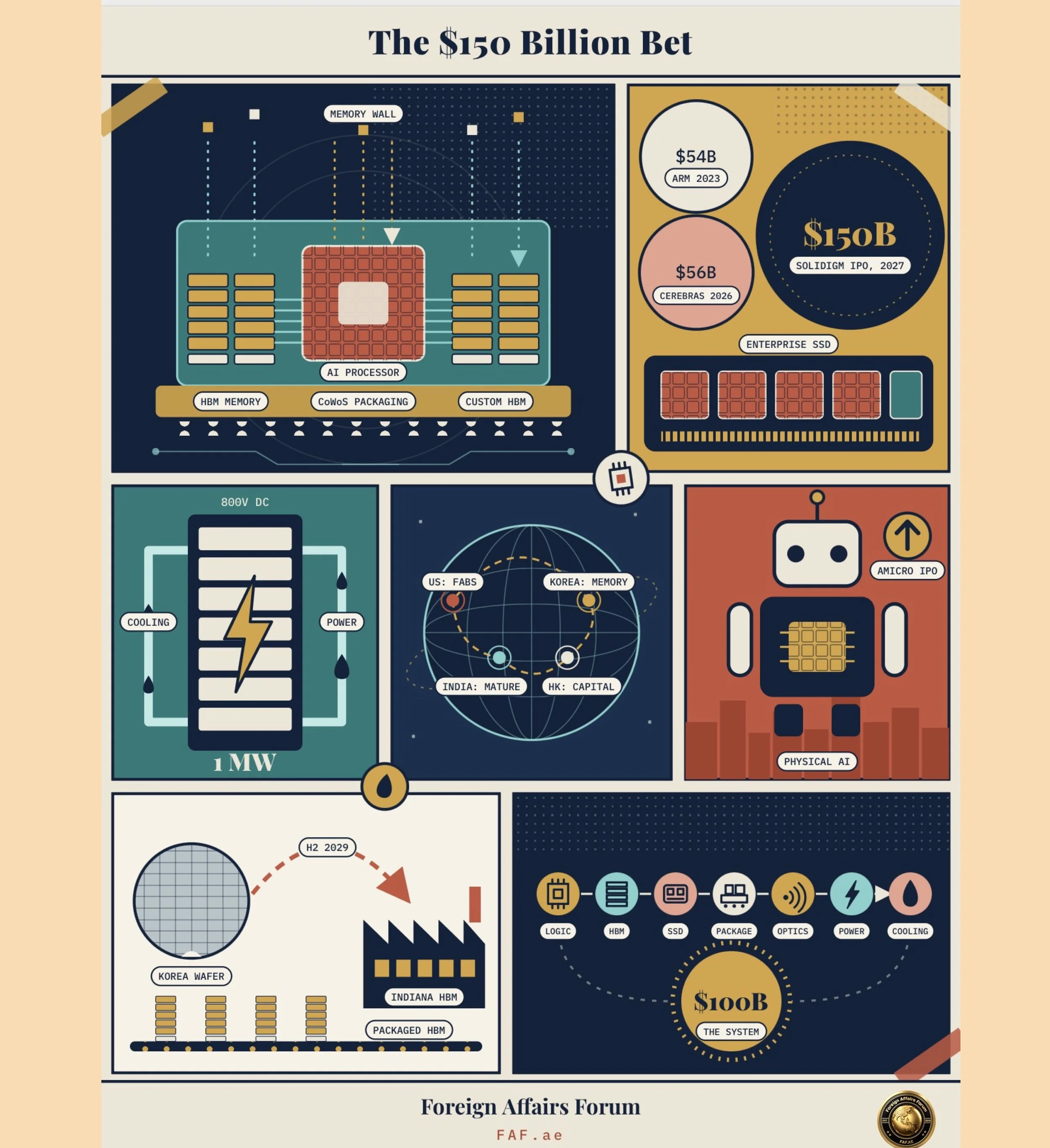
In plain terms, chips are being treated like buildings or power plants that can be financed. If the artificial intelligence business earns less money than people expect, trouble could spread quickly through chip orders, building projects, and company values. Another big sale to watch is Solidigm, the memory business owned by SK hynix. It could be valued at up to $150 billion and raise around $15 billion, possibly in 2027, though the plans are not final.
Why These Events Are Connected
All these stories share the same causes. Companies believe that more computing power leads to better artificial intelligence, so they spend heavily. Governments fear dependence on others, so they try to build chip factories at home. Key parts of the supply chain are scarce, so companies buy or partner with each other to protect themselves. Easy money lets everyone spend even more, which in turn makes the demand look even stronger. This loop can keep a boom going, but it can also make a fall much harder.
Dr. 🆎 says each of these choices is really a human decision about trust, risk, and ambition, now built into machines that will last for many years.
What Should Happen Next
Dr. 🆎 and others suggest several steps. Governments should require clear information about how chip deals are financed. Countries should build new factories at a sensible pace and train enough skilled workers. Materials, gases, and power systems should be protected as important infrastructure. Rules about patents and technology sharing should be decided on purpose rather than by accident. Most of all, there should be strong human-centered rules for artificial intelligence in the physical world, so that people can always override and inspect machines that matter. Investors should also be careful to tell the difference between lasting needs and temporary shortages.
Conclusion
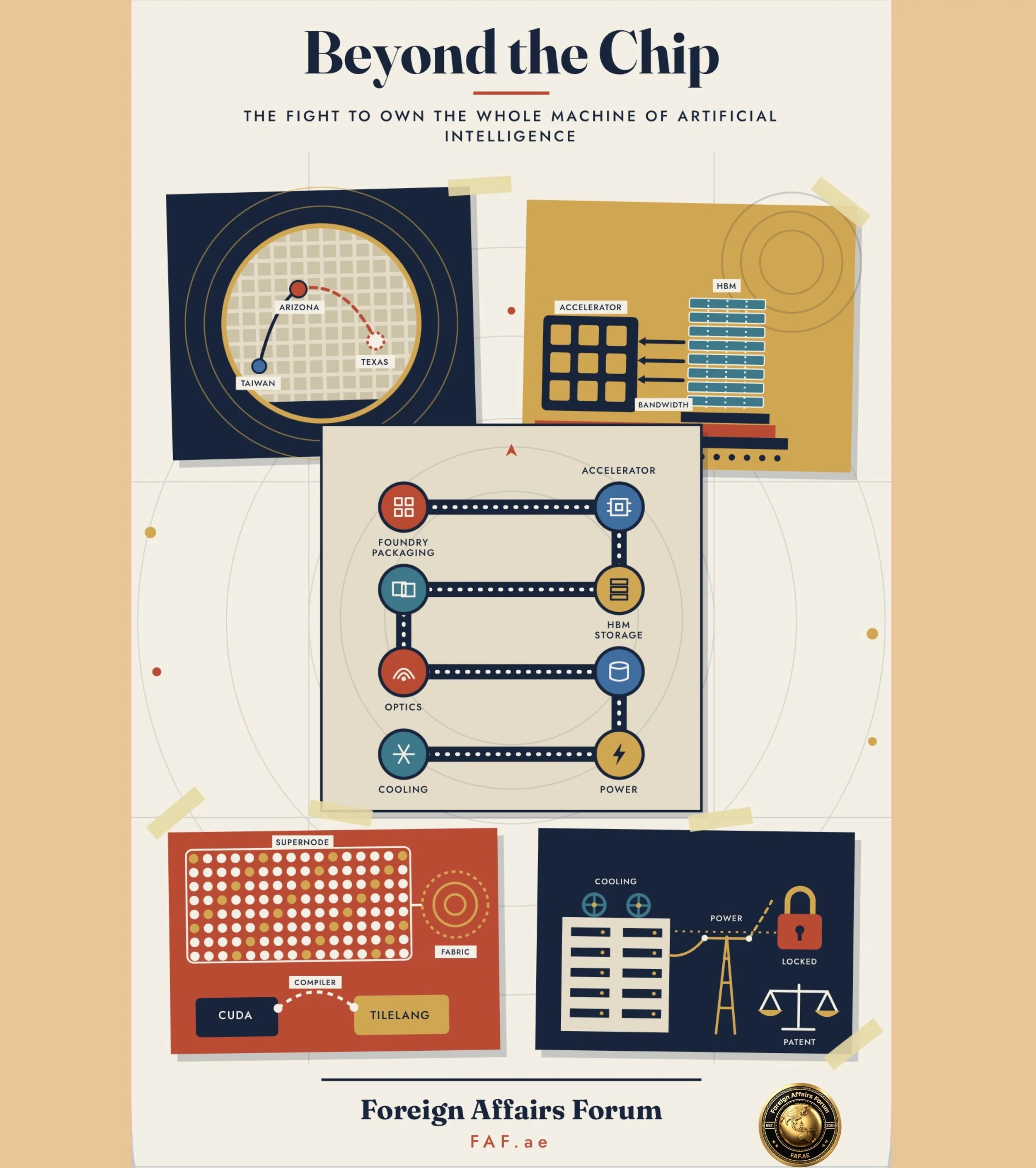
The news of early October 2026 shows that the race is changing. It is no longer just about who can buy the most chips. It is about who controls where chips are designed, made, powered, and used. Whoever holds that control holds a kind of national and corporate independence. The challenge ahead is to keep building quickly while also building the rules and habits that keep technology safe, fair, and accountable.
Dr. 🆎 believes that the real test is not whether we can build stronger machines, but whether we can build wise institutions to guide them.