When Trying to Help Makes Things Worse: How America’s Venezuela Plan Could Hurt Instead
Summary
Imagine you have a neighbor whose house is falling apart. The roof leaks, the pipes are broken, and the family inside is hungry. You want to help, so you decide to remove the bad landlord who caused these problems. That seems like a good idea. But what if, after you remove him, you also cut off all the money that paid for repairs? What if you block the roads so no food can be delivered? And what if the family members who could fix things all start fighting with each other about who is in charge? Now you have a house that is not just falling apart, but completely collapsing, with hungry people inside who cannot help themselves. This is what is happening in Venezuela right now.
Venezuela is a country in South America that used to be rich because of its oil. Oil is like black gold that other countries buy to make gasoline and other products. For many years, Venezuela sold this oil and used the money to build schools, hospitals, and roads. The government also gave people cheap food and free medical care. But when the price of oil went down, the country started having problems. The leader at that time, Hugo Chávez, died in 2013, and his friend Nicolás Maduro took over.
Maduro did not know how to fix the economic problems, and things got worse very quickly.
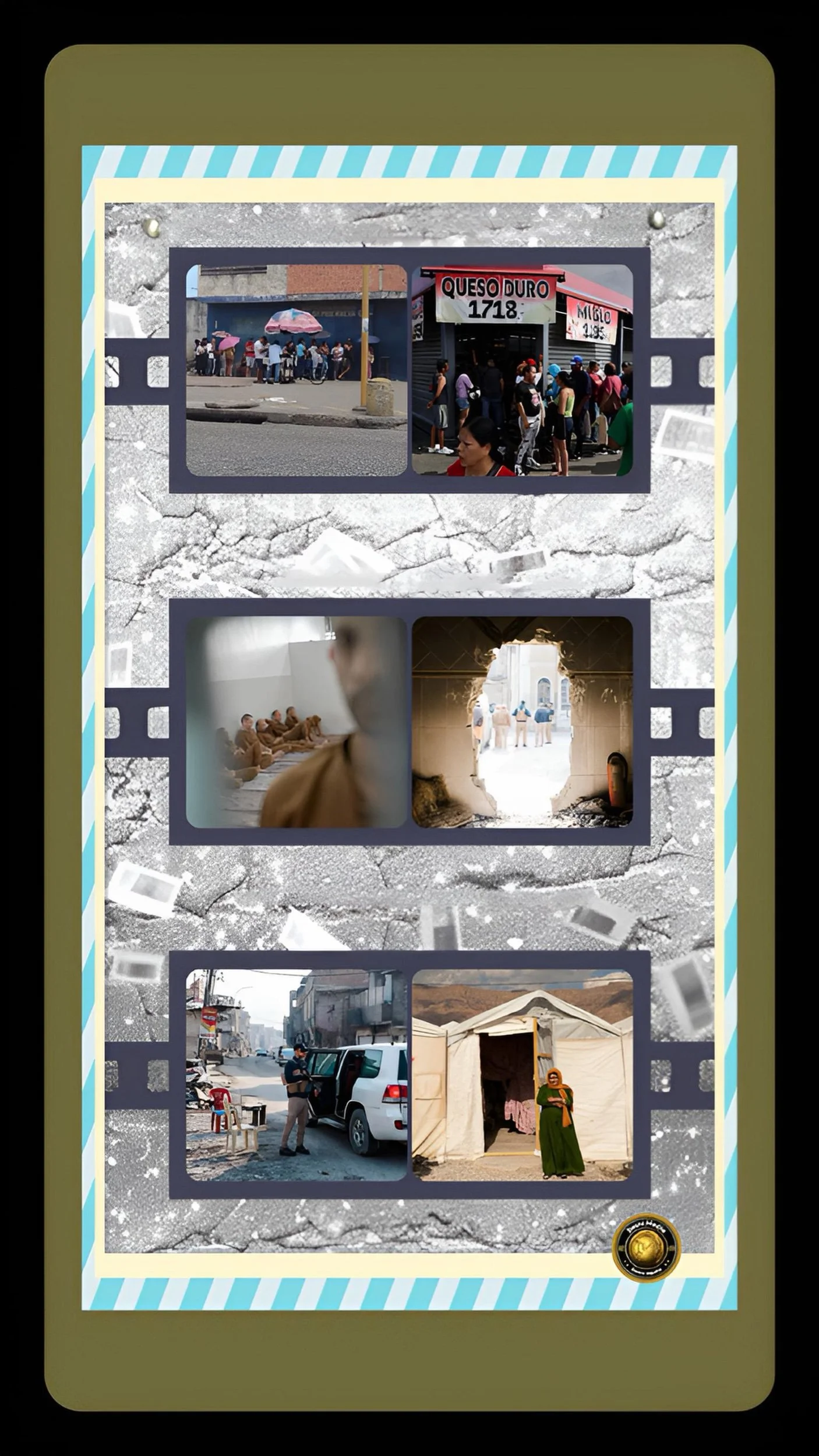
The economy started to break down. Money became worthless. Imagine if a loaf of bread cost one dollar today, ten dollars tomorrow, and one hundred dollars next week. This is called hyperinflation, and it happened in Venezuela. People could not afford to buy food for their families. Stores were empty. Hospitals ran out of medicine. More than seven million people, which is like everyone in New York City leaving their homes, moved to other countries to find work and food. This was already a terrible situation before the United States decided to get more involved.
The United States government said that Maduro was a bad leader who hurt his own people and worked with drug traffickers. They put sanctions on Venezuela, which means American companies could not do business with them.
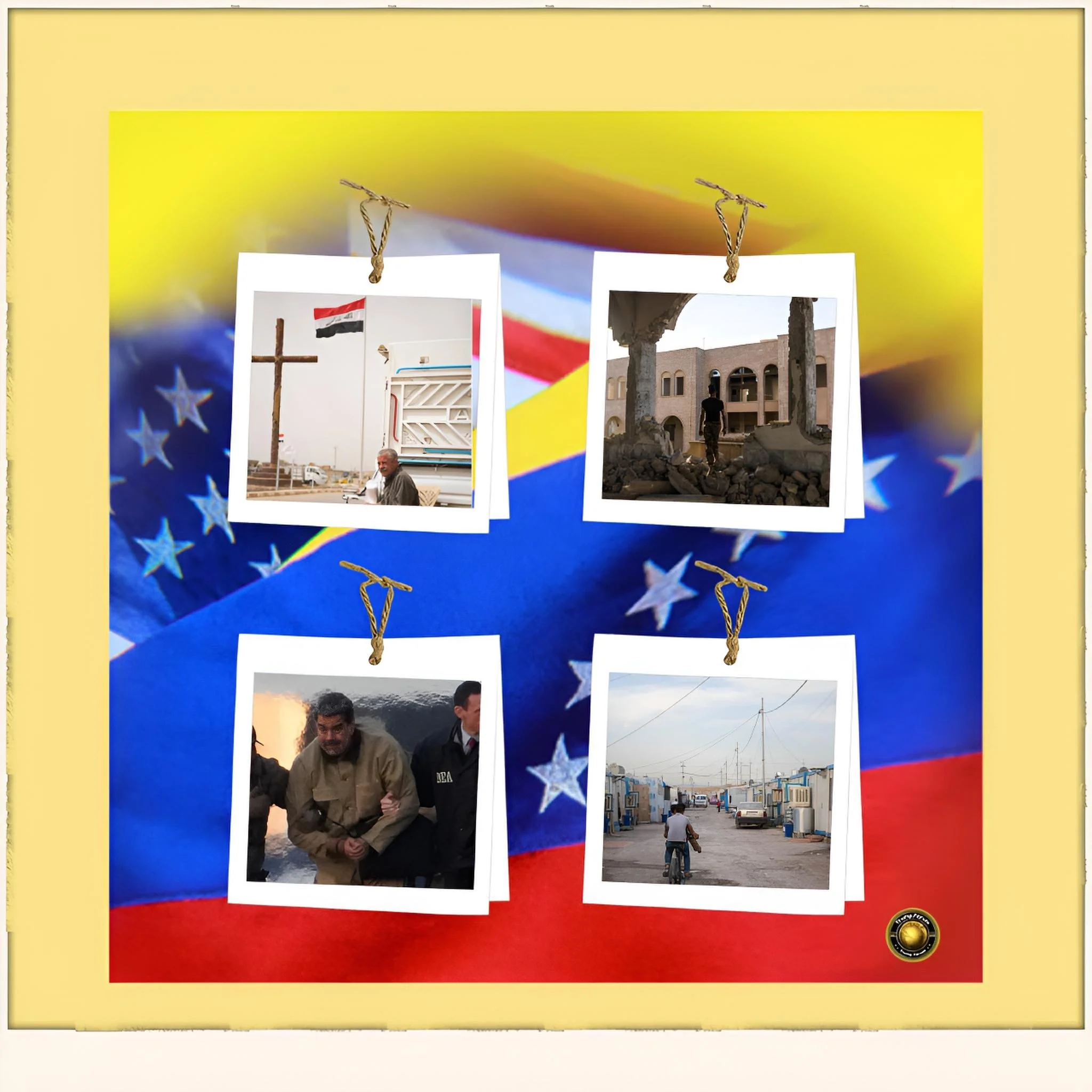
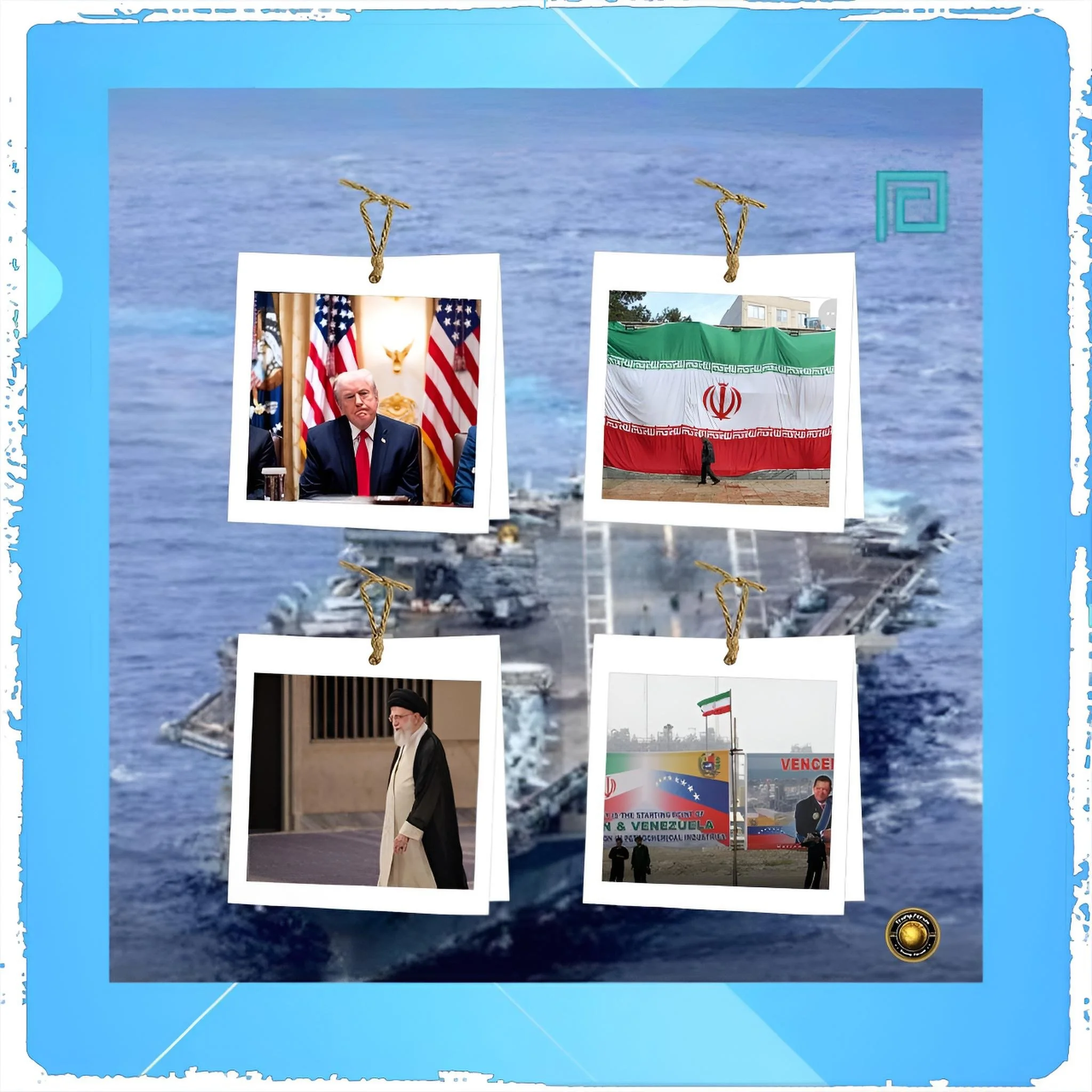
This made the economic problems worse because Venezuela could not sell its oil easily or buy the things it needed. Then, in January 2026, American soldiers went into Caracas, the capital city, and captured Maduro. They flew him out of the country in the middle of the night. The American president said this was necessary to stop drug trafficking and help the Venezuelan people get democracy.
But here is where the problems begin. When you remove a leader, you need to have someone ready to take their place who can actually govern the country.
In Iraq, when American forces removed Saddam Hussein in 2003, they did not have a good plan for what came next. The Iraqi government fell apart, different groups started fighting each other, and terrorists came in and took over large parts of the country. This lasted for many years and cost many lives. The same thing is now happening in Venezuela.
After capturing Maduro, the United States said that the vice president, Delcy Rodríguez, could be the temporary leader. But she was part of Maduro's team for many years. The people who opposed Maduro, like María Corina Machado and Edmundo González, were not chosen to lead even though many countries recognized them as the real winners of the last election.
This made the opposition supporters very angry and divided the country even more. Now there are three different groups claiming they should be in charge, and none of them have full control.
The biggest problem is that the country has no money to function. Venezuela depends on oil sales for nearly all of its income. The United States has blocked most oil tankers from leaving Venezuelan ports. This means the government cannot pay its workers. Three million people work for the government, including teachers, doctors, police officers, and soldiers. If they do not get paid, they will stop working.
The oil company, PDVSA, is falling apart because it cannot buy spare parts or hire experts to keep the oil flowing. Without oil money, Venezuela cannot import food or medicine. The people who are already hungry and sick will suffer even more.
The security situation is also getting worse. The army and police are not sure who to follow. Some soldiers might start their own groups and take control of neighborhoods or oil fields. There are already armed gangs called colectivos that work with the government. If the government falls apart, these gangs will just work for themselves and become like warlords. They will control different parts of the country and fight each other. This is exactly what happened in Iraq and in Libya when their governments collapsed. Regular people get caught in the middle and suffer the most.
Neighboring countries are worried too.
Colombia, which shares a long border with Venezuela, is already dealing with Venezuelan refugees who crossed the border looking for food and work. If the situation gets worse, millions more could come, and Colombia does not have enough jobs or housing for them.
Brazil is also concerned about more refugees coming to its northern states. The Caribbean islands that used to get cheap oil from Venezuela will now have energy problems. The whole region could become unstable.
Other powerful countries are getting involved in ways that make things more complicated.
Russia and China have supported Maduro and said the United States should release him. They continue to buy some Venezuelan oil and send supplies. This means Venezuela is now part of a bigger fight between the United States and its rivals. The Venezuelan people are stuck in the middle of this global power struggle.
The humanitarian crisis is already very bad and getting worse. More than 70% of families do not have enough food. Hospitals do not have basic medicines for diabetes, high blood pressure, or infections. Children are dying from preventable diseases because they are malnourished.
Humanitarian organizations that want to help are having trouble getting into the country because of security problems and American restrictions on financial transactions. This means aid cannot reach the people who need it most.
The American government says it wants to help Venezuelans get freedom and democracy. But the way they are doing it might cause more suffering, not less. When you take away a country's ability to earn money, you hurt regular people, not just the leaders. When you remove a government without having a strong replacement ready, you create chaos.
When you divide the opposition and support the old regime's second-in-command, you show that democracy is not really the goal.
The lesson from Iraq is clear: winning a war is easier than building peace. In Iraq, American forces defeated Saddam's army quickly, but then spent years fighting insurgents and trying to rebuild a broken country.
Thousands of American soldiers died, and hundreds of thousands of Iraqis were killed or injured. The country is still unstable today, more than twenty years later. Venezuela could be even worse because its economy was already destroyed before any military action happened.
There are some important choices that need to be made. The United States could ease the sanctions and let Venezuela sell oil again so the government can pay workers and buy food. This would help regular people but would also help the Chavista leaders stay in power. America could support the democratic opposition and push for new elections, but this might cause the army to fight back and start a civil war. Or America could send more troops and try to run the country directly, but this would be very expensive and unpopular, just like in Iraq.
The most likely scenario is that America will keep the pressure on but not commit to fixing the country. This means Venezuela will slowly fall apart, with periods of crisis followed by temporary fixes. The people will continue to suffer, and the region will remain unstable. This is called a quagmire, a situation where you are stuck and cannot move forward or backward without great difficulty.
The tragedy of Venezuela is that it did not have to be this way. The international community could have worked together to support a peaceful transition of power. The opposition could have united behind one leader with a clear plan. The United States could have used sanctions more carefully to target only the corrupt leaders, not the whole economy. But these opportunities were missed, and now Venezuela faces a future of chaos and suffering.
The people who will pay the highest price are not the politicians or the soldiers. They are the mothers who cannot feed their children, the sick people who cannot get medicine, the students whose schools have closed, and the workers who have lost their jobs. They are the ordinary Venezuelans who just want to live in peace and have a chance for a better life. America's plan to save them may end up destroying what little they have left.
When we look at what happened in Iraq, we see the same pattern. Good intentions led to bad planning. Military success led to political failure. Removing a dictator led to chaos and violence. The people who celebrated the fall of Saddam soon found themselves living in a war zone.
The same thing is happening in Venezuela today. The capture of Maduro is not the end of the story. It is the beginning of a new, more dangerous chapter. The house was already falling apart, but now someone has kicked down the door and cut off the utilities. The family inside is not saved. They are just more exposed to the storm.