Strategic Imperatives and Fiscal Constraints: An Analytical Examination of United States Regime Change Objectives in Venezuela
Executive Summary
The Trump administration’s pursuit of regime change in Venezuela constitutes a multifaceted convergence of strategic imperatives, domestic political considerations, and ideological objectives that transcend the publicly articulated justifications centered on narcotics interdiction and migration control.
Comprehensive scholarly analysis reveals an intricate calculus encompassing resource hegemony, hemispheric ascendancy, and geopolitical signaling—constrained by substantial military limitations, economic exigencies, and the specter of protracted asymmetric warfare.
This assessment examines the fundamental tensions between strategic ambitions and operational realities, situating Venezuela policy within broader patterns of United States intervention in Latin America and contemporary fiscal constraints.
Introduction
Strategic Rationale for Regime Transformation
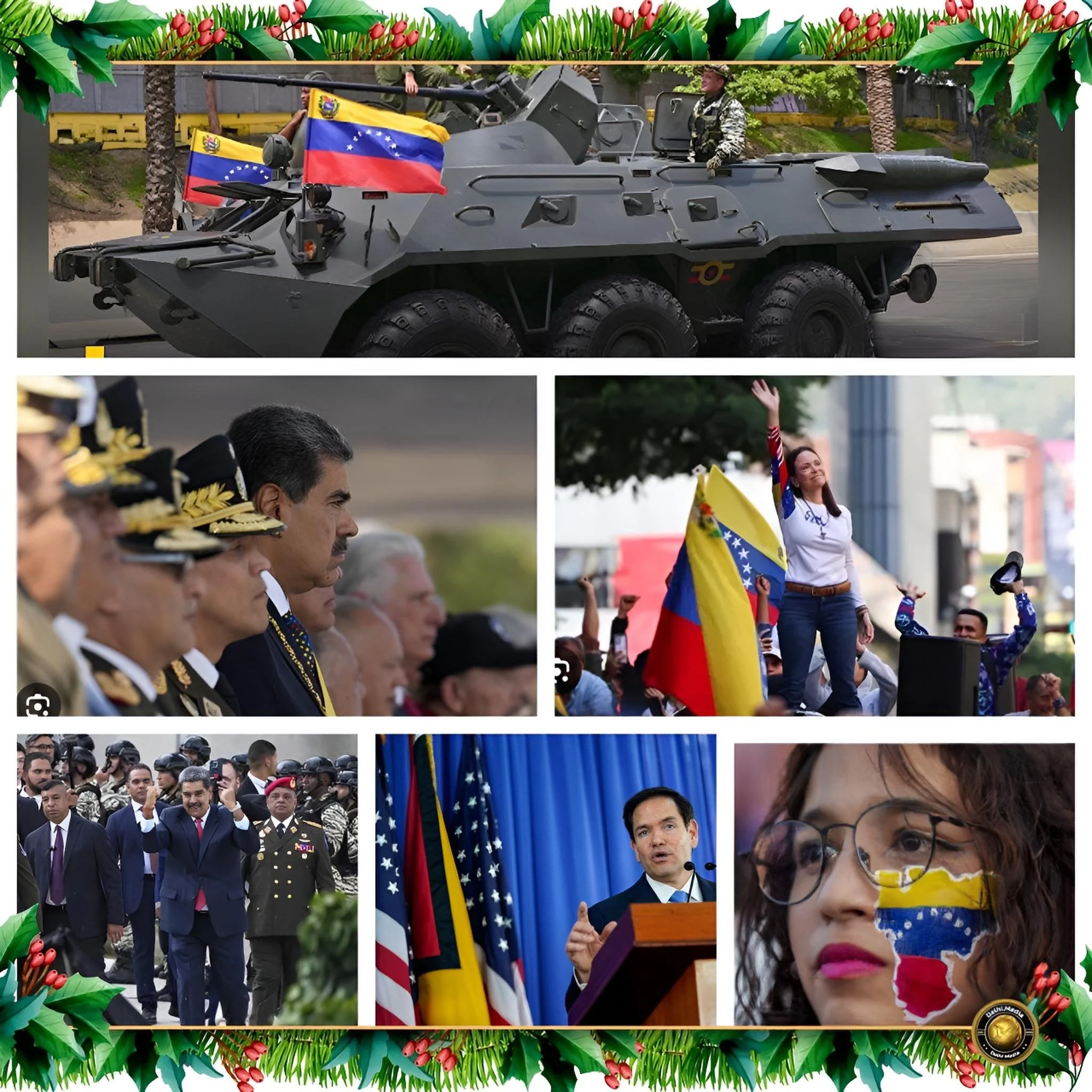
The Venezuela policy architecture is principally orchestrated by Secretary of State Marco Rubio, who has systematically elevated what traditionally constituted a foreign policy concern into a putative national security imperative.
The administration’s stated rationales center on narcotics trafficking and unauthorized migration, with President Trump alleging that Venezuela “emptied their prisons” into the United States. However, these narratives obscure more profound strategic calculations.
Resource Control and Economic Leverage
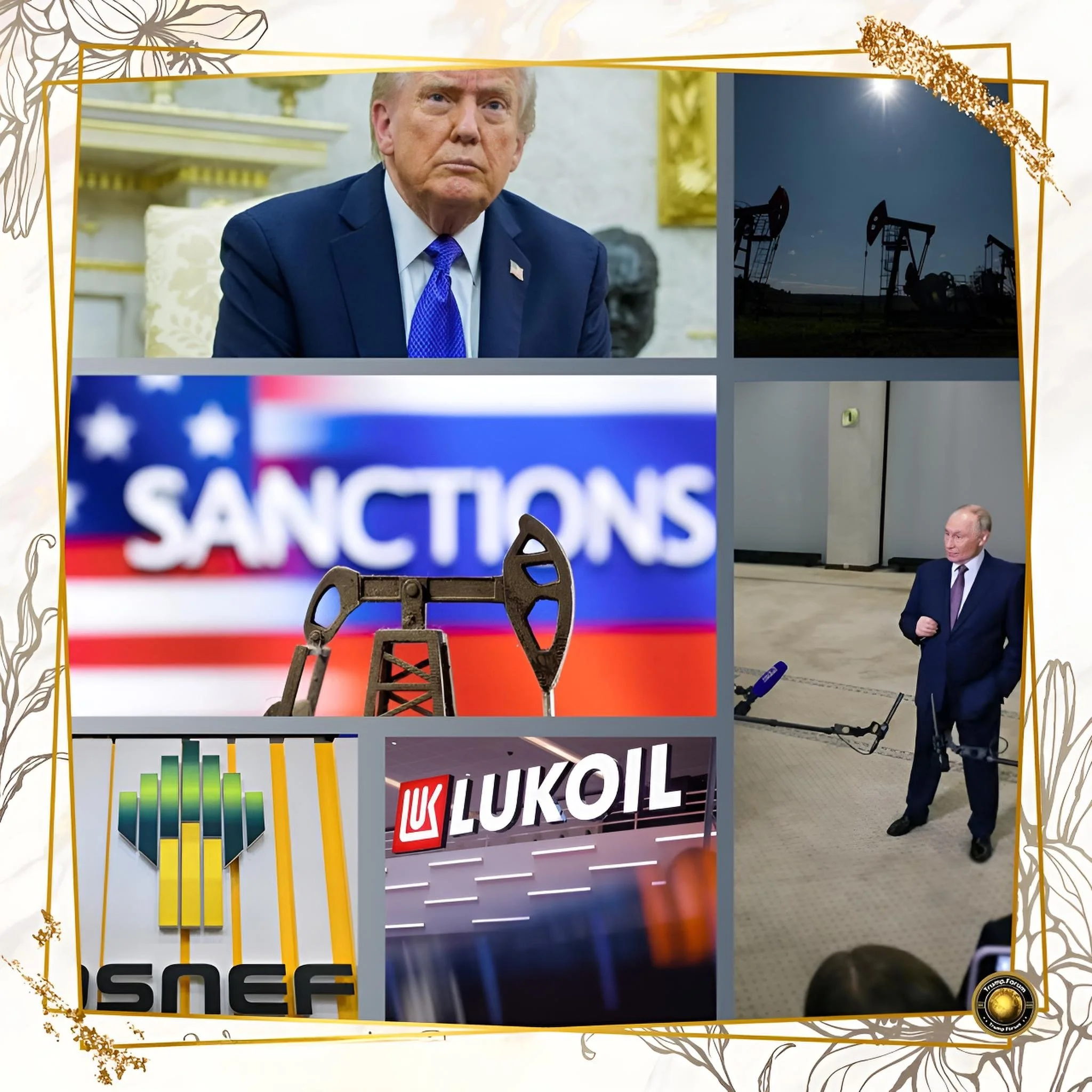
Venezuela possesses the world’s largest proven petroleum reserves, totaling approximately 303.8 billion barrels.
The Maduro government reportedly extended unprecedented access to Venezuela’s petroleum, gold, and mineral wealth to Trump administration officials, proposing to redirect oil exports from China to the United States and grant preferential contracts to American enterprises—overtures that were categorically rejected as the administration prioritized regime transformation over economic diplomacy.
This rejection illuminates that resource acquisition, while strategically significant, serves as a component of a more comprehensive geopolitical strategy rather than constituting the primary objective.
Hemispheric Hegemony Reassertion
The administration’s overarching objective constitutes the reassertion of hemispheric hegemony.
Rubio has been architecting what analytical frameworks characterize as “Monroe Doctrine 2.0,” consolidating United States control over the Western Hemisphere as the administration disengages from military entanglements in Europe and the Indo-Pacific theater.
Venezuela, maintaining substantial relationships with Russia, China, and Iran, represents a direct challenge to this conception of regional dominance.
Eliminating the Maduro government would attenuate what Rubio designates as the “Chavez-Maduro regime’s” alliance with Cuba and disrupt alternative regional integration paradigms that Venezuela has championed.
Caribbean Maritime Strikes: Strategic Distraction or Manufactured Pretext
The Caribbean maritime incidents potentially constitute a strategic distraction or manufactured pretext, a hypothesis supported across multiple analytical dimensions.
The legal and strategic foundations of these operations reveal substantial inconsistencies, suggesting ulterior motivations.
Legal Violations and International Condemnation
United Nations experts have characterized the strikes as “extrajudicial executions,” with at least 37 fatalities across nine incidents as of October 2025.
The Trump administration asserts these vessels were trafficking narcotics, yet has furnished no evidentiary substantiation for these allegations.
International legal scholars extensively contest the legality of these actions, noting that maritime drug interdiction traditionally employs law enforcement procedures—warning, disabling, and boarding vessels—rather than summary execution.
The administration’s legal justification—declaring a “non-international armed conflict” with drug cartels and designating them as Foreign Terrorist Organizations—represents an unprecedented expansion of executive war powers lacking international legal standing.
Even the victims’ identities problematize the targeting protocols: Colombian President Gustavo Petro accused the United States of killing Colombian fishermen rather than drug traffickers, and Trinidad and Tobago reported investigating whether its citizens were among those killed.
Venezuelan Allegations of False Flag Operations
The Maduro government has explicitly cautioned against false flag operations designed to escalate tensions. In October 2025, Venezuela alerted the Trump administration to an allegedly foiled plot by “extremist sectors of the local Venezuelan right” to detonate explosives at the United States embassy in Caracas, which Maduro claimed was intended to attribute blame to his government and justify further escalation.
While the Maduro government maintains credibility deficits, this assertion aligns with historical patterns of manufactured pretexts for intervention throughout Latin American history.
Strategic Function of Maritime Operations
The maritime strikes serve multiple purposes, transcending stated counter-narcotics objectives.
Former Trump administration diplomats acknowledge that current United States military deployment represents “not enough assets for an invasion” but includes “exquisite assets” capable of overwhelming Venezuelan air defenses and potentially “decapitating the government”.
The strategy aims to pressure Venezuelan elites surrounding Maduro to “invite him into exile” or remove him through internal mechanisms, while simultaneously providing military options should Trump select direct action.
Venezuelan Military Capabilities and the 4.5 Million Personnel Assertion
The figure of 4.5 million Venezuelan military personnel requires critical analytical scrutiny. This statistic is substantially inflated and represents political propaganda rather than operational military strength.
Actual Military Composition
Venezuela’s regular armed forces (FANB) comprise approximately 120,000-123,000 active personnel and 8,000-100,000 reservists.
The force structure includes roughly 63,000 army personnel, 30,000 navy (including 12,000 marines), and 10,000 air force personnel. When Maduro announced mobilizing “4.5 million militiamen” in August 2025, he referenced the Bolivarian National Militia, a civilian volunteer force.
Militia Statistical Simulacrum
The 4.5 million figure constitutes a statistical simulacrum—a symbolic assertion rather than operational reality.
Venezuela’s total population approximates 28.5-30 million, meaning the claimed militia would represent over 15 percent of the entire population, “a mobilization ratio unmatched in any comparable regional context”.
Analysts note this is “unsustainable from operational, logistical, and demographic standpoints”.
Actual militia numbers are substantially lower. Most enrolled members are neither armed nor operationally trained.
The government claimed Maduro received 6.4 million votes in the 2024 election (a figure disputed by opposition evidence showing only 3.4 million), which means the purported 4.5 million militia would represent 70 percent of Maduro’s entire voter base—an implausible proportion.
Ruling party recruitment drives have been characterized as largely unsuccessful, with opposition leader Maria Corina Machado noting “empty squares” at enrollment events.
Combat Effectiveness Assessment
Even Venezuela’s regular forces confront serious degradation. Analysts characterize the military as “in shambles” with severe maintenance problems affecting equipment operability.
Their submarines and surface vessels are “probably inoperable”. However, Venezuela retains significant capabilities that would complicate United States operations:
Air Defense Architecture
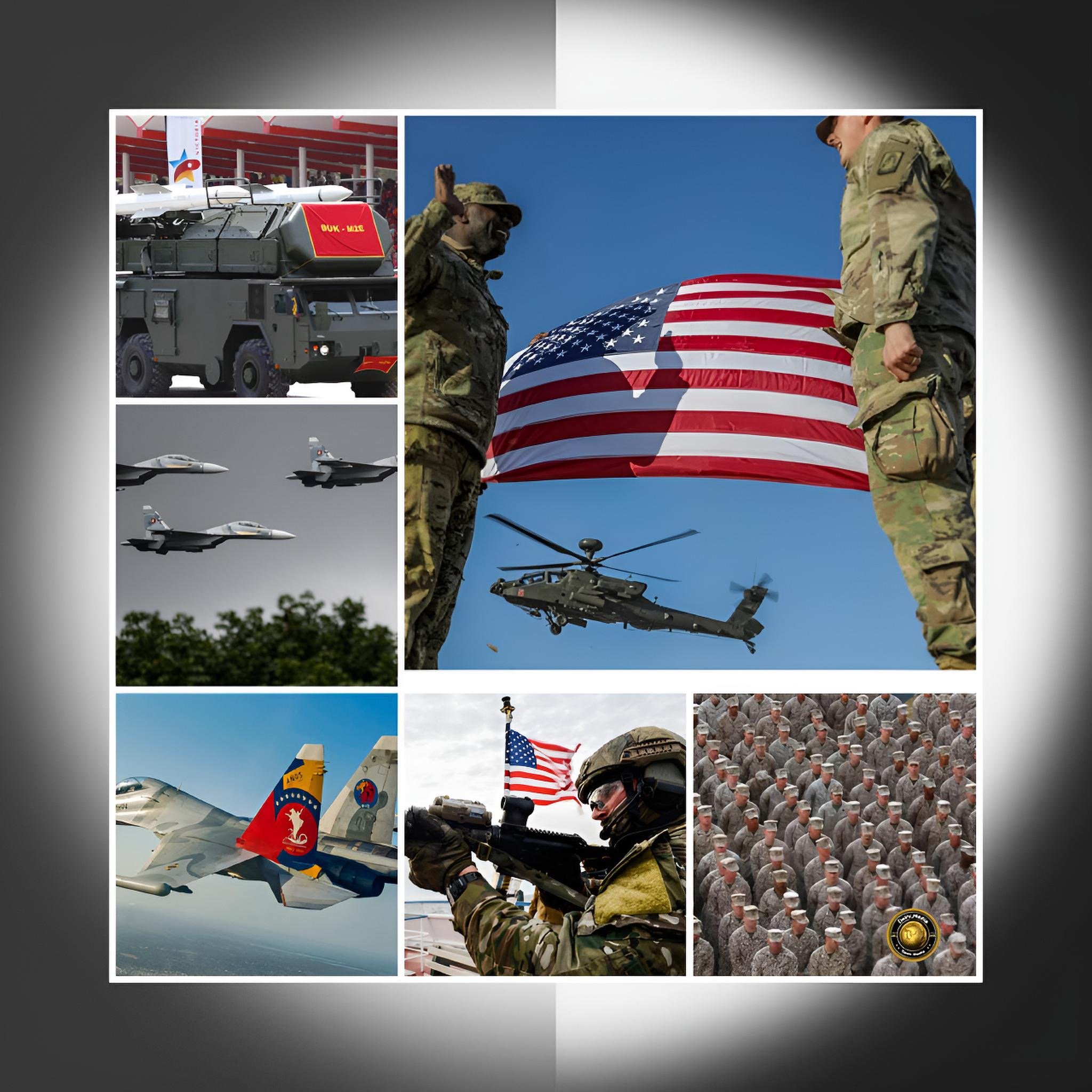
5,000 Russian Igla-S man-portable surface-to-air missiles, S-300VM air defense systems, and short-range anti-aircraft systems.
Fighter Aircraft
20-24 Sukhoi Su-30MK2 fighters armed with Kh-31 anti-ship missiles, plus 16-18 F-16s.
Asymmetric Warfare Doctrine
Venezuela has adopted an “Integral Defense of the Nation” strategy emphasizing guerrilla warfare, civilian mobilization, and prolonged resistance through attrition—modeled on Cuban and Iranian approaches.
Russian Air Defense Systems: Capabilities and Defensive Posture
Maduro’s assertion of possessing 5,000 Russian anti-aircraft missiles appears substantially accurate.
These are Igla-S man-portable surface-to-air missiles (MANPADS), equivalent to American Stinger missiles, capable of targeting low-flying aircraft, helicopters, drones, and cruise missiles at ranges exceeding six kilometers.
Russian Military Cooperation
Venezuela has deepened its military partnership with Russia, recently approving a “strategic cooperation treaty” covering defense, energy, and technology.
This alliance serves Russia’s broader strategy of maintaining influence in Latin America while providing Venezuela with defensive capabilities against United States intervention.
The scale of this deployment—potentially positioning lightweight, shoulder-fired missiles throughout Venezuelan territory, “even in the most remote mountains, towns, and cities”—creates a distributed air defense network that would significantly complicate United States air operations.
Probability of United States Air and Ground Strikes
Current United States military assessments suggest limited appetite for full-scale invasion but increasing probability of targeted strikes.
The approximately 10,000 United States troops currently deployed in the Caribbean (primarily in Puerto Rico) are insufficient for a ground invasion.
Doctrinal analysis indicates that invading and occupying Venezuela would require a minimum of 50,000 troops, likely considerably more given the country’s territorial expanse, challenging terrain, and urban population centers.
However, the United States possesses substantial capability for precision strikes from standoff distances.
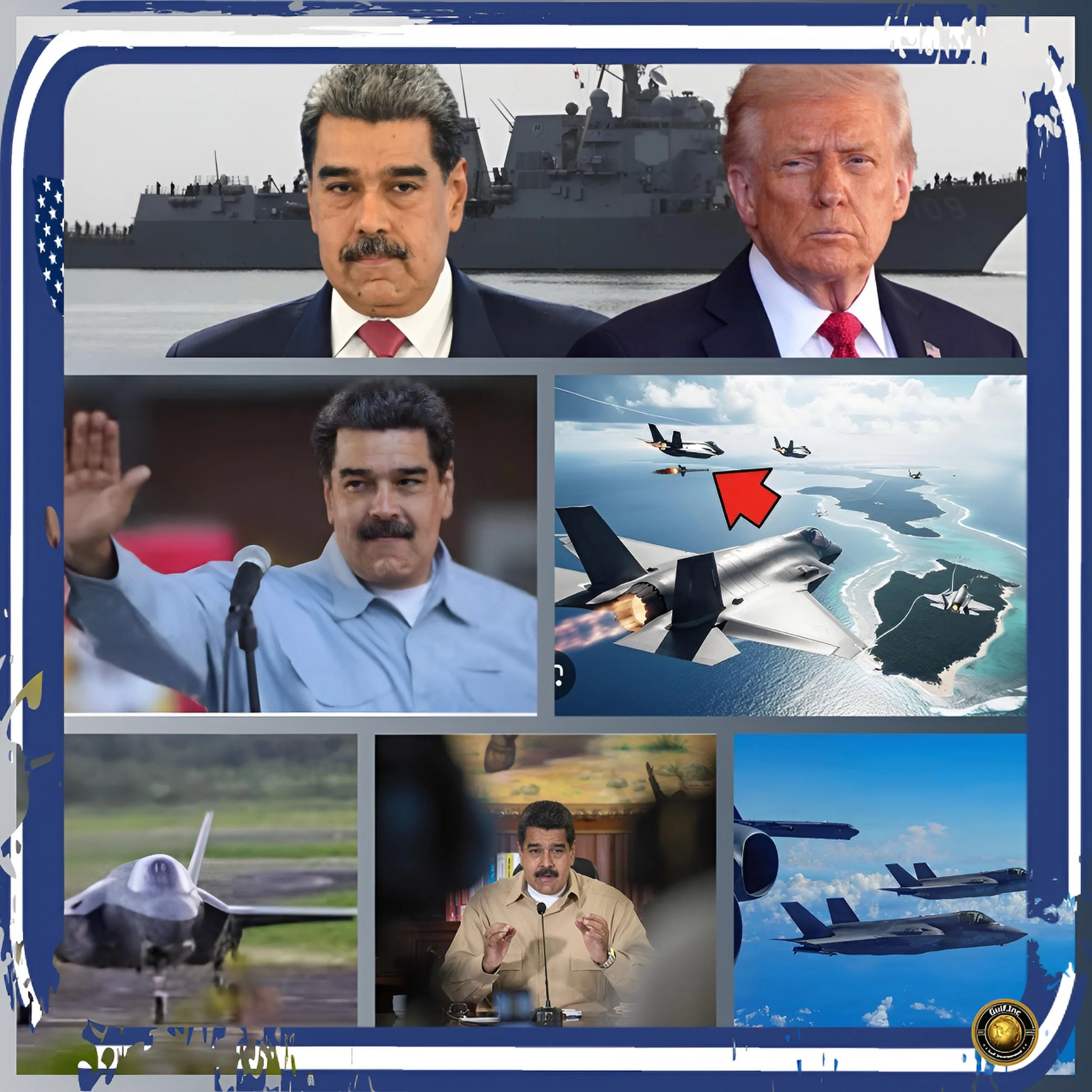
The deployed assets include destroyers, cruisers, a nuclear submarine, amphibious assault ships, and F-35 fighter squadrons capable of launching Tomahawk cruise missiles and conducting air strikes.
These “exquisite assets” could “overwhelm the air defenses of the country, take out the Air Force, take out the navy, potentially decapitate the government”, though Venezuelan air defense systems would impose costs and operational risks.
The Vietnam War Analogy: Protracted Asymmetric Conflict Potential
Scholarly analysis strongly supports comparison to Vietnam, with multiple experts warning that Venezuela could become “another Vietnam or worse”. This analogy operates across several dimensions:
Terrain and Urban Warfare Complexities
Venezuela presents exceptionally challenging geography for conventional military operations.
The country is vast (roughly the size of Texas and Louisiana combined) with diverse terrain including dense jungles, rugged mountains, and sprawling urban centers like Caracas and Maracaibo that are described as “natural fortresses: dense, chaotic, and impossible to control without enormous civilian casualties”.
The United States military has not engaged in tropical warfare for two generations, and hurricane season further complicates operations.
Asymmetric Warfare Doctrine
Venezuela has explicitly adopted asymmetric warfare principles.
Scholarly analysis of Venezuelan military doctrine describes their “Guerra de todo el pueblo” (war of all the people) strategy, which emphasizes guerrilla tactics, irregular resistance, and “prolonged resistance through attrition”.
This mirrors the Vietnamese strategy that ultimately defeated United States forces. As one Mexican analyst cautioned, “The breakout of war in Venezuela could be a horror show for the entire continent”.
Popular Support and Legitimacy Dynamics
While Maduro’s government is authoritarian and faces significant domestic opposition, United States military intervention would likely galvanize nationalist resistance.
Analysts note that Venezuela’s Bolivarian Revolution “crafted new hopes for millions of people, and they will fight tooth and nail to defend not this or that reform but the great horizon of freedom that has opened before them”.
This ideological commitment, combined with memories of United States intervention throughout Latin American history, could fuel sustained resistance.
Regional Destabilization
A Venezuelan intervention would destabilize the entire region.
Analysts warn of a “Libya-style collapse” creating power vacuums and intensifying violence among rival militias just “a three-hour flight from Miami”.
Colombia, Brazil, and other neighbors would confront massive refugee flows and spillover violence. The chaos would likely increase, rather than decrease, drug trafficking and migration—the administration’s stated concerns.
Historical Precedents from Latin American Interventions
Research on CIA-sponsored regime changes in Latin America (Ecuador 1963, Brazil 1964, Chile 1964, Bolivia 1964, Panama 1981) reveals devastating long-term consequences.
These interventions caused an average 10 percent reduction in per capita income five years post-intervention, democracy scores that were 200 percent lower than predicted without intervention, and significant declines (20-35 percent) in freedom of expression, civil liberties, and rule of law.
The CIA intervened in countries that were actually more democratic, richer, and had stronger civil societies than regional averages, yet inflicted massive harm that persisted for decades.
United States Strategic Capabilities and Operational Constraints
Current scholarly assessments reveal significant gaps between United States rhetoric and operational capacity for sustained military action in Venezuela.
Insufficient Force for Invasion
The approximately 10,000 United States personnel currently deployed represent roughly 10 percent of all deployed United States naval assets globally, a substantial commitment but far short of invasion requirements.
CSIS analysis emphasizes that while these forces enable precision strikes from offshore sanctuaries, they fall “well below the level needed for full-scale combat operations in a territory the size of Venezuela, with all its attendant complexities”.
Logistics and Sustainment Challenges
The United States must rely on reopening old facilities and acclimating forces to a new theater, which “may limit the United States’ ability to sustain intense combat operations”.
Unlike Afghanistan and Iraq, the United States lacks established forward operating bases, regional cooperation (with Colombia and Mexico acting cautiously), and on-the-ground intelligence networks necessary for effective targeting and battle damage assessment.
Air Defense Penetration Costs
While United States forces could likely defeat Venezuelan air defenses, “the cost of doing so would be high, and fully eliminating their threat would require a massive attack on Venezuelan military infrastructure” that would “constitute an undeniable act of war and risk escalation beyond air strikes”.
The presence of F-16 fighters that flew over United States destroyers without being shot down indicates the administration still maintains “certain limitations in place” to avoid direct military confrontation.
Ineffectiveness Against Narcotics Objectives
Even successful military strikes are unlikely to accomplish the stated goal of stopping drug trafficking.
Studies of United States air campaigns against Taliban drug operations in Afghanistan found they “had a negligible effect on the Taliban’s finances, exacted little toll on drug trafficking organisations, and served to alienate the rural population”.
Venezuela presents more capable defenses, less United States ground presence, and less regional cooperation than Afghanistan.
Scholars have found that “not a single military campaign to reduce the supply of drugs during an ongoing conflict has succeeded” due to wartime lawlessness and chaos.
United states Economic Constraints: The $38 Trillion Debt Burden
The United States national debt surpassing $38 trillion and potential recession risks creates a critical constraint on military adventurism.
The fiscal reality profoundly limits America’s capacity for sustained military operations.
Unprecedented Debt Acceleration
The United States national debt reached $38 trillion in October 2025, just two months after hitting $37 trillion—“the fastest rate of growth outside the pandemic”.
This represents debt accumulation “twice as fast as the rate of growth since 2000”.
The debt now amounts to approximately $111,000 per person, equivalent to the combined GDP of China, India, Japan, Germany, and the United Kingdom.
Interest Burden
Annual interest payments on the national debt now total approximately $1 trillion per year, the fastest-growing category of the federal budget.
Over the next decade, interest costs are projected to balloon to $14 trillion, “crowding out important public and private investments in our future”.
This financial burden fundamentally constrains government capacity for additional spending, including military operations.
Recession Risks
Economic indicators suggest heightened recession probability.
Economists estimate a 39 percent chance of recession by September 2026, with GDP growth expected to slow to just 1.6 percent in 2025 from 2.8 percent in 2024.
J.P. Morgan Research projects even slower growth of just 0.25 percent annualized in the second half of 2025.
The confluence of tariff wars, government dysfunction (including shutdowns that accelerate debt accumulation), and slowing job growth creates an unstable economic foundation for military expansion.
War Financing Constraints
Historical analysis reveals that the Iraq and Afghanistan wars cost between $2-5 trillion depending on methodology, and those figures continue growing due to veterans’ care and interest on war debt.
Unlike previous conflicts, the Iraq and Afghanistan wars were “entirely financed by debt”—“the first time in American history that the Government cut taxes as it went to war”.
This approach “imposed major constraints on the economy and limited the scope of options that were available to policymakers,” resulting in “serious negative effects for the rest of the decade”.
A Venezuela conflict would require similar debt financing at a time when the United States fiscal position is far weaker than in 2003. The economic consequences would include:
Higher inflation eroding purchasing power and making goods more expensive.
Increased borrowing costs for mortgages, vehicles, and business investment.
Lower wages as businesses have less capital to invest.
Opportunity costs diverting resources from infrastructure, education, healthcare, and climate response.
Current United States Strategic Options
Given these constraints, the Trump administration’s realistic options remain circumscribed:
Continued Pressure Campaign
The current strategy focuses on “maximum pressure” through sanctions, naval demonstrations, maritime strikes, and covert CIA operations authorized by Trump in October 2025.
This approach aims to create conditions for internal regime change by pressuring Venezuelan elites to remove Maduro without direct United States invasion.
Targeted Strikes on High-Value Targets
The administration could conduct limited precision strikes against alleged drug facilities, government infrastructure, or military targets using standoff weapons (Tomahawk cruise missiles, aircraft-delivered munitions).
This would avoid ground invasion while demonstrating military capability and imposing costs on the Maduro regime.
Support for Opposition Forces
Covert CIA operations could include lethal missions, intelligence support for Venezuelan opposition, and coordination with regional allies.
However, the opposition remains fractured, and past coup attempts have failed despite United States backing.
Diplomatic Negotiation (currently suspended)
The Trump administration cut off diplomatic engagement in October 2025 after Maduro rejected United States demands and resource offers.
Resuming negotiations could provide an exit ramp from escalation, though Rubio and other hawks oppose this approach.
Sustained Sanctions and Economic Warfare: Continuing to freeze Venezuelan assets, block oil sales, and prevent debt restructuring maintains pressure without military costs.
However, these measures have already contributed to economic collapse that killed an estimated 40,000+ Venezuelans between 2017-2018, fueling the very migration and instability the administration claims to oppose.
How Conflicts Amplify America’s Debt Burden
Military intervention in Venezuela would substantially increase United States debt through multiple mechanisms:
Direct Budgetary Costs
Even limited air campaigns cost billions monthly.
Afghanistan at its peak cost over $100 billion annually, while Iraq war spending reached $825 billion in direct military expenditure plus $130 billion in reconstruction through 2020.
Long-Term Obligations
The true costs emerge decades later.
The Costs of War Project estimates total costs including veterans’ care, interest on debt, and reconstruction for post-9/11 wars at approximately $8 trillion, with Iraq alone projected to reach $2.89 trillion by 2050 when including future veterans’ medical and disability care. Venezuela would create similar multi-generational obligations.
Economic Disruption
Military conflict would disrupt oil markets (Venezuela is a major producer despite sanctions), trigger regional instability affecting trade, and potentially draw in other actors including Russia and China.
Borrowing During Economic Weakness
Unlike World War II or Vietnam when the United States economy was stronger, intervention now would occur during slowing growth and near-recession conditions.
This timing maximizes economic damage and debt acceleration while minimizing the government’s capacity to manage fiscal consequences.
Conclusion
The overwhelming preponderance of scholarly analysis suggests that United States regime change efforts in Venezuela confront severe constraints and carry enormous risks.
Limited Military Options
While the United States can conduct strikes from standoff distances, it lacks the forces, regional support, and logistical infrastructure for successful invasion and occupation.
Asymmetric Warfare Trap
Any ground intervention would likely devolve into protracted urban and guerrilla warfare against forces prepared for asymmetric resistance, on terrain favorable to defenders, supported by foreign powers, and potentially backed by nationalist sentiment.
The Vietnam analogy is apposite—military superiority proves insufficient against determined irregular resistance with popular support.
Economic Unsustainability
With debt accelerating toward fiscal crisis and recession risks elevated, the United States lacks capacity for sustained military operations that would cost trillions over decades.
The opportunity costs would further damage American competitiveness and quality of life.
Self-Defeating Strategy
Military intervention would likely increase drug trafficking (due to wartime chaos), migration (due to destabilization), and anti-American sentiment while failing to achieve regime change objectives—the opposite of stated goals.
Historical patterns from Latin American interventions show sustained economic and governance damage that persists for generations.
The strategic reality is that Trump administration officials, particularly Marco Rubio, are pursuing regime change primarily to reassert United States hegemony and eliminate a symbolic challenge to American dominance in the hemisphere.
The maritime strikes and military buildup serve as instruments of coercion designed to trigger internal collapse rather than prelude to invasion.
However, this strategy risks precipitating larger conflict that the United States is poorly positioned to prevail in at acceptable cost, while the fiscal constraints of $38 trillion in debt and looming recession create fundamental limits on military adventurism that no quantum of political will can surmount.