The Crossroads of American Hemispheric Strategy: Why Cuba Differs Fundamentally from Venezuela
Executive Summary
A Compelling Analysis of How the Past Differs From the Present in Caribbean Geopolitics
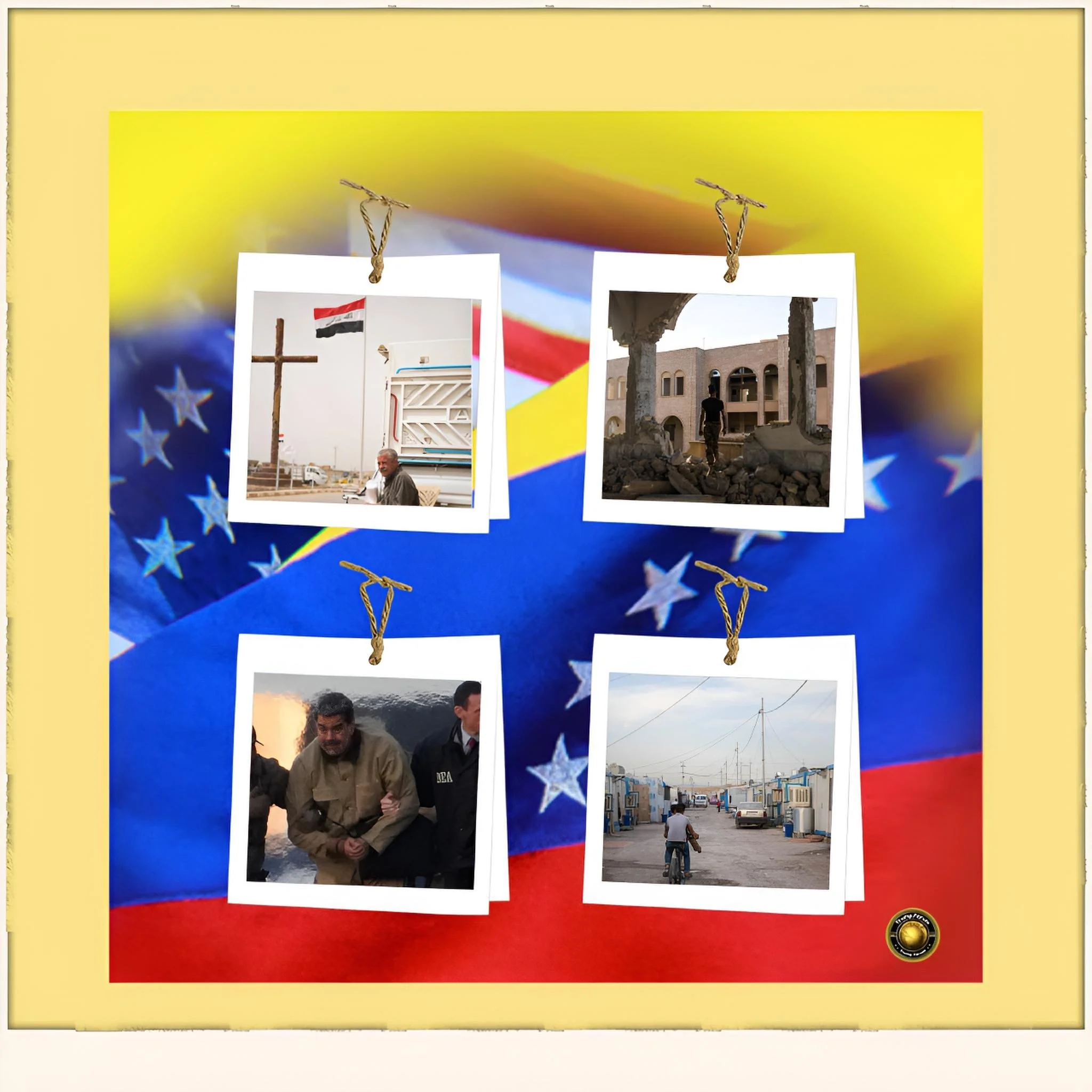
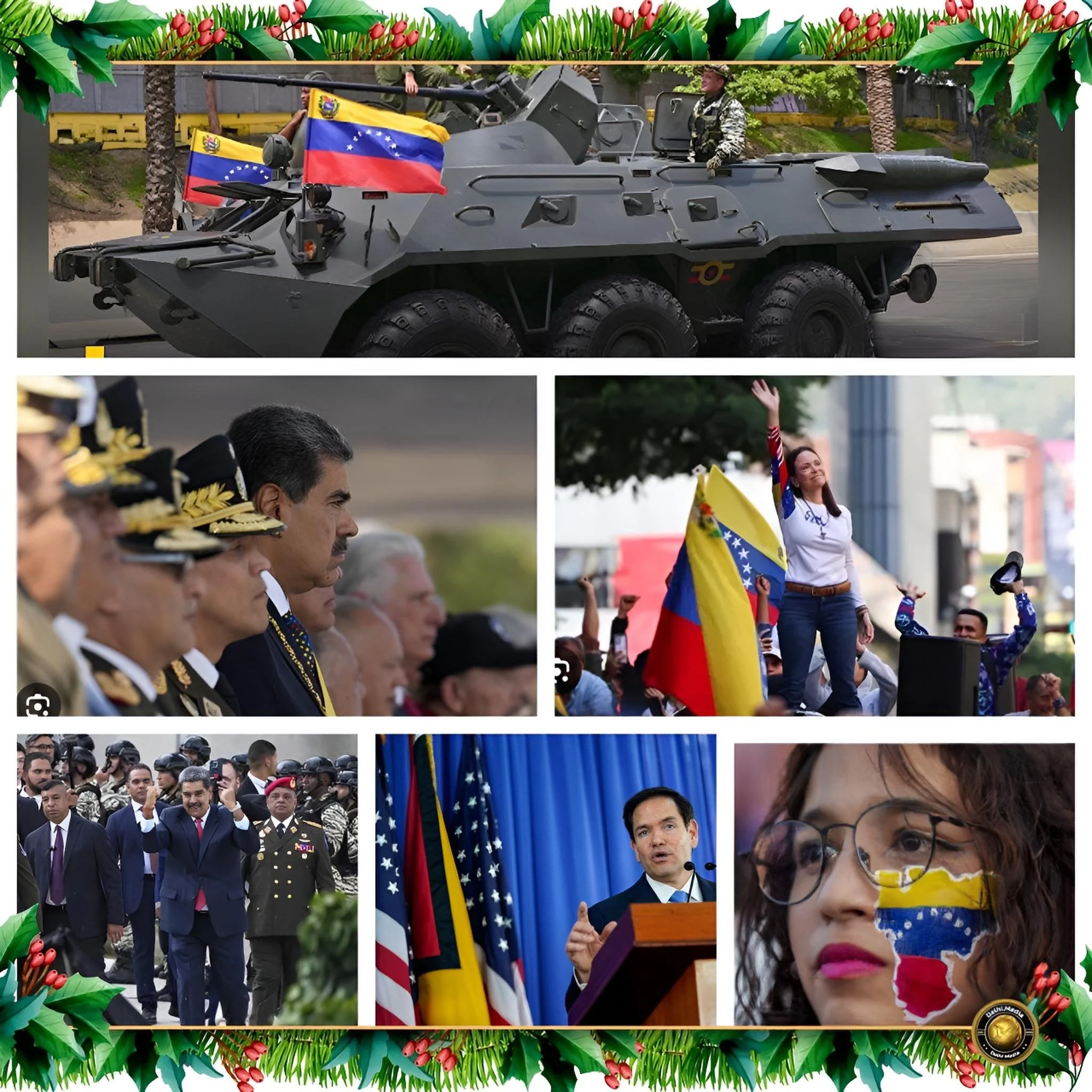
The Trump administration's January 2026 military operation in Venezuela—culminating in the capture of President Nicolás Maduro—has redirected American attention toward Cuba with unprecedented urgency. Secretary of State Marco Rubio has signaled profound concern about Havana's stability. At the same time, President Trump has declared that Venezuela will no longer supply oil to the island and suggested that Cuba faces imminent collapse.
However, a closer examination of Cuba's structural characteristics, institutional cohesion, and alternative resource networks reveals a fundamentally different geopolitical calculus than the Venezuelan case.
Although Cuba faces severe economic deterioration, the prospect of American-induced regime change through economic pressure alone remains considerably more constrained than prevailing rhetoric suggests.
FAF analysis evaluates the historical context, current economic and institutional realities, and plausible trajectories for Cuba under intensified American pressure.
Context and Historical Foundation
The United States has pursued containment of the Cuban regime for over six decades, implementing the Western Hemisphere's longest and most comprehensive economic embargo since 1962.
This embargo, initially designed to induce regime collapse through economic asphyxiation, has demonstrably failed to achieve that objective despite imposing severe costs on the Cuban population and economy.
The embargo's persistence, reinforced by the Cuban Democracy Act of 1992 and the Helms-Burton Act of 1996, transformed American Cuba policy into a durable institutional framework that transcended individual presidencies and became embedded in congressional law.
By the time President Barack Obama initiated limited normalization in 2015, Cuba had already survived nearly five decades of unilateral sanctions and the catastrophic collapse of its primary patron, the Soviet Union, in 1991.
This historical record suggests that economic pressure, even when comprehensive and sustained over generations, has distinct limitations in compelling regime transformation.
The Venezuela precedent, by contrast, involved a dramatically different temporal dynamic. American pressure on Venezuela intensified substantially only after 2017, with military mobilization in the Caribbean accelerating considerably during 2025.
The operation that removed Maduro from power occurred barely eighteen months after a significant American military escalation commenced. This compressed timeframe permitted the Trump administration to deploy overwhelming force before Venezuelan institutional structures could fully calcify in resistance.
Cuba, having endured American hostility continuously for nearly seven decades, has developed institutional and strategic defenses that Venezuela, operating under the presumption that American intervention remained implausible, never constructed with comparable sophistication.
Current Status and Economic Trajectory
Cuba entered 2026 experiencing its gravest economic crisis since the Soviet Union's collapse in 1991. The Cuban economy contracted by more than 4% in 2025, inflation accelerated beyond the government's control, and essential services deteriorated precipitously.
The loss of Venezuelan oil supplies, which provided approximately 35,000 barrels daily and represented the most critical resource transfer on which the regime depended, constitutes a genuine strategic shock.
Venezuela historically supplied Cuba with more substantial energy resources than any other nation, and this relationship formed the material foundation for Cuba's provision of security personnel, military advisors, and medical professionals to Caracas.
That revenue stream—estimated at more than one billion dollars annually—evaporates if Venezuelan oil ceases to flow to the island.
However, the Trump administration's capacity to impose a complete economic blockade faces institutional and diplomatic constraints absent in the Venezuelan context.
Mexico has emerged as a significant alternative source of petroleum, accounting for approximately 44% of Cuba's oil imports in 2025 and accelerating deliveries substantially after Maduro's capture.
While Trump administration officials have privately indicated that Mexico's supply should continue—framing it as humanitarian rather than political assistance—the existence of this alternative energy source meaningfully reduces the leverage that a complete denial of Venezuelan oil would otherwise provide.
Russian and Chinese sources supply supplementary quantities, albeit at reduced levels due to sanctions and logistical constraints.
The regime, therefore, faces genuine energy deprivation but not the absolute denial of alternative supplies that might trigger immediate institutional collapse.
Institutional Coherence and Military Control
The most consequential distinction between Cuba and Venezuela concerns the resilience of their respective regimes. Cuba's governance structure rests upon three pillars—the Communist Party of Cuba, the Revolutionary Armed Forces, and the state security apparatus—that have functioned continuously since 1959 and have demonstrated remarkable institutional durability even under extreme duress.
The military leadership, which commands the Revolutionary Armed Forces and controls the GAESA conglomerate, constitutes the wealthiest estate in Cuban society.
GAESA operates approximately seventy percent of the Cuban economy, including tourism, currency exchange, retail commerce, banking, and transportation. This military economic dominance means that regime elites possess tangible material interests in regime continuity that transcend ideological commitment.
Cuba's military-security complex has consolidated control over revenue-generating sectors specifically to insulate itself from external economic pressure.
The fact that GAESA accumulated approximately eighteen billion dollars in currency reserves, even as the broader Cuban economy deteriorated, reveals a regime structure designed to perpetuate elite survival regardless of civilian economic conditions.
This stands in sharp contrast to Venezuela, where military and civilian elites fragmented substantially and where competing power centers generated sufficient internal conflict to permit external intervention. The Raúl Castro family, which dominated Cuban institutions throughout Raúl's presidency and retains considerable influence even after his formal retirement, continues to exercise power within military-security councils.
The Castro family's capacity to coalesce fractious elites around regime continuity—demonstrated repeatedly during internal crises—provides institutional coherence that the more collegial Venezuelan system failed to generate.
Key Developments and Strategic Positioning
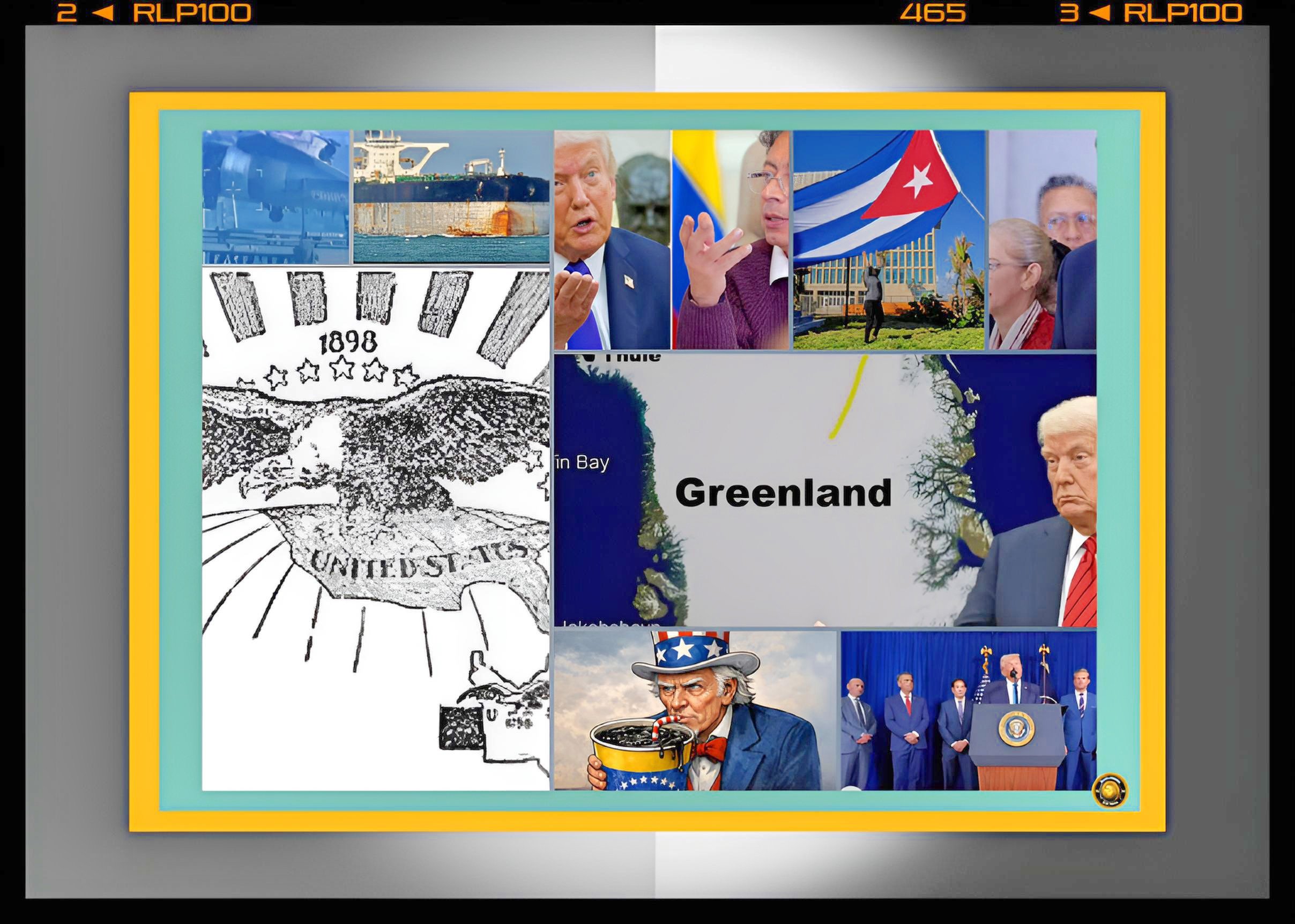
The Trump administration's confrontation with Cuba unfolds within a broader recalibration of American hemispheric strategy. The administration's National Security Strategy, released in December 2025, articulates a revised Monroe Doctrine positioning the United States as guarantor against malign external influence in the Western Hemisphere.
This strategic reorientation targets Chinese infrastructure projects, Russian military presence, and authoritarian regimes deemed aligned with anti-American forces.
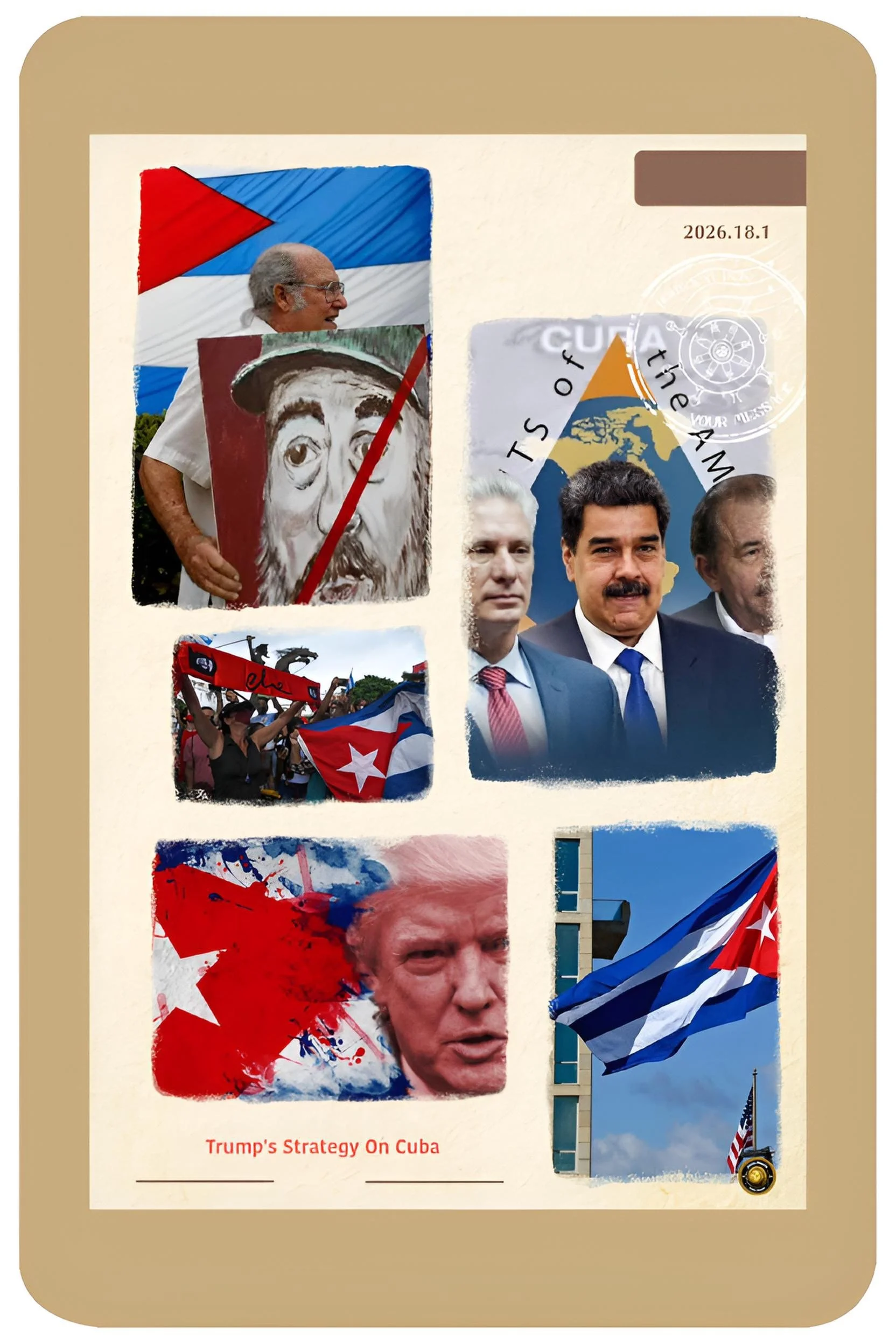
Cuba, identified as a "failing nation" by Trump and targeted for regime change by Secretary Rubio throughout his political career, occupies an elevated position within this strategic hierarchy.
The administration has simultaneously pursued negotiations with Venezuela's interim president, Delcy Rodríguez, regarding oil resources and the expulsion of foreign advisors, including Cuban security personnel who provided Maduro's personal security.
The Trump administration contemplates a scenario in which Venezuelan oil redounds to American commercial interests, reducing energy leverage available to the Cuban regime.
Diaz-Canel's response to American pressure has explicitly rejected negotiation, emphasizing Cuban sovereignty and insisting that any future dialogue respect principles of international law and sovereign equality.
This rhetorical stance, however consistent with decades of Cuban anti-American positioning, reveals the regime's assessment that capitulation to American ultimatums would precipitate internal elite fragmentation around questions of leadership and strategic orientation.
The regime cannot negotiate its essential character—the Communist Party's monopoly on state power, the military's prerogatives, and the suppression of political opposition—without triggering the very institutional collapse that American pressure seeks to induce.
Diaz-Canel's rigidity, therefore, reflects not unreasoning obstinacy but rather a defensible conclusion that strategic compromise on fundamental governance questions would prove more destabilizing internally than external economic pressure, however severe.
Causation and Analytical Framework
Understanding why Cuba resists collapse despite deteriorating economic conditions requires moving beyond simplistic models of economic pressure inducing regime transformation.
Several causal mechanisms operate simultaneously.
First, Cuban institutional structures have evolved over seven decades specifically to maintain regime dominance despite external pressure.
The military-security complex possesses the organizational capacity to allocate resources among competing constituencies, prioritizing regime survival over civilian welfare.
This differs fundamentally from Venezuela, where military factionalism and insufficient institutional centralization permitted individual commanders to negotiate independently with external powers.
Second, the regime has cultivated sufficiently robust ideological commitments among core constituencies—military elites, Communist Party cadres, and security services—that economic deprivation alone fails to generate mutinous sentiment.
Third, the regime possesses a demonstrated capacity to suppress internal dissent through comprehensive surveillance and selective violence. When large-scale protests erupted in July 2021, the regime mobilized security forces to suppress demonstrations within hours, and subsequent trials of protest participants proceeded with expedience, demonstrating state capacity for coercive control that has deteriorated marginally even as economic conditions worsened.
The Venezuelan precedent also illustrates the centrality of elite faction among military commands. Maduro's regime failed not because the economy collapsed—which it had, progressively, throughout the preceding decade—but because competing military factions became persuadable by American offers of negotiations, inducements, and the implicit suggestion that cooperation with the Trump administration might yield preferential treatment.
Venezuela's military, never monopolized by a single family or unified command structure, fragmented into competing interest groups amenable to negotiation with external powers. Cuba's Revolutionary Armed Forces, by contrast, has substantially centralized its command structure and integrated military leadership thoroughly into Communist Party structures. The positions of First Secretary of the Communist Party and Minister of the Armed Forces overlap considerably in institutional terms. This institutional fusion makes it substantially more difficult for military factions to negotiate independently with external powers without simultaneously fragmenting party authority.
Future Steps and Prospective Scenarios
The Trump administration faces a fundamental strategic dilemma regarding Cuba. A complete naval blockade, while militarily feasible, would constitute an act of war under international law and would generate opposition from Mexico, Brazil, and other Latin American nations already concerned about American unilateralism following the Venezuela operation.
The precedent of American military action in Venezuela without a formal declaration of war has already provoked condemnation from regional powers and complicated American diplomatic standing.
A similar blockade against Cuba would intensify these concerns. Conversely, intensified economic pressure through expanded sanctions on entities controlled by GAESA and restrictions on remittances from the Cuban diaspora—the avenues most readily available under existing legal frameworks—would harm civilian populations without necessarily compelling regime transformation.
Trump administration officials have privately acknowledged that their objective is not necessarily regime collapse, but instead a negotiated transition toward a system more amenable to American interests regarding human rights, democratic reforms, and economic liberalization.
However, the conditions under which the regime would be willing to negotiate such a transition remain obscure.
The regime has several plausible pathways to regime survival.
First, intensified economic pressure could produce widespread civilian suffering without generating sufficient internal elite discord to precipitate leadership change. The population would endure deprivation—as demonstrated during the "Special Period" of the 1990s following Soviet collapse—while elites insulated by military-controlled economic sectors retained material sufficiency.
Second, Mexico's continued oil supplies, whether formally acknowledged or operationalized through transshipment and "ghost fleet" vessels evading American interdiction, could sustain Cuba's energy infrastructure at degraded but operational levels.
Third, Cuba could further diversify its international engagement, deepening relationships with China and Russia despite the limited material benefits those powers can provide.
The Biden administration's opening of diplomatic channels and relaxation of travel restrictions, though reversed by Trump, had generated modest Chinese interest in economic engagement.
A sustained Chinese commitment to development projects in Cuba, however limited the capital flows, could marginally offset Venezuelan oil losses.
Conversely, several scenarios could precipitate regime transformation. If the Trump administration secured Venezuelan cooperation in enforcing comprehensive oil interdiction, and if Mexico yielded to American pressure to reduce supplies, Cuba's energy situation could deteriorate to levels approaching 1990s "Special Period" conditions.
Sustained blackouts exceeding twenty hours daily already reported outside Havana could expand to urban centers, producing civilian suffering sufficient to overcome the regime's repressive capabilities. However, even the "Special Period" of the 1990s, arguably more severe than contemporary conditions, failed to generate a successful popular uprising or military coup.
The regime's demonstrated coercive capacity suggests that civilian suffering alone produces insufficient pressure for elite-level transformation. If specific military commanders became persuaded that negotiation with the Trump administration offered preferable outcomes to regime loyalty, the regime's institutional cohesion could fracture.
However, the centralization of military command and the interpenetration of military and party structures make such persuasion substantially more difficult than in the Venezuelan case.
Broader Implications and Conclusions
Understanding Trump's Cuba Calculus from a Strategic Perspective
Cuba's strategic position differs fundamentally from Venezuela's in ways that constrain American leverage despite significant economic pressure.
The regime's institutional maturation, military dominance of the economy, demonstrated capacity for sustained repression, and cultivation of ideological cohesion among core constituencies provide structural defenses that Venezuelan governance failed to construct.
The existence of alternative energy sources, particularly Mexican oil, reduces the absolute leverage that complete Venezuelan denial would otherwise provide.
The Trump administration's strategy of intensified economic pressure, expanded sanctions on military-controlled enterprises, and rhetorical pressure toward negotiation may inflict civilian suffering and degrade economic conditions, but faces substantial constraints in compelling regime transformation.
The regime's declaration that negotiation requires mutual respect, sovereign equality, and international legal principles represents not mere intransigence but rather a defensible assessment of the terms under which regime survival can be sustained.
The precedent of the Venezuela operation has simultaneously complicated and clarified American options regarding Cuba.
It has been clarified that the Trump administration possesses sufficient military capacity and political willingness to execute operations previously considered implausible.
It has complicated matters by generating international opposition to American unilateralism and by creating political constraints on direct military intervention two weeks earlier.
The regional condemnation of the Venezuela operation by Brazil, Mexico, Colombia, and Uruguay signals that a repetition would generate diplomatic costs that Trump administration officials assess as consequential, even if not necessarily determinative.
The fundamental asymmetry between Cuba and Venezuela—that Cuba has endured American hostility for seven decades and evolved institutional structures specifically to withstand such pressure, while Venezuela operated for two decades under the presumption that such pressure remained implausible—suggests that the Venezuelan precedent may not generalize to the Cuban case.
The question facing American policymakers is whether intensified pressure, sustained over years or decades, can achieve what six decades of embargo failed to accomplish. The historical record and contemporary institutional analysis suggest that the answer is profoundly uncertain.