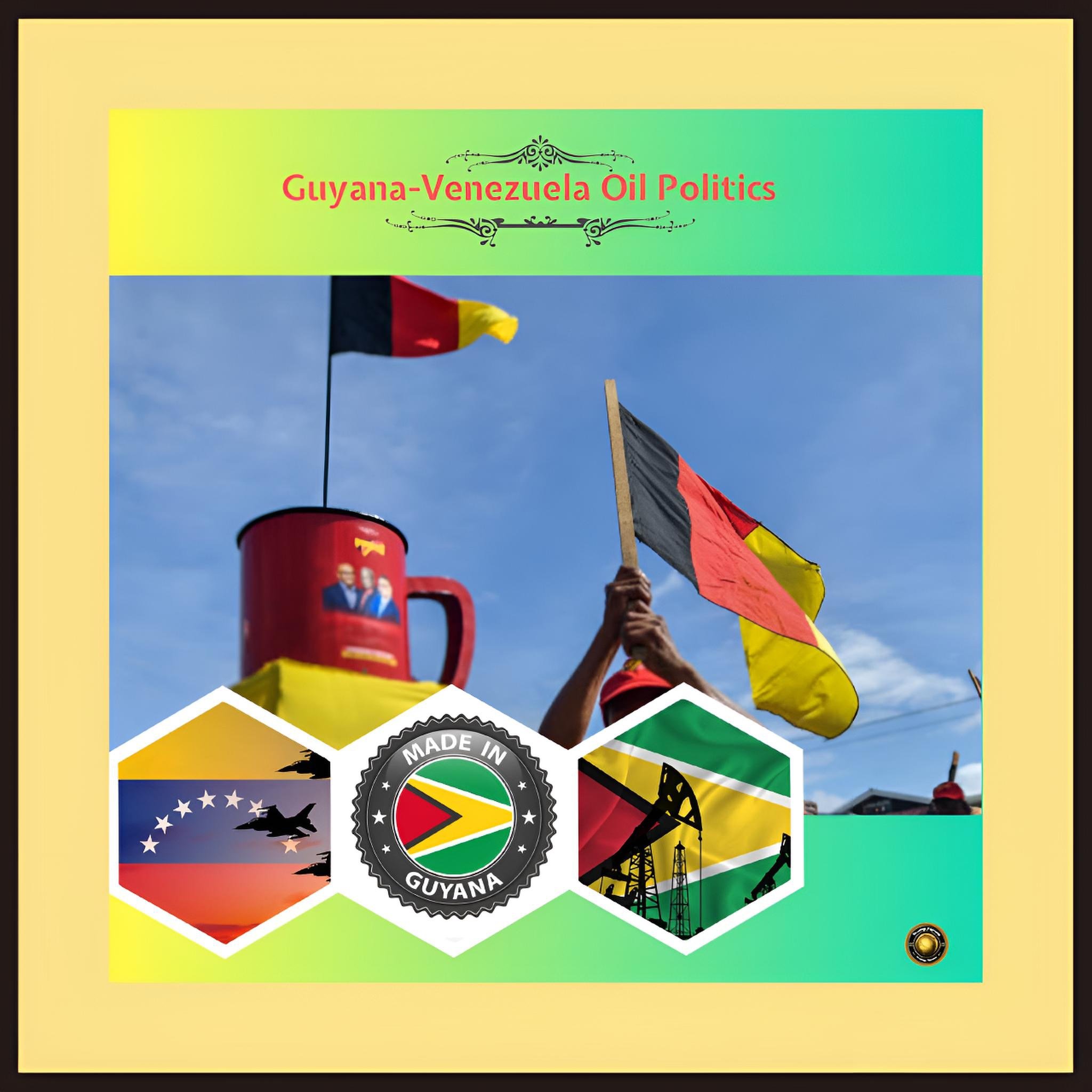
Hegemonic recalibration in the Western Hemisphere: The geopolitical architecture of post-Maduro Caribbean energy consolidation
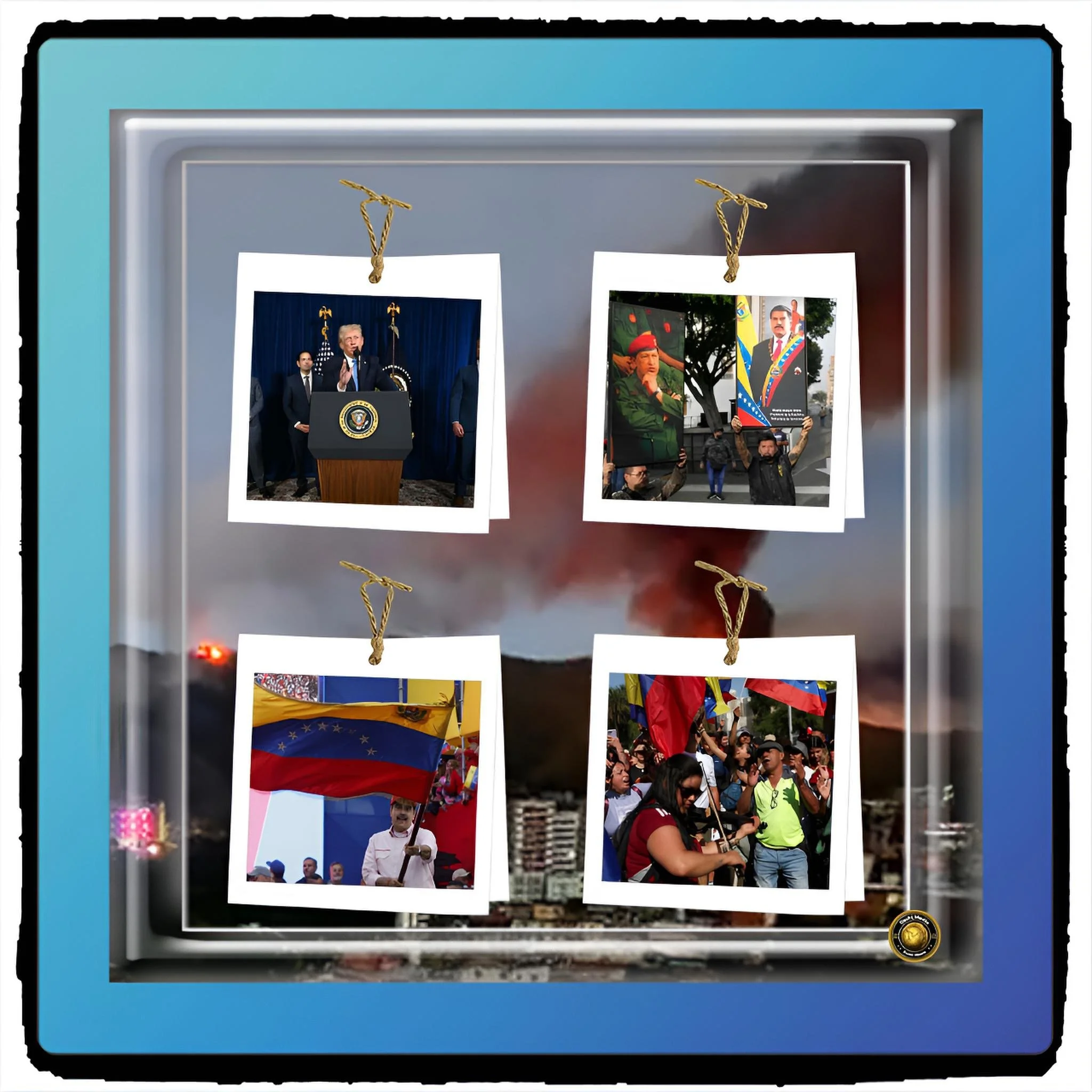
The capture of Nicolás Maduro on January 3, 2026, constitutes far more than the elimination of an individual autocrat; it represents the methodical reconstruction of American hegemonic authority in the Western Hemisphere through subordination of energy resources to strategic control mechanisms.
The Trump administration's "Absolute Resolve" operation instantiated a novel paradigm wherein military intervention, regime change, and resource appropriation converge to establish comprehensive American dominion over the Caribbean energy architecture.
This reconfiguration fundamentally reorders the calculus of petroleum investment, sovereign wealth accumulation, and regional geopolitical alignment in ways that extend far beyond Guyana's immediate circumstances to implicate broader questions regarding American unilateralism, the coherence of international law, and the trajectory of great power competition in the Western Hemisphere.
The operational architecture underlying American intervention in Venezuela reveals a sophisticated understanding of resource geopolitics and strategic positioning. Rather than direct petroleum nationalization or overt appropriation, the Trump administration has implemented a methodical sanctions enforcement regime coupled with selective sanctions relief that concentrates petroleum marketing authority within American-controlled institutional frameworks. Between 30-50 million barrels of Venezuelan crude have been seized and directed toward international markets under American oversight, with revenues channeled through United States Treasury-controlled accounts rather than flowing to legitimate Venezuelan governmental entities.
This approach accomplishes multiple strategic objectives simultaneously: it generates revenue streams directed toward American priorities; it subordinates Venezuelan petroleum production to American control while technically maintaining formal state ownership; it establishes mechanisms for ensuring that any future Venezuelan governmental configuration remains dependent upon American authorization for energy sector monetization.
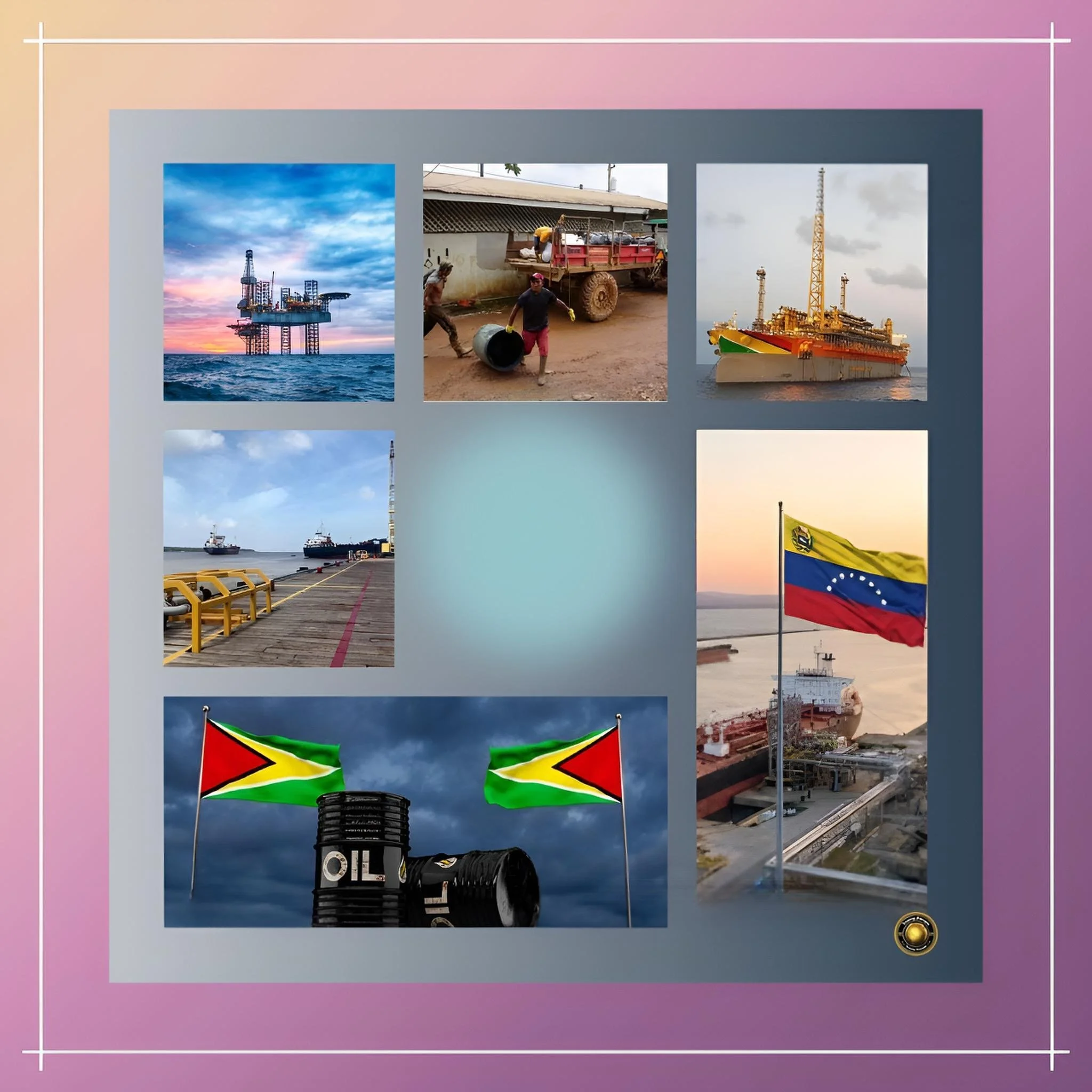
Guyana's energy sector becomes pivotal to this hegemonic architecture through its positioning as the exemplary energy state aligned with American strategic interests.
ExxonMobil's dominant operational role, American military guarantee of territorial integrity, and Guyanese governmental commitment to transparent governance and contractual sanctity establish a template for American-aligned petroleum development in the hemisphere.
The contrast between Guyanese stability and Venezuelan instability serves both immediate and long-term American strategic purposes: it demonstrates to regional actors the benefits of alignment with American strategic preferences; it concentrates petroleum revenue flows and capital allocation toward jurisdictions amenable to American influence; and it establishes structural impediments to Venezuelan economic recovery that will persist regardless of political transitions or shifts in internal Venezuelan governance.
The International Court of Justice's December 2023 provisional measures order, while nominally supporting Guyanese sovereignty, simultaneously functioned to legitimate American intervention on behalf of a territorial status quo aligned with American strategic interests.
The international legal framework provided cover for American military positioning as defending Guyanese territorial integrity against Venezuelan aggression, reframing what constitutes fundamentally a resource appropriation agenda as defense of international law and prevention of regional conflict.
This manipulation of international legal rhetoric to serve American strategic purposes exemplifies the manner in which formal legal institutions have become subordinated to hegemonic resource control mechanisms.
The removal of Maduro operates within broader American strategic repositioning toward unilateral assertion of hemispheric dominance. Secretary of State Marco Rubio's public statements have articulated an explicitly hegemonic vision wherein American strategic interests define the boundaries of acceptable state behavior for Latin American governments.
Trump's references to potential further interventions in Colombia and Cuba represent explicit threats designed to establish comprehensive American authority over regional political outcomes. The Venezuela operation functions as a demonstrative project illustrating American willingness to utilize military force to achieve regime change regardless of international opposition or multilateral institutional constraints.
The impact on capital flows reflects this hegemonic reconfiguration with precision. Institutional investors, multinational corporations, and sovereign wealth funds align their capital deployment patterns with perceptions of American strategic intent. The elimination of the Maduro threat to Guyanese territorial integrity signals diminished political risk and elevated confidence in operational continuity, thereby reducing the cost of capital for Guyanese energy projects.
Simultaneously, the demonstration of American willingness to undertake military intervention to achieve regime change creates elevated uncertainty regarding Venezuelan economic reconstruction timelines and governance stability.
Rational capital, responding to perceived risk and expected returns, naturally gravitates toward Guyanese opportunities while deferring Venezuelan investments pending evidence of sustained political stabilization and American acceptance of reformed Venezuelan governance.
Chevron's continued operations in Venezuela under existing licenses illustrate the constraints operating upon even major petroleum companies when confronted with American hegemonic preference.
The company maintains minimal operational footprint and limited capital commitment, constrained not by geological capacity but by American sanctions and the political risk generated through American intervention. Any substantial Chevron reinvestment in Venezuela would require explicit American authorization, effectively subordinating corporate capital allocation decisions to state strategic preferences.
This relationship replicates itself across the petroleum industry: American companies operate within hegemonic constraints that privilege American strategic interests over corporate profit maximization. Non-American companies, confronted with American sanctions enforcement and the prospect of American intervention, equally tailor investment decisions to accommodate American preferences.
The transformation of Guyanese sovereignty from a fragile construct threatened by militarily superior neighboring powers to a protected asset of the American security architecture represents the fundamental geopolitical outcome of the Maduro removal. While Guyanese governmental authority formally persists and Guyanese institutions nominally exercise control over petroleum assets, the practical reality reflects American strategic tutelage and dependence upon American military guarantees for sovereignty maintenance.
The sustainable development trajectory that Guyanese governmental officials articulate operates within parameters defined by American strategic preferences and ExxonMobil's capital allocation decisions. Venezuelan territorial ambitions have been foreclosed not through Guyanese military capacity but through American military commitment, creating a patron-client relationship that replicates historical patterns wherein Caribbean geopolitical trajectories reflect extra-hemispheric power alignments rather than autonomous regional decision-making.
The Brazilian government's role in bringing Guyanese and Venezuelan representatives to negotiation tables during the Essequibo crisis, while praised as regional mediation, ultimately became superseded by American military intervention that unilaterally resolved the territorial dispute through demonstration of force against Venezuela. This outcome reflects the subordination of regional institutional mechanisms to American hegemonic preferences.
CARICOM's condemnation of Venezuelan actions and support for Guyanese sovereignty, while important for regional legitimacy purposes, possessed no independent enforcement capacity and functioned essentially as symbolic acknowledgment of American-led regional order rather than as independent exercise of institutional authority.
The petroleum economics underlying capital allocation decisions—Guyanese light sweet crude versus Venezuelan heavy sour crude, superior infrastructure versus degraded facilities, institutional stability versus political uncertainty—exist within and are fundamentally shaped by the hegemonic architecture. Investors do not evaluate petroleum assets in abstraction from political risk and institutional governance frameworks; they evaluate them within the specific context of American strategic positioning and demonstrated willingness to utilize military force to achieve preferred outcomes.
The objective characteristics of Guyanese versus Venezuelan crude remain constant, but their relative attractiveness to international capital has been fundamentally transformed through American demonstration of commitment to Guyanese territorial protection and Venezuelan political subordination.
The longer-term implications extend to Venezuelan energy sector reconstruction timelines and governance frameworks. Any post-Maduro Venezuelan government will operate under conditions of demonstrated American willingness to undertake military intervention to achieve regime change when strategic interests are perceived as threatened. This demonstration effect establishes elevated expectations regarding American acceptance conditions for Venezuelan governance arrangements.
Venezuelan policymakers will necessarily accommodate anticipated American preferences regarding governmental composition, energy sector management, and foreign policy orientation. The result will be Venezuelan governance shaped fundamentally by American preferences rather than autonomous Venezuelan political processes, with capital flows and economic reconstruction contingent upon demonstrated alignment with American strategic interests.
This hegemonic reconfiguration alters the fundamental premise of Venezuelan energy sector rehabilitation. It no longer represents a process of domestic economic reconstruction animated by Venezuelan governmental priorities and constrained by available capital and technological capacity. Instead, it becomes a mechanism through which American strategic interests are advanced through controlled energy sector development subordinated to American oversight.
The oil that flows from Venezuelan fields will flow under American authorization, to markets determined by American preference, according to pricing mechanisms influenced by American market participation. Maduro's removal eliminates not merely an individual political actor but an obstacle to comprehensive American hegemonic authority throughout the Caribbean energy architecture.
The strategic wisdom of the Trump administration's Venezuela operation lies precisely in its recognition that durable hegemonic authority requires not merely military victory but comprehensive subordination of resource flows to hegemonic control.
The capture of Maduro and the establishment of American military presence in the region accomplish this objective with surgical precision. Capital flows respond by concentrating investment in the hegemonic-preferred jurisdiction while deferring Venezuelan investments pending evidence of American acceptance. Guyana prospers as a hegemonic exemplar while Venezuela stagnates pending its transformation into a hegemonic client state.
The oil remains in the ground awaiting conversion into instruments of strategic authority under conditions that serve American interests rather than Venezuelan development.