Guyana is winning, Venezuela is waiting: why the oil game changed forever
Think about a competition between two neighbors who both have treasure buried in their yards. Both yards have treasure, but the neighbors are very different people. One neighbor is organized, trustworthy, and already has a company digging up the treasure. The other neighbor is disorganized, has done bad things to people in the past, and his digging equipment is broken. Which neighbor will get rich first? Obviously, the first one. That is what is happening with Guyana and Venezuela today.
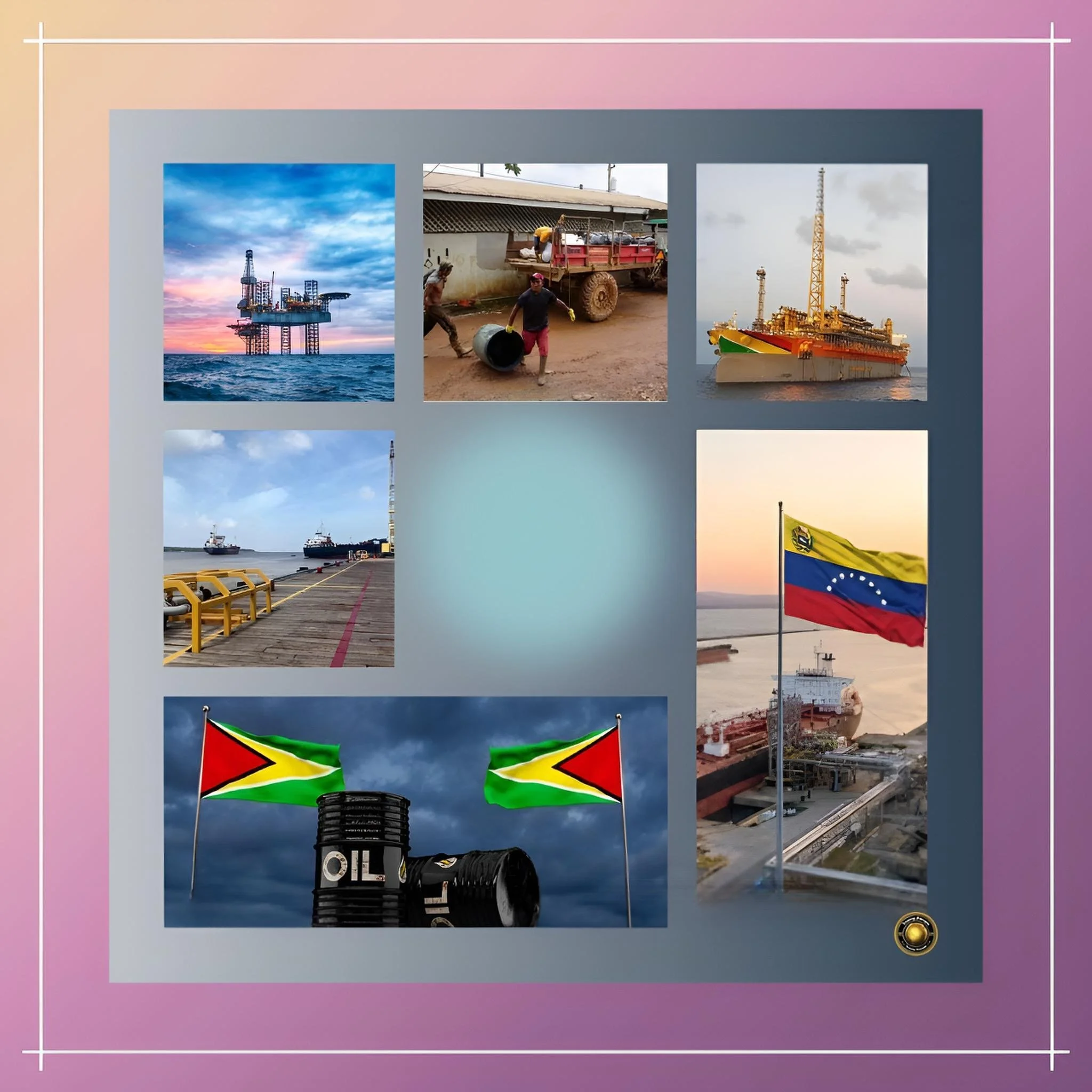
Guyana is the neighbor who is already digging. In November 2025, Guyana hit a big milestone. The country reached nine hundred thousand barrels of oil per day. To understand how big this is, imagine a swimming pool. Fill it up with oil. That is about how much oil Guyana is producing every single day. Companies like ExxonMobil have already invested sixty billion dollars in Guyana. They are building more oil platforms right now. In five more years, Guyana will be producing one point seven million barrels per day. That is almost twice as much.
Venezuela is the neighbor with broken equipment. Even though Venezuela has the biggest treasure in the world (more oil than anyone), the equipment to dig it up is broken. The government stole the oil company's equipment and never paid them back.
The pipes are rusty and leak. The workers who knew how to fix everything moved to other countries to find better jobs. To get Venezuela's oil production working again would cost one hundred eighty billion dollars. That is more than the yearly budget for many countries.
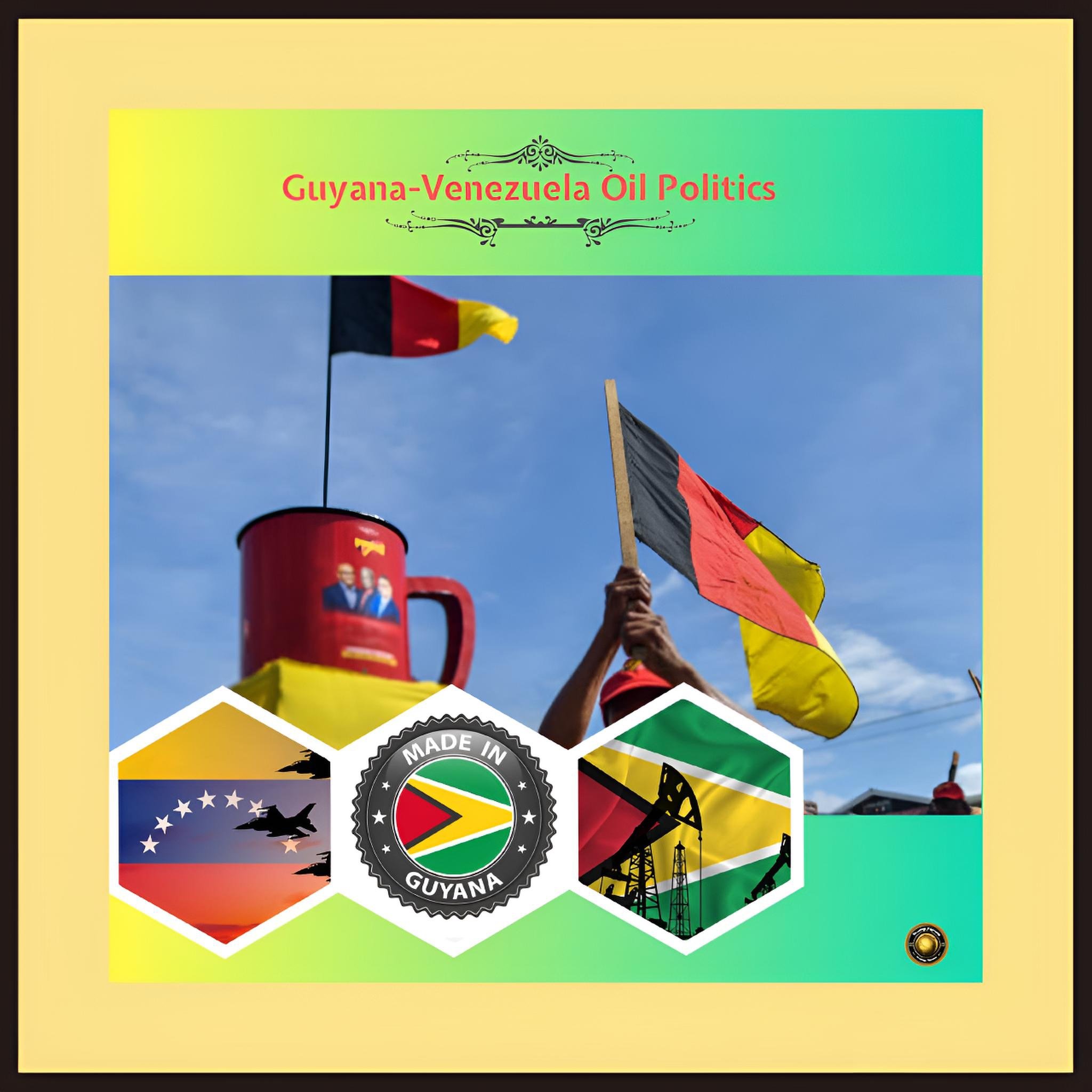
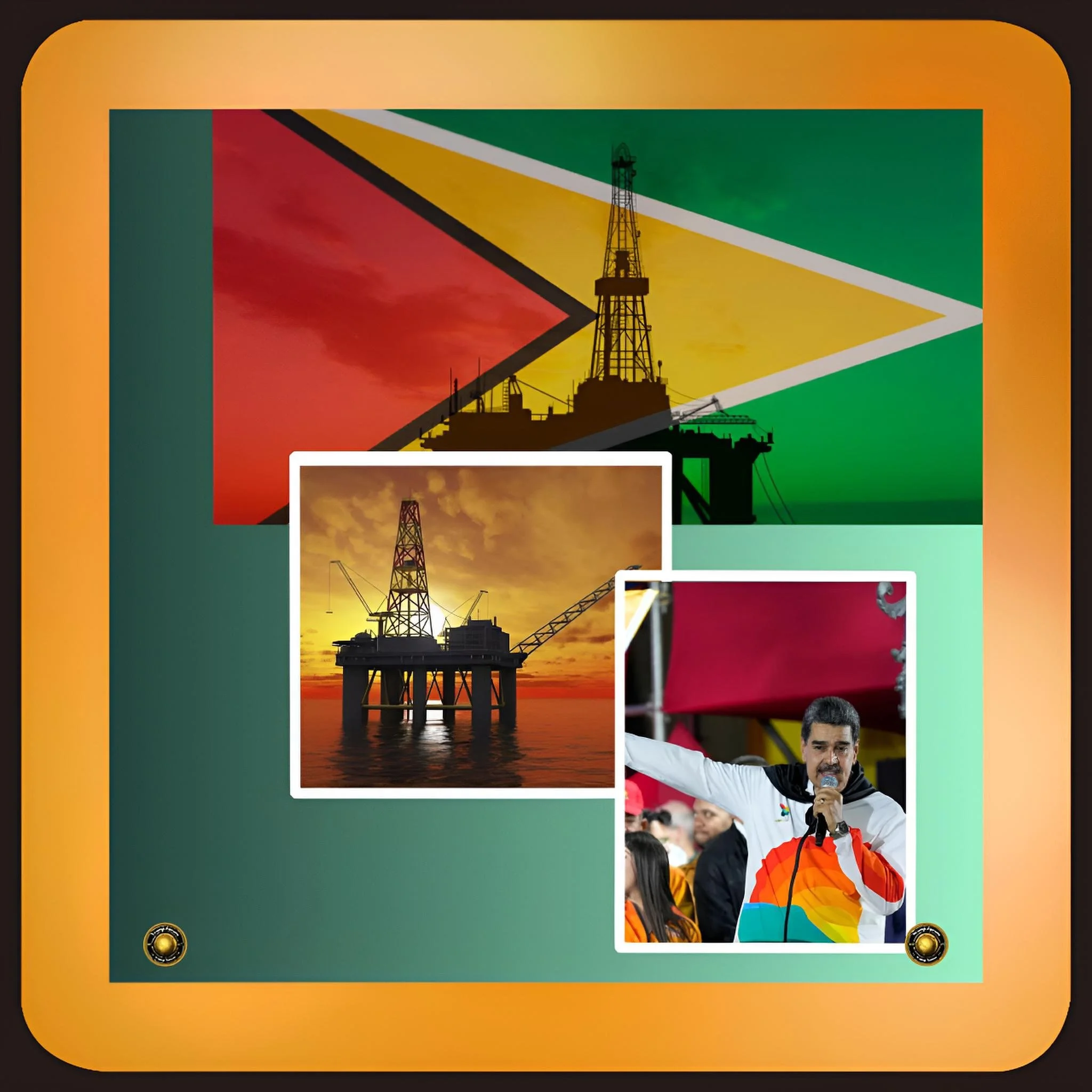
But here is the thing that changed everything. Venezuela's leader, Nicolás Maduro, did something very foolish. He said he wanted to take Guyana's oil. He held a vote asking Venezuelans if they wanted to invade Guyana and take the Essequibo region. He sent military ships to scare the oil companies. This made investors very nervous. If there was a war between Venezuela and Guyana, the oil platforms could be destroyed. The business could fail. So money started moving away from Venezuela and toward Guyana instead.
Then something big happened. In January 2026, the United States sent military forces and captured Maduro. He is now in prison in New York, charged with serious crimes. This is a huge change. Now investors know Venezuela will not attack Guyana. The United States has promised to protect Guyana. Banks and investment companies feel safer investing in Guyana again. The cost of borrowing money for Guyana oil projects goes down. More projects can be approved.
Meanwhile, Venezuela is stuck. To rebuild oil production, Venezuela needs many things to happen first. The country needs a new government that is honest. The country needs to make peace with other countries so they will trade with Venezuela. The country needs investors to believe that the government will not steal their money. All of these things take years. Experts say Venezuela probably will not have meaningful oil production increases for at least ten years, maybe fifteen years.
During those ten to fifteen years, what is Guyana doing? Producing oil and making money. Guyana's government is taking oil money and building roads, schools, and hospitals. Young Guyanese people are getting jobs. Companies are building hotels and restaurants for workers. Guyana is becoming richer and more advanced every month. By the time Venezuela's oil is ready to produce again, Guyana will be completely different. It will be a developed country, not a developing country.
Here is why this matters. Imagine two children planting seeds. Child A plants seeds in good soil, waters them, and watches them grow. Child B has bad soil, no water, and broken tools. While Child B is fixing his tools and preparing his soil, Child A already has plants growing. By the time Child B's soil is ready, Child A's plants are big and strong. Child B can never catch up because he started too late.
That is Guyana and Venezuela now. Guyana is the child with growing plants. Venezuela is the child still fixing the tools. The game has changed. Guyana has already won the race.