The Islamic Republic's Digital Siege: Iran's Unprecedented Internet Blackout and Its Geopolitical Implications
Executive Summary
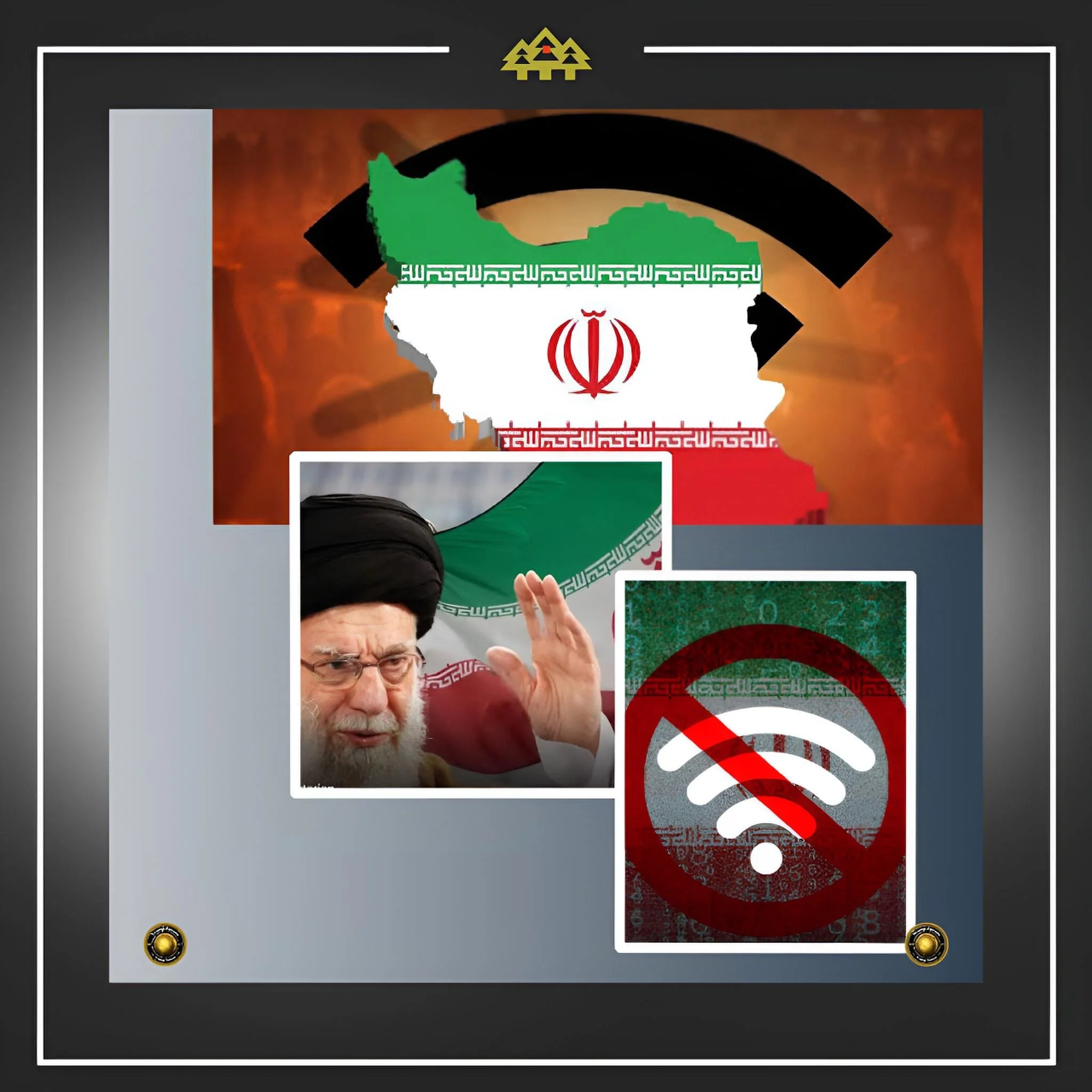
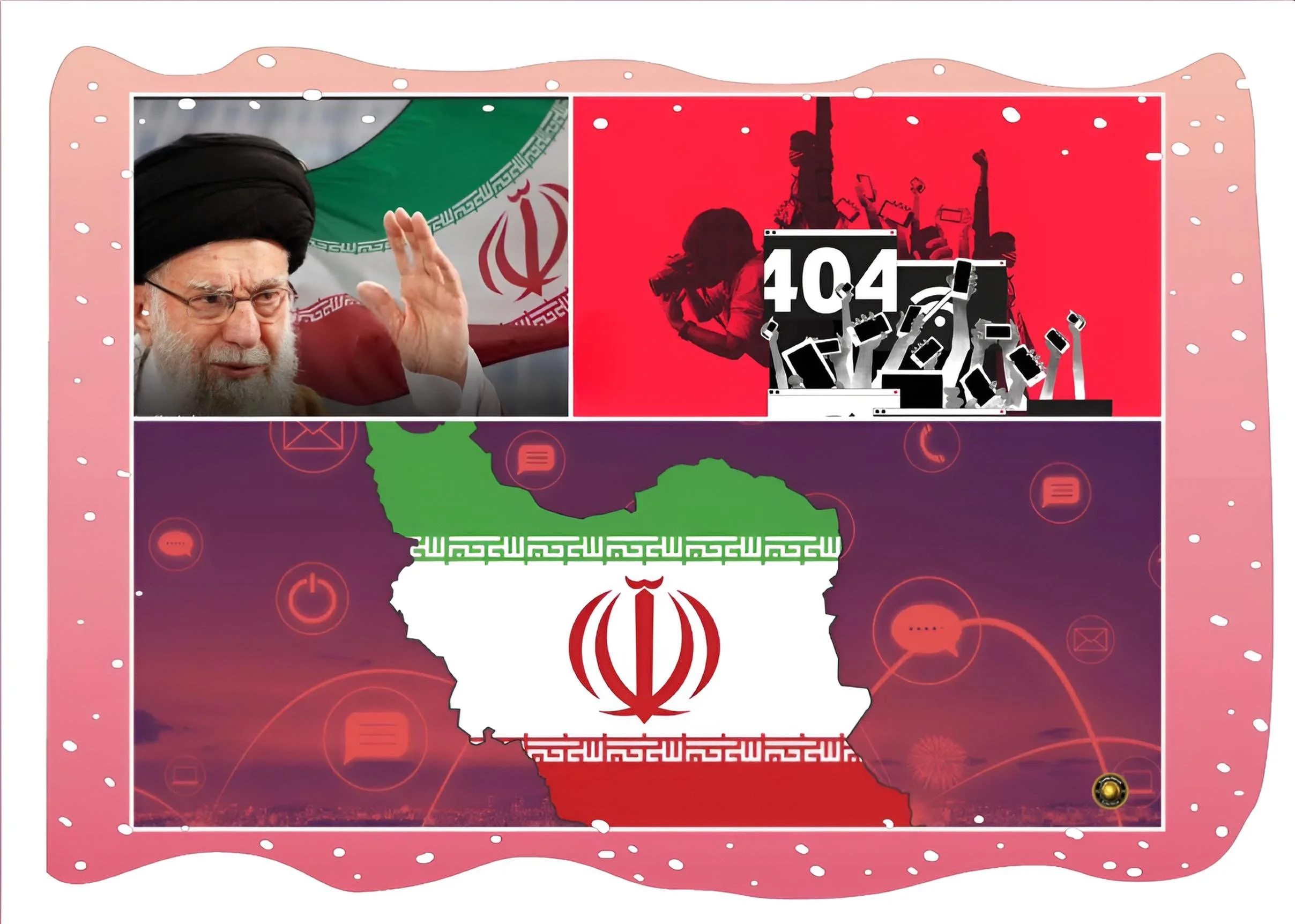
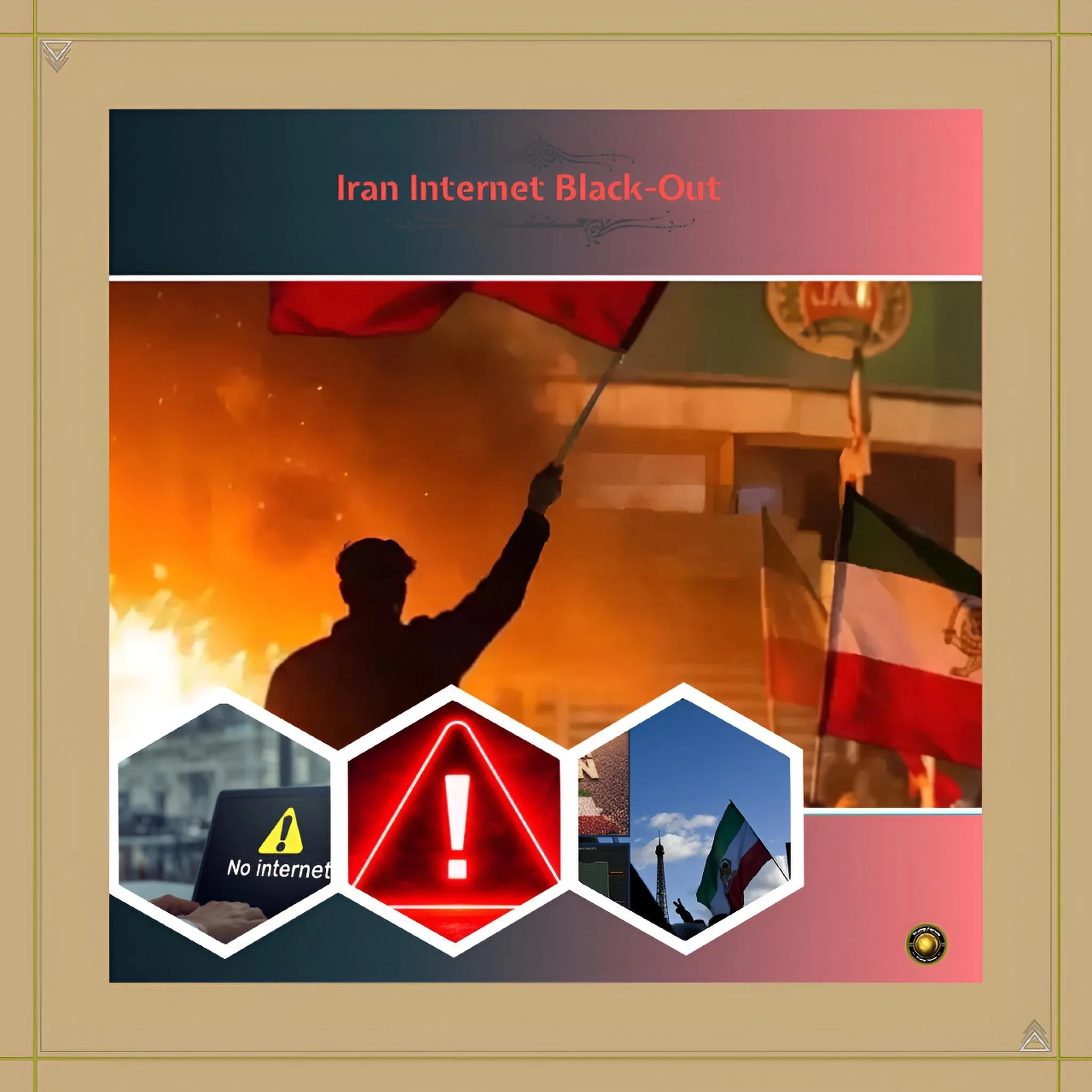
On January 8, 2026, the Islamic Republic of Iran initiated what cybersecurity experts describe as the most extreme internet shutdown in the nation's contemporary history.
Within thirty minutes of the digital shutdown's commencement, internet traffic plummeted by ninety percent, eventually reaching near-zero connectivity across the country.
This blackout, which persists beyond five consecutive days, represents a qualitative escalation in digital repression tactics, distinguishing itself through unprecedented measures including the blocking of satellite internet services—a first in Iranian governmental practice.
The shutdown coincides with nationwide anti-government protests that began on December 28, 2025, following economic deterioration marked by currency collapse and hyperinflation.
As security forces conduct a violent crackdown, with death tolls estimated between 1,800 and 12,000 individuals, the internet blackout serves as both a tool of suppression and a veil obscuring the true scale of casualties and human rights violations.
This phenomenon warrants scholarly analysis as a consequential moment in the history of state digital repression, revealing the escalating sophistication and ruthlessness with which authoritarian regimes employ information control.
Introduction
The contemporary relationship between state authority and digital infrastructure has become increasingly fraught with tension. Internet shutdowns—deliberate governmental disconnections from global information networks—have emerged as a primary instrument through which authoritarian regimes consolidate control during moments of perceived existential threat.
Iran's January 2026 blackout exemplifies this troubling trajectory. The shutdown represents more than a technical disconnection; it embodies a calculated strategy to eliminate civilian access to independent information, prevent coordination of resistance, and shield state security forces from international accountability for documented atrocities.
The significance of this event transcends Iran's borders, offering crucial insights into the evolving architecture of digital authoritarianism, the vulnerability of critical digital infrastructure, and the profound humanitarian consequences of total communications isolation.
Historical Context and Previous Shutdowns
Iran's use of internet shutdowns as instruments of political control extends back over a decade.
During the November 2019 protests—subsequently termed "Bloody November" by international observers—Iranian authorities imposed a nationwide internet blackout lasting approximately five consecutive days.
This shutdown occurred as government security forces deployed lethal force against demonstrators, with credible reports indicating the extrajudicial killing of between 500 and 1,500 individuals.
The internet blackout during this period served an explicit political function: preventing the documentation and external reporting of extrajudicial killings, thereby shielding the regime from international condemnation and accountability mechanisms.
The September-December 2022 period, following the death in police custody of Mahsa Amini and the subsequent "Woman, Life, Freedom" uprising, witnessed a different modality of digital repression.
Rather than implementing a singular comprehensive blackout, Iranian authorities imposed nightly "digital curfews," during which mobile network services were severed from approximately 4:00 PM until midnight local time.
This coordinated disruption persisted across thirteen consecutive days, cumulatively denying mobile network access for roughly one hundred hours.
Simultaneously, authorities expanded blocking of specific platforms, including WhatsApp, Instagram, and Telegram, utilizing a combination of DNS tampering, TCP/IP blocking, and TLS-level interference.
The June 2025 shutdown, occurring during the twelve-day military conflict between Iran and Israel, represented yet another iteration. During this period, internet usage within Iran declined by ninety-seven percent below normal operational levels, as the government invoked national security justifications for the disconnection.
This shutdown demonstrated the Iranian regime's willingness to employ digital isolation even during external military confrontation, suggesting that information control constitutes a priority equivalent to active defense measures.
Current Status and Technical Specifications
The January 2026 blackout distinguishes itself through unprecedented comprehensiveness and technical sophistication. Beginning at approximately 20:30 local time (17:00 UTC) on January 8, 2026, the shutdown proceeded with remarkable speed and coordination.
Internet monitoring organizations, including Cloudflare Radar, NetBlocks, and the Georgia Institute of Technology's Internet Outage Detection and Analysis database, documented the near-instantaneous nature of the disconnection.
Within thirty minutes, internet traffic originating from Iranian networks had declined by ninety percent. Within subsequent hours, connectivity approached zero percent, with measurements indicating traffic volumes of less than 0.01 percent of pre-shutdown baseline levels.
The blackout's reach extends across the entire Iranian digital ecosystem. Telecommunications Company of Iran (TCI), Irancell, and MCI—the nation's primary internet service providers—were simultaneously disconnected from global internet infrastructure.
Critically, the blackout disrupted not merely external connectivity but also domestic online services that had remained partially functional during previous crackdowns.
Cybersecurity experts, including Amin Sabeti and researchers at the Miaan Group, characterized this shutdown as exhibiting unprecedented scope and severity.
Banking systems, hospitals, pharmacies, and governmental services dependent upon internet connectivity were severely disrupted. Business operations across the nation experienced immediate cessation, with financial transactions becoming impossible and e-commerce platforms rendered entirely inaccessible.
The Iranian government's response to reports of limited internet access represents a further escalation. When some individuals maintained connectivity through Starlink satellite internet services—a technology that bypassed state-controlled terrestrial networks—authorities implemented jamming measures against satellite signals.
This represented the first documented instance of Iranian governmental action explicitly targeting satellite internet infrastructure. Initial reports indicated packet loss rates of approximately thirty percent for Starlink connections; within hours, packet loss escalated to between sixty and eighty percent across multiple geographic zones.
Cybersecurity researcher Amir Rashidi, who has conducted twenty years of research on Iranian digital repression, declared these jamming efforts "unprecedented" in the scope and sophistication of interference.
Key Developments and Escalating Measures
The progression of Iranian governmental response reveals deliberate escalation across multiple technological domains. Initial reports from late December 2025 and early January 2026 indicated targeted disruptions focused upon specific geographic areas experiencing intensive protests.
Mobile network antennas were disabled in particular neighborhoods; SIM cards belonging to known activists and dissidents were deactivated; data transmission capabilities were artificially restricted through throttling; and bandwidth allocation for mobile networks was severely constrained.
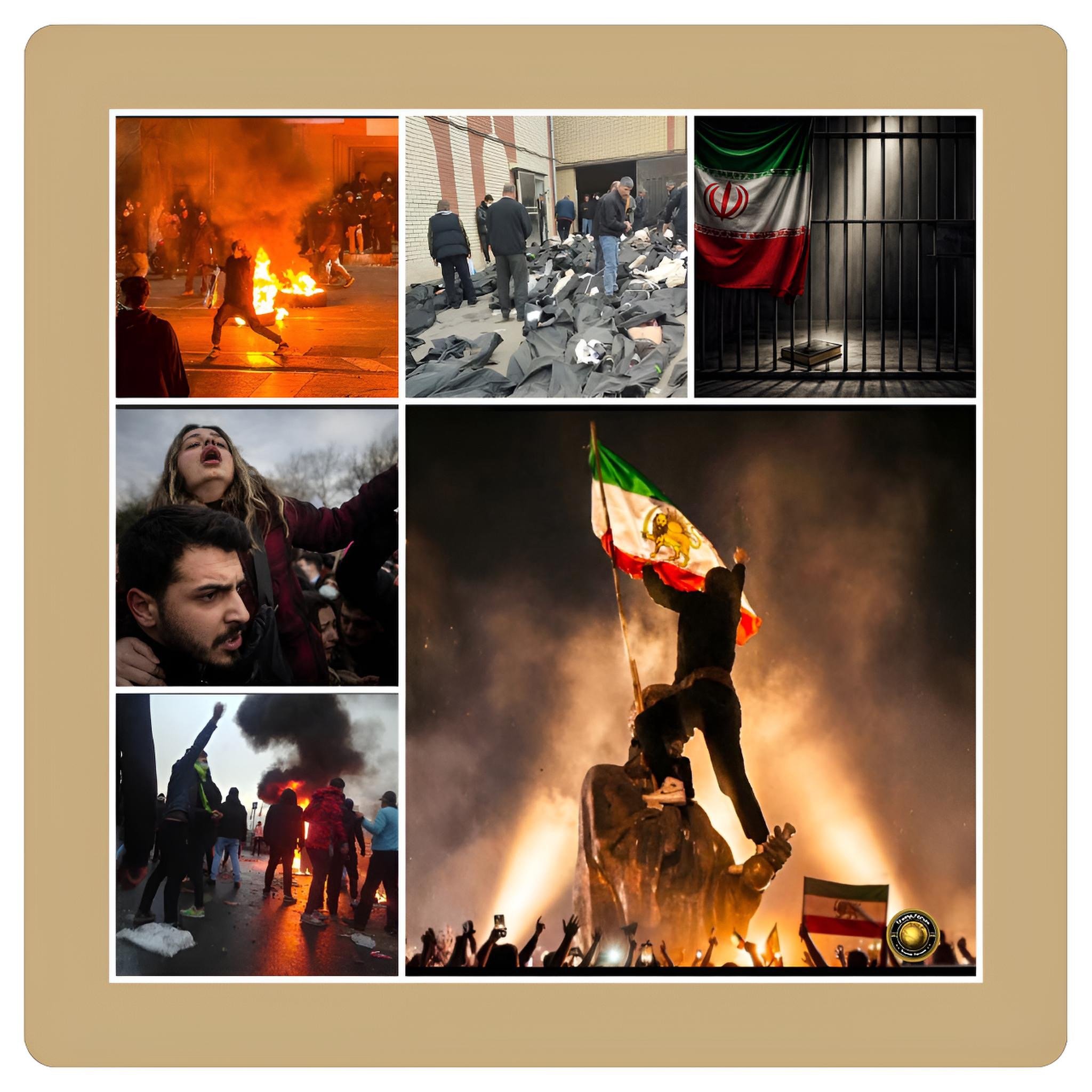
The transition to total blackout occurred contemporaneously with intensification of street protests on January 8, 2026. Witnesses across Tehran and provincial cities reported chants demanding regime change, with demonstrators explicitly calling for the fall of the Islamic Republic system.
Photographic and video evidence documented government buildings engulfed in flames, with fires spreading across multiple municipalities including Tehran, Karaj, Mashhad, Shiraz, and Isfahan. In response to these manifestations of regime challenge, authorities determined that partial measures had become insufficient; comprehensive digital isolation became the chosen policy instrument.
The subsequent deployment of anti-Starlink measures represents governmental acknowledgment that traditional internet shutdowns had become insufficient containment mechanisms.
When determined individuals and organizations maintained access to external information networks through satellite services, the regime escalated to sophisticated jamming operations. Evidence strongly suggests that the jamming technology employed derives from foreign sources, with cybersecurity analysts identifying technical signatures consistent with military-grade equipment potentially supplied by Russia or China.
The Iranian regime had previously tested GPS jamming during the June 2025 conflict with Israel, establishing the technological groundwork for rapid deployment during the January uprising.
Concurrently, door-to-door operations conducted by security forces sought to locate and confiscate Starlink receivers and related satellite internet equipment. Reports from Tehran and other urban centers documented military and security personnel systematically searching residences, seizing suspected satellite receivers, and threatening families discovered with such devices.
This convergence of digital repression through jamming and physical enforcement through equipment seizure represents an integrated suppression strategy targeting the last viable communication channels available to the civilian population.
Death Toll and Humanitarian Consequences
Estimates regarding casualty figures vary significantly, reflecting the information blackout's success in obscuring the true scale of governmental violence. Initial reports from human rights organizations on January 9 and 10 suggested death tolls in the range of 500-1,000 individuals.
However, as limited information escaped the blackout through clandestine channels, through temporary gaps in communications isolation, and through individuals reaching international contacts via telephone, casualty estimates escalated dramatically.
By January 13, 2026, human rights advocacy organizations were reporting death tolls of approximately 2,000 individuals. More recent reports from Iranian government and security sources, obtained by international media organizations, suggest death tolls potentially reaching 12,000 individuals, concentrated particularly on January 8-9 during the initial phases of the military crackdown.
The impossibility of comprehensive casualty verification constitutes itself a human rights violation of profound magnitude. Witnesses smuggled reports indicating security forces firing indiscriminately into crowds; video evidence emerged depicting morgues with multiple bodies visible; families reported missing relatives whose whereabouts remained unknown amid the communications blackout.
The absence of independent international monitors, journalists operating freely, or survivors maintaining communications with external observers means that the true death toll will likely remain unknown for months or years following the restoration of internet access.
Beyond direct casualties from security force actions, the blackout itself inflicts humanitarian harm. Hospitals unable to access patient records, order medications, or coordinate care experienced compromised capacity to treat wounded individuals and maintain regular medical services.
Pharmacies without access to supply chain management systems were unable to fulfill prescriptions or maintain stocks of critical medications. Individuals dependent upon digital payment systems for survival—those receiving remittances from abroad, those with funds stored in digital accounts, those seeking to purchase essential goods—found themselves effectively severed from economic participation.
The elderly and infirm, the poor and dispossessed, and the vulnerable populations of Iranian society experienced immediate material deprivation through the blackout itself, independent of security force violence.
Comparative Analysis: Iran Within the Global Architecture of Digital Repression
The January 2026 Iranian blackout requires contextualization within the broader global landscape of internet shutdowns and digital repression.
According to comprehensive reports from organizations monitoring digital freedom, 2025 witnessed 212 major government-imposed internet disruptions across 28 countries, lasting a cumulative 120,095 hours and imposing an estimated $19.7 billion in economic costs—a 156 percent increase relative to 2024. Russia, despite not employing total shutdowns, imposed deliberate restrictions costing approximately $11.9 billion through sophisticated throttling, protocol interference, and selective blocking.
Venezuela and Myanmar imposed disruptions costing $1.91 billion and $1.89 billion respectively.
The January 2026 Iranian blackout, however, distinguishes itself through comprehensiveness and sophistication. While numerous shutdowns target specific platforms or geographic areas, Iran's shutdown approaches totality across both platforms and geography.
The blocking of satellite internet—previously considered immune to state-level interference—represents a qualitative escalation beyond shutdowns typically documented in global human rights literature.
The combination of jamming, equipment seizure, and comprehensive terrestrial network disconnection suggests technological sophistication that exceeds measures documented in comparable states.
Previous Iranian shutdowns of 2019 and 2022 maintained partial access to domestic internet infrastructure—the so-called "national intranet" hosting Iranian government websites and services. The January 2026 blackout appears to have disrupted even these domestic systems to substantial degrees, representing an unprecedented willingness to inflict damage upon governmental and business operations in service of information control.
This suggests that regime survival—understood as preventing substantive challenge to state authority—has been assessed as more critical than maintaining ordinary state functions.
Future Prospects and Systemic Implications
The durability of the January 2026 blackout into its fifth and sixth days of continuation suggests that authorities view indefinite disconnection as strategically preferable to restoration of connectivity.
The initial assertion that internet access would be restored once "security was restored" appears increasingly hollow, as the scale of demonstrations and anti-government sentiment suggests that restoration of "security" as authorities understand it will require either comprehensive military suppression of demonstrators, formal change in governmental regime, or temporal passage sufficient for protest movements to exhaust themselves without achieving objectives.
Prospects for international intervention remain limited. While President Trump indicated willingness to discuss Starlink access with Elon Musk, practical mechanisms for extending satellite internet coverage to Iran remain constrained.
SpaceX's offering of complimentary Starlink service will provide benefit only to the small percentage of the Iranian population possessing satellite receiver equipment—estimated at tens of thousands of individuals out of approximately ninety-two million total population.
The regime's demonstrated capacity to disrupt even this circumvention mechanism through jamming suggests that technological solutions alone cannot overcome determined state repression.
The shutdown's economic consequences will persist long beyond the restoration of internet access. Iranian businesses reliant upon digital operations have sustained substantial losses. The financial sector, already destabilized by international sanctions and currency devaluation, experiences further deterioration through inability to process transactions.
Individuals dependent upon remittances from abroad or digital savings have been severed from essential resources.
Preliminary estimates suggest that every day of comprehensive internet shutdown imposes losses exceeding one million dollars in foregone economic activity, exclusive of broader macroeconomic consequences.
Conclusion
Iran's January 2026 internet blackout represents a consequential moment in the modern history of state digital repression. The shutdown exemplifies the convergence of escalating authoritarian sophistication with technological capability to isolate populations from external information.
The blocking of satellite internet services, the deployment of military-grade jamming equipment, and the integration of physical enforcement through equipment seizure demonstrate an evolution in digital repression tactics beyond what most scholars and policy analysts anticipated feasible.
The humanitarian consequences—measured in documented and undocumented deaths, economic deprivation, and social trauma—establish the blackout as a significant event in twenty-first-century authoritarianism.
The episode warrants sustained scholarly attention from international relations scholars, human rights researchers, technology policy analysts, and humanitarian organizations.
The apparent success of comprehensive internet isolation in preventing external documentation of large-scale violence raises questions about the future viability of international accountability mechanisms and humanitarian monitoring in an age of sophisticated digital repression.
The shutdown suggests that states possessing both technical capability and determination to employ it can effectively eliminate information flows that might generate international pressure for behavioral modification.
The implications extend beyond Iran, suggesting a troubling trajectory for global governance, human rights protection, and the role of information technology in either enabling or constraining authoritarian governance.
The restoration of internet access will constitute not the conclusion of this crisis but rather its transition into a subsequent phase, during which international observers will gain access to comprehensive information about the scale of state violence, the trajectory of the protest movement, and the regime's consolidation or collapse of control.
Until that moment arrives, the international community remains blinded by the very digital repression apparatus designed to obscure state action, forced to rely upon fragmentary information smuggled through extraordinary means, and confronted with the troubling recognition that twenty-first-century authoritarianism possesses tools of isolation and control that may exceed the capacity of international norms and institutions to address.