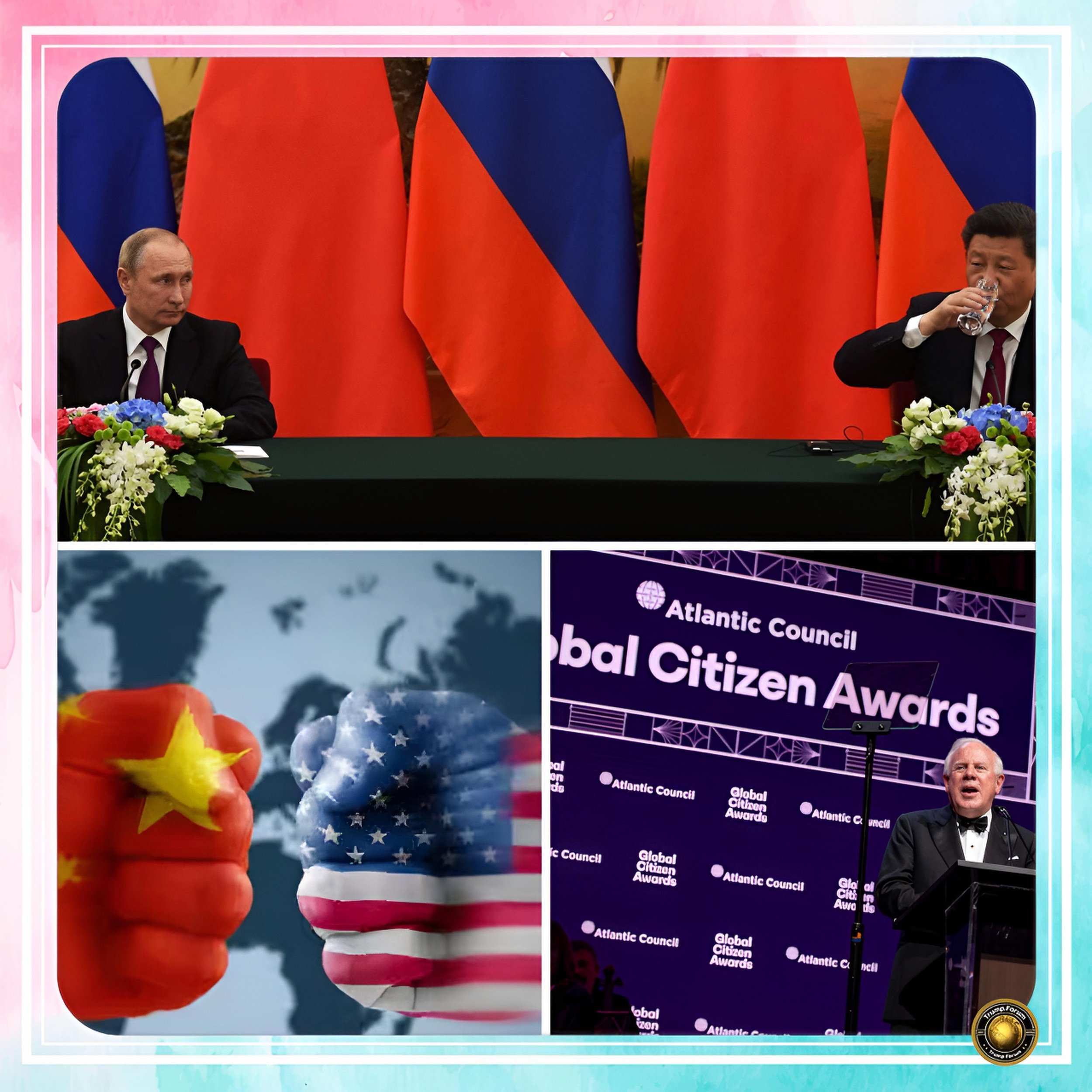
The Trajectory from Post-WWII Order to World War III: US 2025 UNGA Remarks as a Critical Inflection Point
Executive Summary
The Pathway from the Post-World War II International Order to Potential Global Conflict: Analyzing Trump's Remarks at the 2025 United Nations General Assembly as a Pivotal Turning Point
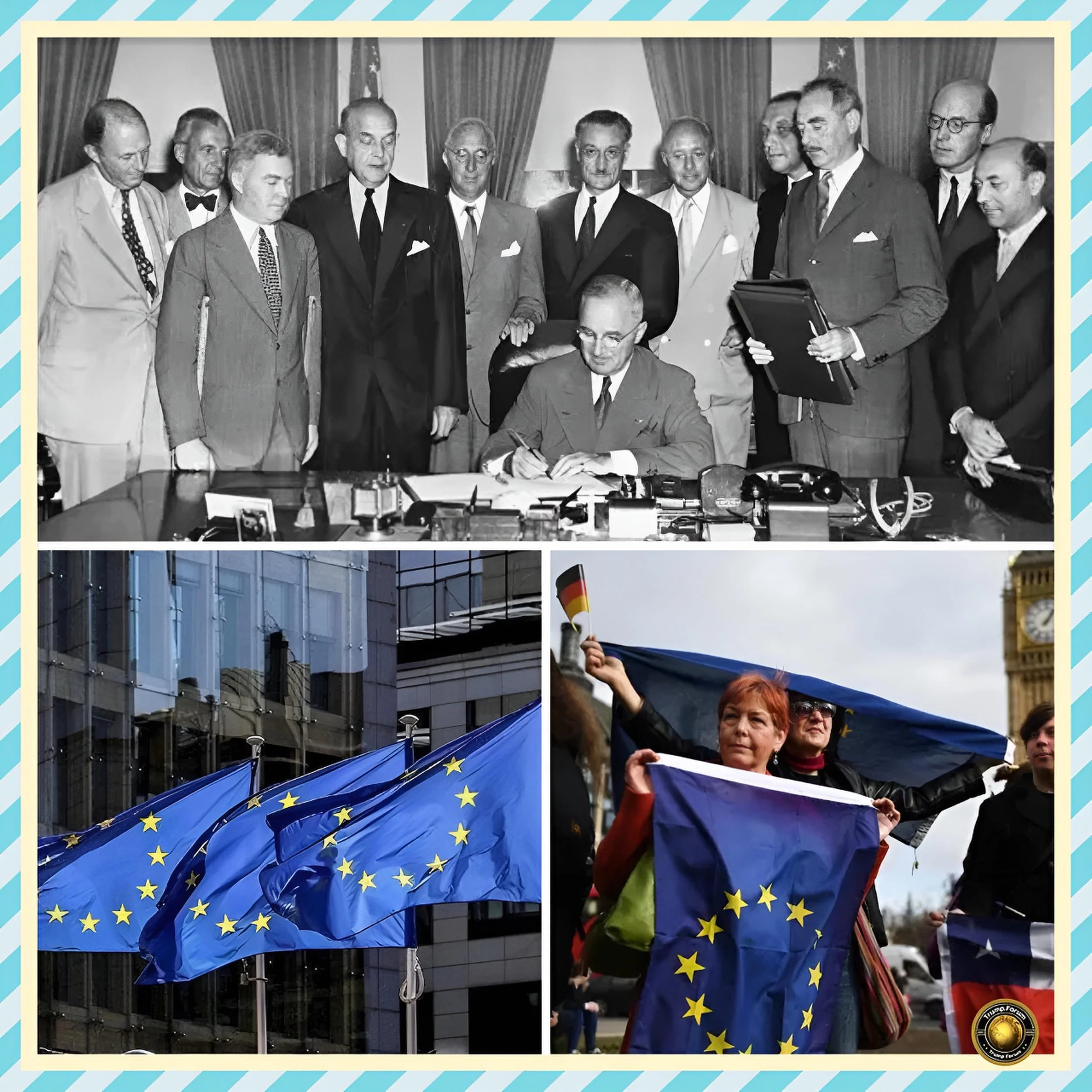
Following the conclusion of World War II, a new global order emerged, characterized by multilateralism, diplomatic engagement, and the establishment of key institutions designed to promote peace and stability.
However, the world now finds itself at a critical juncture, where tensions between nations are escalating, and the specter of a third global conflict looms large.
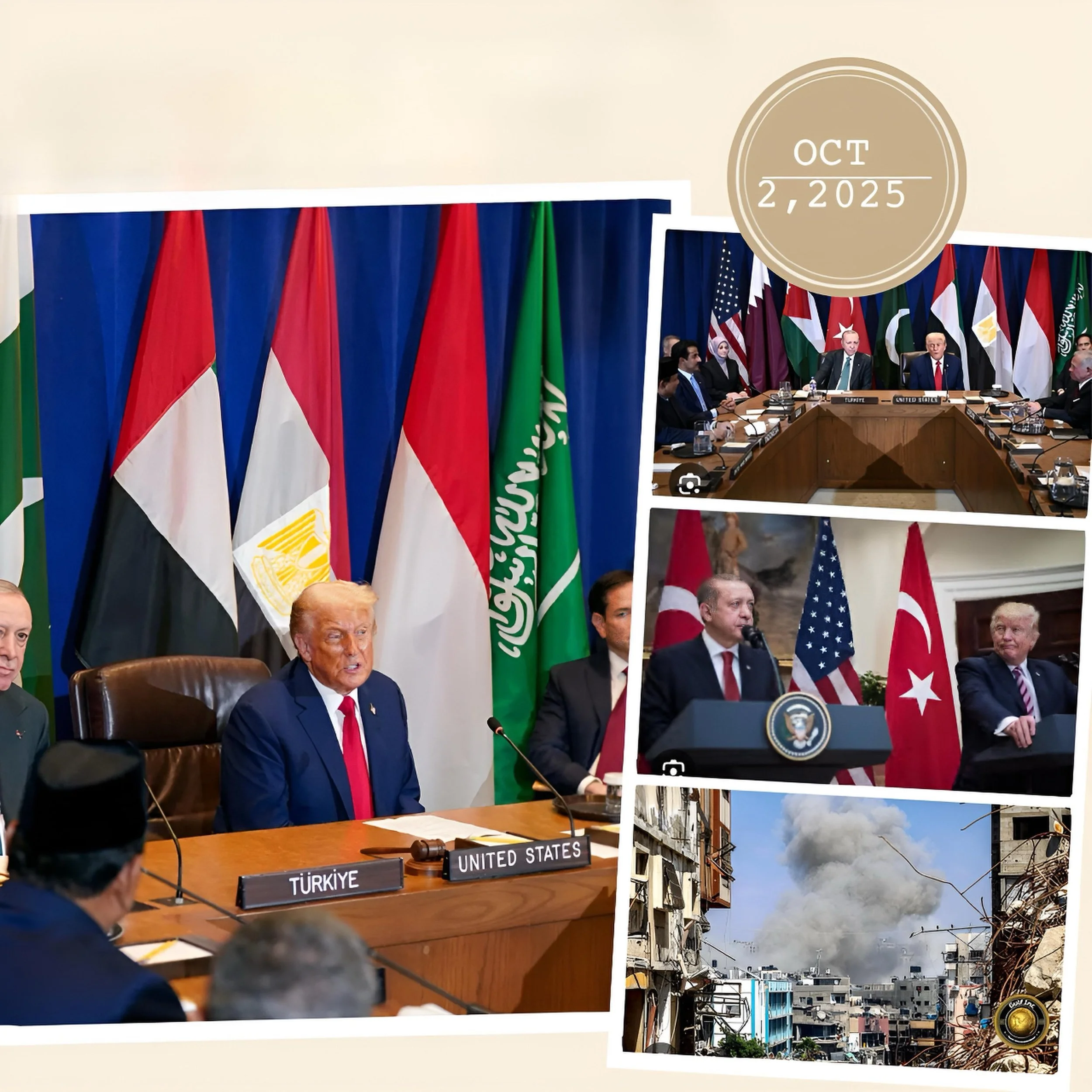
In this context, Donald Trump's address at the 2025 United Nations General Assembly serves as a significant inflection point.
His speech not only reflects the shifting dynamics of international relations but also highlights the challenges faced by traditional alliances and the growing influence of alternative global powers.
As nations grapple with nationalism, economic competition, and differing ideological visions for the future, Trump's comments may signal a departure from established diplomatic norms, raising urgent questions about the sustainability of the post-WWII order.
This exploration aims to dissect the implications of Trump's remarks, considering the broader geopolitical landscape and the potential pathways toward resolution or escalation.
As FAF delves into this pivotal moment, it becomes clear that the decisions taken today will shape the trajectory of international relations for generations to come.
Introduction
The trajectory from World War II’s conclusion to the current geopolitical moment reveals a clear and alarming progression toward potential global conflict.
Trump’s September 2025 United Nations General Assembly remarks represent not merely controversial diplomacy, but a watershed moment marking the systematic dismantling of the post-war international order and a decisive step toward the conditions that historically precipitate world wars.
The Post-WWII Order: Architecture of Peace
The defeat of Germany and Japan in 1945 created more than just military victory—it established a revolutionary framework for international relations.
The victorious Allied powers, led by the United States, constructed an intricate system of multilateral institutions designed to prevent the return to the anarchic competition that had produced two devastating world wars.
This architecture rested on fundamental principles: territorial integrity, peaceful dispute resolution through international law, collective security through institutions like NATO and the UN, and economic interdependence fostering cooperation rather than competition.
The system proved remarkably durable, preventing major power conflicts for nearly eight decades and facilitating unprecedented global prosperity.
The United States served as the system’s hegemon—not merely the strongest power, but one committed to “leading, underwriting, and defending an open, liberal, rules-based international system”.
This role required America to sometimes subordinate immediate national interests to broader systemic stability, accepting constraints on its own power in exchange for legitimacy and cooperation from other nations.
Erosion Under Pressure: The Current Crisis
However, this post-war order now faces its gravest existential threat since the Cuban Missile Crisis.
Multiple converging factors have undermined the system’s foundations, creating conditions reminiscent of the unstable multipolar environment that preceded both world wars.
The rise of revisionist powers—particularly Russia, China, and Iran—has challenged core principles through territorial aggression, economic coercion, and the formation of anti-Western alliances.
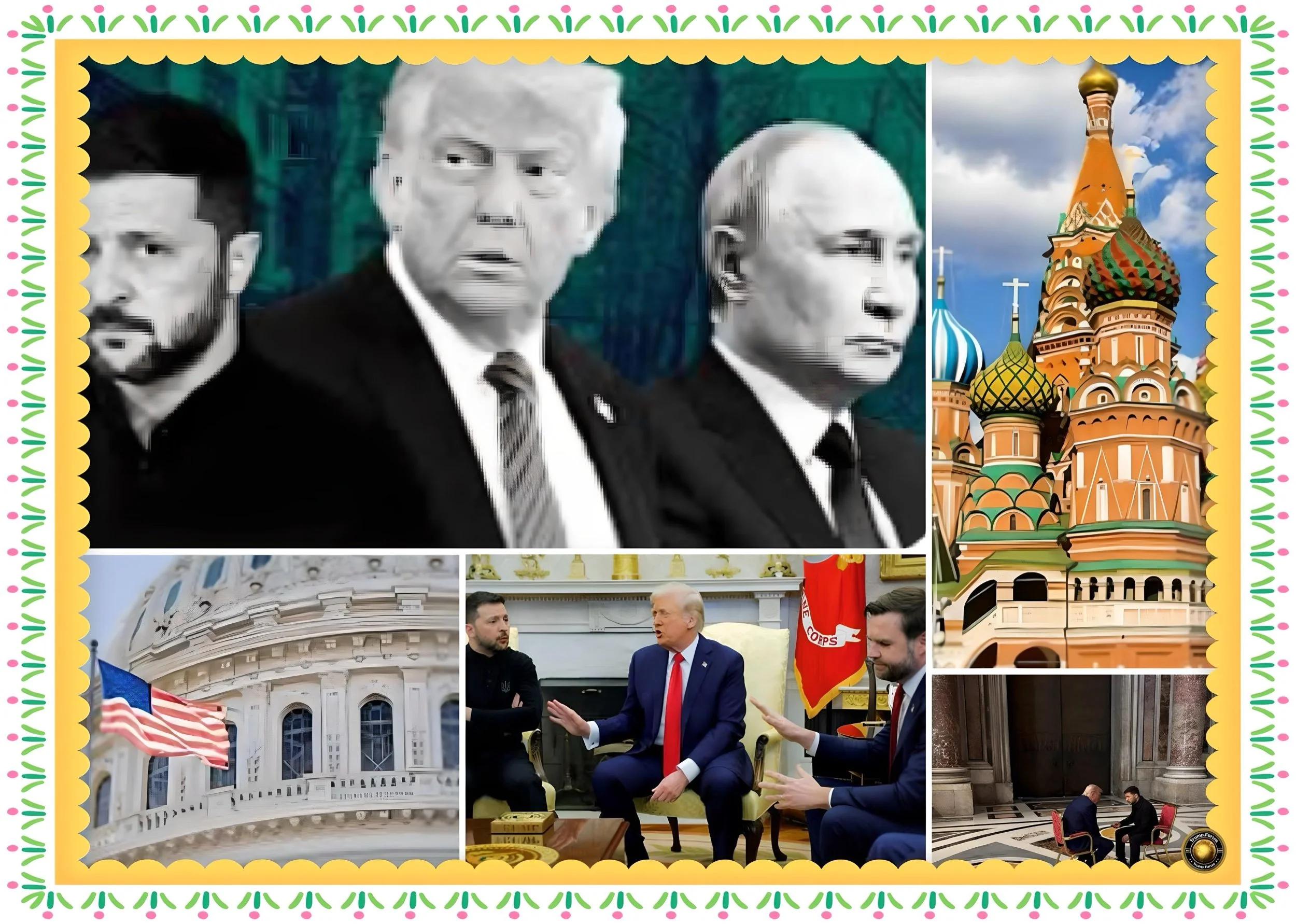
Russia’s invasion of Ukraine represents the most direct assault on post-1945 principles, demonstrating a willingness to “rewrite international borders through military force despite global condemnation”.
China’s militarization of the South China Sea and threats against Taiwan similarly violate international law while testing American resolve.
Simultaneously, the proliferation of nuclear weapons to nine nations has created new escalation dynamics.
Unlike the Cold War’s bipolar nuclear standoff, today’s multipolar nuclear environment presents far more complex deterrence calculations, with multiple powers possessing weapons of mass destruction and regional conflicts carrying global implications.
Economic nationalism has further fractured the system. The trade wars, sanctions regimes, and efforts to “decouple” supply chains represent a fundamental retreat from the post-war commitment to economic integration as a peace-building mechanism.
The World Trade Organization’s paralysis and the collapse of various arms control treaties signal institutional breakdown across multiple domains.
Trump’s 2025 UNGA Speech: The Inflection Point
Against this backdrop of systemic strain, Trump’s September 2025 address to the UN General Assembly marked a qualitative escalation in the breakdown of international cooperation.
His speech represented not policy adjustment but revolutionary rupture—an explicit American rejection of the multilateral order it had spent eight decades building
Trump’s attacks went beyond traditional criticism of international institutions. His declaration that the UN produces only “empty words,” his dismissal of climate change as “the greatest con job ever perpetrated on the world,” and his warning to European allies that “your countries are going to hell” constituted a comprehensive repudiation of multilateral problem-solving.
More ominously, his threats of punitive tariffs against allies and his praise for unilateral military action signaled America’s transition from system leader to system destroyer.
The speech’s most dangerous element was its explicit embrace of zero-sum thinking. By framing immigration, trade, and climate policy as existential threats requiring unilateral American action, Trump rejected the cooperative frameworks that have managed these issues since 1945.
Trumps message that each nation should prioritize its own interests above collective goods directly contradicts the philosophical foundation of the post-war order.
International reaction confirmed the speech’s historic significance.
World leaders’ visible discomfort, diplomatic protests, and emergency consultations reflected recognition that America had crossed a threshold.
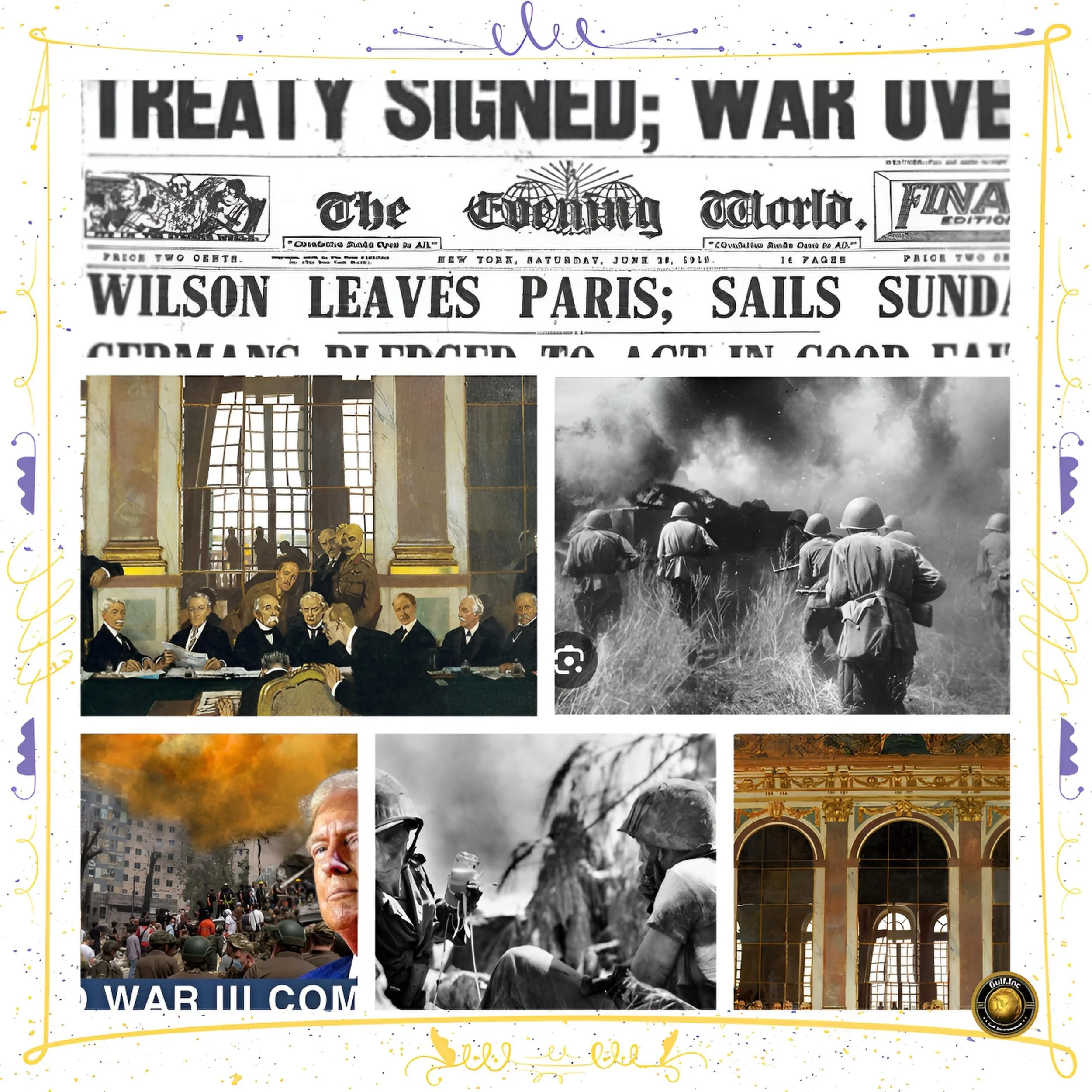
European officials privately compared the moment to America’s rejection of the League of Nations in 1920—a decision that contributed directly to World War II’s outbreak.
Historical Parallels and the Path to World War III
The similarities between current geopolitical dynamics and the conditions that preceded the world wars are both striking and concerning.
Expert assessments have repeatedly highlighted alarming parallels with the periods leading up to 1914 and 1939.
Today's international landscape mirrors the pre-1914 environment, featuring ascendant powers that are contesting established hegemony, intricate alliance frameworks that heighten escalation risks, and a resurgence of nationalism that threatens global cooperative efforts.
The alignment of Russia, China, Iran, and North Korea resembles the antagonistic blocs that previously escalated regional tensions into global conflicts.
Contemporary military buildups, advancements in cyber warfare capabilities, and ongoing nuclear modernization programs reflect the arms races that characterized the lead-up to both world wars.
The pre-1939 conditions present even more disconcerting echoes.
The erosion of international institutions, the emergence of authoritarian regimes willing to pursue territorial ambitions through force, and the withdrawal of democratic nations from assertive global leadership roles intensify the specter of fascist-like aggression.
Moreover, Trump’s "America First" doctrine explicitly invokes the isolationist sentiments of the 1930s, including overt critiques of multilateral institutions and a retreat from established international commitments.
The Probability Assessment: FAF Warnings
The prospect of a global conflict, commonly referred to as World War III, has transitioned from speculative discourse to a pressing reality for many geopolitical analysts.
The Atlantic Council’s 2025 Global Foresight survey indicates that 40 percent of experts anticipate the outbreak of a world war within the next decade.
This potential conflict is identified as a “multifront confrontation among great powers,” reflecting a troubling evolution in international relations marked by heightened tensions and a precariously unstable geopolitical milieu.
The data highlights a significant shift in expert consensus regarding escalating global threats. Among the key flashpoints, 65 percent of surveyed analysts predict that China may initiate military action to reclaim Taiwan within the next ten years.
Additionally, 45 percent foresee a rising likelihood of direct military confrontations between NATO and Russia, particularly in light of current tensions in Eastern Europe.
In the Middle East, the situation remains volatile, notably regarding Israel and Palestine. Although a majority of United Nations member states endorse the establishment of a Palestinian state, the trajectory of Israeli policy appears to lean towards the annexation of Palestinian territories.
This could lead to the erasure of Palestinian identity, facilitated by U.S. support. Analysts anticipate that by the decade’s end, Israel may realize its ambitions for a “Greater Israel,” potentially provoking a unified Arab response against U.S. and Israeli actions, especially considering the recent escalations in military tensions post-Qatar crisis.
Moreover, the emergence of a “China-Russia-Iran-North Korea axis” raises concerns about a coordinated military and strategic posture opposing the West across multiple domains.
This alignment signifies a substantial realignment in the global power structure, paving the way for potential simultaneous confrontations on multiple fronts.
The intertwined risks of nuclear escalation with conventional military dynamics add further complexity to international stability.
Alarmingly, 48 percent of experts speculate about the potential use of nuclear weapons within the next decade, a scenario that could destabilize the current global order.
Concurrently, there is an increasing likelihood of conflicts extending into outer space and the cyber domain, where hostile cyber operations against critical infrastructure could trigger rapid escalation cycles, further undermining diplomatic relations.
The erosion of arms control agreements, which historically served as vital mechanisms for de-escalation and conflict prevention during the Cold War, exacerbates these risks. The absence of such frameworks heightens the likelihood of a global confrontation.
Systemic Breakdown Intensifies
The systematic withdrawal from international commitments under the Trump administration has accelerated a breakdown in global governance structures.
The executive order issued in February 2025, mandating a review of U.S. treaty obligations and memberships in international organizations, signals a potential exit from the post-war institutional framework established after 1945.
This self-sabotage by the prevailing global hegemon jeopardizes the institutions it originally helped create, leading to an imminent collapse of international norms.
The implications of this breakdown extend well beyond American policy, as other powers, now free from institutional restraints and increasingly distrustful of U.S. security guarantees, are actively pursuing military buildups and forming rival coalitions.
The so-called “rules-based international order,” which for eight decades mitigated the risks of great power conflict, exists largely as a rhetorical construct rather than a functional reality.
Economic warfare, encompassing sanctions, tariffs, and technological restrictions, has initiated a process of fragmentation in the global economy into competing spheres of influence.
Emerging military competition across space, cyberspace, and in advanced technologies introduces new escalation pathways that current institutional frameworks are ill-equipped to manage.
The proliferation of private military contractors and proxy warfare strategies exacerbates regional instabilities, allowing state actors plausible deniability.
Conclusion
The Point of No Return
The confluence of institutional disintegration, intensified great power rivalry, nuclear proliferation, and economic fragmentation has ushered in what many experts characterize as a “period of maximum danger.”
Unlike past crises that were addressed through institutional mechanisms and diplomatic negotiations, contemporary tensions are compounded by the deliberate dismantling of those very frameworks.
Trump’s address at the 2025 UN General Assembly encapsulated this transformation, marked by overt rejection of cooperative principles that have upheld global peace since 1945.
His advocacy for unilateral action, dismissal of international legal norms, and overt threats against traditional allies indicate a fundamental shift in the international landscape, ushering in an era of unprecedented geopolitical peril.