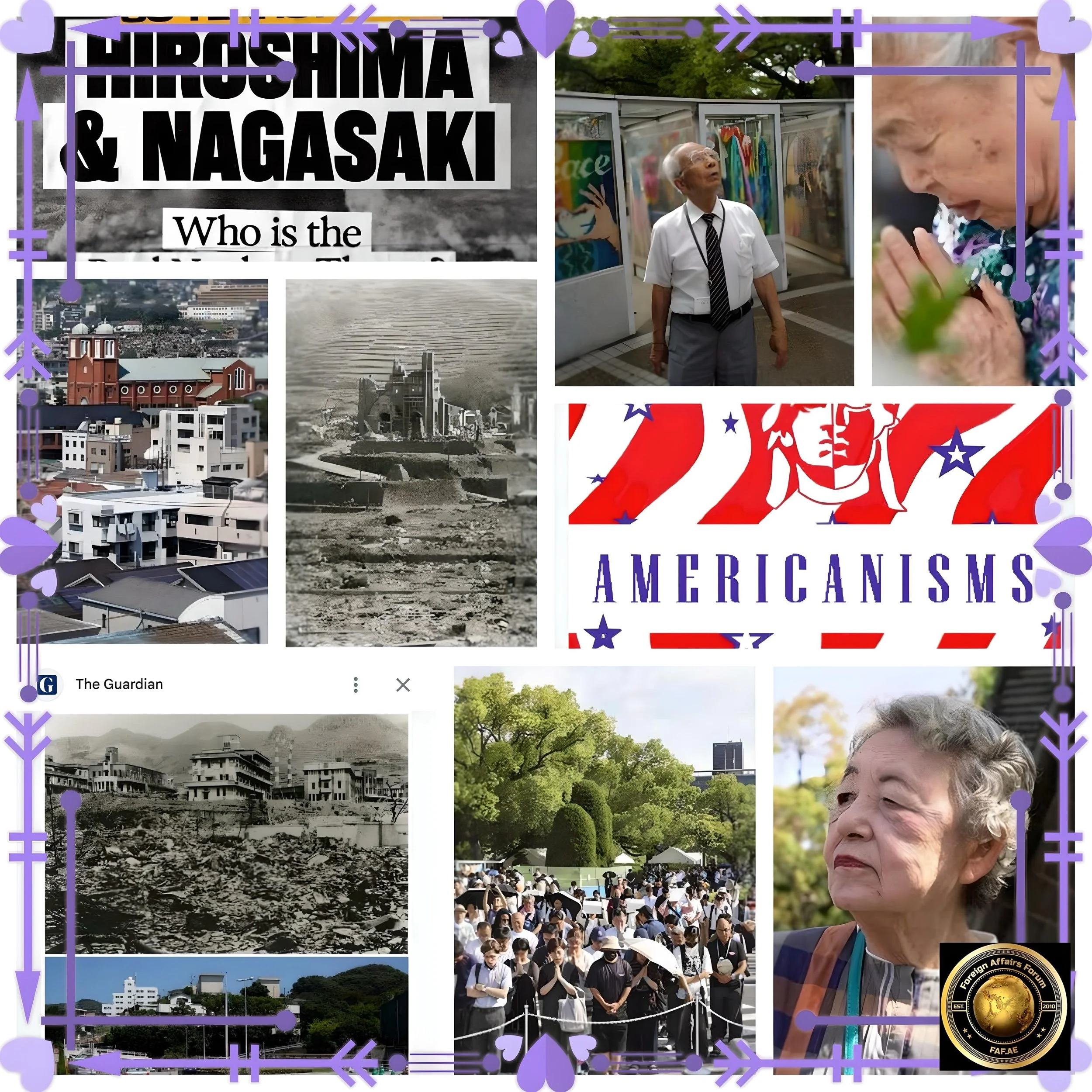
Evolving Nuclear Threats Eight Decades Post-Hiroshima
Executive Summary
As we mark eighty years since the devastating events at Hiroshima, we find ourselves grappling with an increasingly complex landscape of nuclear threats.
The legacy of that tragic moment in history serves as a stark reminder of the catastrophic potential inherent in nuclear weapons.
Today, global tensions, geopolitical rivalries, and advancements in nuclear technology raise concerns about the stability of nuclear arsenals and the potential for their use.
The modern era is characterized by a resurgence of nuclear ambitions among several nations, coupled with the proliferation of nuclear materials that could fall into the hands of non-state actors.
As sophisticated missile systems evolve and new forms of warfare emerge, the specter of nuclear conflict looms larger than ever. International diplomacy, which seemed to make strides post-Cold War, faces challenges as trust erodes among key powers.
In this context, experts warn that the very existence of nuclear weapons continues to pose existential risks not only to nations but to humanity as a whole.
The lessons learned from Hiroshima echo in today’s political climate, urging nations to reflect on the dire consequences of inaction and the imperative to prioritize disarmament and global security.
Introduction
Eighty years after the atomic bombing of Hiroshima, the world confronts nuclear dangers more acute and multifaceted than at any time since the Cold War’s peak.
As 55,000 people gathered at Hiroshima Peace Memorial Park on August 6, 2025, to commemorate the anniversary, the specter of nuclear conflict looms larger than ever across multiple theaters of global tension.
The sobering reality is that today’s nuclear landscape bears little resemblance to the bipolar standoff of the Cold War era. Instead, we face an increasingly complex web of nuclear-armed adversaries engaged in simultaneous crises from Europe to East Asia, the Middle East to South Asia.
This multipolar nuclear competition, combined with the erosion of arms control frameworks and dangerous doctrinal shifts, has created what UN disarmament officials describe as “a time of nuclear danger not seen since the height of the Cold War”.
The Multipolar Nuclear Crisis Landscape
Europe: Russia’s Nuclear Coercion in Ukraine
The war in Ukraine has fundamentally altered European security by reintroducing nuclear threats as instruments of statecraft.
Russia’s implicit and explicit nuclear signaling—from Putin’s early war threats to use “means of destruction” against countries aiding Ukraine to the deployment of tactical nuclear weapons in Belarus—has normalized nuclear coercion in ways not seen since the 1960s.
More alarmingly, Russia has developed what Western intelligence describes as a “escalate to de-escalate” doctrine, whereby Moscow would consider limited nuclear use to terminate a conventional conflict on favorable terms.
This strategy directly challenges NATO’s extended deterrence commitments and raises fundamental questions about Alliance credibility in defending Eastern European members.
East Asia: North Korea’s Preemptive Nuclear Doctrine
North Korea represents perhaps the most dangerous evolution in nuclear doctrine since the Cold War.
Under Kim Jong Un, Pyongyang has explicitly adopted a “preemptive nuclear use” policy that authorizes starting conflicts with nuclear weapons rather than escalating to them during conventional warfare.
This represents a fundamental departure from traditional deterrence theory. While other nuclear powers threaten nuclear escalation if facing imminent defeat, North Korea’s doctrine enables launching nuclear weapons preemptively upon detecting signs of impending attack.
As detailed in North Korea’s September 2022 nuclear law, the country reserves the right to use nuclear weapons if “a nuclear or non-nuclear attack on the state leadership” is “judged to be on the horizon”.
The deployment of tactical nuclear weapons to frontline military units further reduces decision-making time and increases risks of unauthorized or accidental use.
Should North Korea’s command structure be degraded in a crisis, the 2022 law authorizes “automatic and immediate” nuclear retaliation according to predetermined operational plans.
Middle East: Iran’s Nuclear Ambitions After Military Strikes
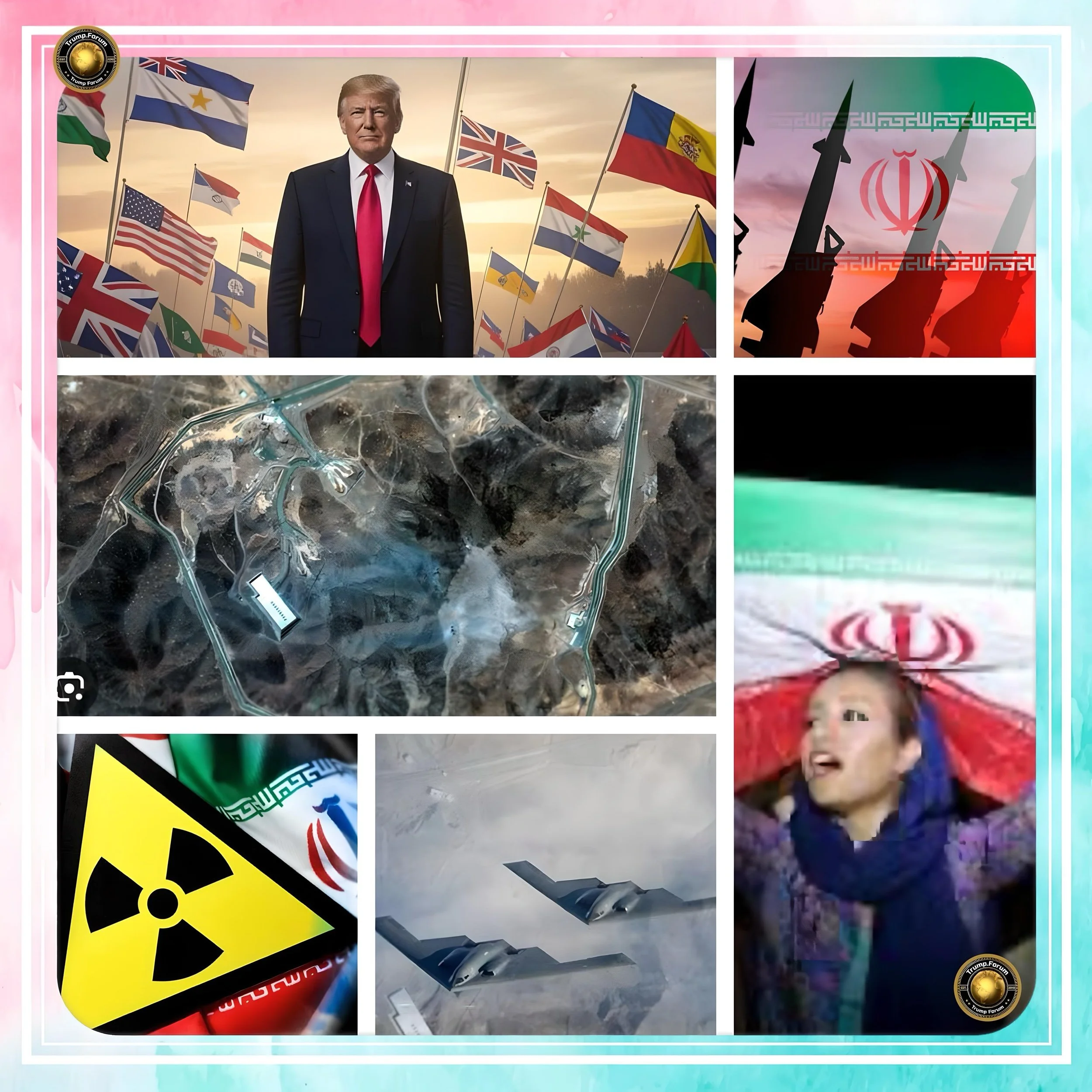
The June 2025 military campaign against Iran’s nuclear program has paradoxically increased rather than decreased nuclear proliferation risks in the Middle East.
Operation Midnight Hammer—the coordinated Israeli-U.S. strikes targeting Fordow, Natanz, and Isfahan nuclear facilities—was intended to eliminate Iran’s nuclear capabilities but appears to have only delayed them by months rather than years.
The strikes’ limited effectiveness has emboldened hardliners in Tehran who argue that only nuclear weapons can deter future attacks.
As one Iranian official observed, the strikes represent “yet another demonstration, from the hard-line Iranian point of view, that America can’t be trusted”.
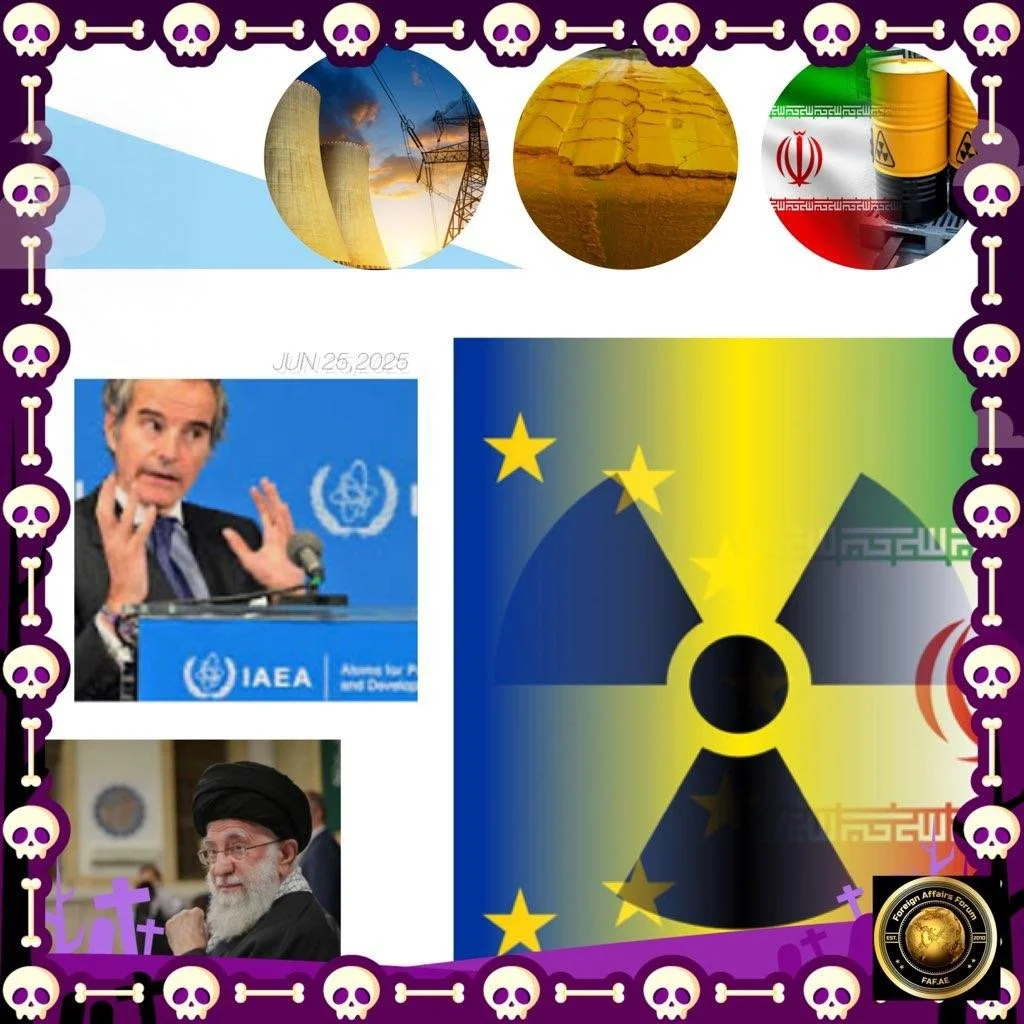
Iran’s suspension of IAEA cooperation since July 2025 has eliminated international oversight of its nuclear activities, creating dangerous uncertainty about the program’s current status.
South Asia: India-Pakistan Nuclear Dynamics
The India-Pakistan nuclear relationship remains perhaps the world’s most dangerous, characterized by short flight times, tactical nuclear weapons, and hair-trigger alert postures.
Both countries maintain nuclear weapons for battlefield use, significantly lowering the threshold for nuclear escalation during conventional conflicts.
Recent tensions over Kashmir have highlighted how quickly conventional skirmishes could escalate to nuclear exchanges. Both countries have developed what experts term “use them or lose them” doctrines that prioritize rapid nuclear employment over escalation control.
The Collapse of Arms Control Architecture
The deterioration of nuclear arms control represents a fundamental shift from the gradual disarmament progress achieved since the 1960s.
The New START treaty—the last remaining bilateral arms control agreement between the United States and Russia—expires on February 5, 2026, with no replacement in sight.
Russia’s suspension of New START participation in February 2023, combined with the halt of mutual inspections and data exchanges, has already eliminated much of the treaty’s verification regime.
As one expert noted, “Without a binding agreement, neither state is likely to exchange classified nuclear weapons-related information through notifications or data declarations, nor would they agree to host military inspectors at each other’s bases”.
The broader arms control architecture has similarly collapsed.
The Intermediate-Range Nuclear Forces Treaty expired in 2019, and Russia announced in August 2025 that it would abandon its self-imposed restrictions on deploying intermediate-range nuclear missiles.
This leaves virtually no formal constraints on the world’s two largest nuclear arsenals.
Dangerous Doctrinal Evolution
Perhaps most concerning is the global trend toward more aggressive nuclear doctrines that lower thresholds for use and compress decision-making timeframes.
Launch-on-Warning Proliferation
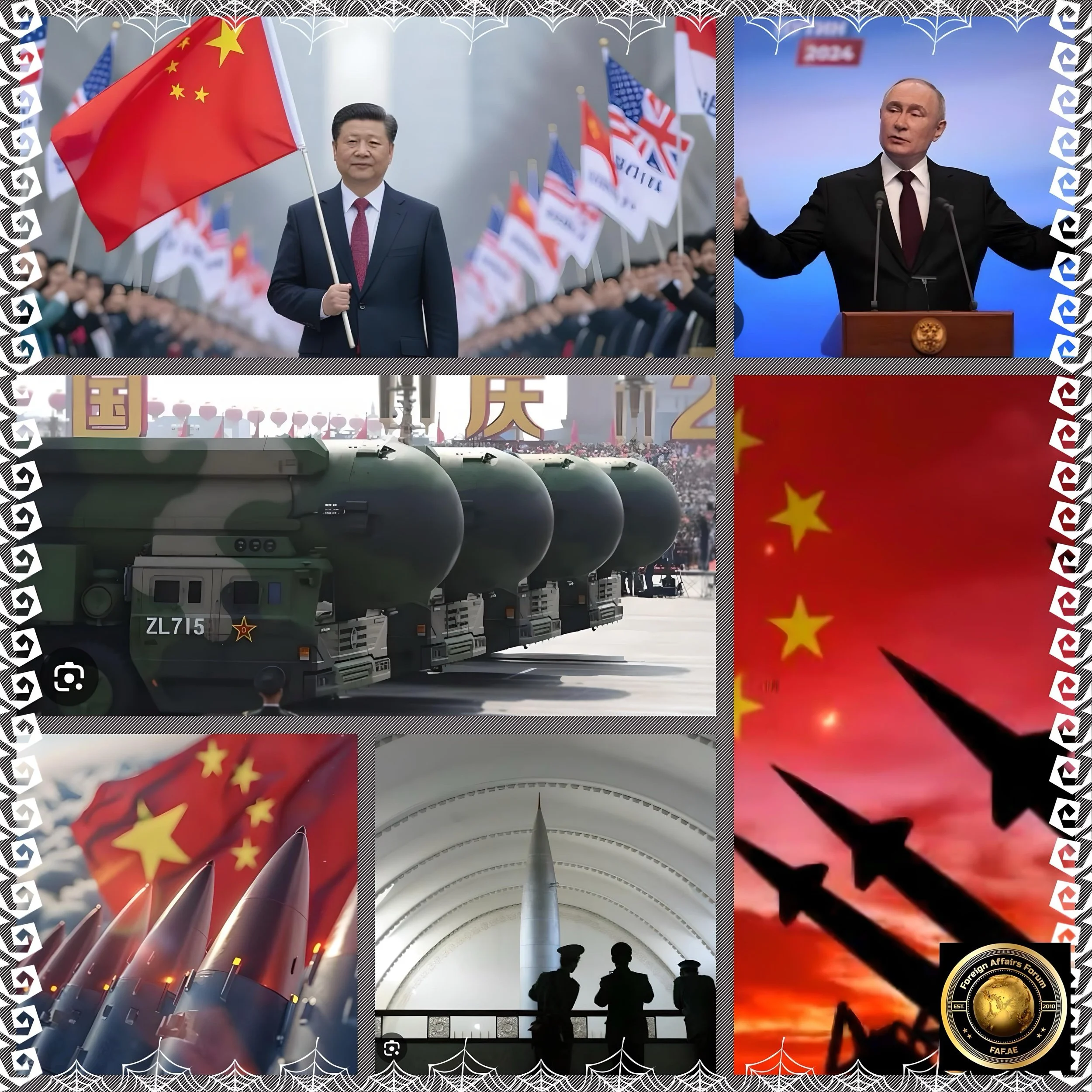
China’s apparent adoption of launch-on-warning capabilities represents a fundamental shift from its historically restrained nuclear posture.
Intelligence assessments indicate Beijing is developing “early warning counterstrike capabilities”—the Chinese term for launch-on-warning—that would enable nuclear retaliation upon detecting incoming missiles but before they impact Chinese targets.
This shift is particularly dangerous given China’s rapid nuclear expansion.
The Pentagon estimates China’s arsenal has grown from approximately 200 warheads in 2020 to over 600 in 2025, with projections reaching 1,500 by 2035.
The construction of at least 350 new ICBM silos since 2021 provides the infrastructure necessary for maintaining weapons on high alert.
Tactical Nuclear Proliferation
The proliferation of tactical nuclear weapons—lower-yield weapons designed for battlefield use—has significantly lowered nuclear thresholds.
Russia deploys an estimated 1,000-2,000 tactical nuclear weapons, while the United States maintains approximately 150 such weapons in Europe.
North Korea has explicitly stated its intention to develop tactical nuclear weapons for frontline deployment, while China is believed to be developing similar capabilities.
These weapons are particularly dangerous because they blur the distinction between conventional and nuclear warfare.
Their lower yields and battlefield applications make nuclear use seem more “acceptable” to military planners, increasing the likelihood that conventional conflicts could escalate to nuclear exchanges.
Recent Escalatory Episodes
The past year has witnessed several dangerous episodes that demonstrate how quickly nuclear crises can develop in today’s environment.
Trump’s Submarine Deployment
President Trump’s August 2025 decision to publicly announce the repositioning of nuclear submarines following social media threats by former Russian President Dmitry Medvedev marked an unprecedented departure from traditional strategic ambiguity.
While U.S. submarines regularly patrol global waters, the public disclosure of their movements for coercive purposes breaks decades of operational secrecy.
This episode highlights how social media and rapid communication cycles can compress crisis decision-making timeframes.
Trump’s response to Medvedev’s online provocations within hours demonstrates how nuclear signaling has moved from carefully orchestrated diplomatic channels to real-time social media exchanges.
The Iran Nuclear Strikes Crisis
The June 2025 Israeli-U.S. military campaign against Iran’s nuclear facilities represents the most significant attack on a state’s nuclear program since Iraq’s Osirak reactor in 1981. However, unlike the surgical precision of that earlier strike, the 2025 campaign involved massive bunker-buster bombs and cruise missile attacks across multiple sites.
The strikes’ aftermath has proven more dangerous than the attacks themselves. Iran’s retaliatory missile strike against the U.S. Al-Udeid Air Base in Qatar marked the first direct Iranian military attack on U.S. forces, crossing a threshold that both countries had carefully avoided for decades. Iran’s subsequent suspension of IAEA cooperation has eliminated international oversight of its nuclear program at precisely the moment when such monitoring is most crucial.
The Path Forward: Crisis Management Mechanisms
The current trajectory toward nuclear crisis demands immediate implementation of crisis management mechanisms designed for today’s multipolar environment.
Enhanced Communication Channels
The establishment of direct, secure communication links between all nuclear-armed states represents the most urgent priority.
The 1963 Moscow-Washington hotline proved invaluable during Cold War crises, but today’s multipolar environment requires a more complex communication architecture.
Such channels should include not only government-to-government links but also military-to-military communications designed to prevent operational misunderstandings.
The U.S.-Soviet Incidents at Sea Agreement provides a model for avoiding military confrontations that could escalate to nuclear threats.
IAEA Empowerment
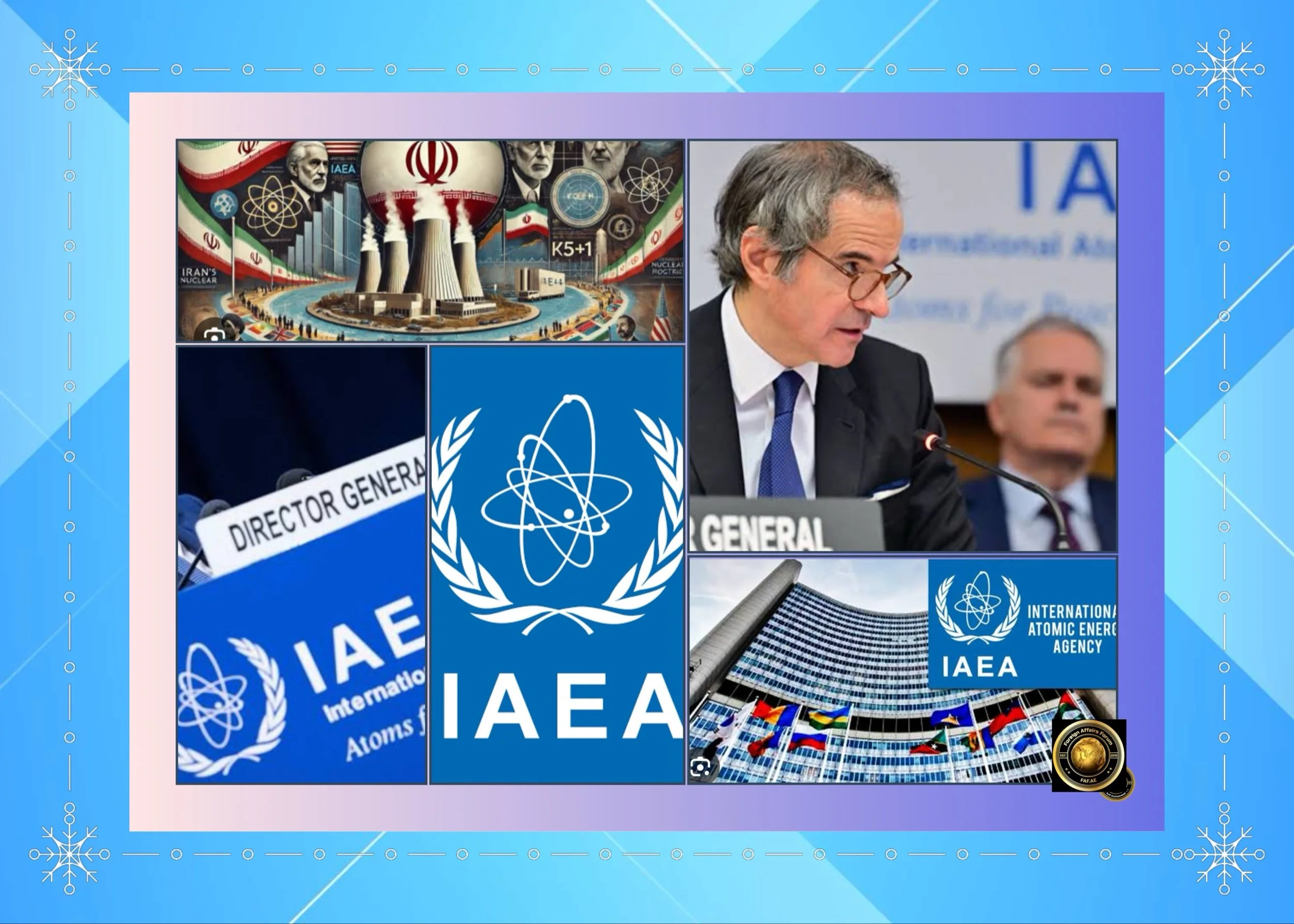
The International Atomic Energy Agency requires substantial expansion of its mandate and capabilities to address 21st-century nuclear risks.
Currently focused primarily on safeguards verification, the IAEA needs authority and resources for conflict-zone monitoring, rapid-response inspection capabilities, and nuclear forensics.
The Agency’s Nuclear Security Plans provide frameworks for enhanced cooperation, but these voluntary mechanisms need to be strengthened with dedicated funding and expanded legal authorities.
IAEA emergency response capabilities, while designed primarily for accidents, could be adapted for monitoring nuclear facilities during military conflicts.
Regional Risk Reduction Agreements
The global nature of nuclear risks should not preclude regional risk reduction measures tailored to specific contexts. India and Pakistan, for example, could benefit from confidence-building measures similar to those that reduced tensions between NATO and Warsaw Pact countries during the Cold War.
Such measures might include advance notification of missile tests, agreements to avoid targeting nuclear facilities during conventional conflicts, and protocols for managing crises before they escalate to nuclear threats.
The IAEA could serve as a neutral facilitator for such regional agreements.
Multilateral P5 Consultations
Revival of regular consultations among the five permanent UN Security Council members—all of whom possess nuclear weapons—could provide a forum for addressing nuclear risks collectively.
These discussions, which have been sporadic in recent years, could focus on transparency measures, arms control proposals, and crisis management procedures.
The Hibakusha Warning
As the world marked Hiroshima’s 80th anniversary, the dwindling community of atomic bomb survivors—the hibakusha—delivered an urgent warning.
Nihon Hidankyo, the organization representing these survivors and winner of the 2024 Nobel Peace Prize, stated: “We have little time left as we encounter a more significant nuclear peril than ever before”.
The hibakusha’s message carries particular weight given their unique understanding of nuclear weapons’ humanitarian consequences.
As their numbers fall below 100,000 for the first time, their testimonies become increasingly precious resources for understanding why nuclear weapons must never again be used in warfare.
Hiroshima Mayor Kazumi Matsui captured the current moment’s danger in his anniversary speech: “Among world political leaders, there is a belief that nuclear weapons are unavoidable in order to protect their own countries… This situation not only nullifies the lessons the world has learned from the tragic experiences of the hibakusha but also undermines the efforts that many have built for peace-building”.
Conclusion
A World at the Nuclear Crossroads
Eighty years after Hiroshima, the world stands at a nuclear crossroads more perilous than the Cold War’s most dangerous moments.
Unlike the bipolar nuclear competition of that era, today’s multipolar nuclear environment features more actors, shorter decision-making timeframes, and fewer institutional constraints.
The combination of collapsing arms control agreements, dangerous doctrinal shifts toward preemptive and launch-on-warning postures, and multiple simultaneous nuclear crises creates unprecedented risks of accidental, inadvertent, or deliberate nuclear use.
The recent episodes—from submarine deployments to nuclear facility strikes—demonstrate how quickly such crises can escalate in the digital age.
The path away from nuclear catastrophe requires immediate action to establish new communication channels among nuclear-armed states, strengthen international institutions like the IAEA, and implement regional confidence-building measures.
Most critically, it demands political leadership willing to prioritize humanity’s collective survival over narrow national interests.
As the hibakusha have warned, time is running short. Their message, born from the ashes of Hiroshima and Nagasaki, remains as urgent today as it was eighty years ago: nuclear weapons represent an existential threat to human civilization that demands our most serious attention and immediate action.
The alternative—repeating the horror of August 1945 on a potentially much larger scale—is too terrible to contemplate yet increasingly possible without decisive intervention.