War.Live- Iran’s 400kg Uranium Stockpile: Nuclear Strikes, Weapons Potential, and International Monitoring
Introduction
Current Status of Iran’s Uranium Stockpile
According to the latest International Atomic Energy Agency (IAEA) report from May 2025, Iran possessed approximately 408.6 kg of uranium enriched to 60 percent U-235 as of May 17, 2025.
This represents a significant increase of 133.8 kg since the previous quarterly report.
The uranium stockpile is enriched to 60 percent purity, which falls just short of the 90 percent threshold typically considered weapons-grade.
Iran’s total enriched uranium stockpile reached 9,247.6 kg as of May 2025, representing an increase of 953.2 kg since the previous quarterly report.
The IAEA has expressed grave concern about “the significantly increased production and accumulation of highly enriched uranium by Iran, the only non-nuclear-weapon State to produce such nuclear material”.
US Nuclear Site Attacks and Uranium Location Mystery
On June 22, 2025, the United States launched strikes on three Iranian nuclear facilities: Fordow, Natanz, and Isfahan.
President Trump claimed these nuclear sites were “completely obliterated”. However, intelligence reports suggest Iran may have successfully relocated the critical 400 kg uranium stockpile before the attacks.
According to Israeli officials speaking to the New York Times, Iran had moved 400 kg of uranium enriched to 60 percent purity from the Fordow plant before the US strikes.
Senior US officials, including Vice President JD Vance, have acknowledged they do not currently know the location of Iran’s uranium stockpile.
Vance stated that the US would work towards ensuring “something is done with the uranium” and that conversations with Iranians about this matter would be necessary.
The strikes used B-2 Spirit stealth bombers equipped with GBU-57 Massive Ordnance Penetrator bombs, with two MOPs used per target.
The Fordow facility, buried 80-110 meters underground near Qom, was considered nearly impenetrable to conventional Israeli weapons.
Nuclear Weapons Potential of 400kg Enriched Uranium
The weapons potential of Iran’s 400 kg uranium stockpile is substantial and alarming.
According to nuclear experts, uranium enriched to 60 percent represents approximately 90 percent of the time and effort required to reach weapons-grade 90 percent U-235.
The 400 kg stockpile would yield enough weapons-grade uranium to produce nine nuclear weapons.
While 60 percent enriched uranium cannot directly create a nuclear weapon, the enrichment step from 60 percent to weapons-grade uranium is very short.
The International Atomic Energy Agency identifies 25 kg of 90 percent enriched uranium as sufficient for a simple nuclear weapon.
However, larger amounts of lower-enriched uranium can also work - the Little Boy bomb dropped on Hiroshima used about 64 kg of uranium enriched to an average of 80 percent U-235.
According to nuclear material accounting standards, just 42 kg of uranium enriched to 60 percent is theoretically enough to produce a nuclear weapon.
Iran’s stockpile of over 400 kg is therefore far beyond the threshold needed for multiple weapons.
Historical Lessons from Nuclear Disasters
Chernobyl Nuclear Disaster (1986)
The Chernobyl nuclear disaster provides critical lessons about radiation contamination and long-term health effects.
The explosion at Chernobyl released a cloud of radionuclides that contaminated large areas of Europe, particularly Belarus, Ukraine, and Russia.
The disaster resulted in 50 emergency rescue workers dying from acute radiation syndrome, 4,000 children and adolescents contracting thyroid cancer, and contamination of hundreds of thousands of hectares of cropland, forests, rivers, and urban centers.
Long-term health effects included increased rates of cancer, thyroid disorders, psychological distress, and possible genetic anomalies.
The disaster demonstrated that radiation exposure as low as 20 mSv can lead to radiation-induced cataracts and potential cardiovascular disease.
Mental health impacts were also significant, with common problems including cerebrovascular diseases, organic mental and mood disorders, and cognitive impairments that increased with radiation dose exposure.
The Chernobyl exclusion zone has become an unintentional ecological research site, demonstrating nature’s resilience despite ongoing contamination.
Ukraine continues to allocate 5-7% of its annual government budget to address the long-term consequences of the disaster.
Nuclear Weapons Effects: Hiroshima and Nagasaki
The atomic bombings of Japan provide sobering examples of nuclear weapons’ destructive potential.
The uranium bomb detonated over Hiroshima killed an estimated 140,000 people by the end of 1945, with a further 74,000 deaths in Nagasaki.
The Hiroshima bomb had an explosive yield of 15 kilotons and caused radiation injuries with a lethal radius of approximately 1.3 kilometers.
Radiation exposure occurred in two forms: prompt radiation from the initial explosion and delayed radiation from fallout.
An estimated 60 percent of deaths were from burns, 30 percent from the blast, and 10 percent from radiation at Hiroshima.
Over 6,000 people survived the blast and fire but died of radiation injuries, while 30% of injured survivors had radiation injuries with lifelong increased cancer risk.
Current IAEA and International Reports
IAEA Emergency Meeting and Radiation Assessment
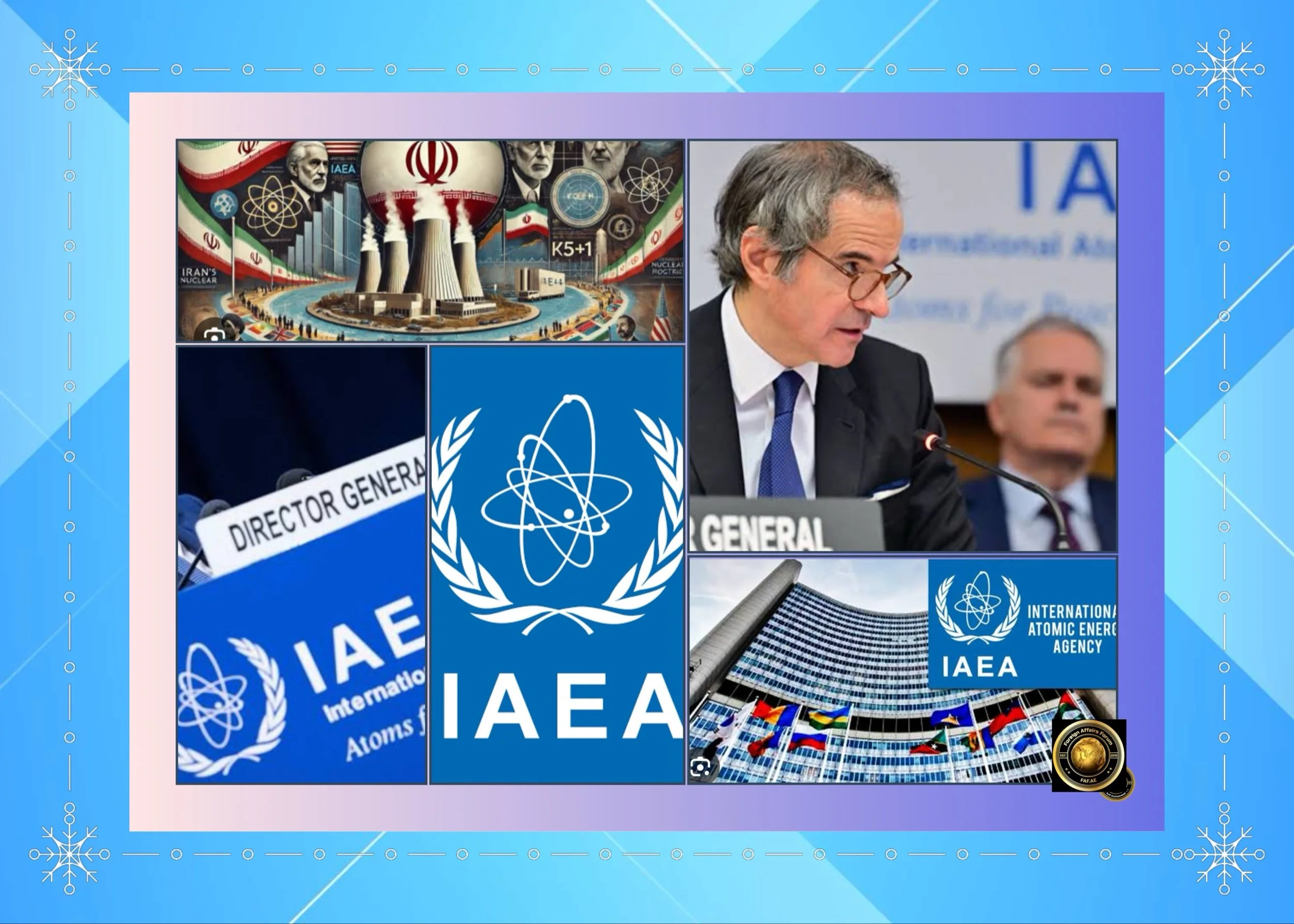
IAEA Director General Rafael Mariano Grossi called an emergency Board of Governors meeting on June 23, 2025, following the attacks on Iranian nuclear facilities.
The IAEA has been informed by Iranian regulatory authorities that there has been no increase in off-site radiation levels after the recent attacks on the three nuclear facilities.
However, the IAEA confirmed that the targeted sites contained nuclear material in the form of uranium enriched to different levels, which may cause radioactive and chemical contamination within the facilities that were hit.
Director General Grossi emphasized that “nuclear facilities should never be attacked” and called for military restraint and diplomatic solutions.
Iran’s Nuclear Program Violations
The IAEA has found Iran in breach of its nuclear obligations under the Nuclear Non-Proliferation Treaty.
Iran failed to explain the presence of artificial uranium particles at three undeclared sites - Varamin, Marivan, and Turquzabad.
Iran also sought to sanitize these locations before IAEA verification, raising further suspicions about its intentions.
Iran stopped implementing its nuclear-related commitments under the Joint Comprehensive Plan of Action (JCPOA) on February 23, 2021, and removed all IAEA surveillance and monitoring equipment.
This has seriously affected the Agency’s ability to verify Iran’s nuclear activities and provide assurance that Iran’s nuclear program is exclusively peaceful.
Production Rates and Future Concerns
Iran has significantly increased its production rate of 60 percent enriched uranium to over 34 kg per month at the Fordow facility.
Since December 2024, Iran has been feeding its centrifuges with 20 percent enriched uranium rather than 5 percent, dramatically increasing production efficiency.
Due to Iran's non-compliance, the IAEA has lost continuity of knowledge regarding Iran’s production and current inventory of centrifuges, rotors, heavy water, and uranium ore concentrate.
This creates uncertainty about potential secret stockpiles or undeclared facilities that could be used for weapons development.
Strategic Implications and Uncertainties
The current situation presents several critical uncertainties.
US Secretary of State Marco Rubio has expressed doubt that Iran successfully relocated its uranium stockpile, stating that “they can’t move anything right now inside of Iran” due to Israeli surveillance capabilities.
However, the fact that senior US officials admit they don’t know the uranium’s location suggests Iran may have successfully concealed or moved the material.
The missing 400 kg of enriched uranium represents a significant proliferation risk.
If Iran has successfully hidden this material, it could potentially be used for a rapid breakout to weapons-grade material at an undeclared facility.
The uranium is reportedly stored in sealed metal containers that “could be easily transported anywhere, in pick-up trucks”.
The international community now faces the challenge of locating and securing Iran’s uranium stockpile while preventing further escalation of the conflict.
The IAEA’s ability to resume vital inspection work depends on a cessation of hostilities and Iran’s cooperation with international monitoring efforts.