Washington.Media - Iran’s Military Retaliation Options and Nuclear Program Recovery After US Strikes
Introduction
Iran’s Military Retaliation Capabilities
Missile and Drone Attacks
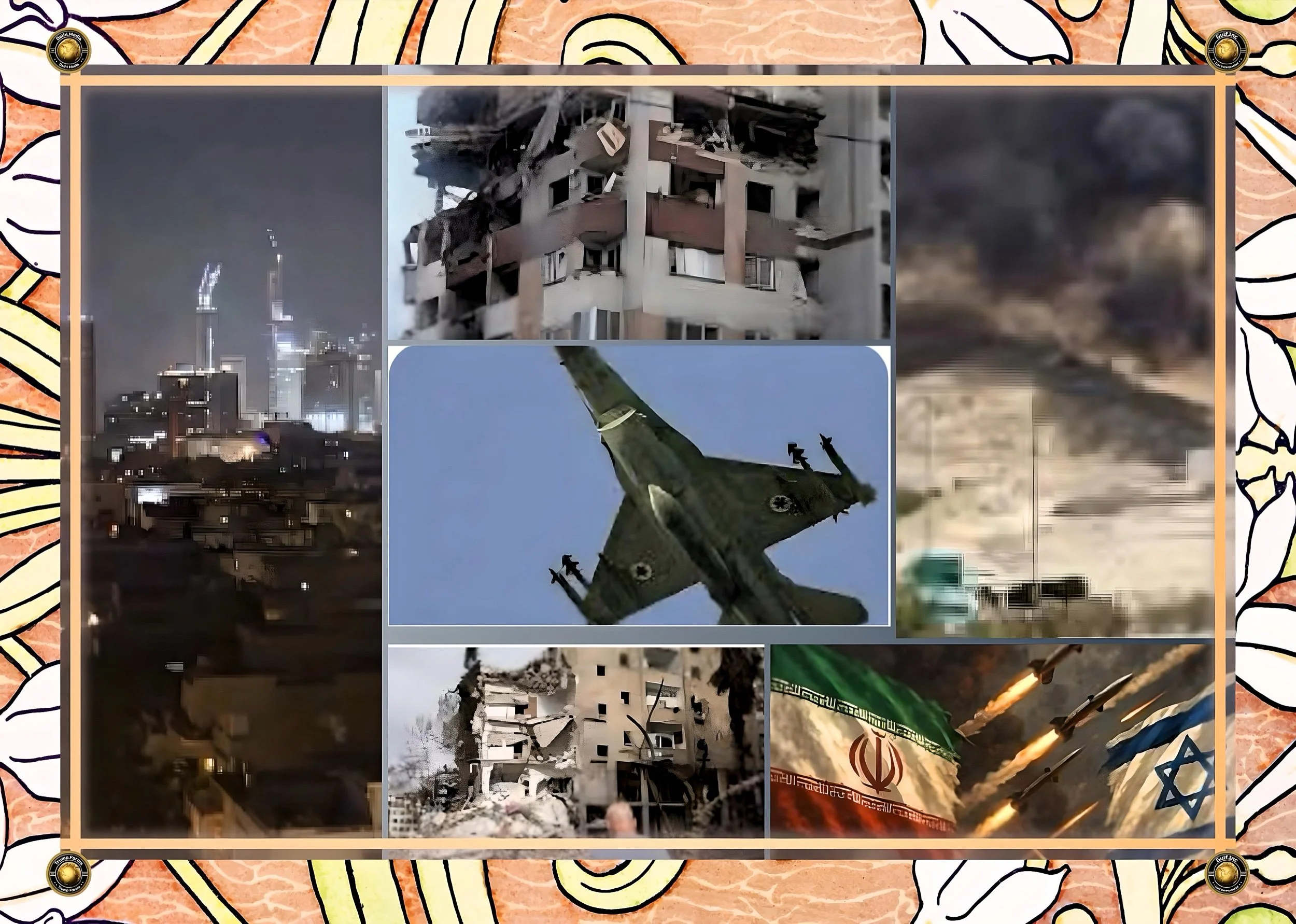
War is not over yet. It has begun on both sides, Israel and Iran. The US is not mentioned as they will follow Israel's lead.
Iran possesses significant retaliatory capabilities following the US strikes on its nuclear facilities.
The Islamic Republic has developed one of the largest ballistic missile inventories in the Middle East, with missiles capable of striking targets up to 2,000 kilometers away, covering all of the Middle East and parts of Europe.
Iran’s missile arsenal includes the Shahab family of ballistic missiles, Ghadr, Emad, and Khorramshahr medium-range ballistic missiles, as well as the advanced Fattah hypersonic missile designed to evade air defense systems.
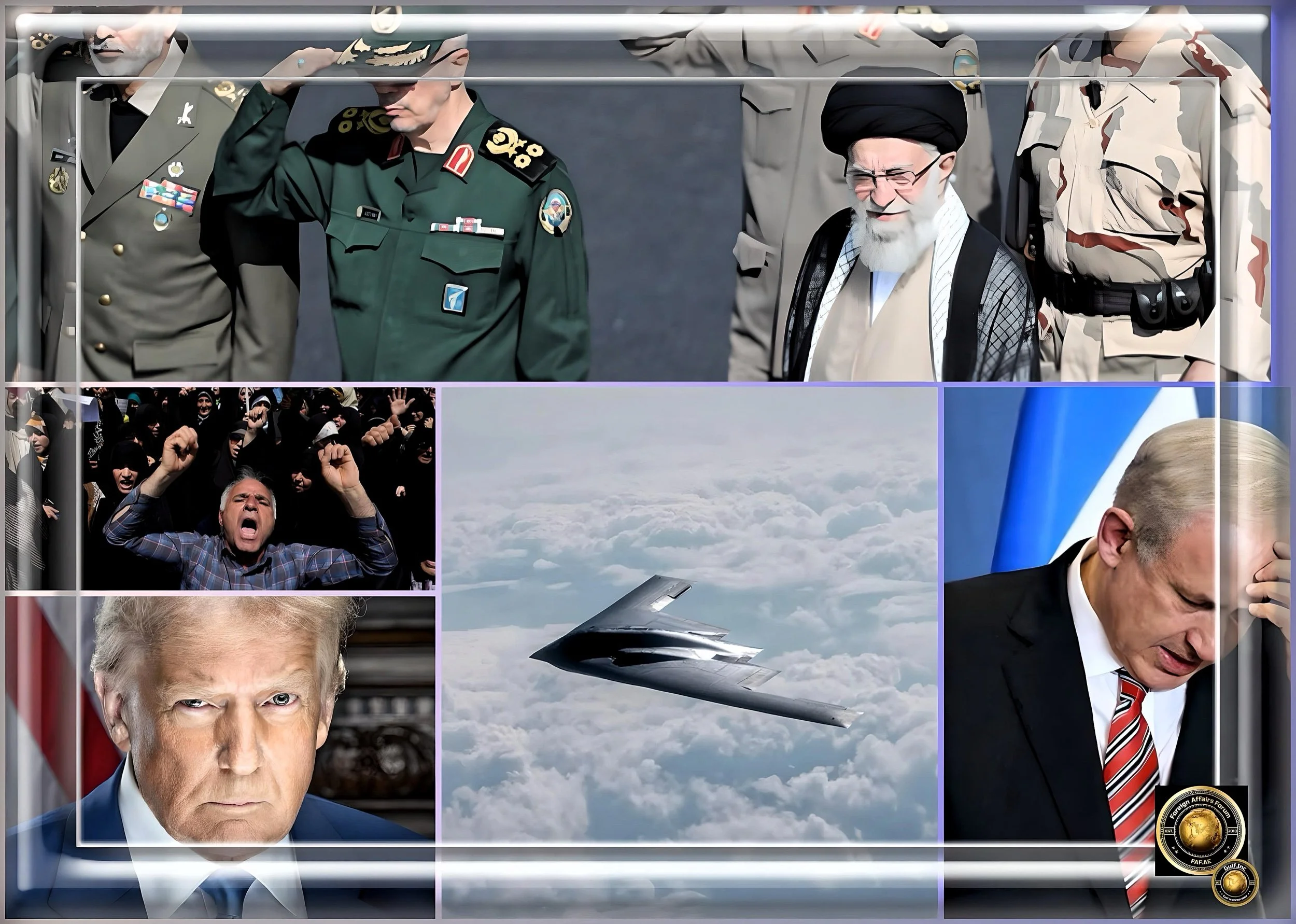
The Iranian Revolutionary Guard Corps (IRGC) has warned that the US and its allies “possess neither initiative nor the ability to escape retaliation,” declaring that Iran’s Armed Forces have identified the origin of aircraft involved in the strikes and placed them under surveillance.
Iran has threatened to target US military assets stationed across at least 19 locations in the Middle East, including critical bases in Bahrain, Iraq, Qatar, Kuwait, Saudi Arabia, and the UAE.
Asymmetric Warfare Tactics
Military analysts suggest Iran is likely to resort to “asymmetric” measures such as terrorism or cyberattacks to retaliate against the US, as previous Israeli strikes have diminished Iran’s conventional military capabilities.
Iran has spent decades building multi-tiered military capabilities specifically designed to deter US attacks, and by entering Israel’s war, the US may have removed the last rationale for holding these capabilities in reserve.
The country’s asymmetric warfare strategy includes tactical flexibility, indirection, ambiguity, and patience, allowing Iran to pursue its interests while avoiding escalation that could lead to broader conflict.
Iran compensates for its lower defense budget by relying on asymmetric tactics and deploying missile forces capable of striking across the Middle East.
Cyber Operations
Iran has demonstrated sophisticated cyber warfare capabilities that have developed over more than a decade. The country’s cyber activities tend to escalate in response to provocations and heightened tensions.
Iranian hacker collectives have demonstrated methodical planning involving strategic target selection, custom malware development, and protracted infiltration periods before deploying cyberweapons.
Recent activities by IRGC-affiliated cyber actors known as “CyberAv3ngers” have targeted operational technology devices, specifically exploiting Israeli-made programmable logic controllers.
Iran’s cyber capabilities represent a significant asymmetric threat that could be deployed against US infrastructure and interests globally.
Regional Proxy Networks
Iran’s “Axis of Resistance” network, while weakened by recent conflicts, still maintains formidable capabilities for retaliation.
The country could activate regional allies, including the Houthis in Yemen, who have threatened to resume attacks in the Red Sea if the US entered the war, and allied militias in Iraq that possess drone and missile capabilities.
Iran’s proxy strategy creates multiple pressure points against adversaries while maintaining plausible deniability, effectively expanding Iranian military reach without proportional risk.
This network represents a “forward defense” form that extends Iranian influence far beyond its borders and complicates adversaries’ strategic calculations.
Strait of Hormuz Threat
The Iranian Parliament has approved a measure to close the Strait of Hormuz following the US strikes, though the final decision rests with Iran’s Supreme National Security Council.
The strait is a critical chokepoint for global oil supplies, with approximately 25% of global oil shipments transiting through Iranian waters.
Secretary of State Marco Rubio has warned that closing the strait would be “suicidal” for Iran and has urged China to persuade Iran against this action.
Strengthening Nuclear Facilities After the Attack
Damage Assessment and Recovery Plans
The US strikes targeted three key Iranian nuclear sites: Fordow, Natanz, and Isfahan. While President Trump claimed Iran’s atomic installations were “obliterated,”
Iranian officials have minimized the damage, with some suggesting only superficial harm occurred.
Satellite imagery reveals six substantial craters at Fordow and significant debris, though the extent of underground damage remains unclear.
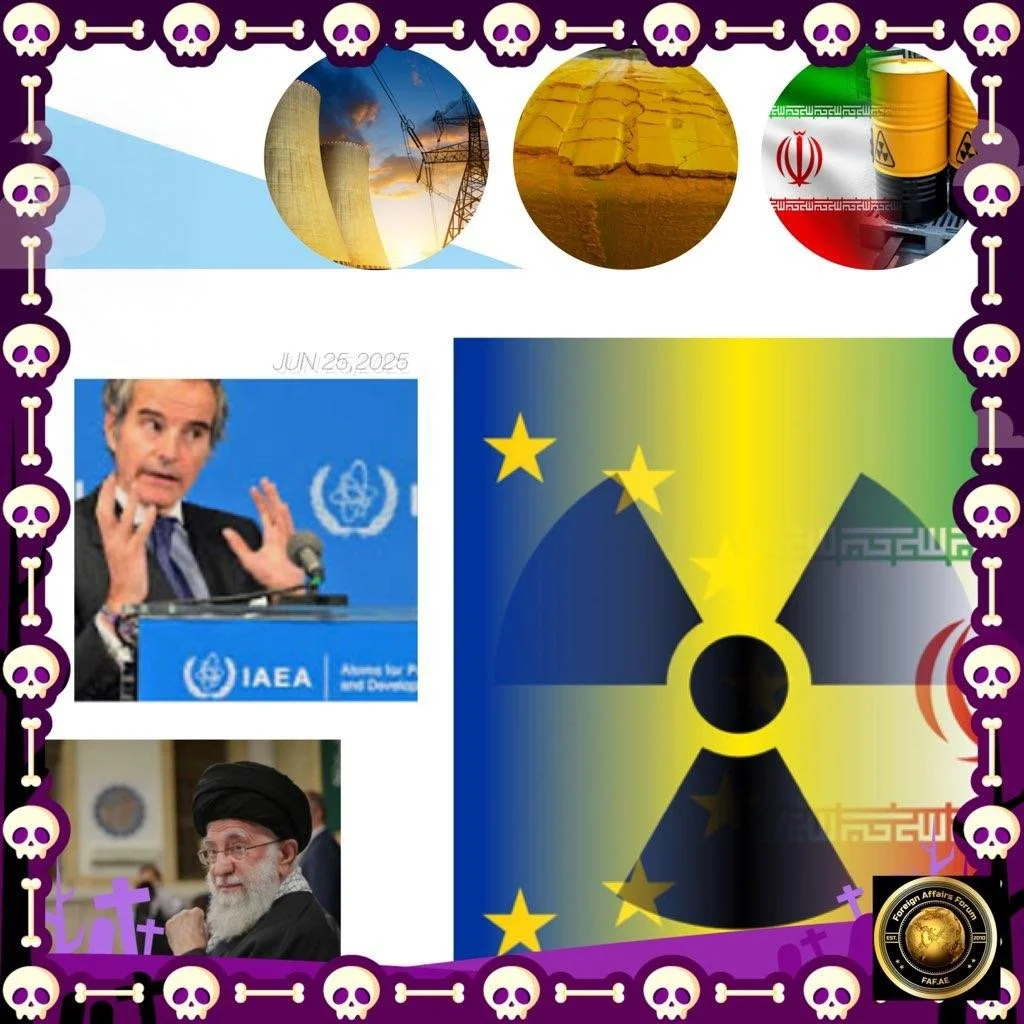
The International Atomic Energy Agency (IAEA) has confirmed that no off-site radiation levels have increased following the attacks, suggesting Iran may have relocated enriched uranium stockpiles before the strikes.
Initial reports indicate that Iran had taken preparatory measures to safeguard its nuclear materials, with trucks observed at key facilities moving materials away in the days before the strikes.
Facility Hardening and Security Enhancements
Iran has spent years fortifying its nuclear facilities, particularly Fordow, which was considered immune to conventional airstrikes due to its location 260-300 feet underground in a mountain.
The facility was protected by both Iranian and Russian surface-to-air missile systems and was capable of rapidly converting uranium stockpiles into weapons-grade material.
Following the attacks, Iran will likely accelerate the construction of its replacement centrifuge assembly facility, which will be built under a mountain south of Natanz.
This new tunnel complex is designed to be more deeply buried than even Fordow and features better-protected tunnel entrances.
The facility is expected to produce several thousand advanced centrifuges per year.
Dispersal and Concealment Strategies
Iran has demonstrated its ability to disperse and conceal nuclear activities across multiple sites.
The country maintains undisclosed locations where enriched uranium stocks have likely been moved to avoid potential strikes.
Western intelligence sources suggest Iran has secret facilities that could be used for continued centrifuge production, enrichment, and weapons-relevant activities.
Construction continues on the Kolang Gaz La facility near Natanz, which is being built inside a mountainside reportedly deeper than Fordow.
This facility could serve as an additional hardened location for nuclear activities beyond the reach of conventional military strikes.
Preservation of Nuclear Knowledge and Expertise
Despite physical damage to facilities, Iran retains extensive expertise that will allow it to reconstitute damaged or destroyed aspects of its nuclear program eventually.
The Iranian nuclear program draws on decades of indigenous expertise and knowledge that cannot be eliminated through infrastructure destruction alone.
Iran has successfully established small-scale centrifuge manufacturing and assembly facilities at Natanz to compensate for previous attacks on its production capabilities.
The country has demonstrated its ability to rapidly increase the number of advanced centrifuges, with over half of the newly installed centrifuges deployed in recent years.
Accelerated Nuclear Development
Iran may pursue a “dash to develop a nuclear weapon” with what remains of its nuclear program after the strikes.
The country has been enriching uranium to 60% purity, approaching the 90% threshold required for weapons-grade material.
With enhanced uranium stockpiles and preserved technical knowledge, Iran could potentially accelerate its nuclear weapons development timeline.
The attacks may paradoxically strengthen Iran’s resolve to develop nuclear weapons as a deterrent against future strikes.
Iranian officials have declared that such attacks will not halt the country’s scientific progress but will strengthen its scientists' resolve.
International Implications
The IAEA Director General has called for an emergency Board of Governors meeting to address the “urgent situation” following the attacks on Iranian nuclear facilities.
The agency continues to monitor the situation and has stressed the importance of resuming inspection work to verify Iran’s highly enriched uranium stockpile. In contrast, Iran had distanced itself from the IAEA.
Iran’s potential response to strengthen its nuclear capabilities could trigger a broader regional nuclear competition and complicate international non-proliferation efforts.
The country’s actions in the coming months will likely determine whether the strikes achieve their intended deterrent effect or accelerate Iran’s nuclear weapons development.