China’s Strategic Bomber Imperative: Genuine Security Need or Simply an Air-Power Arms Race?
Executive Summary
In recent years, China has made substantial advancements in its strategic bomber capabilities, prompting intense scrutiny regarding the motivations behind this military expansion. Is this initiative a genuine response to perceived security threats, or is it primarily a drive for dominance in air power amid a larger global arms race?
Proponents of China's strategic bomber programs contend they are vital for protecting national sovereignty and bolstering military deterrence against potential adversaries.
Introducing sophisticated bombers allows China to extend its power projection well beyond its territorial confines, acquiring the capability for long-range strikes and conducting vital reconnaissance missions crucial for maintaining regional stability.
On the other hand, critics express alarm that this expansion of aerial capabilities could further escalate tensions in an already precarious geopolitical environment.
Neighboring nations are responding to China’s military modernization efforts by ramping up their defensive measures, which increases the potential for misunderstandings and conflicts.
Ultimately, the critical question persists: Is China's pursuit of strategic bomber capabilities an essential component of its national defense strategy, or is it merely a reaction to and a product of an intensifying arms race where nations are fiercely contesting for air superiority?
A careful analysis of this delicate balance is imperative for understanding the broader implications of such military developments on international peace and security.
Introduction
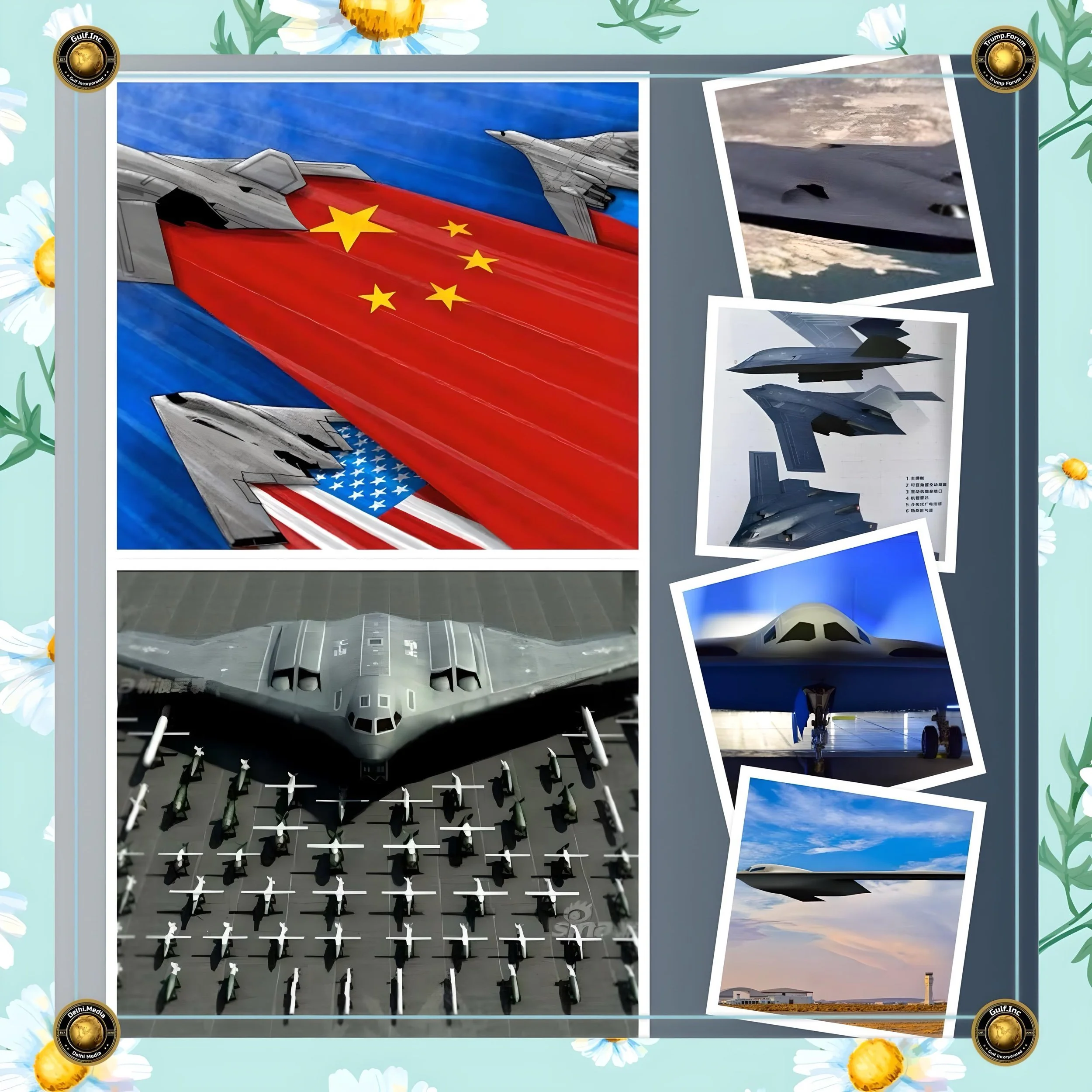
China's ambition to develop a next-generation stealth bomber—commonly called the H-20—arises from both specific strategic needs revealed by recent developments and the growing U.S.–China competition for dominance in global air power.
The landmark June 2025 U.S. military operation, in which B-2 Spirit bombers struck Iranian nuclear facilities, crystallized the dual nature of this impetus: It highlighted the indispensable role of advanced long-range strike platforms for achieving both atomic deterrence and conducting military operations while simultaneously igniting a high-stakes race to develop even more advanced and survivable bomber aircraft.
The “Iranian Attack Awakening
The momentous event of seven U.S. B-2 bombers completing a remarkable 27,000-kilometer, 37-hour sortie to successfully deploy Massive Ordnance Penetrators on deeply buried Iranian targets without facing any interceptions did not go unnoticed by Chinese military analysts.
This operation illustrated several critical strategic capabilities.
Unmatched Global Reach
The B-2's ability to strike deep within Iranian territory from bases located in the U.S. underscores its global operational reach, highlighting how the platform can deliver precise strikes without the need to traverse allied territories.
Stealth Penetration
The aircraft’s flying-wing design is optimized to evade sophisticated air defense systems, showcasing the effectiveness of stealth technology in modern warfare.
Nuclear and Conventional Flexibility
This same aircraft is capable of deploying both bunker-busting conventional ordnance as well as strategic nuclear weapons, demonstrating its versatility in various conflict scenarios.
State-affiliated Chinese media and analysts connected to the People’s Liberation Army (PLA) quickly asserted that only the development of a stealthy strategic bomber could allow China to replicate such sophisticated missions.
They emphasized that while missiles and fighter jets are valuable, they do not provide the deep penetration strike assurance that a stealth bomber would.
Core Motivations for the H-20
Strategic Nuclear Deterrence
The objective of finalizing China’s nuclear triad—encompassing land-based, submarine-launched, and aerial atomic capabilities—is to ensure a credible second-strike capability.
A stealth bomber would enable strikes on U.S. homeland defenses, mitigating China’s vulnerabilities associated with a "use-it-or-lose-it" posture.
Power Projection Beyond Regional Bounds
The H-20 is projected to have an operational range of approximately 8,500 to 10,000 kilometers when unrefueled, putting U.S. military installations in places like Guam and Alaska, and even parts of the continental U.S., at risk from within China’s territory—an operational capacity that the older H-6 fleet fails to provide.
Countering U.S. Bomber Advantage
China perceives a growing disparity in stealth bomber capabilities as the United States continues enhancing its fleet with the B-2 and the emerging B-21 Raider.
The H-20 is intended to close this gap and convey a message of strategic parity or superiority.
Regional Deterrence and Island Chains
Breaking through the First and Second Island Chains has long been a strategic military goal for China.
A stealth bomber would significantly extend China’s operational reach past contested coastal zones and into the broader expanse of the Western Pacific.
Race for Air-Defense Supremacy
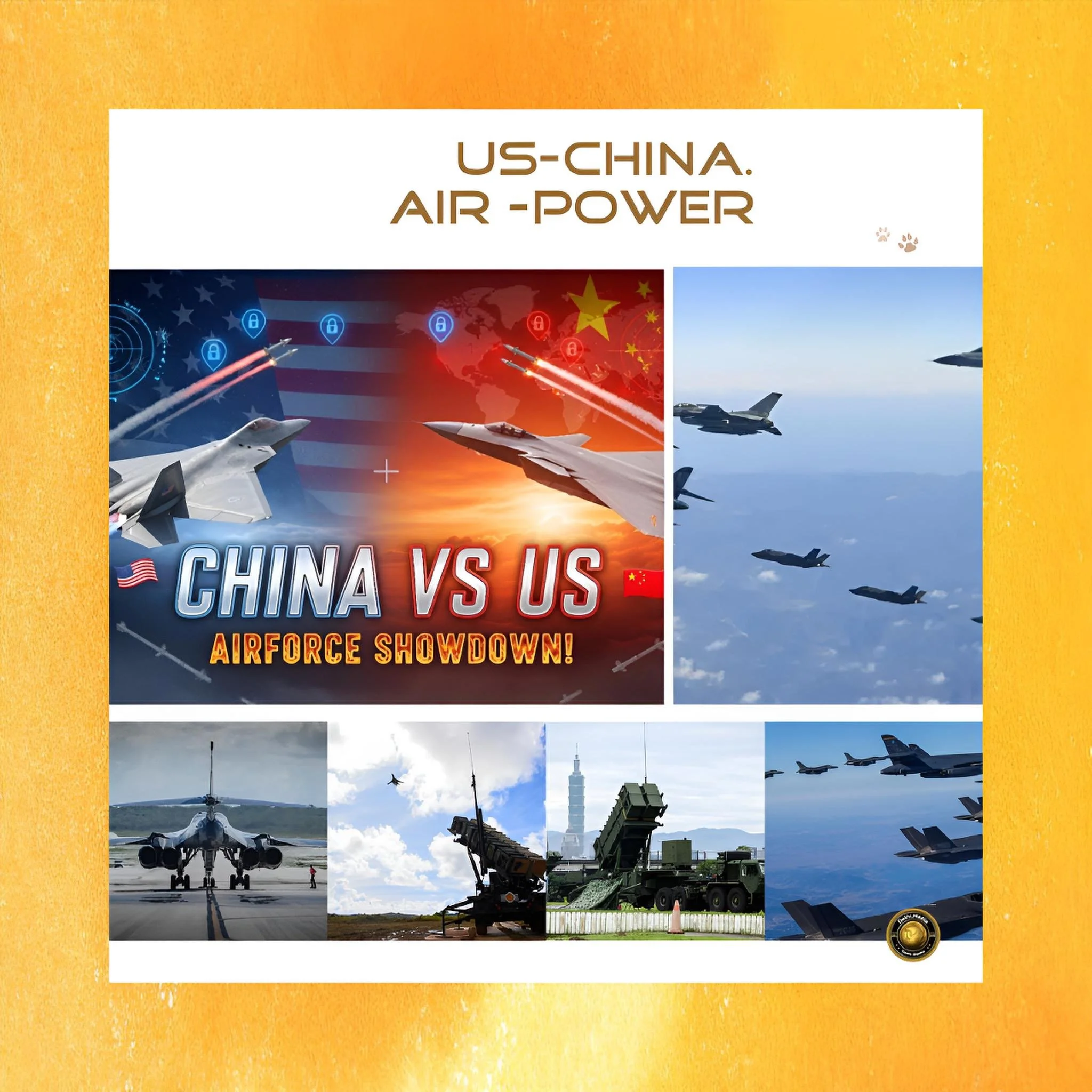
While actual military operations, such as the strike on Iran, highlight the practical utility of stealth bombers, China’s ongoing bomber development is also indicative of an unspoken air-power arms race with the U.S. In this context, both nations are:
Actively fielding and modernizing their fleets of fifth-generation fighters, with China's J-20 competing against the U.S. Air Force’s F-22 and F-35.
Investing heavily in sixth-generation air dominance initiatives, exemplified by China's J-XX prototypes in opposition to the U.S. Next Generation Air Dominance (NGAD) program.
Expanding their research and development efforts in uncrewed and collaborative combat aircraft to serve as force multipliers on the battlefield.
The H-20, in this competitive landscape, serves as a central capability for China’s strategy to project advanced air power and deter potential U.S. intervention in regional conflicts
Conclusion
China’s determination to develop the H-20 is deeply informed by the strategic lessons gleaned from the Iranian strikes, reaffirming the necessity for resilient, long-range strike platforms that are essential for both nuclear deterrence and conventional military operations.
Furthermore, this bomber program symbolizes an escalating competition with the United States for air-power superiority. Far from being a mere symbolic endeavor, the H-20 represents China’s relentless drive to secure operational capabilities that will fundamentally reshape its military posture in the face of evolving global dynamics.