B-2 Bomber Deployment to Diego Garcia: US Strategic Positioning in the Indian Ocean
Introduction
The United States has recently deployed a significant contingent of B-2 Spirit stealth bombers to Diego Garcia in the Indian Ocean, representing one of the largest forward deployments of these advanced aircraft in recent years.
This strategic decision has multiple implications for regional security and signals America’s military intentions in an increasingly complex geopolitical landscape.
Location and Ownership of the Base
The B-2 bombers have been stationed at Naval Support Facility Diego Garcia, a remote island outpost in the central Indian Ocean approximately 2400 miles from Iran’s southern coast.
While Diego Garcia is technically British territory (part of the British Indian Ocean Territory), the United States controls the military installation through a lease agreement signed with the United Kingdom in 1966.
This arrangement gives the US access to a strategically positioned base supporting operations in the Middle East, East Africa, and the Indo-Pacific region.
Strategic Significance of Diego Garcia
Diego Garcia serves as a vital hub for US military operations, providing a secure location beyond the range of most regional threats while maintaining the ability to project power across multiple theaters.
The island’s remote location offers several advantages:
It sits outside the range of Iranian missiles, which can travel approximately 1,800 miles at most
It provides a staging point for operations in the Middle East, Africa, and Indo-Pacific regions
It allows aircraft to avoid detection when preparing for missions, unlike bases in Qatar, which are within range of potential adversaries’ surveillance
America’s Strategic Objectives
The deployment of B-2 bombers to Diego Garcia appears to serve several strategic purposes, none involving India or Pakistan.
Deterrence Against Iran
The primary strategic motivation behind this deployment appears to be sending a strong message to Iran amid rising tensions:
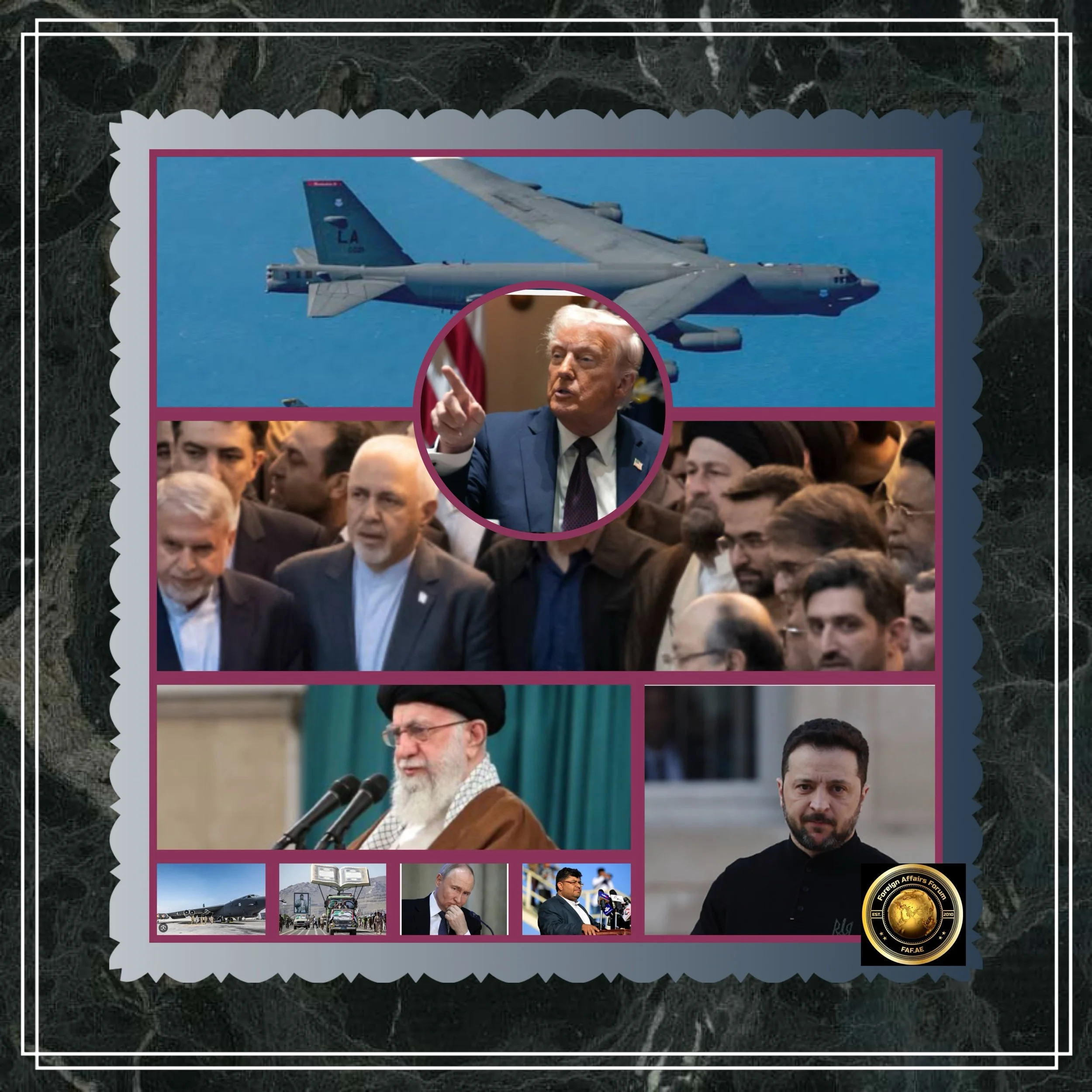
Pentagon officials have confirmed the movement of at least six B-2 bombers (30% of the entire US B-2 fleet) to Diego Garcia
This deployment coincides with warnings from President Trump and Defense Secretary Pete Hegseth about potential further action against Iran and its proxies
When asked if the B-2 deployment was a message to Iran, US Defense Secretary Hegseth responded: “We’ll let them decide,” adding that “It’s a tremendous asset… it communicates a message to everyone.”
The deployment comes as the US and Iran prepare for nuclear talks, with Trump threatening “bombing the likes of which they have never seen before.”
Suppose Iran doesn’t agree to limits on its nuclear program. The B-2s are capable of delivering the massive GBU-57A/B bunker-busting bombs specifically designed to target hardened underground facilities like Iran’s nuclear sites.
Operations Against Houthi Rebels in Yemen
A secondary objective appears to be supporting operations against Houthi rebels in Yemen
The deployment coincides with expanded US air campaigns against the Iran-backed Houthi rebels
B-2 bombers were previously used to strike Houthi targets in October 2024
The US continues to conduct airstrikes against Houthis, who have launched over 100 attacks on ships off Yemen’s coast since 2023
Broader Indo-Pacific Presence
The deployment also enhances US military presence in the larger Indo-Pacific region:
The Pentagon is increasing its aircraft carrier presence in the Indo-Pacific from one to three ships
Diego Garcia puts the US in position to respond to developments in both the Middle East and the South China Sea
Previous B-2 deployments to Diego Garcia in 2020 were explicitly tied to tensions in the South China Sea
Capabilities of the B-2 Spirit Bomber
The B-2 Spirit is one of the most sophisticated military aircraft ever developed, with several distinctive capabilities that make it particularly valuable for this deployment
Stealth Technology
The B-2’s primary advantage is its near-invisibility to conventional radar:
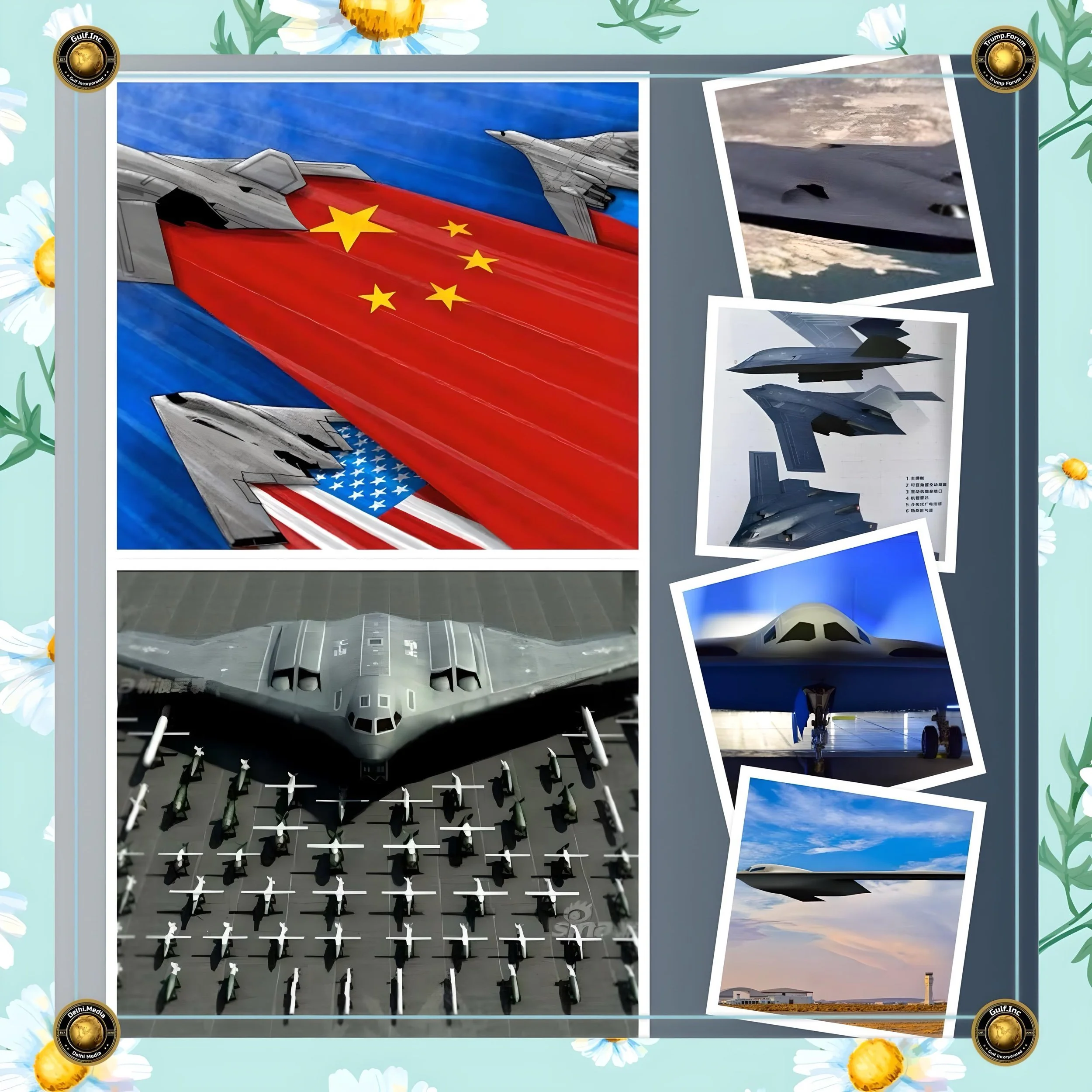
Its flying-wing design, composite materials, and special coatings significantly reduce its radar cross-section
The bomber features reduced infrared, acoustic, electromagnetic, visual, and radar signatures
These stealth characteristics allow it to penetrate advanced air defense systems like those possessed by Iran
Strategic Strike Capabilities
The B-2 can deliver a devastating payload with precision
Each bomber can carry up to 23 tons of ordnance, including both conventional and nuclear weapons
The aircraft can deploy two 30,000-pound GBU-57A/B Massive Ordnance Penetrator bombs, capable of breaking through up to 60 meters (200 feet) of concrete before detonating
These bunker busters are specifically designed to target hardened underground facilities, making them suitable for striking nuclear sites
Range and Performance
The B-2’s design allows for exceptional operational range and endurance:
It has an unrefueled range of approximately 6,000 nautical miles (9,600 kilometers)
With aerial refueling, its range can be extended significantly, allowing for global strike missions
It operates at high altitudes (up to 15,200 meters), providing greater freedom of action and better sensor coverage
The aircraft can reach a maximum speed of Mach 0.95
Deployment Origins
The B-2 bombers currently at Diego Garcia were deployed directly from Whiteman Air Force Base in Missouri, their home base, rather than being relocated from Qatar
Aviation enthusiasts tracked multiple B-2 flights from Whiteman AFB to Diego Garcia in March 2025
Flight tracking data showed the bombers refueling over Australia during their transit
All 20 of the Air Force’s B-2 bombers are typically based at Whiteman AFB
While there have been reports of B-2s arriving at Al Udeid Air Base in Qatar, the current deployment to Diego Garcia came directly from the United States.
The Air Force operates other bombers from Qatar, as Al Udeid is the most extensive US base in the Middle East, based on personnel numbers.
Conclusion
The deployment of B-2 Spirit bombers to Diego Garcia represents a significant strategic decision by the United States to position some of its most advanced military assets within striking distance of potential adversaries in the Middle East, particularly Iran.
This move serves multiple purposes: deterring Iran, supporting operations against Houthi rebels in Yemen, and maintaining a strategic presence in the broader Indo-Pacific region.
The B-2's exceptional capabilities, including its stealth technology, long range, and ability to deliver powerful bunker-busting munitions, make it particularly well-suited for the types of missions the US might contemplate in these regions.
The available information does not suggest that this deployment is related to India, Pakistan, or any potential conflict between those nations.