Tehran's Strategic Significance for Beijing: Evaluating Implications for Xi Jinping’s Taiwan Policy
Executive Summary
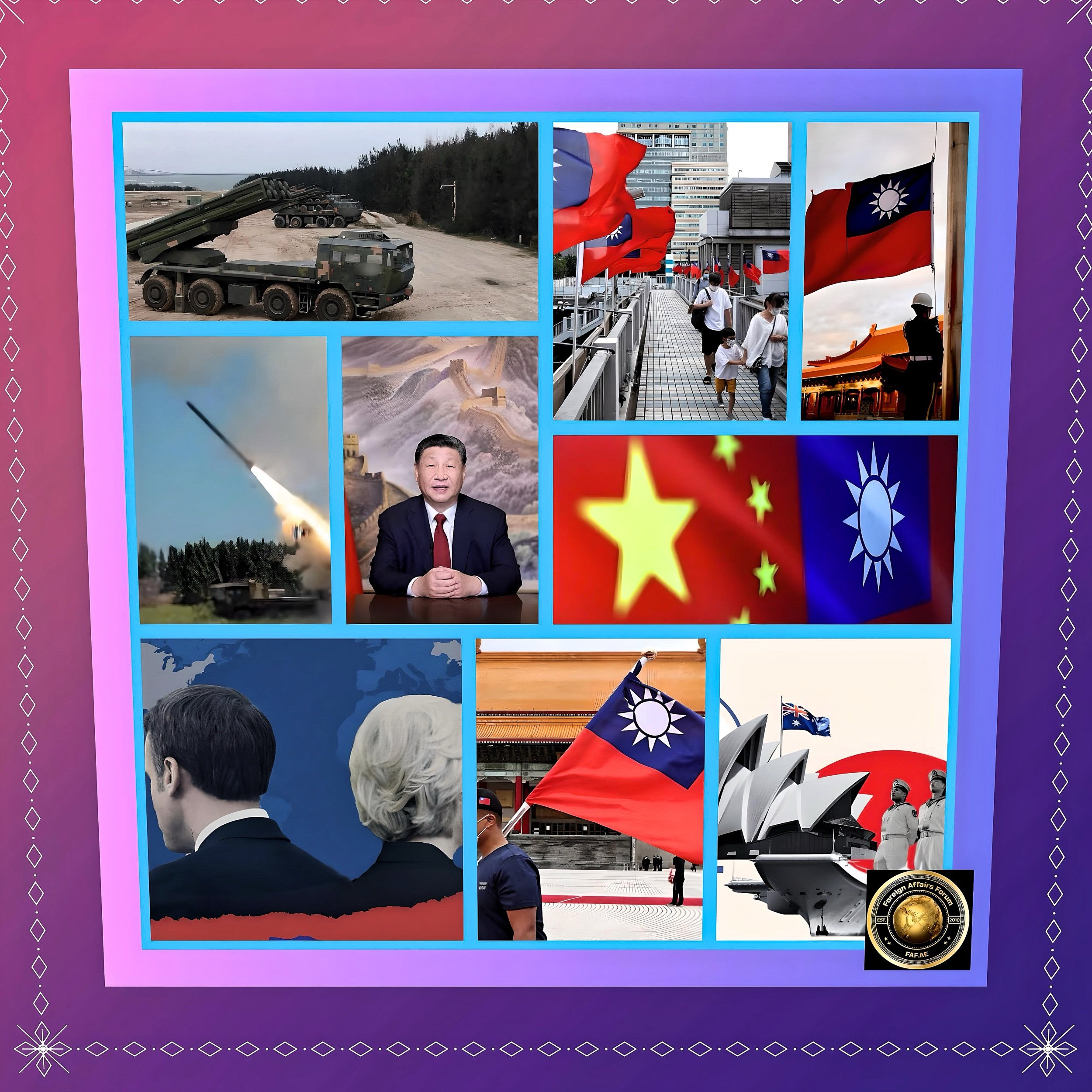
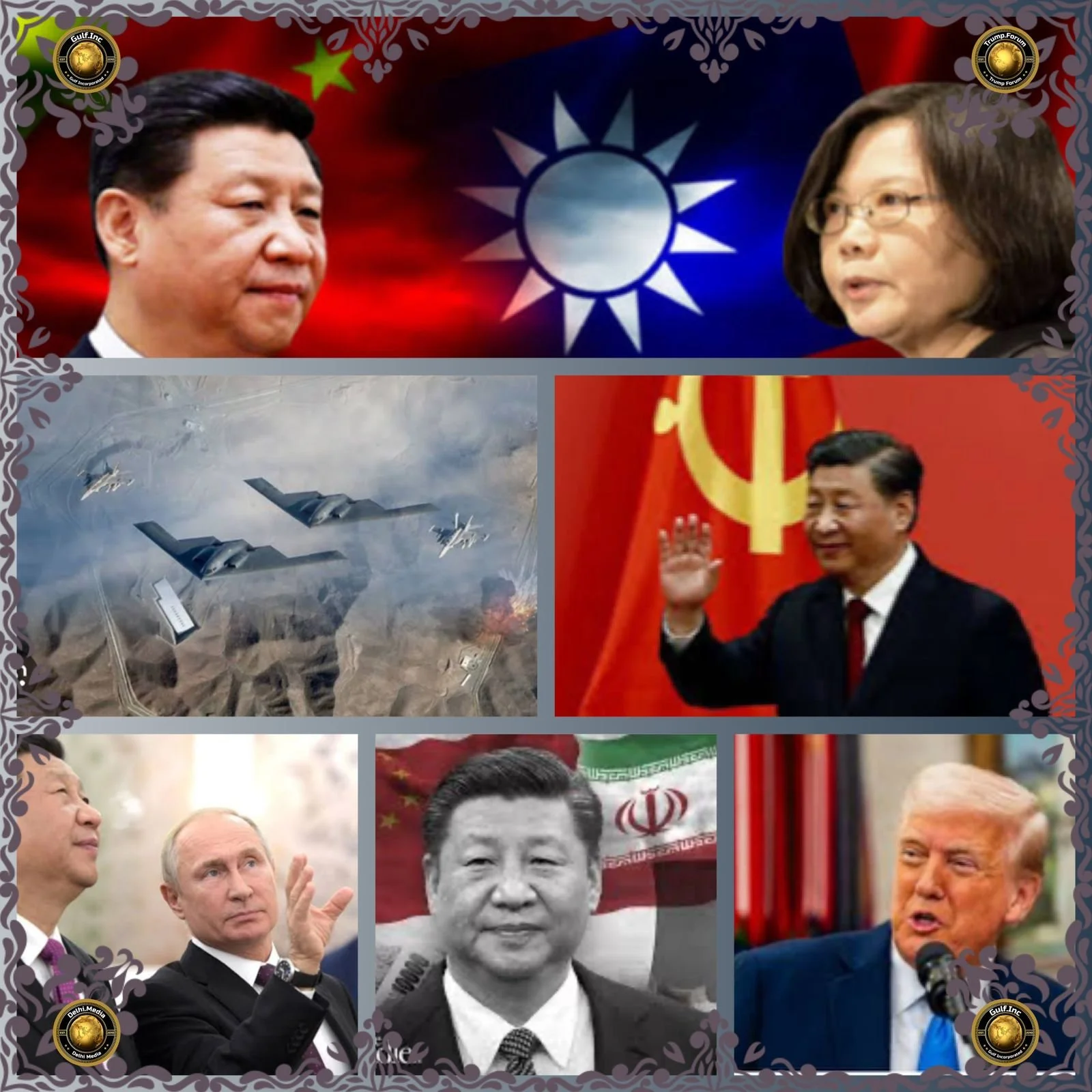
FAF analyses and emphasizes the significance of recent developments in Tehran and how they may influence the strategic calculations of Chinese President Xi Jinping concerning Taiwan.
The implications of Tehran's actions could alter the balance of power in the region and compel Beijing to reassess its approach to Taiwan amidst shifting geopolitical dynamics.
Introduction
The June U.S. military strikes against Iran’s nuclear infrastructure starkly highlight China's inclination toward diplomatic posturing over decisive military action.
This episode serves as a crucial indicator for President Xi Jinping, illustrating that in the theater of global power dynamics, the application of tangible military force frequently eclipses rhetorical posturing.
For Taiwan, this suggests that Xi’s window for addressing regional issues on Beijing’s terms is rapidly closing.
Concurrently, the United States, while adhering to its policy of “strategic ambiguity,” appears increasingly prepared to project its military capabilities and bolster allied support for Taipei.
Xi’s Strategic Dashboard and the Iran Paradigm
Chinese military theorists have long argued that hard power is a critical determinant of geopolitical outcomes.
The airstrike operation executed by Israel, followed by a pronounced response from the Trump administration, imparted several key lessons.
Efficacy of Force Over Diplomacy
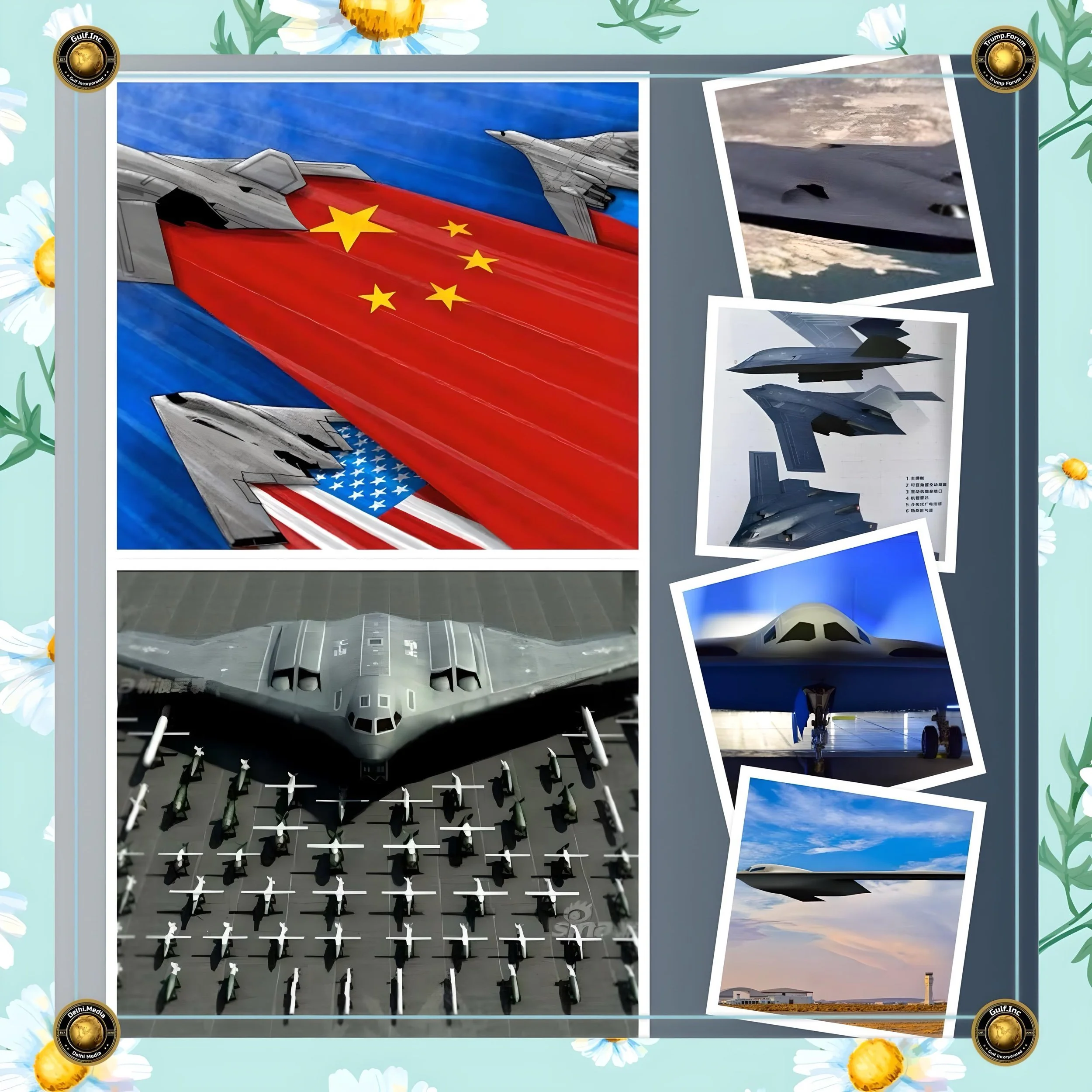
While Beijing’s response remained limited to verbal condemnations and calls for cease-fires, Washington demonstrated its military prowess by deploying B-2 bombers and utilizing precision bunker-buster munitions within days post-strike.
Deterrence Through Unpredictability
The volatility embodied by a unilateral decision-maker like Trump, particularly after issuing ambiguous military warnings, complicates Chinese strategic calculations.
In the context of Taiwan, Xi’s Strategic Dashboard now assesses 13 critical indicators that evaluate the risk and timing of potential military operations across the Taiwan Strait.
In light of recent events concerning Iran, a majority of these indicators—11 of 13—now signal an immediate need for action, warning Xi that further procrastination could fortify U.S. deterrence and constrain strategic opportunities.
U.S. Commitment to Defending Taiwan
Despite transient signs of ambivalence under administrations that have adopted a transactional foreign policy, U.S. support for Taiwan remains rooted firmly in:
The Taiwan Relations Act (1979)
This legislation mandates ongoing arms sales to Taiwan, ensuring its ability to maintain a “sufficient self-defense capability” amid escalating regional tensions.
Three Communiqués and Six Assurances
Washington has consistently avoided formal recognition of Taiwanese independence while simultaneously rejecting Beijing's territorial claims, affirming a commitment to “maintain capacity to resist any coercion” directed toward Taipei.
Recent Policy Reaffirmations
In February 2025, the State Department revised its policy guidelines to exclude the phrase “we do not support Taiwan independence,” while explicitly opposing any “unilateral changes to the status quo from either side.”
This marks a shift toward an approach supportive of a peaceful resolution devoid of coercive measures.
Following the Iran strikes, military readiness and exercises have significantly escalated.
The U.S. and its allies executed the largest military drills in the Pacific since World War II, aimed at enhancing high-tech crisis response capabilities and reinforcing collective deterrence—even without a formal treaty obligation to defend Taiwan.
Although trade negotiations and diplomatic maneuvers have sometimes dulled public assertions of U.S. commitment, core security assurances remain unwavering.
Continuing arms sales, high-level diplomatic engagements, and Congressional support for Taiwan’s international status reflect this steadfast support.
Xi’s Likely Considerations
Heightened Sense of Urgency
The Iranian situation starkly illustrates America’s capability and willingness to project military force far beyond its borders when core interests or international credibility are at risk.
Strategic Value of Surprise
To preempt U.S. and allied reinforcements, Beijing may contemplate launching a rapid and decisive offensive before Taiwan’s defensive systems and American aerial and undersea assets can be fully mobilized.
Balancing Deterrence with Risk
The lessons derived from the Iranian context have reinforced the primacy of hard power in Xi's strategic calculus while underscoring the unpredictability of U.S. responses, thus heightening the stakes for both Chinese deterrence efforts and escalation contingencies.
Diplomatic Hedging
Despite ongoing appeals for non-interference and multilateral resolutions, Beijing is likely to recognize that such diplomatic overtures hold insufficient sway unless complemented by credible military capabilities.
Outlook and U.S. Response
U.S. policy toward Taiwan remains robust and resilient. In spite of tensions arising from trade disputes and transitions of presidential administration, the framework of strategic ambiguity persists.
This framework is increasingly complemented by elements of "tactical clarity" concerning military training, arms provisioning, and allied collaborative drills focused on reinforcing deterrent capabilities.
Conclusion
The recent military engagement in Iran has acted as a crucial signal for Beijing, underscoring the significant impact of hard power in shaping the dynamics of great-power rivalries.
For President Xi Jinping, this development amplifies the urgency of formulating a strategic approach to the Taiwan issue that aligns with China's geopolitical objectives.
Conversely, for Washington, this event underscores the necessity of sustaining a strong and credible military presence in the region to ensure it remains a formidable deterrent amidst escalating geopolitical tensions.
The interplay of military strategy and diplomatic efforts is increasingly critical as both nations navigate their intricate relationship in light of these evolving circumstances.