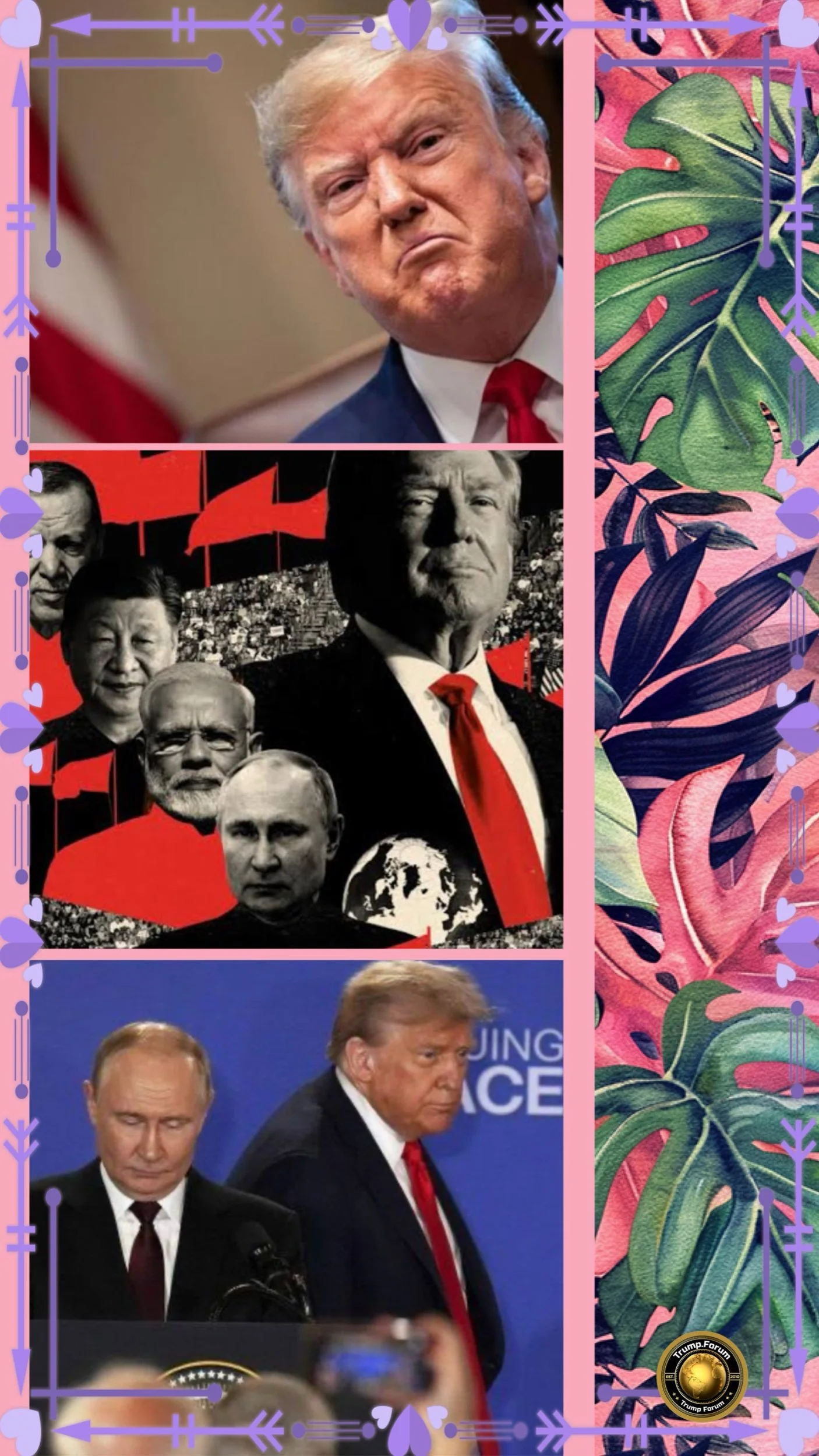
Trump's Strategic Dilemma: An Analytical Examination of the United States' Eroded Geopolitical Leverage Post-Alaska Summit
Executive Summary
Following the highly publicized Alaska Summit, a notable transformation in the geopolitical landscape has surfaced, raising considerable concerns about President Trump's strategic positioning in international affairs.
Initially aimed at enhancing global relations and exhibiting American leadership abroad, the summit inadvertently revealed a complex array of challenges confronting the current administration.
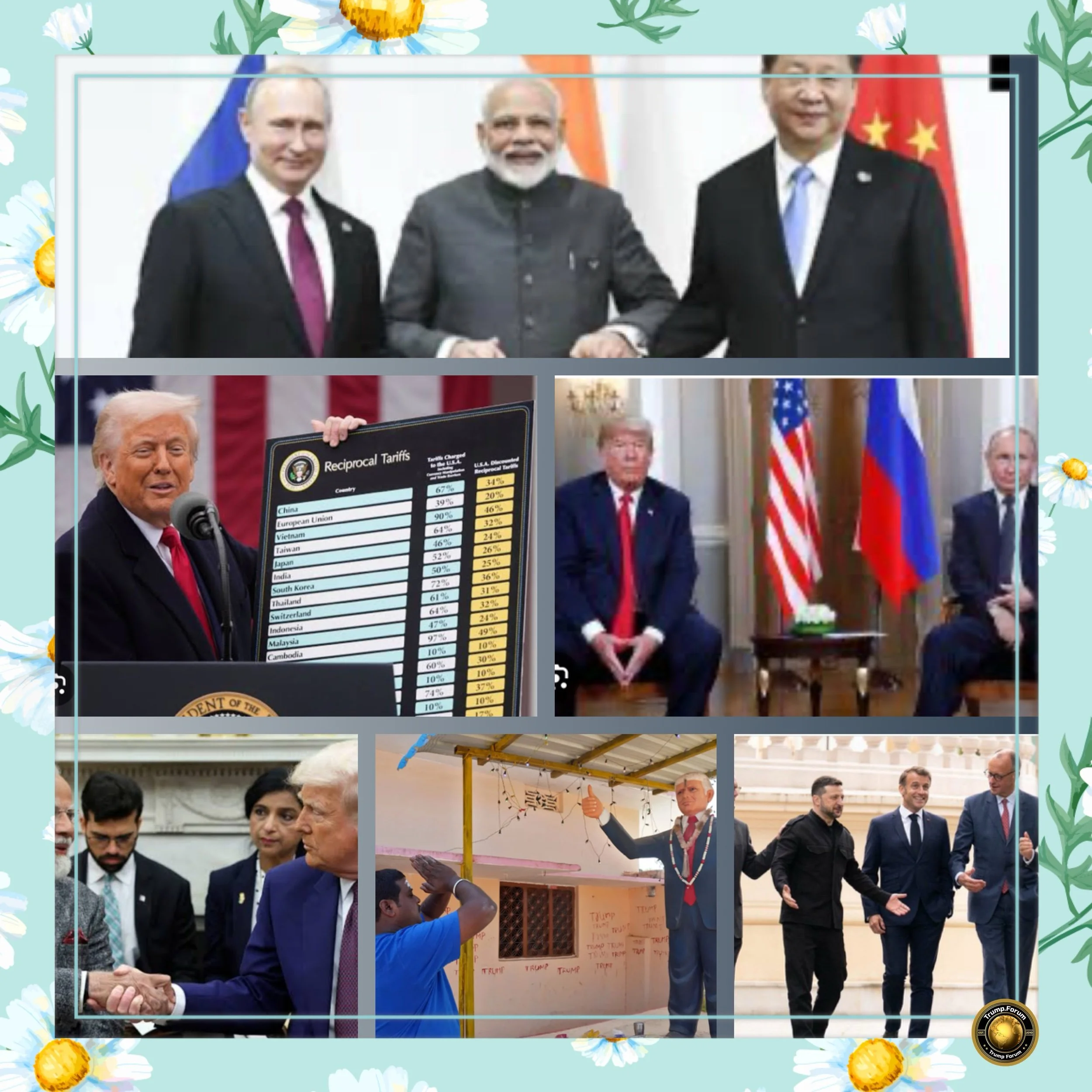
Among these challenges, the declining influence of the United States became apparent, particularly as rival global powers adopted increasingly assertive and independent stances, eroding America’s leverage in critical negotiations.
Discussions among foreign leaders post-summit showcased a burgeoning skepticism towards U.S. policies.
Countries are now more inclined to pursue their interests, establishing new alliances in light of shifting dynamics.
This evolving situation prompts critical examination of the effectiveness of Trump's diplomatic strategies and the potential long-term ramifications for America’s stature as a prominent global leader.
Thus, the Alaska Summit stands as a crucial inflection point, shedding light not only on the immediate challenges faced by the Trump administration but also on the broader implications for U.S. foreign policy moving forward.
Introduction
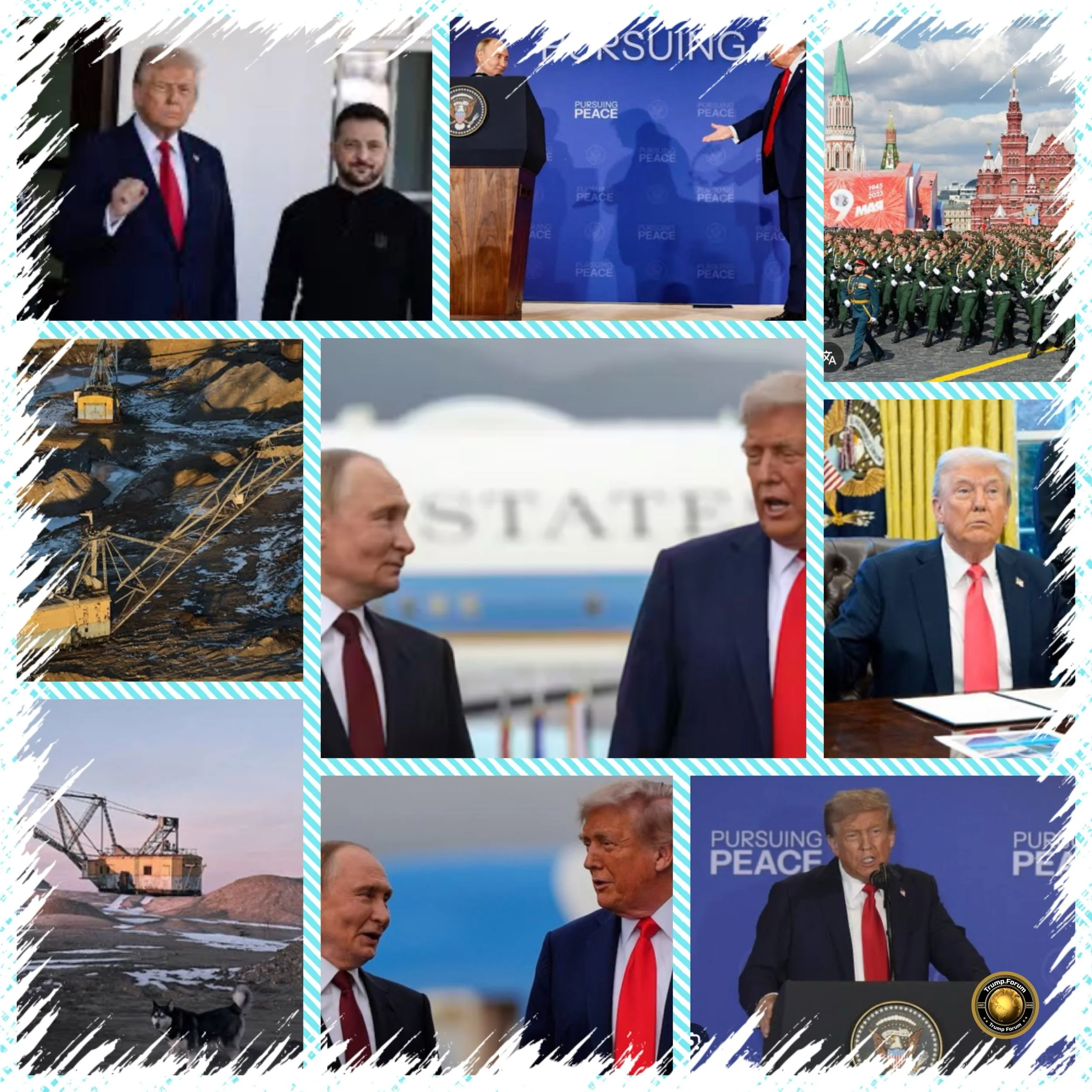
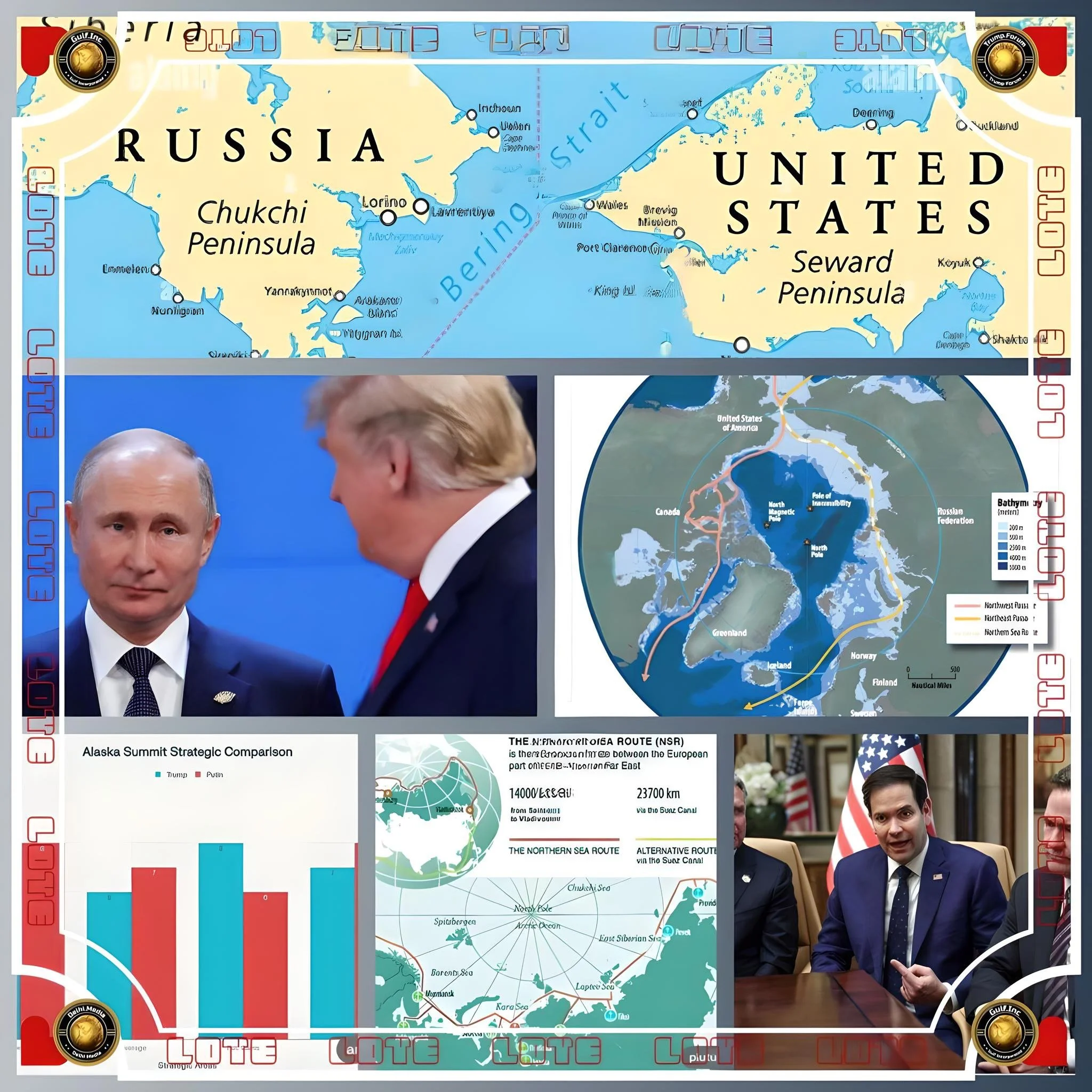
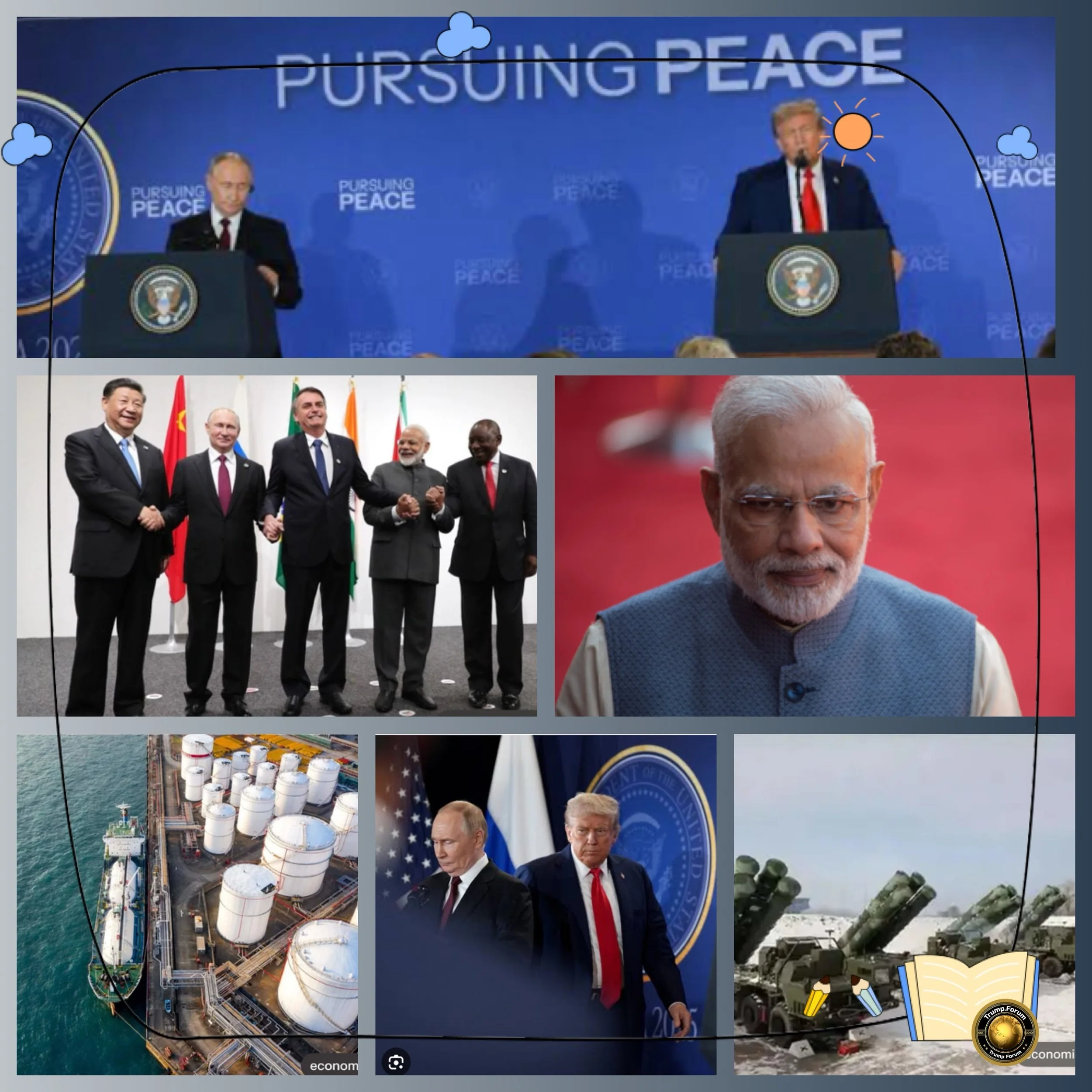
The Alaska summit, held on August 15, 2025, represented a pivotal moment as President Trump met with Russian President Vladimir Putin, revealing a marked decline in U.S. foreign policy influence. The event exposed America's unwillingness to maintain key negotiating leverage, as the United States seemingly conceded critical advantages without securing substantial concessions from Russia.
The Alaska Summit: A Strategic Miscalculation
The Anchorage meeting, which some hailed as a diplomatic opportunity, ultimately emerged as a pronounced victory for Putin and a strategic setback for American interests. Despite
Trump's earlier declarations threatening "very severe consequences" if Russia failed to agree to a ceasefire, the summit concluded without any such agreement in place.
Remarkably, Trump not only refrained from imposing any sanctions but even rated the encounter a commendable “10 out of 10,” leaving many observers baffled.
The optics of the summit alone afforded Putin considerable propaganda leverage. The red-carpet reception and grand ceremonial welcome at Joint Base Elmendorf-Richardson marked Putin's first distinguished appearance on Western soil since the 2022 invasion of Ukraine, which effectively reinstated his diplomatic position.
As one analyst pointed out, “Putin received an incredible photo opportunity from Trump, plus additional time to continue his military campaign against the 'brotherly' Ukrainian people.”
Abandoning Core Objectives
Trump's drastic shift from a firm demand for an immediate ceasefire to acquiescing to Putin’s desire for prolonged “peace talks” signals a clear strategic capitulation.
This alteration not only enables Russia to extend its military actions uninterrupted but also allows diplomatic discussions to languish indefinitely—an outcome Moscow had anticipated and welcomed.
Moreover, Trump’s post-summit comments significantly undermined Ukraine’s position.
By asserting that “Russia is a very significant power” while downplaying Ukraine’s importance, and pressuring Ukrainian President Volodymyr Zelenskyy to engage with the aggressor, Trump effectively deflected responsibility for the conflict's resolution away from Russia.
The War Criminal Welcome
The summit’s providing of a forum for Putin—as he faces an International Criminal Court (ICC) arrest warrant for war crimes—was perhaps the most contentious aspect of the meeting.
Putin confronts serious allegations, including the unlawful deportation of Ukrainian children, yet received full diplomatic honors during his visit to the United States.
Critics argue that this decision to host a "wanted war criminal" raises profound ethical questions about how the administration will justify its actions to future generations.
Steve Witkoff: The Problematic Envoy
The reliance on Steve Witkoff, a real estate developer without prior diplomatic experience, as Trump's primary envoy to Russia, has sparked significant concerns regarding the administration’s diplomatic competence.
Critics have described Witkoff as a well-meaning individual who lacks the necessary acumen to engage effectively in high-stakes negotiations.
His tendency to echo Kremlin narratives without recognizing their propagandistic value, reliance on Russian government translators—triggering security alarm bells—and reported misinterpretations of essential statements made by Putin during key discussions, have fueled doubts about his capabilities.
Former Trump officials have disparagingly labeled Witkoff as a “nice guy, but a bumbling idiot” who is “out of his depth” when dealing with the complexities of negotiations with Putin.
Russian Media Celebrates American Weakness
In the wake of the summit, Russian state-controlled media took pleasure in broadcasting Trump’s hostile remarks directed toward Zelenskyy and European allies, interpreting such rhetoric as validation of Moscow’s stance.
The Kremlin has eagerly embraced the perceived reduction in sanctions and diminishing support from the United States for Russian-language media outlets that combat Moscow's pervasive misinformation.
Following Trump’s explosive confrontation with Zelenskyy at the White House earlier in February, Russian officials openly expressed their approval.
Foreign Ministry spokeswoman Maria Zakharova commended Trump for his “restraint,” while Deputy Security Council head Dmitry Medvedev labeled Zelenskyy an “insolent pig,” whom he believed received a “proper slap down.”
Sanctions Relief and Strategic Retreat
Despite earlier threats of repercussions, Trump has noticeably retreated from the imposition of new sanctions on Russia.
Instead, the administration has quietly initiated discussions around potential sanctions relief, with the White House discreetly urging the State and Treasury departments to explore this avenue, signaling a major shift in American policy toward Russia and raising further concerns about the future direction of U.S. foreign relations.
Institutional Decay and Politically Motivated Appointments
The current administration’s foreign policy framework has suffered significant degradation due to a trend favoring political loyalists over seasoned professionals with expertise in international relations.
This shift has resulted in the erosion of established diplomatic protocols, as career diplomats and subject matter experts find themselves sidelined in favor of politically appointed individuals who often lack the necessary experience and qualifications.
Current and former government officials have expressed deep concern about an administration characterized by a blatant disregard for factual information and a troubling undervaluation of expert advice.
This troubling environment not only hampers effective decision-making but also poses serious risks, particularly in high-stakes international negotiations where nuanced understanding and informed strategies are vital.
America’s Remaining Leverage
In spite of these significant shortcomings, the United States still possesses considerable economic power to influence Russia.
Financial analysts emphasize that the U.S. has the ability to instigate a profound financial crisis in Russia by strategically targeting its covert network of oil tankers—a critical component of its economy—and by amplifying secondary sanctions that could further isolate the Russian financial system.
However, it appears that Trump is hesitant to wield this economic leverage effectively.
His decision to abandon previously set deadlines for implementing stringent sanctions has indicated a troubling openness to appease Russian interests, raising doubts about his commitment to holding the Kremlin accountable.
Conclusion
The Diminished Status of American Influence
The recent summit in Alaska, along with the subsequent reactions, highlights a systematic decay in American diplomatic power on the global stage.
By retreating from strategic goals, endorsing an envoy with inadequate expertise, relaxing pressure on Moscow, and undermining support efforts for Ukraine, the administration has significantly weakened its capacity to influence Russian actions.
This change plays into Vladimir Putin’s perceived strategy—he now seems convinced that he is achieving his objectives and can afford to adopt a wait-and-see approach as he continues military operations.
If the United States fails to reestablish its leverage through renewed sanctions and bolstered military assistance to Ukraine, it faces the real danger of becoming sidelined in resolving the ongoing conflict, which is exactly the outcome earlier analyses cautioned against.