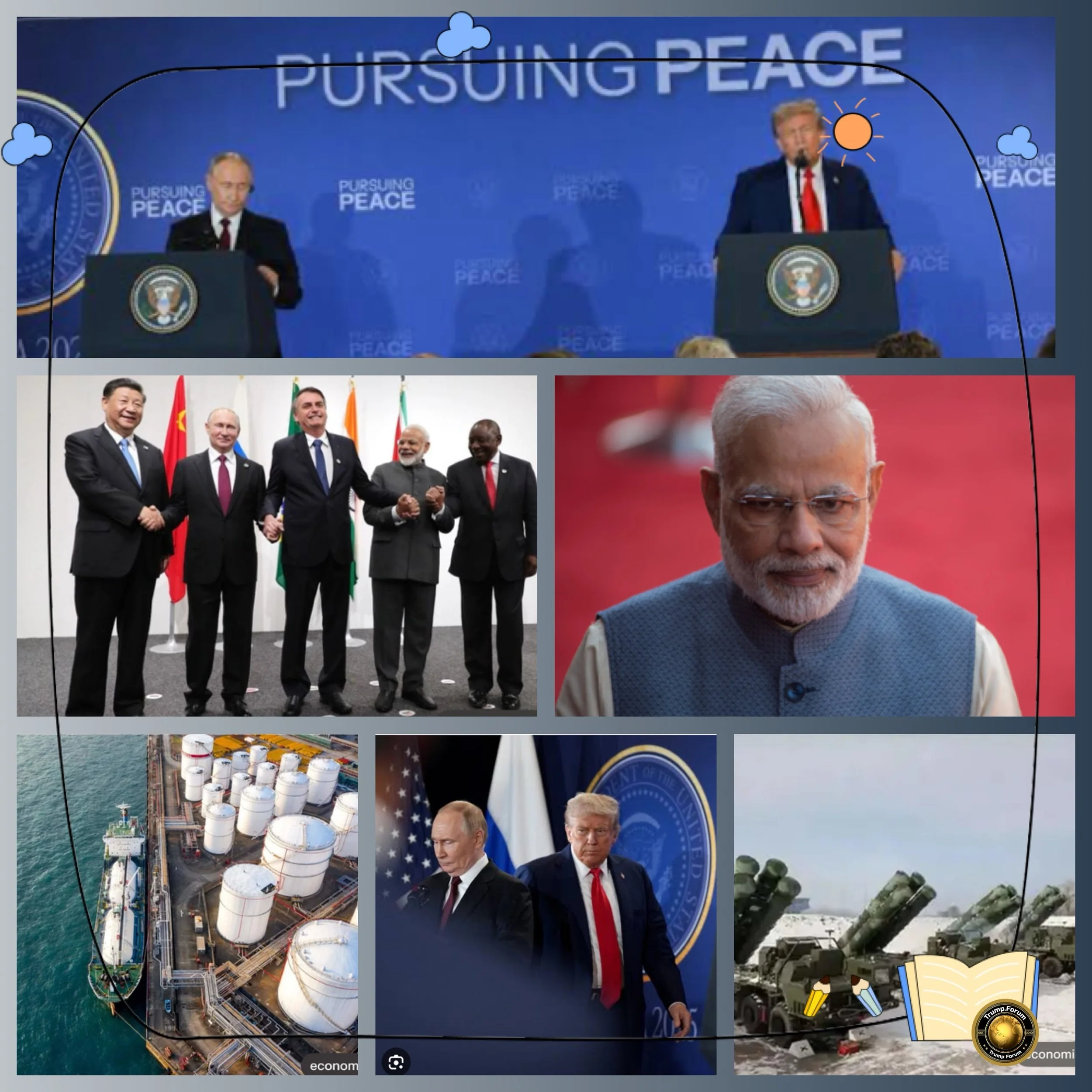
The Trump-Putin Alaska Summit 2025: Analyzing Its Implications for Geopolitical Dynamics and India’s Strategic Position - Part I
Executive Summary
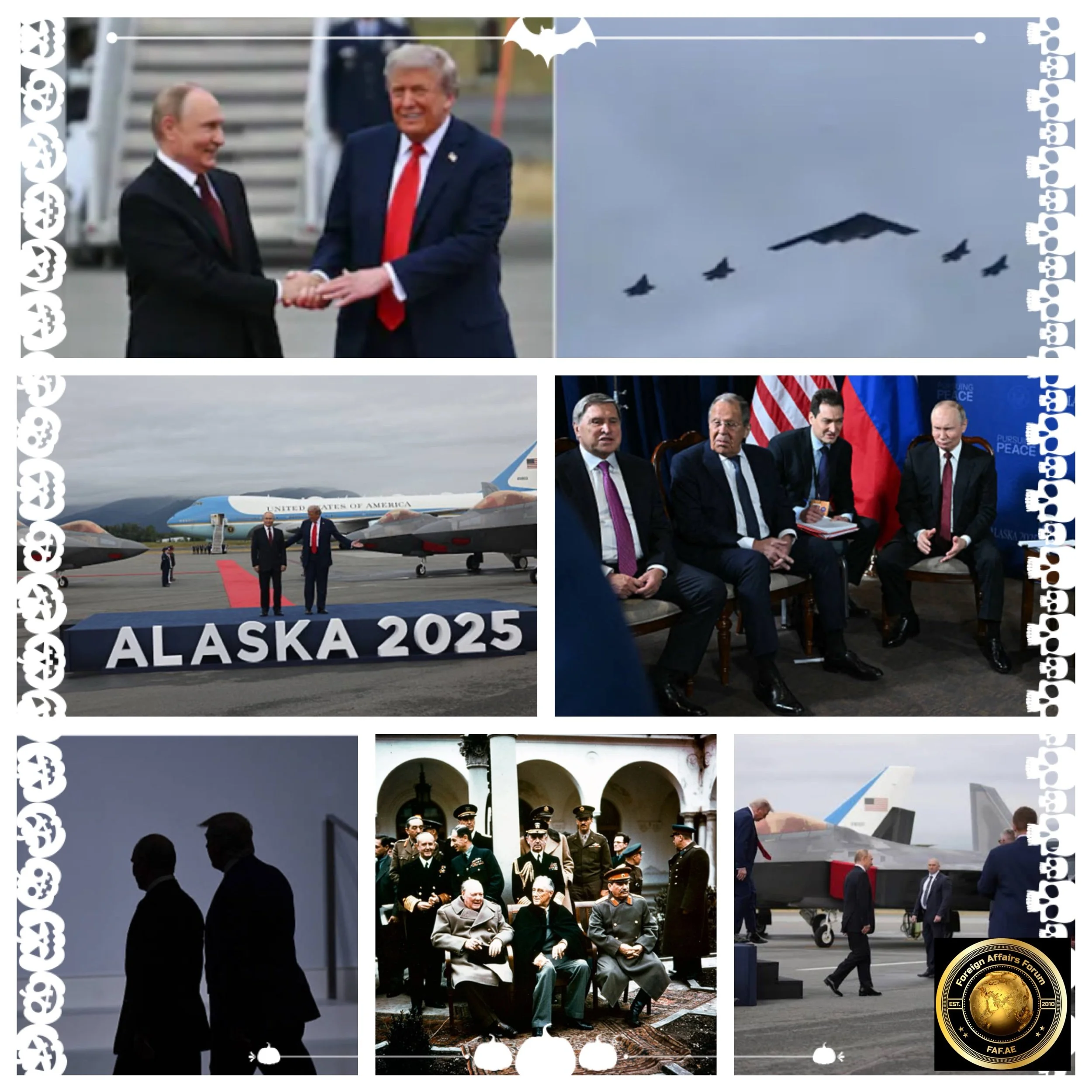
In 2025, a significant geopolitical event unfolded as former U.S. President Donald Trump and Russian President Vladimir Putin met in Alaska for a summit that is poised to reshape international relations.
Alaska, strategically located at the intersection of Asia and North America, served not only as an appealing venue but also as a symbol of the high stakes involved in their discussions.
The summit was expected to address critical and contentious topics that have historically defined the U.S.-Russia dialogue, including military alliances, global energy dynamics, and the urgent challenges posed by climate change. These subjects highlight the complexities of contemporary diplomacy, where national interests often intersect with pressing transnational issues.
As proceedings commenced, it became evident that discussions were not fully developed regarding the broader implications for global power dynamics, notably the shifting influence among significant players such as China, the European Union, and India.
A key aspect of the Trump-Putin discussions centered on Arctic territorial claims, an area of shared strategic interest that had received less attention compared to the dominant narrative surrounding the outcomes of the Russia-Ukraine conflict.
The leaders also evaluated their joint strategies concerning NATO and other military coalitions, reaffirming their intention to project influence in these crucial domains.
India, with its rising status as a global powerhouse and rapidly expanding economy, finds itself at a pivotal junction.
The implications of the Alaska Summit are expected to carry weighty consequences for India's foreign policy, potentially leading to a significant shift in its strategic orientation.
India is likely to pursue greater self-reliance as it aims to establish itself as the world’s third-largest economy by 2050, and subsequently the second-largest by 2075.
India's historical defense ties with Russia, complemented by an evolving relationship with the United States, present a complex landscape for strategic navigation.
This summit stands to redefine key partnerships and influence India's defense procurement strategies, impacting its role within various multilateral forums.
The prospect of U.S. encouragement for India to adopt American defense systems adds another layer of complexity to its long-standing procurement relationship with Russia and European countries.
Nevertheless, India maintains leverage in negotiations with entities like Boeing, where considerations of safety may significantly impact outcomes. This dynamic could engender notable diplomatic tensions with Western powers as India seeks to balance its strategic interests.
In conclusion, the Trump-Putin Alaska Summit is positioned as a potential watershed moment in international relations. The repercussions of U.S.-Russia interactions are likely to resonate beyond bilateral parameters, significantly affecting nations like India that strive to retain strategic autonomy in an increasingly multipolar global environment.
As the geopolitical context continues to evolve, it is imperative for India and other states to reassess and recalibrate their long-term national strategies accordingly.
The emerging trend of aligning with American foreign policy will necessitate nuanced strategic diplomacy, ensuring that nations can navigate their unique interests within the prevailing global realities.
Introduction
The recent summit between US President Donald Trump and Russian President Vladimir Putin in Alaska on August 15, 2025, concluded without achieving its intended aim—a ceasefire in Ukraine.
Following nearly three hours of discussions at Joint Base Elmendorf-Richardson in Anchorage, both leaders expressed that while "some progress" was made, the anticipated breakthrough essential for concluding Europe’s most significant conflict since World War II did not materialize.
For India, which occupies a critical position in the context of this power rivalry, the summit results have far-reaching implications extending beyond immediate diplomatic ramifications.
These outcomes affect energy security, defense collaborations, and India's strategic autonomy on the global stage.
The Summit’s Limited Achievements
This meeting marked Putin’s first presence on Western soil since the onset of Russia's invasion of Ukraine in February 2022.
The summit, characterized by meticulous diplomatic choreography yet lacking in substantive outcomes, saw Trump label the discussions as “very productive” while conceding, “we didn’t get there.
Putin, adopting a more diplomatic tone, termed the atmosphere as “constructive and mutually respectful.”
A noteworthy outcome was Putin extending an invitation for Trump to visit Moscow, suggesting “next time in Moscow” as they concluded their joint press conference.
Trump’s ambivalent response implied an openness to continued diplomatic engagement between the two nuclear states, despite the absence of immediate resolutions.
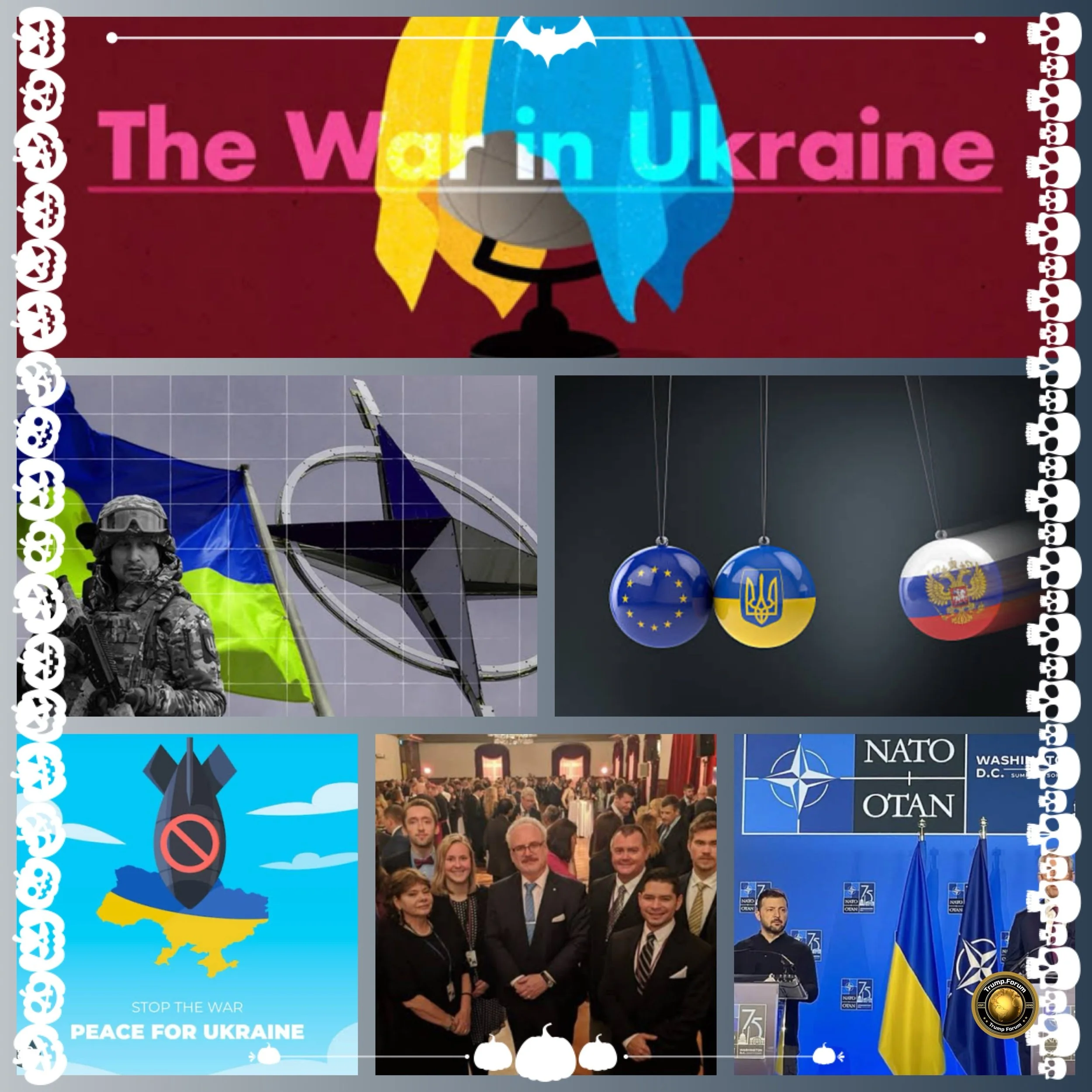
The failure to establish a ceasefire or develop a concrete peace strategy underscores the fundamental rift between Russian and Ukrainian positions.
Putin reiterated Moscow's long-standing position that “all the root causes of the crisis must be eliminated” for a durable peace, while Ukrainian President Volodymyr Zelensky, who was notably absent from the talks, had previously affirmed Ukraine’s refusal to cede territory to occupiers.
India’s Diplomatic Endorsement and Strategic Calculations
India's reaction to the summit encapsulates the nuanced balancing act in its foreign policy.
The Ministry of External Affairs articulated a cautious endorsement, stating, “India welcomes the understanding reached between the United States and the Russian Federation for a meeting in Alaska,” while resonating Prime Minister Modi’s assertion that “this is not an era of war.”
Modi's diplomatic philosophy, articulated during a previous meeting with Trump, emphasizes that India is not neutral, asserting instead, “we have our own side: peace.”
This framework allows India to cultivate relationships across the spectrum while advocating for conflict resolution, aligning with its broader strategic imperatives in a multipolar world.
Energy Security at the Center of India’s Concerns
The summit's failure carries immediate repercussions for India's energy security, particularly in light of Trump’s aggressive tariff policies as economic statecraft.
The transformation of India's oil import profile since the onset of the Ukraine conflict exemplifies the stakes involved for New Delhi.
India's pivot toward discounted Russian crude has been transformative.
Russian oil imports surged from a mere 0.2% of total imports in 2021 to over 35% by 2025, making Russia India’s largest oil supplier and displacing traditional suppliers from the Middle East.
This shift has resulted in annual savings estimated between $9-12 billion in import costs, aiding in the stabilization of domestic fuel prices and inflation management in an energy-sensitive economy.
As the third-largest oil importer globally, relying on imports for approximately 90% of its petroleum needs, India has adeptly leveraged the Western sanctions framework to procure energy at below-market rates.
Indian refineries have processed this oil for domestic consumption and refined it into petroleum products for re-export, creating an intricate web of energy interdependence that complicates sanctions enforcement.
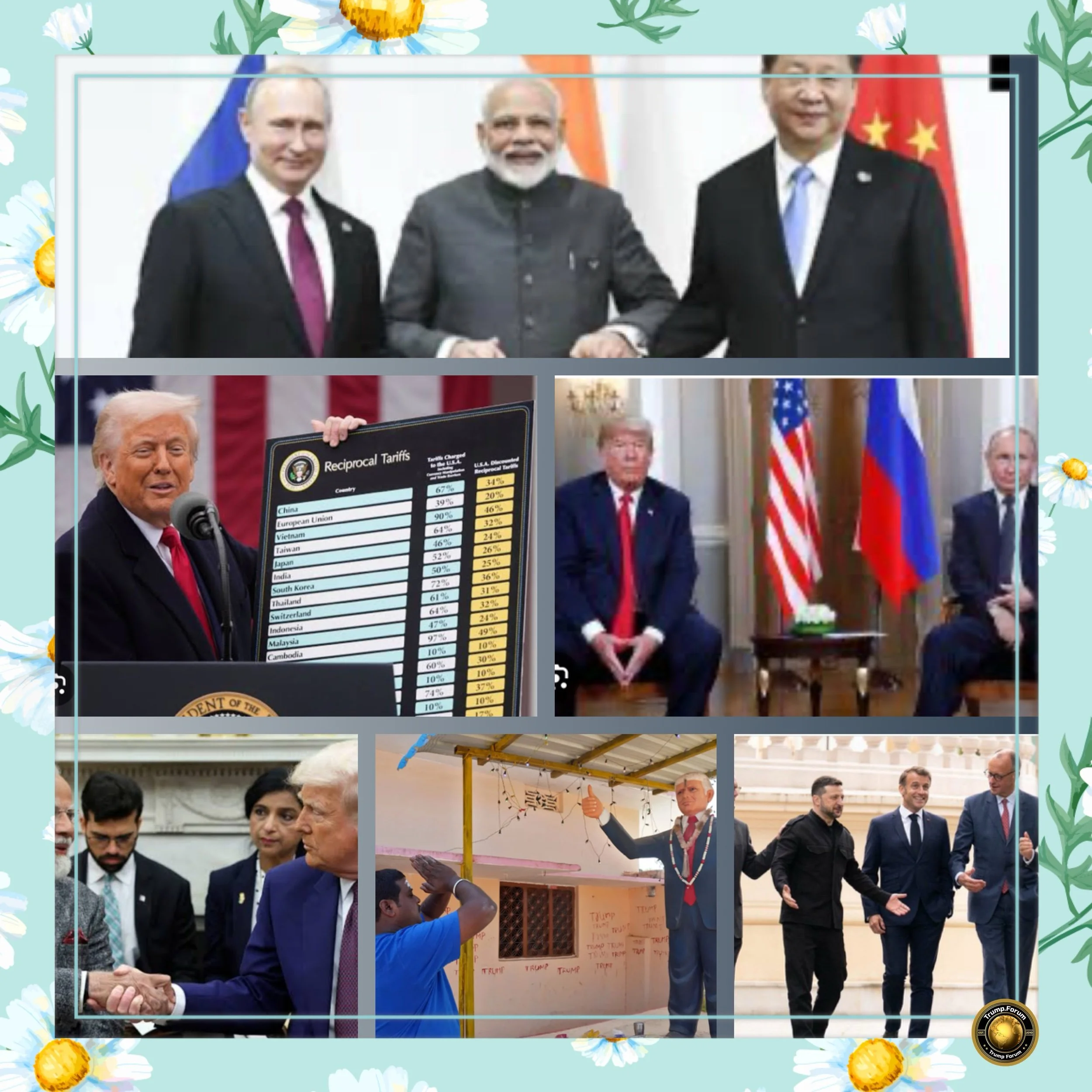
However, Trump’s imposition of a 50% tariff rate on Indian exports to the US—including a distinct 25% penalty on Russian oil purchases—turns this economic opportunity into a potential vulnerability.
The State Bank of India estimates that discontinuing Russian oil imports could escalate India’s fuel expenses by $9-11 billion annually, while continued imports face the threat of detrimental tariffs on $40 billion worth of non-exempt exports to the US.
Defense Partnerships Under Strain
India's long-standing defense alliance with Russia, characterized by extensive military collaboration, is encountering its most critical challenge since the Cold War's resolution.
The $5.43 billion agreement for the S-400 Triumf air defense system, signed in 2018, serves as a touchstone for both the robust nature of India-Russia military ties and the emerging complexities in these relationships.
The S-400 systems have demonstrated their operational effectiveness within India’s national security framework.
In May 2025, during Operation Sindoor—India's military reaction to cross-border provocations from Pakistan—Russian sources reported that the S-400s performed exceptionally well.
Their capabilities in intercepting missiles and drones from Pakistan have strengthened India's resolve to finalize the intended five-squadron acquisition and potentially expand its order.
However, the ongoing conflict in Ukraine has disrupted the original delivery timelines, with the last two S-400 squadrons now projected to arrive by 2026-2027, a three-year lag compared to initial schedules.
This delay underscores broader issues within the India-Russia defense collaboration, as Moscow reallocates military production resources toward its war efforts, while New Delhi increasingly seeks to diversify its defense partnerships.
India's reliance on Russian defense imports has significantly diminished, plummeting from 72% to approximately 45% in recent years.
This shift aligns with India's acquisition of French Rafale aircraft instead of Russian Sukhois, German submarine platforms rather than Russian equivalents, and French tanks replacing the T-72 and T-90 models from Russia.
This diversification strategy reflects both concerns over supply chain vulnerabilities and India's overarching goal of reducing dependence on any single arms supplier.
The BRICS Factor and Economic Dynamics
India's engagement with the BRICS consortium introduces another layer of complexity to its global positioning, particularly in light of American apprehensions about the group's potential anti-U.S. sentiment.
The Trump administration's dissatisfaction with India's BRICS involvement—particularly regarding discussions on alternative payment frameworks and de-dollarization—has manifested in punitive tariffs on Indian exports.
Trade ties between India and Russia have surged, reaching an estimated $68.7 billion in 2024-25, nearly sevenfold compared to pre-pandemic figures.
This growth, largely driven by energy imports, is indicative of deepening collaboration in critical sectors, including defense, space technology, nuclear energy, and pharmaceuticals.
For Russia, India acts as a vital economic lifeline amidst Western sanctions, providing a substantial market for energy exports while also facilitating access to manufactured goods and technological services.
Russian Direct Investment Fund leader Kirill Dmitriev has characterized bilateral discussions as having progressed favorably, although the lack of tangible results signifies continued reliance on India and China for economic stability.
Conversely, BRICS represents a strategic platform for India to advocate for a multipolar global order, offering pragmatic benefits such as the recently established BRICS Startup Knowledge Hub aimed at fostering cross-border innovation and synergy among member states.
India's commitment to principles such as Sahyog(Collaboration), Samanjasya (Harmony), Samagrata (Inclusiveness), and Sarvasammati (Consensus) underscores its aspiration for leadership within this multilateral framework.
Strategic Autonomy in a Binary World
India's doctrine of strategic autonomy, an evolution from Cold War-era non-alignment, is facing unprecedented scrutiny in the aftermath of the Alaska summit.
This framework aims to optimize India’s geopolitical maneuverability while steering clear of entanglement in great power rivalries.
It has undergone three distinct phases: the original non-alignment during the Cold War, the post-Cold War multi-alignment approach, and the current strategy focused on balancing partnerships with diverse global powers while prioritizing India's core national interests.
Former Foreign Secretary S. Jaishankar articulated that contemporary strategic autonomy translates to a "dependence control strategy" aimed at preserving autonomy in foreign policy and safeguarding strategic assets from external coercion.
The outcomes of the Alaska summit, notably its lack of substantive agreements, have amplified calls for India to take a definitive stance in the polarized global environment.
U.S. Treasury Secretary Scott Bessent has indicated that Washington might consider heightened secondary tariffs on India if peace negotiations stagnate, also suggesting closer ties among European nations to impose secondary sanctions.
This development poses a significant challenge to India's strategic autonomy, as it implies economic levers intended to influence Indian policy decisions.
In response, Indian officials have reiterated their commitment to making oil purchasing decisions based solely on economic rationality.
A.S. Sahney, Chairman of the Indian Oil Corporation, emphasized that there would be "no pause" in Russian oil imports, underscoring India’s determination to reject externally imposed constraints on its sovereign economic choices.
Regional Security Implications
The recent Alaska summit's inconclusiveness carries significant repercussions for South Asian security architecture.
The U.S. administration's apparent equivalency between India and Pakistan, especially following recent terrorist incidents in India, has heightened concerns in New Delhi.
The U.S. decision to engage with Pakistan’s Chief of Army Staff—known for issuing overt threats against India—has been interpreted as a detrimental maneuver to India's security interests while potentially legitimizing Islamabad's nuclear intimidation strategies.
This context is further complicated by India's looming "two-front challenge," where the strategic nexus between China and Pakistan—both nuclear-armed—grows closer.
As India grapples with the necessity of modernizing its military capabilities to counter these multifaceted threats, delays in the procurement of S-400 systems and other Russian military technology exacerbate the situation.
The stalled Alaska summit indicates that the ongoing strategic rivalry between Russia and Western powers will persist, likely amplifying the geopolitical pressures on states such as India to define their alignments.
For Indian strategic planners, this scenario presents a challenging dilemma: aligning too closely with one bloc risks impinging on India's strategic autonomy, while maintaining a neutral stance may become increasingly untenable as global tensions escalate.
Economic and Market Implications
In the immediate aftermath of the summit, global energy markets have already registered a downturn, with oil prices dropping nearly $1 as traders had anticipated potential sanctions relief that failed to materialize.
For India, this translates into sustained access to discounted Russian crude; however, it also signifies ongoing exposure to U.S. tariffs that could impede broader economic growth.
India's petroleum product exports—comprising diesel and jet fuel processed from Russian crude and re-exported to Europe and other markets—constitute a significant economic leveraging point.
Yet, this advantage risks erosion if India opts to forsake Russian oil or faces escalated U.S. sanctions.
The intricate dynamics of this value chain position India as a pivotal intermediary in global energy markets, adept at leveraging price differentials while providing vital services to energy-deficient regions.
Nonetheless, the looming threat of increased tariffs stretches beyond the energy sector.
India’s ambitious target of achieving $500 billion in U.S.-India bilateral trade by 2030 could be severely jeopardized if tensions continue to escalate, impacting key sectors such as IT services, textiles, and jewelry.
Future Scenarios and Strategic Options
Looking forward, India must navigate several potential scenarios arising from the inconclusive outcomes of the Alaska summit.
Scenario 1: Continued Stalemate
Should U.S.-Russia negotiations remain entrenched in deadlock, India could face intensifying pressures from both Moscow and Washington.
This might entail the U.S. imposing stricter sanctions on Russian oil purchasers, while Russia could demand increased support from its allies, further complicating India's strategic calculus.
Scenario 2: Gradual Engagement
Putin's extension of an invitation for Trump to hold discussions in Moscow implies that diplomatic dialogue persists despite the absence of immediate breakthroughs.
Continued diplomatic engagement between the superpowers could foster conditions for an eventual accommodation, alleviating some pressure on intermediary nations like India.
Scenario 3: Economic Decoupling
In the event of escalating tariff conflicts, India may be compelled to reassess its economic affiliations with both Russia and the U.S.
Given the critical importance of the U.S. market for Indian exports in comparison to Russian energy imports, a forced strategic realignment could ensue—something that Indian policymakers would likely prefer to sidestep.
In this context, the optimal strategy for India involves asserting its strategic autonomy while progressively diversifying energy sources and export markets.
The government’s commitment to "Aatmanirbhar Bharat" (self-reliant India) becomes increasingly relevant as enhancing domestic capabilities is essential for sustaining independence.
What Next?
The recent diplomatic engagements have produced little beyond a veneer of cordiality, failing to yield any substantive agreements or resolutions.
The geopolitical stakes for Europe, India, and the United States have escalated significantly.
As a result, America finds itself in a precarious geopolitical predicament.
President Trump seems to be exhausting viable alternatives. His administration has experimented with multiple strategies—ranging from tariff imposition and sanctions threats to selective engagement with Pakistan and China—but now appears to be at a stalemate.
Indian Prime Minister Modi has reiterated India’s stance of non-alignment and underscored its commitment to peaceful resolution. However, it is becoming increasingly evident that all stakeholders will soon possibly confront challenging decisions necessitating strategic recalibration.
A pivotal reality emerging from this situation is America’s unintended facilitation of a unifying agenda among global powers. The BRICS nations—Brazil, Russia, India, China, and South Africa—are consolidating their influence in this evolving geopolitical landscape.
Looking forward, there is a plausible trajectory in which the United States may experience a decline in its hegemonic status within the next decade or even sooner. This transformation seems poised to elevate China, Russia, and India to more pronounced positions of power on the world stage.
India, in particular, is distinguishing itself through its sophisticated diplomatic maneuvering and noteworthy advancements in self-sufficiency across crucial sectors such as technology, specifically in semiconductor production, infrastructure, defense capabilities, healthcare, agriculture, and manufacturing.
These advancements position India as a potential leader in the global arena.
Additionally, the United States is becoming acutely aware of the detrimental effects of its current immigration policies on technological and industrial growth.
The ongoing exodus of Indian professionals and students towards opportunities in Europe, Australia, and Hong Kong poses significant risks to America’s high-tech and defense industries. If the U.S. persists with its H-1B lottery system without reforming these policies, it could lose many highly skilled Indian professionals, exacerbating its existing challenges.
The global landscape is undergoing a transformative shift, and America must navigate these dynamics judiciously to maintain its competitive advantage.
Conclusion
The anticipated Trump-Putin Alaska Summit of 2025 will likely be characterized less by concrete achievements and more by the notable shortcomings it will showcase.
For India, this failure reflects an ongoing struggle to navigate intricate strategic dilemmas within a context increasingly shaped by great power rivalries.
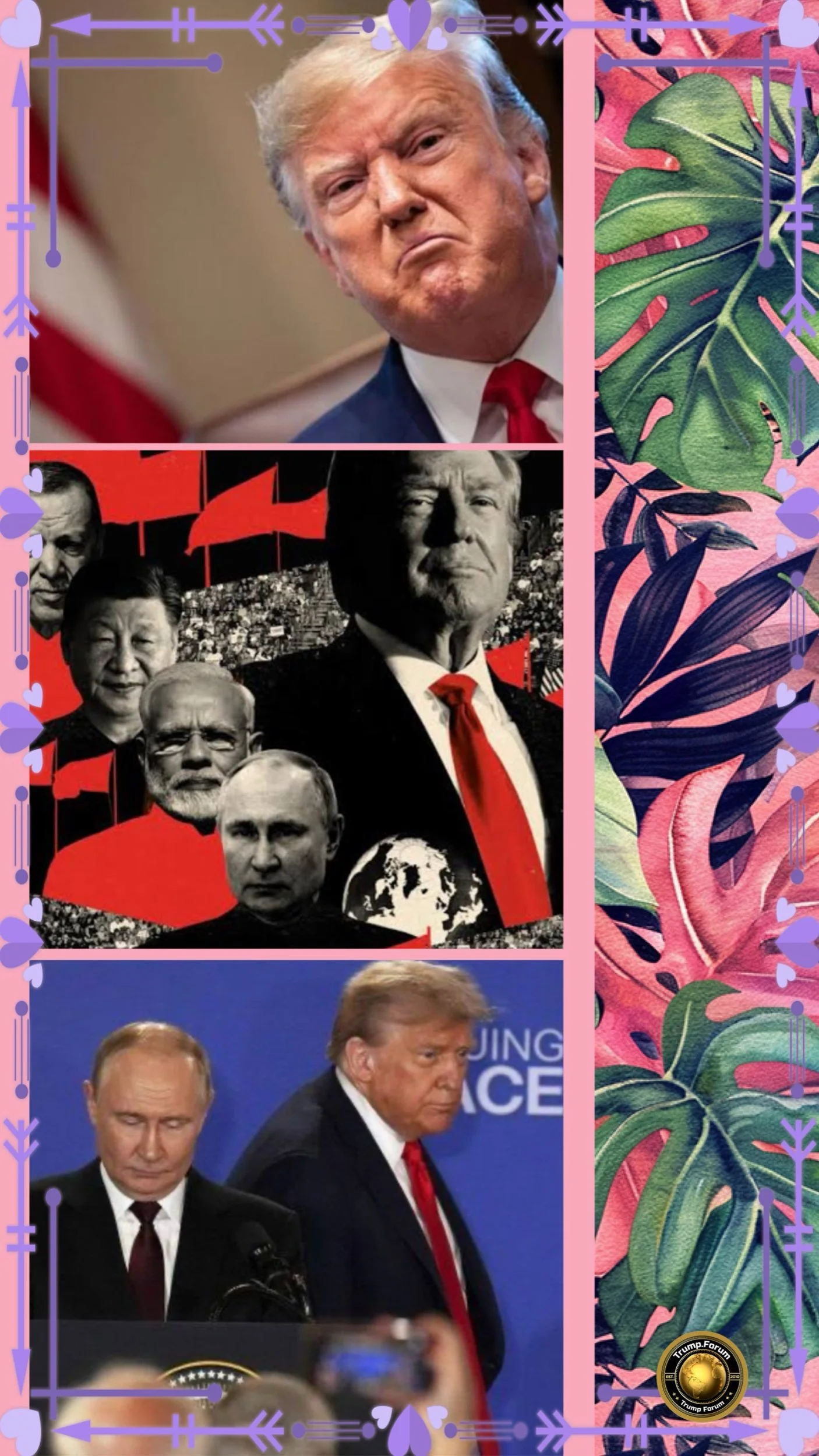
The summit's inadequacies reveal the substantial obstacles facing middle powers like India amid escalating strategic competition, particularly in light of the burgeoning alliance between the United States and Russia, bolstered by China’s support.
India’s methodologies for addressing these challenges are expected to play a pivotal role in determining its stature within the emerging multipolar order. The nation’s commitment to strategic autonomy is captured in Prime Minister Modi’s pronouncement that India is "not neutral" but unequivocally "on the side of peace." This perspective illustrates the nuanced understanding that true independence entails the capacity to engage with multiple global actors while remaining accountable to none.
The economic implications of this geopolitical dynamic are substantial. If India opts to sever ties with Russian oil imports, it could incur an astronomical increase in energy costs, estimated between $9 to $12 billion. Concurrently, India risks losing approximately $40 billion in U.S. exports, which could be subject to punitive tariffs, placing the nation in an increasingly precarious strategic dilemma.
Furthermore, the ramifications for defense are profound. India’s military infrastructure remains substantially reliant on Russian suppliers, even as the nation actively seeks to diversify its defense partnerships to mitigate vulnerabilities. This complex balancing act underscores the critical need for sustaining strategic relationships while simultaneously pursuing broader international collaborations.
Ultimately, the legacy of the Alaska Summit for India may lie in its compelling demonstration of the constraints associated with great power diplomacy, alongside a renewed emphasis on the essential roles played by middle powers. In a context where bilateral resolutions to multifaceted multilateral challenges are persistently elusive, nations like India—with an unwavering commitment to "dialogue and diplomacy"—may increasingly assume the roles of mediators and stabilizers within a turbulent international landscape.
The pressing challenge ahead will be maintaining this influential position while safeguarding fundamental national interests amidst a world that is becoming ever more polarized and fragmented. As the implications of the Alaska summit materialize, one truth remains clear: the era of uncomplicated strategic autonomy is drawing to an end. For India, the path forward necessitates not merely a balancing act between emerging powers but an active engagement in shaping global dynamics.