Strategic Calculus in Alaska: Deep Analysis of the Trump-Putin Summit and Mutual Objectives
Executive Summary
In-depth Examination of Strategic Dynamics in Alaska: A Comprehensive Analysis of the Trump-Putin Summit and Their Shared Goals
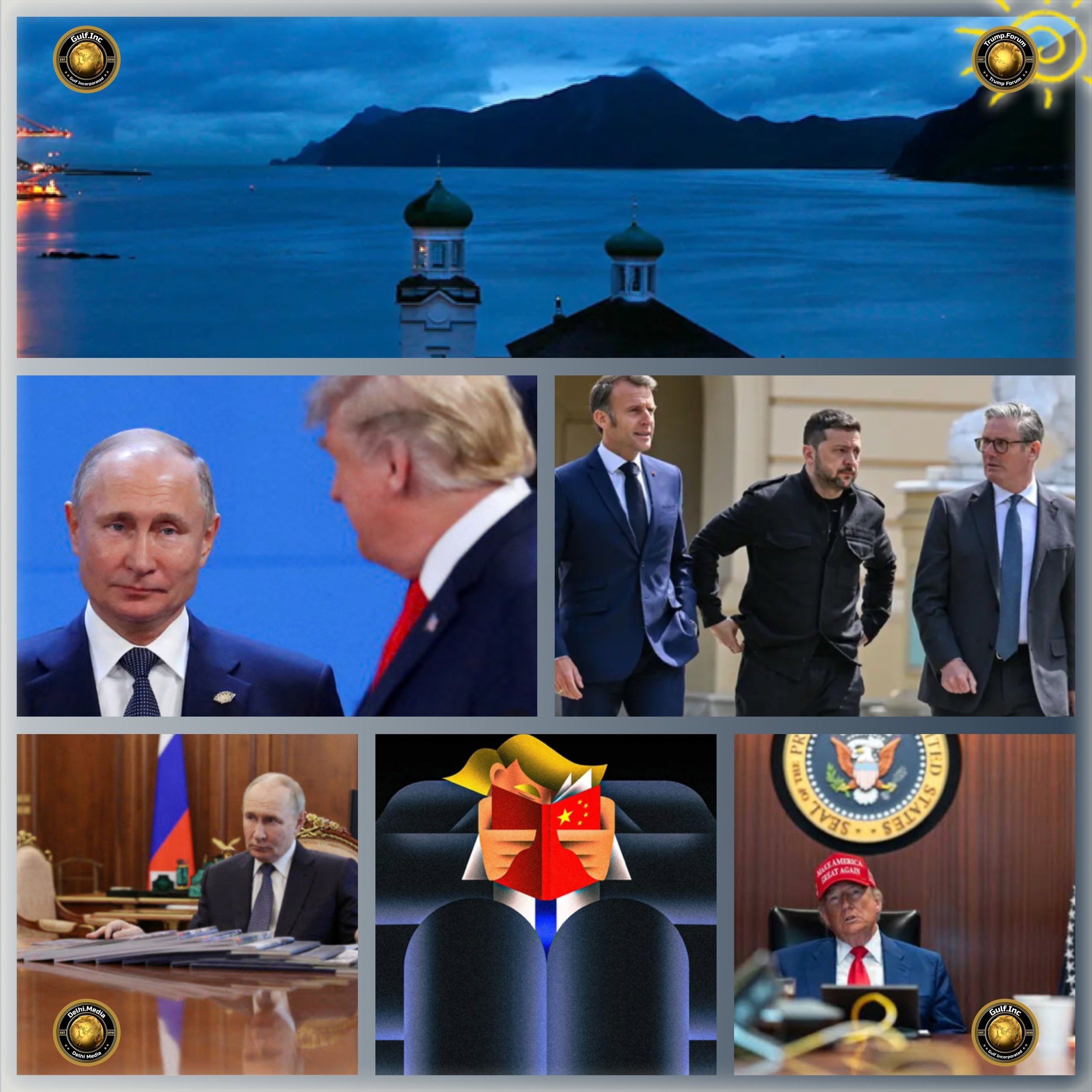
This detailed exploration delves into the strategic decisions made during the landmark summit between former President Donald Trump and Russian President Vladimir Putin, held against the stunning backdrop of Alaska.
FAF analysis focuses on the intricate geopolitical landscape that shaped their discussions, highlighting the mutual objectives both leaders sought to achieve.
From national security concerns to economic collaborations, we will dissect the implications of their negotiations and the broader effects on U.S.-Russia relations.
Key factors such as regional stability, energy resources, and military posturing will also be examined to provide a thorough understanding of the strategic calculus at play during this pivotal meeting.
Introduction
The announcement of the unprecedented August 15, 2025 summit between President Donald Trump and Russian President Vladimir Putin in Alaska represents far more than a diplomatic meeting—it constitutes a pivotal moment in 21st-century geopolitics with profound implications for both leaders and the global order.
FAF comprehensive analysis examines the multifaceted strategic objectives, leverage mechanisms, and potential gains each leader stands to achieve from this historic encounter on American soil.
Historical Context and Symbolic Significance
The decision to hold the meeting in Alaska carries significant historical and symbolic implications that transcend mere logistical considerations.
Alaska, acquired from the Russian Empire for $7.2 million in 1867 during Tsar Alexander II’s economically challenged post-Crimean War era, exemplifies the intricate intertwining of American and Russian historical narratives. Once derided as “Seward’s Folly,”
Alaska has since become a pivotal element of American Arctic policy and a manifestation of manifest destiny.
From Putin’s standpoint, the choice of location offers several strategic symbolic advantages.
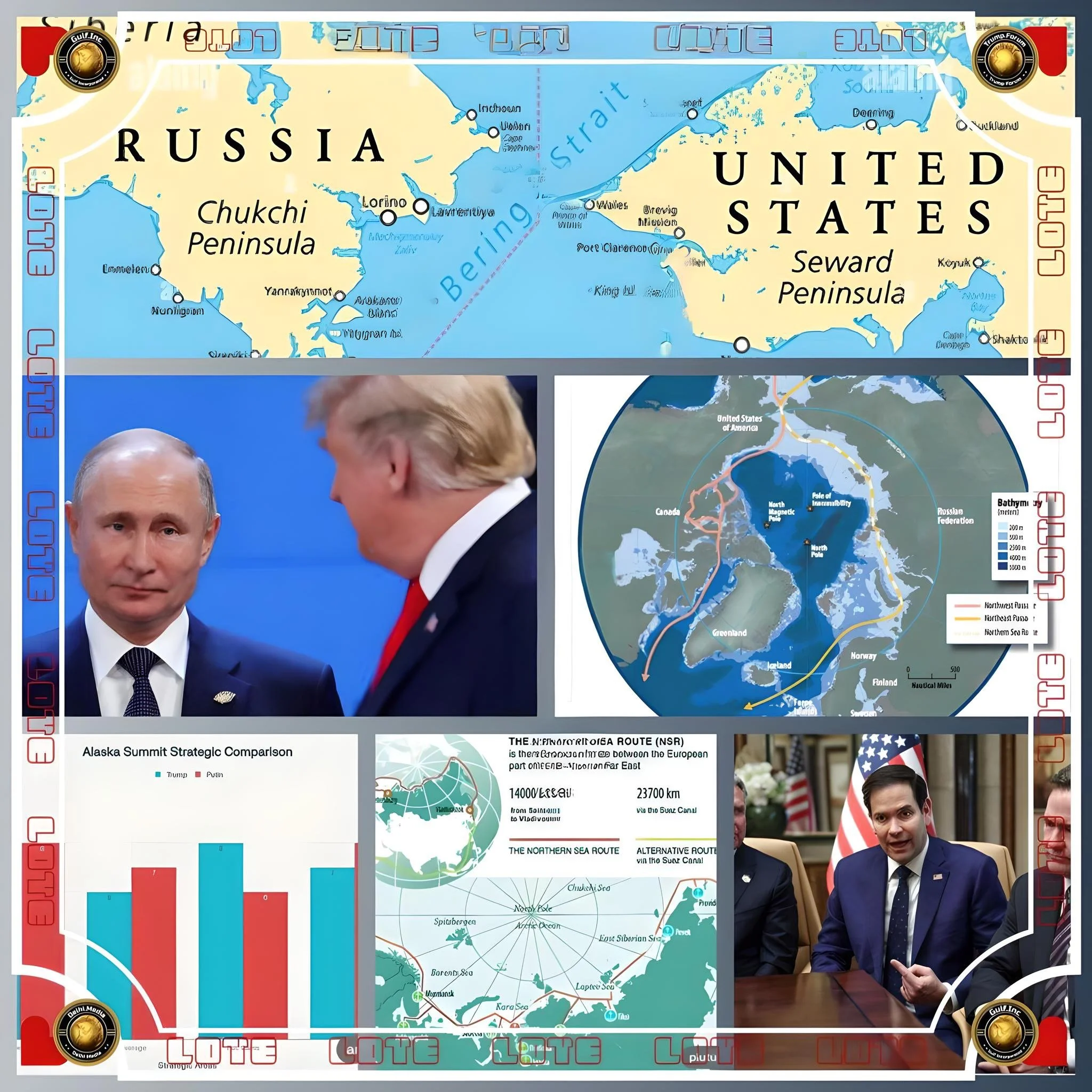
A Kremlin aide described the selection as “quite logical,” highlighting the geographical proximity of the two nations, which are separated only by the Bering Strait.
This closeness allows Putin to position the meeting as occurring on once Russian territory, potentially appealing to nationalist sentiments while circumventing the political hazards associated with traversing adversarial airspace to reach a neutral site.
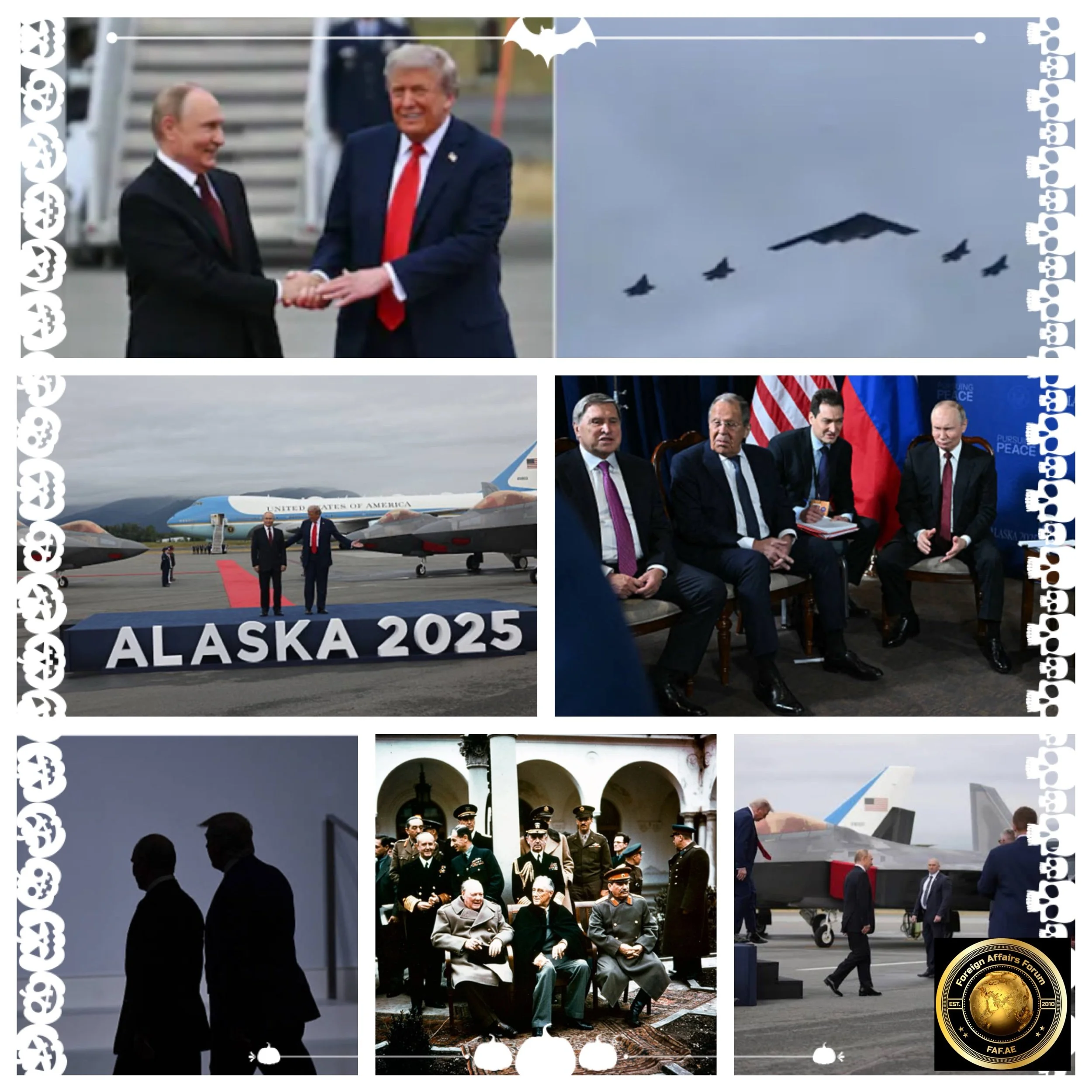
The venue also draws historical resonance from notable power summits, such as Yalta in 1945, where Stalin, Roosevelt, and Churchill delineated post-war spheres of influence—a framework that Putin openly admires and seeks to replicate.
For Trump, hosting Putin on American soil is crucial for domestic political optics, enabling him to project authority and control within the negotiation framework.
The choice of venue allows him to avoid the complexities of neutral ground or, even more disadvantageously, a meeting in Russia, while retaining the symbolic advantage of being the host.
Moreover, Alaska’s historical connection as a former Russian territory adds a layer of irony that Trump can tactfully utilize rhetorically, subtly evoking reminders of Russian territorial losses while reinforcing the narrative of American territorial permanence.
Trump’s Strategic Objectives and Potential Gains
Domestic Political Imperatives
Trump’s primary motivation centers on fulfilling his central campaign promise to end the Ukraine war within his first day in office—a deadline that has now extended beyond 200 days.
The summit represents his most significant opportunity to demonstrate progress toward this elusive goal and salvage his “peace president” narrative.
Success in brokering even a ceasefire would provide Trump with substantial domestic political capital, potentially earning him comparison to previous presidents who achieved historic diplomatic breakthroughs.
Trump faces mounting domestic pressure as his approval rating has declined to 38%, marking a six-point drop since April.
Among his supporters, only 64% approve of his handling of the Russia-Ukraine conflict—significantly lower than his 85% approval on immigration or 78% on job performance.
A successful summit outcome could reverse these trends and reinforce his image as a decisive leader capable of resolving intractable international conflicts.
Economic and Strategic Leverage
Trump approaches the negotiations with several robust leverage mechanisms that are likely to challenge Putin's strategic position.
The most impactful tool in Trump's arsenal is the imposition of secondary sanctions on nations purchasing Russian oil, notably targeting India and China.
This approach was highlighted when Trump enacted a 50% tariff on Indian imports as a punitive measure for continued engagement with Russian energy sources.
This strategy poses a direct threat to Russia's economic stability, as energy exports form the bedrock of Putin's wartime economy.
The prospect of extending these secondary sanctions to China—Russia's principal energy customer—embodies Trump's most formidable bargaining strength.
The oil trade with China and India is vital for Russia, providing critical foreign currency reserves that support its military expenditures in Ukraine.
By implying the potential to disrupt these economic ties, Trump may compel Putin to confront a dilemma: persist with military aggression or face severe economic repercussions.
Additionally, Trump has recalibrated the framework for U.S. military assistance to Ukraine.
By permitting NATO allies to procure American weapons for subsequent transfer to Ukraine, he sustains Ukrainian resistance while simultaneously distancing the U.S. from direct military involvement.
This approach preserves political capital domestically by avoiding overt American military engagement while intensifying pressure on Russian forces.
Arctic and Economic Considerations
The Alaska summit serves as a platform for exploring broader Arctic collaborations, which could unveil substantial economic prospects for both countries.
The Arctic region is estimated to hold approximately 13% of the world’s undiscovered oil reserves and 30% of its natural gas resources.
As climate change accelerates the melting of Arctic ice, new shipping routes, such as the Northern Sea Route, are poised to alter global trade dynamics significantly.
Notably, a representative of Putin has cited these opportunities, emphasizing that “Alaska and the Arctic are areas where our economic interests converge, with clear opportunities for large-scale, mutually beneficial initiatives.”
For Trump, fostering Arctic cooperation could yield considerable economic advantages for American energy firms while establishing avenues for bilateral collaboration that extend beyond the Ukraine conflict.
Trump may negotiate U.S. participation in Arctic energy extraction endeavors, granting American companies access to vast, untapped resources.
This strategy could provide Putin with economic incentives to negotiate an end to the conflict in Ukraine.
Such agreements would exemplify Trump's capacity to forge “win-win” arrangements that serve American economic interests while offering Russia viable alternatives to military escalation.
Putin’s Strategic Objectives and Leverage
International Legitimacy and Great Power Status
Military and Economic Leverage
Despite international isolation and economic sanctions, Putin retains several significant leverage points that strengthen his negotiating position.
Russian forces have made incremental territorial gains in eastern Ukraine throughout 2025, demonstrating their ability to continue military operations indefinitely.
These battlefield successes provide Putin with negotiating strength, as he can credibly threaten continued military escalation if diplomatic solutions prove unsatisfactory.
Russia’s economic resilience has exceeded Western expectations, with energy exports to China and India providing crucial foreign currency revenues despite sanctions.
Putin can point to Russia’s ability to sustain its war economy as evidence that Western pressure tactics have failed to achieve their intended objectives.
This economic endurance gives Putin time to wait for better negotiating conditions rather than accepting unfavorable terms due to immediate economic pressure.
Putin’s nuclear arsenal remains his ultimate leverage mechanism, providing him with escalation options that constrain Western responses.
While direct nuclear threats are unlikely, the implicit threat of escalation shapes Western decision-making and limits the scope of military aid provided to Ukraine.
Trump’s recent decision to position nuclear submarines in response to Russian nuclear rhetoric demonstrates the continued relevance of nuclear considerations in the conflict.
The Alaska venue highlights the growing importance of Arctic geopolitics in shaping U.S.-Russia relations.
Climate change is rapidly transforming the Arctic into a navigable region with immense strategic and economic potential.
The Northern Sea Route along Russia’s Arctic coast could reduce shipping times between Asia and Europe by up to 40%, potentially challenging traditional maritime chokepoints like the Suez Canal.
Russia currently dominates Arctic shipping through its extensive icebreaker fleet and control over the Northern Sea Route.
However, this dominance comes with substantial costs, as Russia charges significant fees for icebreaker escorts that can range from $100,000 to $300,000 per voyage.
American participation in Arctic development could provide Russia with additional revenue streams while giving the United States strategic access to this emerging maritime corridor.
The Arctic contains vast untapped energy reserves that could reshape global energy markets.
American energy companies possess advanced extraction technologies that could unlock these resources more efficiently than Russian capabilities alone.
Joint U.S.-Russia Arctic development projects could provide both nations with significant economic benefits while creating mutual dependencies that discourage future conflicts.
For Trump, Arctic cooperation represents an opportunity to demonstrate his deal-making abilities while securing American access to crucial future resources.
For Putin, such cooperation provides economic alternatives to military expansion while maintaining Russia’s traditional dominance in the region.
The Alaska summit venue symbolically emphasizes these opportunities by taking place in America’s Arctic territory with clear sight lines to Russian territory across the Bering Strait
The upcoming Alaska summit represents a pivotal juncture for Vladimir Putin, affording him an opportunity to alleviate Russia's international isolation and reassert its status as a great power deserving of parity with the United States.
Since the onset of Russia's invasion of Ukraine in 2022, Western states have largely marginalized Putin, relegating him to the status of a pariah leader.
The very willingness of an American president to engage him in direct dialogue signals a measure of legitimacy and acknowledgment of Russia's enduring geopolitical significance.
Putin perceives international relations through a framework of great power competition, positing that dominant states should allocate the world into spheres of influence.
The bilateral nature of the Alaska summit—intentionally omitting Ukraine from preliminary discussions—affirms Putin's preferred paradigm in which major powers negotiate the fates of smaller nations, rather than recognizing them as sovereign equals.
This approach draws a parallel to Stalin’s role at the Yalta Conference, where the Soviet Union, United States, and Britain delineated post-war European conditions.
The timing of the summit affords additional diplomatic leverage to Putin.
Following the Alaska meeting, he is set to attend the Shanghai Cooperation Organization summit in China, facilitating a meeting with Xi Jinping.
This sequential diplomatic engagement allows Putin to convey to Chinese leadership his ability to maintain constructive relations with both major powers, thereby potentially bolstering his negotiating position vis-à-vis Beijing and reinforcing the bilateral Russia-China strategic partnership against Western hegemony.
Regarding territorial and strategic objectives in Ukraine, Putin's primary aim is to secure formal recognition of Russian territorial acquisitions while obstructing Ukraine's NATO aspirations.
Current negotiations suggest that Russia seeks to retain control over the Donetsk and Luhansk regions and Crimea, with the possibility of withdrawing from other occupied areas such as parts of Zaporizhzhia and Kherson.
Such a settlement would yield significant territorial gains that Putin could present to the Russian populace as rationalization for the war's substantial economic costs.
In addition to territorial consolidation, Putin's strategic objectives encompass guarantees against Ukraine's NATO accession and agreements to limit NATO's military footprint in Eastern Europe.
These stipulations reflect his long-standing opposition to NATO's eastward expansion, which he has consistently framed as an existential threat to Russian national security.
Securing such guarantees would constitute a strategic win with ramifications extending beyond Ukraine, potentially restructuring the European security landscape in favor of Russia.
Furthermore, Putin seeks the lifting of Western sanctions that have hindered Russian economic growth and confined the nation within international financial systems.
Alleviation of these sanctions would yield immediate economic benefits while showcasing Putin's capacity to extract Western concessions through military leverage.
The $300 billion in frozen Russian sovereign assets held in Western financial institutions is a particular priority, as their repatriation would provide critical resources for post-conflict reconstruction and economic revitalization.
Nuclear Arms Control and Strategic Stability
The upcoming Alaska summit represents a critical juncture for U.S.-Russia arms control, particularly as both countries confront the declining efficacy of existing agreements—historically pivotal in mitigating bilateral tensions.
The New START Treaty, which is slated to lapse in February 2026, is currently in limbo; Putin's suspension of Russian participation in February 2023, driven by escalating hostilities related to Ukraine, exacerbates the situation.
The absence of renewed agreements heightens the risk of a nuclear arms race, reminiscent of the Cold War era.
Former President Trump could utilize nuclear arms control discussions strategically, offering Putin a platform for reaffirming Russia's great power status while simultaneously advancing U.S. strategic interests focused on stability.
Historically, U.S.-Russia summits have yielded significant arms reduction agreements, from the SALT treaties of the 1970s to New START in 2010. New agreements in this domain would afford both leaders tangible achievements that transcend the Ukraine crisis.
For Putin, engaging in nuclear negotiations serves as validation of Russia's status as a superpower and its parity with the United States.
For Trump, successful negotiations could reflect his acumen in managing great power relations while addressing nuclear risk concerns among the American electorate. Additionally, such agreements might lay the groundwork for broader bilateral cooperation that could persist beyond the current geopolitical turmoil.
Challenges and Limitations for Both Leaders
Trump’s Vulnerabilities
Despite potential leverage, Trump faces substantial risks that could compromise his negotiating stance.
Ukraine’s unwavering resistance to territorial concessions presents a significant barrier to any comprehensive agreement.
President Zelenskyy has firmly articulated that “Ukrainians will not gift their land to the occupier,” indicating that any arrangements contravening Ukrainian interests could be deemed illegitimate and unfeasible.
Concerns regarding European allies being excluded from negotiations that impact their security have been voiced by prominent leaders, including British Foreign Secretary David Lammy and French President Emmanuel Macron, emphasizing the necessity of Ukrainian participation in any credible peace process.
Should Trump appear to negotiate over the heads of European partners, it could jeopardize NATO cohesion and undermine long-term alliances.
Domestically, Trump’s political standing is precarious, characterized by declining approval ratings and rising scrutiny of his administrative handling of various issues.
A failure at the Alaska summit—particularly if Putin disengages from talks—would risk portraying Trump as weak and ineffective.
His previous pattern of extending deadlines and issuing unfulfilled threats has already led to diminished credibility in his dealings with Russia.
Putin’s Constraints
Conversely, Putin is contending with significant constraints that restrict his negotiating latitude. The war's staggering toll, with projected Russian military losses potentially nearing one million casualties, has intensified domestic pressures for tangible successes.
Any agreement that appears to inadequately justify these sacrifices risks widespread discontent and skepticism among the Russian populace.
Moreover, international legal challenges, notably the arrest warrant issued by the International Criminal Court for alleged war crimes linked to the deportation of Ukrainian children, severely constrains Putin's international mobility.
Although the Alaska summit offers a secure environment, Putin's status as an international pariah complicates broader diplomatic endeavors.
Economically, while Russia's situation has proven more resilient than initial forecasts predicted, signs of strain are becoming increasingly evident, with rising inflation and resource depletion due to the extended military campaign.
Putin is in dire need of economic relief, either via sanctions relief or alternative revenue streams, yet these gains necessitate Western cooperation—something that may present political challenges for Trump to orchestrate without obtaining substantive Russian concessions.
Historical Precedents and Lessons
The Alaska summit inevitably evokes parallels to previous diplomatic engagements between the U.S. and Russia, particularly the contentious 2018 Helsinki meeting, during which President Trump notably appeared to favor President Putin's stance over that of U.S. intelligence agencies concerning electoral interference.
The fallout from Helsinki resulted in considerable domestic backlash against Trump, reinforcing narratives of his perceived subservience to Putin.
As Trump approaches the Alaska summit, these historical contexts shape both expectations and rhetorical constraints on his part. A more distant, yet pertinent comparison is the Yalta Conference, which Putin explicitly lauds.
At Yalta, Stalin effectively established Soviet preeminence in Eastern Europe through direct negotiations with Roosevelt and Churchill, delineating spheres of influence that endured throughout the Cold War.
This historical admiration suggests that Putin perceives the Alaska summit as an opportunity to engineer similar great power accommodations at the expense of Ukraine.
Conversely, historical examples also expose the inherent limitations of summit diplomacy. The 1986 Reykjavik summit between Reagan and Gorbachev came close to achieving significant nuclear agreements but ultimately faltered due to stark disagreements over missile defense systems.
Similarly, the 1961 Vienna meeting between Kennedy and Khrushchev was followed by heightened tensions, culminating in the construction of the Berlin Wall.
Such precedents illustrate that while personal diplomacy can be symbolically potent, it often fails to resolve core strategic conflicts.
Implications for Global Order
The outcomes of the Alaska summit are poised to have far-reaching implications, extending well beyond U.S.-Russia relations and potentially reshaping global perceptions of American leadership and the broader international order.
Should Trump successfully negotiate a resolution regarding Ukraine that seemingly tolerates Russian territorial advances, it could embolden other revisionist states to pursue territorial gains via military coercion.
Of particular concern is China’s posture towards Taiwan, which may be influenced by precedents set during the Ukraine negotiations.
On the other hand, if Trump can leverage U.S. economic influence to secure Russian concessions and a withdrawal from occupied territories, it would bolster perceptions of ongoing American hegemony.
This outcome would enhance deterrent effects against future aggression and validate the efficacy of economic sanctions as viable alternatives to military intervention.
The summit’s implications extend to the dynamics of alliances and multilateral frameworks. European apprehensions about American unilateralism in negotiating without their involvement reflect broader anxieties regarding U.S. commitment to collaborative decision-making.
Should Trump choose to bypass established alliance consultation protocols, it may catalyze initiatives for European strategic autonomy and diminish American leverage within European security policy.
Conclusion
Asymmetric Objectives and Uncertain Outcomes
The Alaska summit encapsulates a convergence of asymmetric objectives and leverage strategies that present both opportunities and risks for the involved leaders.
Trump aims to fulfill domestic political commitments while wielding American economic power to extract concessions from Russia, framing himself as an adept dealmaker capable of resolving protracted conflicts.
In parallel, Putin seeks to attain international legitimacy and territorial advantages while attempting to fracture Western alliances and re-establish Russia’s stature as a great power through direct engagement with the United States.
The geographical significance of Alaska—historically Russian territory that now represents American sovereignty—symbolizes the intricate historical and strategic dynamics at play in this diplomatic encounter.
Both leaders recognize that the ramifications extend well beyond the Ukrainian context, encompassing fundamental debates about international order, alliance cohesion, and great power rivalry in the 21st century.
Success for either leader hinges not only on adept negotiation strategies and leverage mechanisms but also on their capacity to navigate domestic political landscapes, international alliances, and the weight of historical precedents that shape their respective options.
The Alaska summit has the potential to serve as a pivotal juncture in modern international relations, though the resultant trajectory—whether toward sustainable peace or further escalation—remains an open question influencing global politics for the foreseeable future.
The convergence of Arctic geopolitics, nuclear arms control, territorial disputes, and great power competition creates a uniquely intricate diplomatic landscape in which both leaders have substantial stakes, and potentially significant risks.