Trump-Putin Summit: A Critical Examination of Diplomatic Neglect in the Context of Stalled Gaza Ceasefire Negotiations. Key Insights from the Pivotal Meeting in Alaska.
Executive Summary
The forthcoming summit between former President Donald Trump and President Vladimir Putin, to be convened in Alaska, has ignited discussions around its potential repercussions, particularly concerning the stalled ceasefire negotiations in Gaza.
Positioned amid significant geopolitical tensions and humanitarian crises, this meeting serves as a critical lens through which to analyze contemporary international diplomacy.
Key topics on the agenda are expected to encompass regional stability and global security frameworks.
FAF suggest that the involvement—or lack thereof—of European stakeholders in the U.S.-Russia discussions may significantly affect ongoing peace initiatives in the region.
Historically, both Russia and Israel have demonstrated a resolute commitment to their strategic goals, despite temporary ceasefire agreements, with Russia pursuing ambitions reflective of a revived imperial agenda that aligns with Netanyahu’s vision for a Greater Israel.
The anticipated dialogue will likely underscore the contrasting foreign policy paradigms of the two leaders; Trump's predominantly transactional approach diverges markedly from Putin's more nuanced and strategically calculated tactics.
The outcomes of this high-stakes engagement may offer insights into whether U.S.-Russia relations will trend toward cooperation or continued friction, especially regarding Middle Eastern conflicts.
Consequently, this summit not only encapsulates the personal ambitions of Trump and Putin but also highlights the intricate geopolitical dynamics that hinder humanitarian interventions in volatile areas like Gaza.
The aftermath of this pivotal meeting is poised to influence the structural frameworks of future negotiations and shape the dynamics of how global leaders engage in their quest for peace.
Introduction
The upcoming summit between U.S. President Donald Trump and Russian President Vladimir Putin, scheduled for August 15, 2025, at Joint Base Elmendorf-Richardson, Anchorage, Alaska, is garnering significant global attention.
This meeting unfolds against the protracted backdrop of the Russia-Ukraine war and has drawn parallels to pivotal historical diplomatic encounters, notably President Richard Nixon’s 1972 visit to China, which he termed “the week that changed the world.”
Summit Logistics
Location and Timing
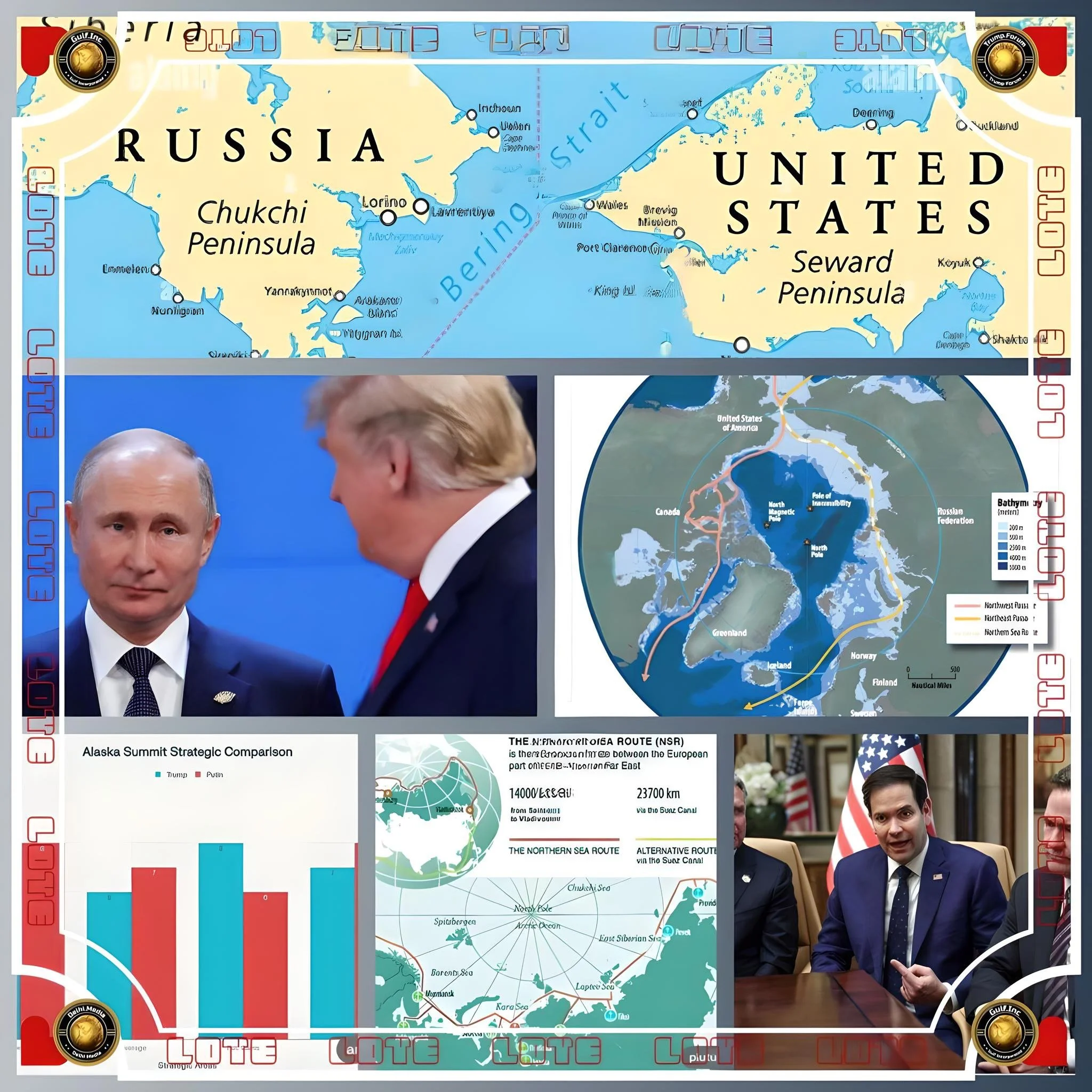
The choice of Alaska as the meeting venue, determined under time constraints due to summer tourism pressures, holds historical significance as Russia sold Alaska to the U.S. in 1867 for $7.2 million.
This location not only underscores the historical ties between the two nations but also sets an intriguing stage for bilateral negotiations.
Format
White House Press Secretary Karoline Leavitt has characterized this summit as a “listening exercise” for Trump, with structured one-on-one discussions between the two leaders, accompanied solely by interpreters.
This marks Putin’s first visit to the U.S. in a decade and his eighth during his presidency, highlighting a notable inflection point in bilateral relations.
Contextual Background
The summit is a direct outcome of recent diplomatic activity, including discussions led by Trump’s special envoy, Steve Witkoff, in Moscow on August 6.
These talks were described as “highly productive” and served as a precursor to the summit, replacing the anticipated sanctions Trump had previously hinted at unless a ceasefire was reached.
Strategic Stakes and Objectives
Trump has characterized the forthcoming meeting with Putin as a pivotal moment to evaluate the sincerity of Russia's intentions regarding a ceasefire in Ukraine, a conflict that has intensified over the last three years.
He commented, “I think I’ll know within the first two minutes” whether a viable resolution is achievable.
His primary goal is to facilitate an effective temporary ceasefire, claiming his aim is to negotiate “the best deal that could be made for both parties.”
However, he has also cautioned of “very severe consequences” if Putin does not demonstrate a constructive approach following the summit, although he refrained from elaborating on the specifics of these potential repercussions.
Historically, Trump has issued numerous warnings to Russia, yet these have not resulted in any significant changes in the long-term strategies of the Russian regime.
It is imperative to consider that Russia is not only a nuclear superpower but also has substantial backing from China.
Modern China exerts considerable influence over the global economy, often perceived as leveraging its position to shape international outcomes.
This analysis highlights a subtle yet significant shift in Trump's strategic stance, particularly in the context of the recent solidarity displayed with NATO allies and Ukrainian President Volodymyr Zelenskyy.
This comes amidst ongoing skepticism surrounding Putin’s genuine commitment to advancing peace negotiations.
Ukrainian and European Concerns
Exclusion from Discussions
Zelenskyy’s absence from the summit has elicited strong reactions from Ukraine and its European allies.
Zelenskyy condemned the exclusion, stating, “Any decisions that are without Ukraine are at the same time decisions against peace. These are dead decisions.
They will never work.” This sentiment reflects the broader concerns regarding the integrity and legitimacy of any agreements reached without Ukrainian representation.
Territorial Concessions
Trump's remarks on potential “land swaps” have raised alarms.
The proposed framework may permit Russia to retain control over Crimea and substantial portions of the Donbas region while potentially ceding parts of Kherson and Zaporizhzhia.
Such arrangements would maintain nearly 20% of Ukrainian territory under Russian influence, raising significant eyebrows within the broader European context.
European Coordination Efforts
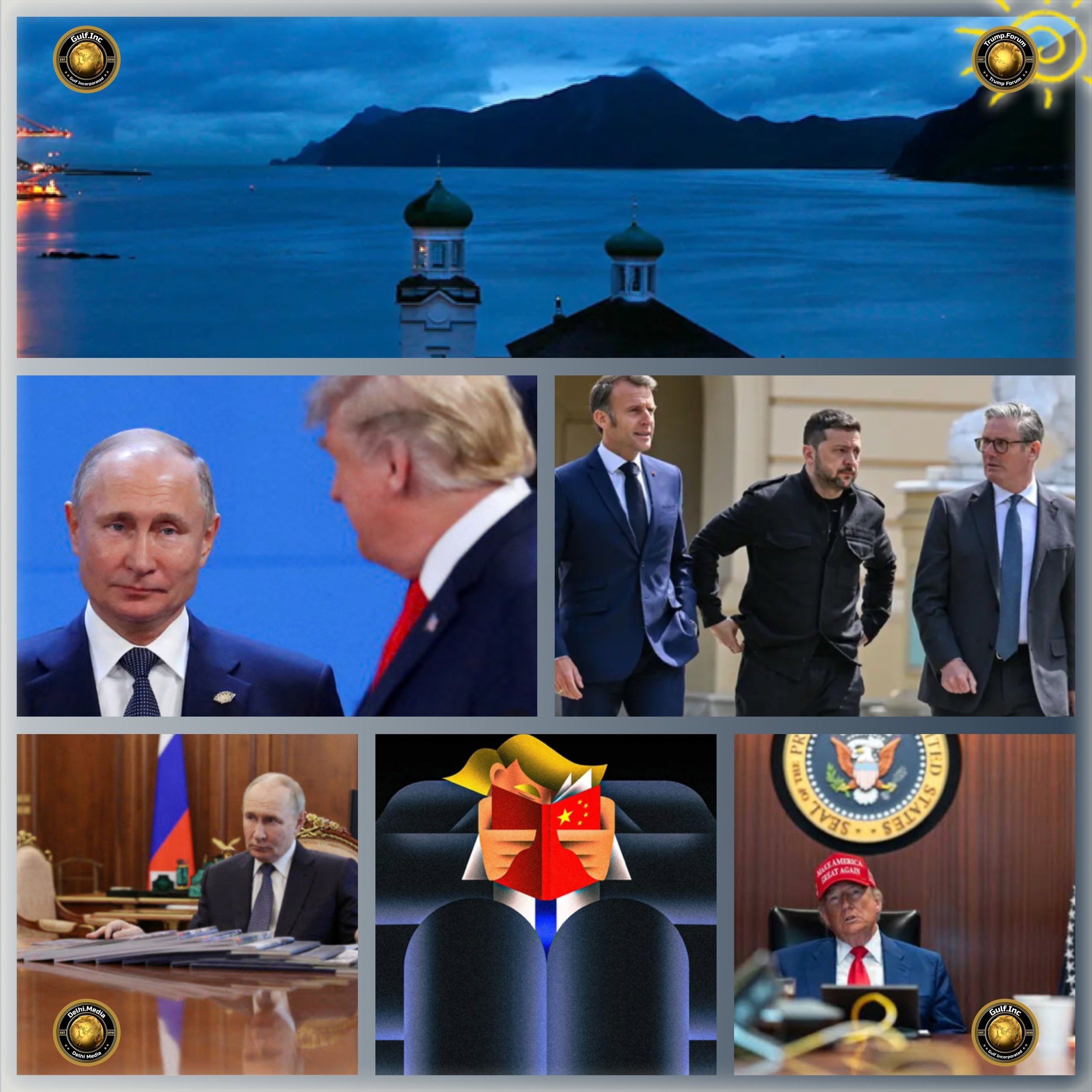
In light of these tensions, German Chancellor Friedrich Merz convened a virtual meeting involving Trump, Zelenskyy, and other European leaders, aimed at establishing a cohesive stance prior to the summit.
French President Emmanuel Macron emphasized that Trump has consented to the principle that “territorial issues relating to Ukraine… will only be negotiated by the Ukrainian president.”
Historical Context and Comparative Analysis
The Trump-Putin summit echoes historical diplomatic milestones, particularly Nixon’s 1972 engagement with China, which fundamentally reshaped international relations and helped catalyze the end of the Cold War in Asia.
Both meetings exemplify a high-stakes diplomatic gamble, laden with the potential for profound implications.
The analogous circumstances are accentuated by the controversial nature of both engagements, with Nixon facing backlash from anti-communist factions, paralleling the skepticism Trump faces regarding potential concessions to Putin perceived as appeasement.
Historical summits between the U.S. and Russia range from transformative breakthroughs to significant diplomatic failures.
The 1986 Reykjavik Summit, initially deemed unsuccessful, paved the way for later arms control agreements, while Trump’s 2018 Helsinki meeting with Putin resulted in widespread political fallout after he appeared to align with Putin over the conclusions of U.S. intelligence regarding election interference.
Putin’s Strategic Considerations
The choice of Alaska as the venue has been celebrated by Russian media, suggesting that this summit may allow Trump and Putin to delineate Ukraine’s future independent of European influence.
Some Russian analysts interpret the location’s historical connections to Russia as imbued with symbolic importance, reinforcing Putin’s geopolitical strategy during this critical juncture.
Conclusion
Donald Trump's proposal for a trilateral conference following a potentially fruitful initial summit in Alaska presents a mix of optimism and skepticism within the diplomatic community.
His statement, “If the first one goes well, we’ll arrange a swift second meeting,” underscores a proactive stance, highlighting his intention to incorporate Ukrainian President Volodymyr Zelenskyy alongside himself and Russian President Vladimir Putin, contingent on their willingness to engage.
However, many analysts express reservations regarding the likelihood of substantive outcomes from such a meeting.
Former U.S. Ambassador Donald Heflin has characterized the initiative as “amateurish and politically motivated,” suggesting it may devolve into a superficial assemblage—a mere photo op paired with a perfunctory press release—rather than producing a meaningful peace accord addressing the foundational issues of the conflict.
As the global diplomatic community monitors the implications of this potential engagement, the Alaska summit is poised to be a decisive moment that could either pave the way for peace in Ukraine or intensify existing violence and instability in the region.
Drawing historical parallels, Trump's interaction with Putin has the potential to reshape global geopolitical dynamics, reminiscent of President Nixon’s groundbreaking visit to China fifty years ago.
However, the ramifications of this meeting hinge critically on the diplomatic successes achieved—or lack thereof.
While think tanks and political analysts may capture the immediate political rhetoric, a comprehensive contextual understanding of the underlying geopolitical issues is essential.
Current dynamics reflect troubling similarities to the entrenched occupation of the West Bank, and there is considerable skepticism about Putin’s willingness to compromise, regardless of the number or nature of proposed ceasefires.
On the surface, Trump’s inclination toward advocating a temporary ceasefire may serve his aspirations for the Nobel Peace Prize.
Yet, this strategy seems more aligned with a broader U.S. geopolitical framework than with genuine humanitarian concern.
It appears designed to appease a segment of the American electorate that favors peace initiatives, regardless of their transitory nature.
Currently, Trump's strategy regarding the Russia-Ukraine conflict bears striking parallels to developments in the Israeli-Palestinian arena.
He seems to be methodically reallocating and displacing allies from key strategic positions to exert tighter control over both Ukraine and Gaza, orchestrating these changes incrementally, which could yield significant geopolitical consequences.
A candid examination of these circumstances is imperative: if European nations fail to establish a unified response to these pressing geopolitical challenges, Ukraine's situation could deteriorate considerably.
It is crucial to maintain lucidity in our observations while recognizing the complex, nuanced realities inherent in international relations, which are often inadequately appreciated.