India's Strategic Resilience: Balancing Engagement with Trump's Tariff Regime and Sustaining the Russia Alliance
Executive Summary
In recent years, India has found itself at a complex crossroads in international relations, where it must tactfully navigate the implications of tariffs imposed by the administration of former President Donald Trump, all while nurturing its longstanding partnership with Russia.
The tariffs, aimed primarily at addressing trade deficits and promoting American manufacturing, have posed significant challenges for India's economy, particularly in sectors like steel and aluminum, which face increased duties.
Despite the economic pressures, India remains committed to its deep-rooted ties with Russia, marked by decades of cooperation in defense, energy, and technology.
This partnership is particularly important as India seeks to diversify its defense procurement and energy resources, mitigating reliance on Western nations.
In this intricate geopolitical landscape, India must employ a strategic approach that not only addresses the economic repercussions of American tariffs but also safeguards its vital relationship with Russia.
By leveraging diplomatic negotiations and seeking alternative markets, India aims to reinforce its economic resilience while maintaining its position as a key player on the global stage.
Balancing these interests will require astute policymaking and an unwavering commitment to India's national priorities.
Introduction
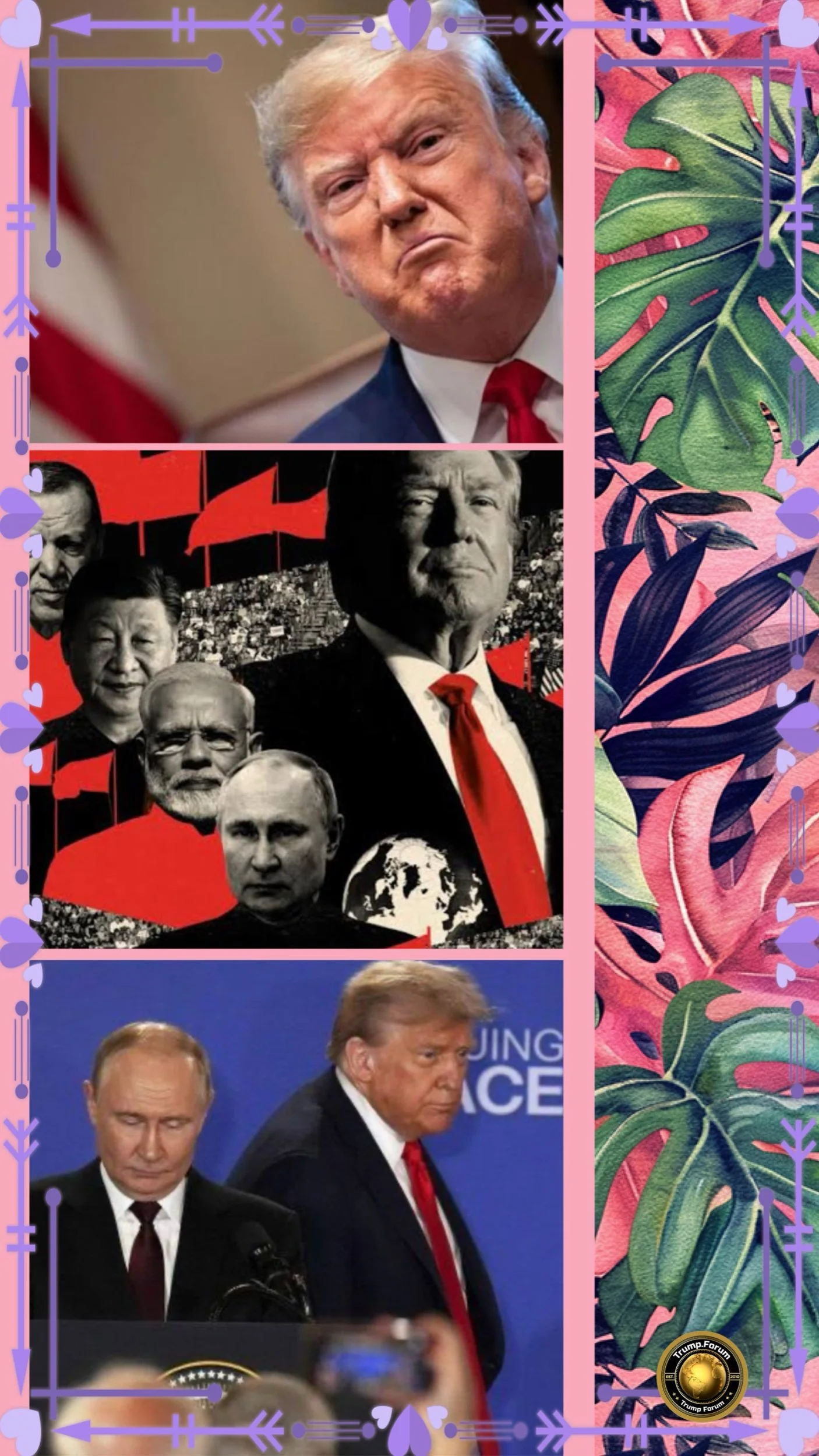
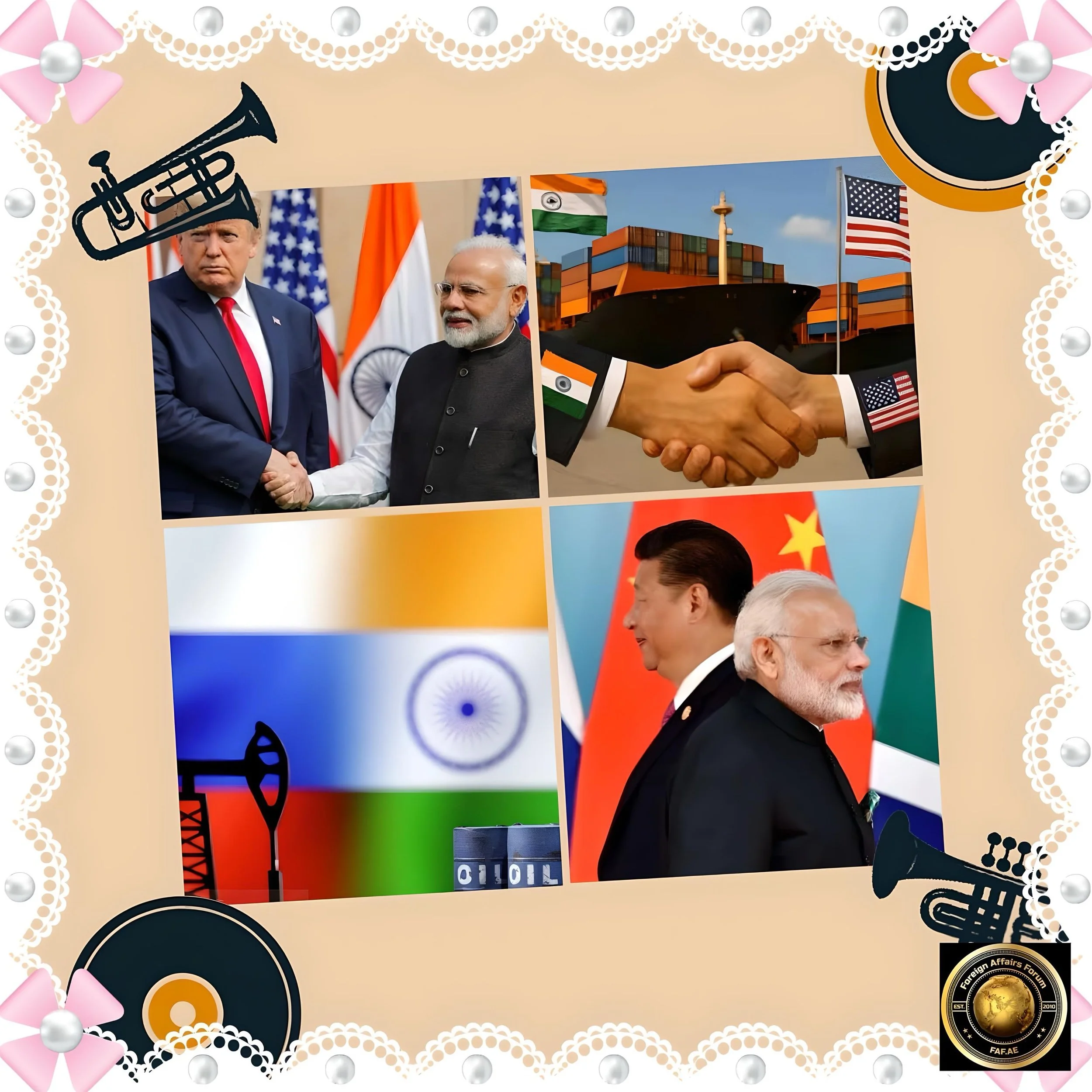
Despite facing the highest U.S. tariffs among major economies at 50 percent, India remains steadfast in its refusal to abandon its strategic partnership with Russia, demonstrating a calculated commitment to strategic autonomy that prioritizes long-term geopolitical interests over short-term economic pressures.
While Trump’s punitive measures represent the most severe trade sanctions imposed on a democratic ally in decades, India’s response reveals four fundamental pillars supporting its continued engagement with Moscow: energy security imperatives, defense cooperation dependencies, multipolar world order aspirations, and economic pragmatism rooted in national interest calculations.
The Escalation of Economic Warfare: Trump’s Progressive Tariff Strategy
The current crisis represents an unprecedented escalation in U.S.-India trade relations, evolving from routine commercial disputes to geopolitical weaponization of economic policy.
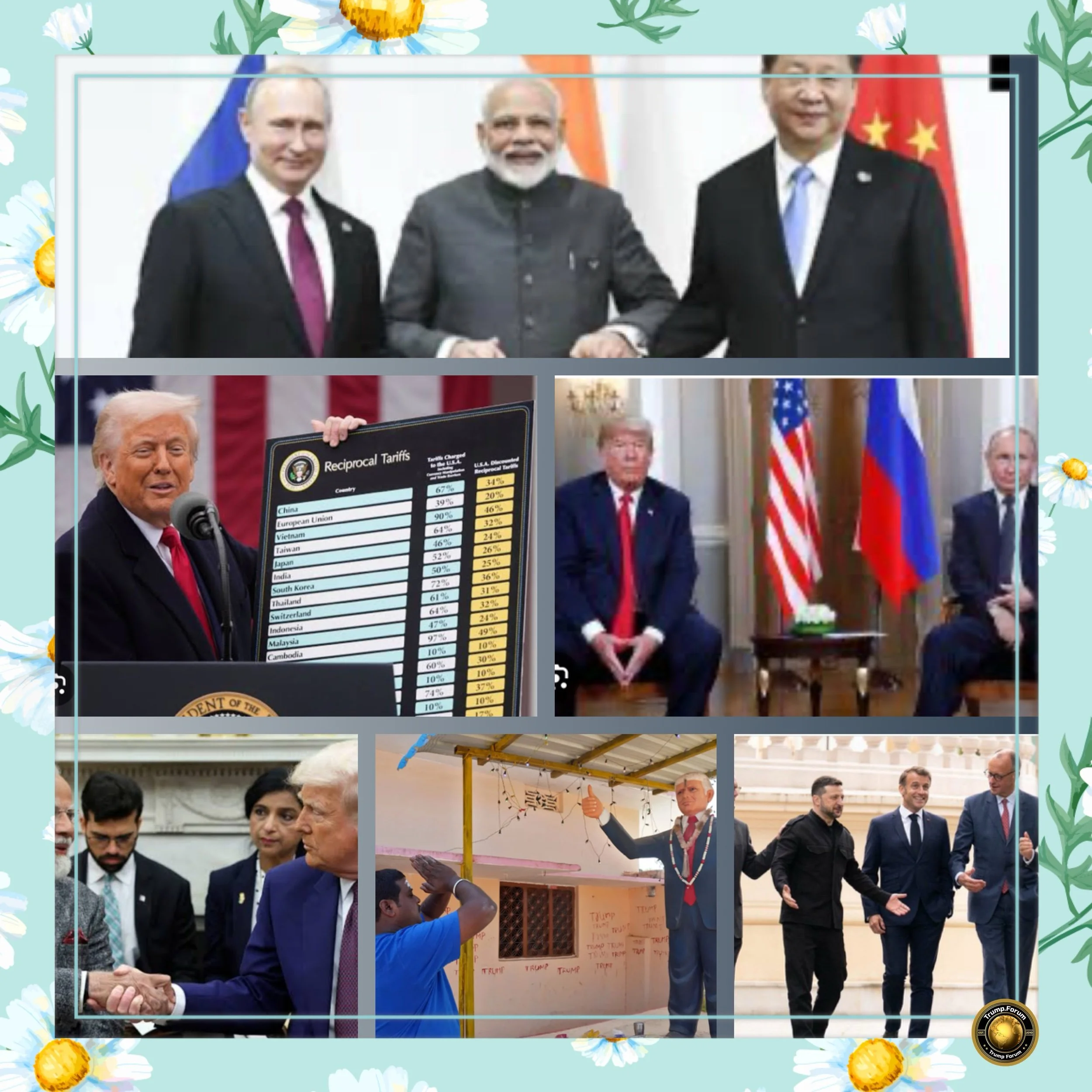
Trump’s tariff offensive began in April 2025 with a 25 percent reciprocal tariff targeting India’s overall trade surplus with the United States, which reached $41 billion in fiscal 2025.
However, the conflict intensified dramatically in August when Trump doubled the tariff rate to 50 percent, explicitly citing India’s continued imports of Russian oil as justification for this “penalty”.
The August 6 executive order titled “Further Modifying the Reciprocal Tariff Rates” represents a significant departure from traditional trade policy, as it conflates commercial and geopolitical objectives.
Trump’s statement that India “lost an oil client, so to speak, which is India, which was doing about 40 percent of the oil” demonstrates the administration’s belief that economic pressure can force strategic realignment.
This approach places India alongside Brazil as facing the highest U.S. tariff rates globally, while notably sparing China despite its status as Russia’s largest oil customer.
Economic Impact and Industry Response
The tariff escalation poses severe challenges to India’s export-dependent sectors, particularly textiles, gems and jewelry, marine products, and automotive components.
Industry analyses suggest that approximately 87 percent of India’s $86.5 billion in annual exports to the United States could become economically unviable under the 50 percent tariff regime.
The Federation of Indian Export Organisations has characterized the move as “extremely shocking,” warning of potential job losses across labor-intensive industries.
The gems and jewelry sector, which employs over 2 million workers and supplies 14 out of 15 cut diamonds globally, faces particularly acute disruption.
Diamond exporter Dimpal Shah reported that “U.S. buyers are declining to accept shipped products citing high tariffs,” describing this as “the most challenging period in my two-decade career”.
The effective tariff rate on gems now reaches 52.1 percent when combined with existing levies, threatening India’s dominance in global diamond supply chains.
India’s Energy Security Calculus: The Strategic Shift to Russian Oil
India’s energy import strategy underwent a fundamental transformation following Russia’s invasion of Ukraine in February 2022, driven by both economic opportunity and supply chain diversification imperatives.
Prior to the conflict, Russian crude accounted for merely 2.5 percent of India’s total oil imports.
By 2025, Russia had become India’s largest oil supplier, providing 35-40 percent of the country’s crude oil requirements, equivalent to approximately 1.75-1.8 million barrels per day.
This dramatic reorientation reflects India’s pragmatic response to market conditions rather than ideological alignment with Moscow.
As traditional suppliers redirected their exports to Europe following the Ukraine conflict, India seized the opportunity to secure discounted Russian crude at prices $1-3 per barrel below market rates.
Indian refiners have leveraged their high-complexity facilities to exploit price arbitrage opportunities, refining discounted Russian crude into diesel and jet fuel for re-export to European markets.
Energy Security vs. Economic Pressure
India’s defense of its Russian oil imports rests on three core arguments: national energy security requirements, economic rationality, and Western hypocrisy in continued Russian trade.
External Affairs Ministry spokesperson Randhir Jaiswal emphasized that “India will take all necessary measures to safeguard its national interests and economic security,” characterizing American tariff threats as “unjustified and unreasonable”.
The government has highlighted that the United States actively encouraged Indian purchases of Russian oil at the conflict’s outset “to strengthen global energy market stability”.
This historical context undermines Trump’s current position, as does continued U.S.-Russia trade valued at approximately $3.5 billion annually despite extensive sanctions. India’s argument that “the very countries criticizing India are themselves engaging in trade with Russia” exposes the selective nature of American pressure.
The Russia-India Strategic Partnership Foundation
Defense Cooperation Architecture
The India-Russia defense relationship represents one of the most comprehensive military partnerships in contemporary international relations, institutionalized through the Inter-Governmental Commission on Military and Military-Technical Cooperation (IRIGC-M&MTC) and elevated to a “Special and Privileged Strategic Partnership” in 2010.
This cooperation encompasses joint development, co-production, and technology transfer across multiple defense domains, evolving from a traditional buyer-seller framework to collaborative innovation.
Key defense projects illustrate the depth of bilateral cooperation.
The S-400 air defense system, capable of intercepting threats within a 2-400 kilometer range, provides India with advanced aerial protection capabilities.
The BrahMos supersonic cruise missile, jointly developed by both nations, represents one of the world’s fastest missile systems at Mach 3 speeds with a 300-kilometer range.
The SU-30 MKI fighter jets form the backbone of the Indian Air Force, while ongoing projects include nuclear submarine development and the licensed production of AK-203 rifles.
Russian arms supplies have historically dominated India’s defense imports, though this dependence has gradually diversified.
According to SIPRI data, Russia supplied 36 percent of India’s arms imports in 2020-2024, declining from 55 percent in 2015-2019 but remaining the largest single supplier.
This relationship extends beyond hardware to include training programs, joint exercises, and strategic consultations that would be difficult to replicate with alternative partners.
Institutional Mechanisms and Diplomatic Architecture
The bilateral relationship operates through multiple institutional frameworks designed to ensure comprehensive cooperation across strategic domains.
The 2+2 Dialogue, launched in December 2021, brings together Foreign and Defense Ministers from both countries for high-level strategic consultations.
The India-Russia Intergovernmental Commission (IRIGC) maintains two divisions: Trade, Economic, Scientific, Technological and Cultural Cooperation (IRIGC-TEC) and Military & Military-Technical Cooperation (IRIGC-M&MTC).
Recent high-level engagements demonstrate the partnership’s resilience despite external pressures.
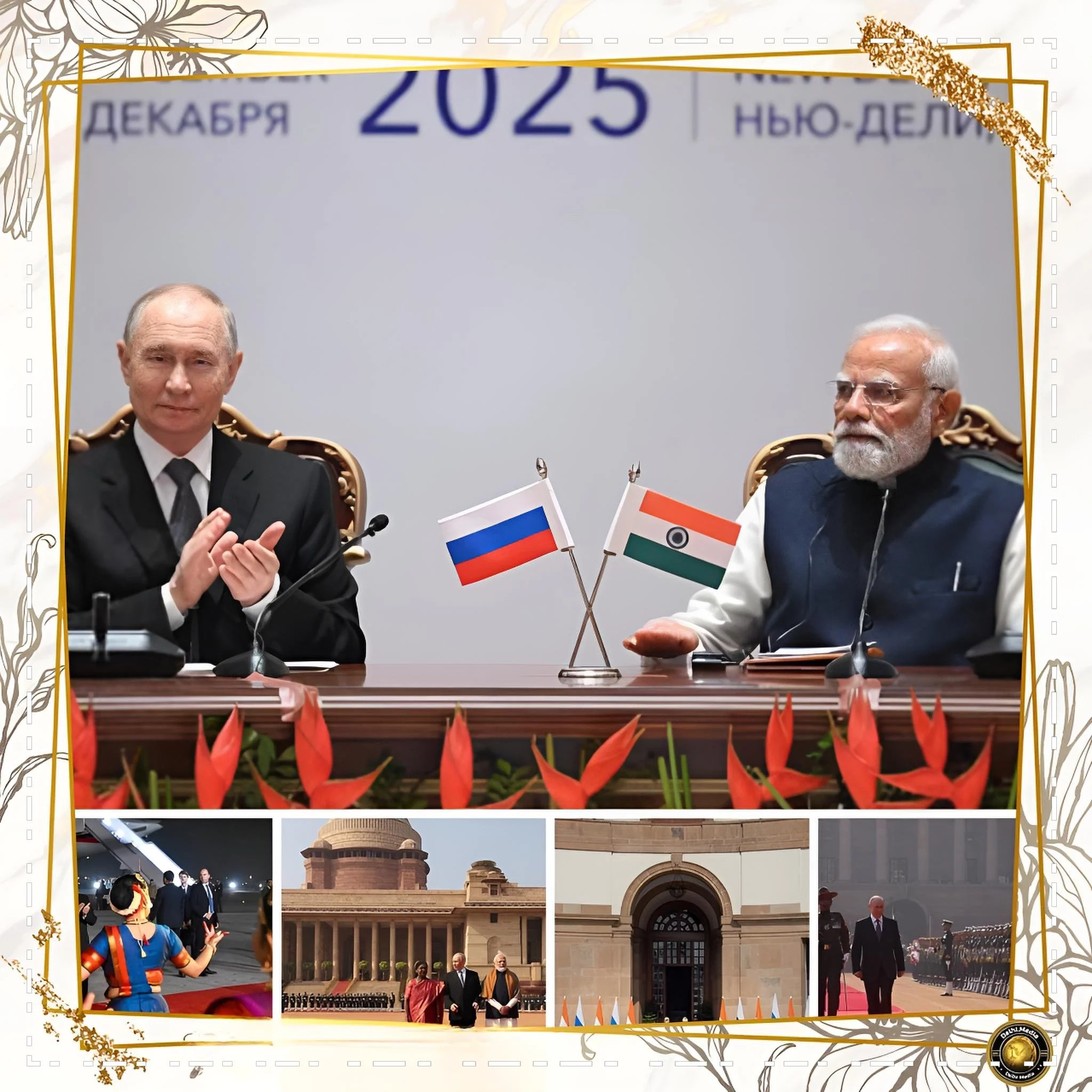
In August 2025, Indian National Security Advisor Ajit Doval met with Russian President Vladimir Putin and Security Council Secretary Sergei Shoigu, reaffirming both nations’ commitment to “further active collaboration to establish a new, more equitable, and sustainable global order”.
These meetings occurred immediately after Trump’s tariff announcement, signaling India’s determination to maintain strategic autonomy.
The Multipolar World Order Vision: India’s Strategic Autonomy Doctrine
India’s foreign policy approach of “multi-alignment” represents a conscious evolution from Cold War-era non-alignment to active engagement with multiple power centers simultaneously.
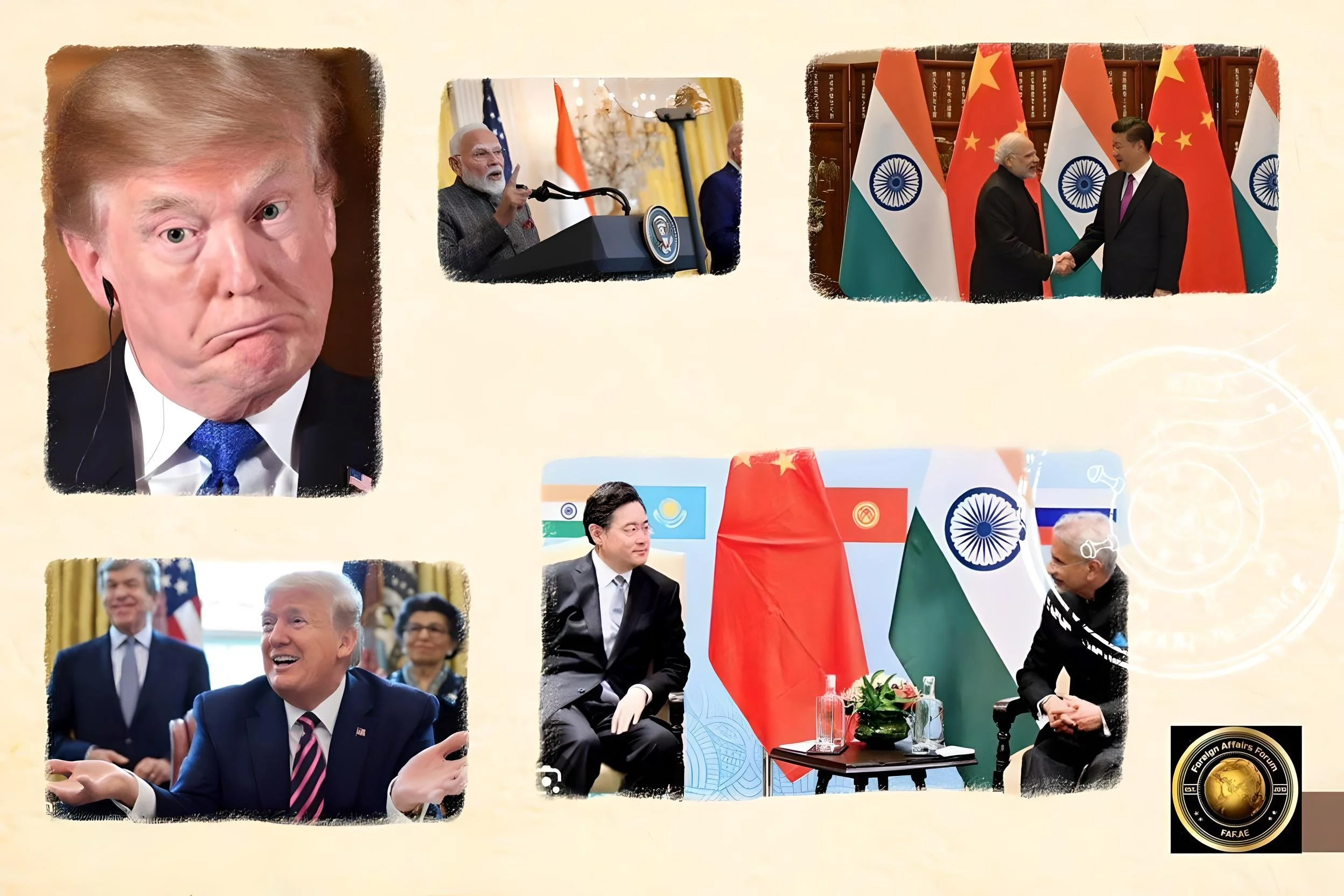
This strategy allows India to pursue relationships with Western allies through frameworks like the Quad while maintaining partnerships with Eurasian powers through BRICS and the Shanghai Cooperation Organisation.
The approach reflects India’s aspiration to become a “leading power” in a multipolar world rather than a subordinate ally in a unipolar system.
Prime Minister Narendra Modi’s August 2025 Independence Day address encapsulated this stance, declaring that India would “never accept any compromise regarding our farmers, their livestock rearers and fishermen” and would not bow to external pressure even if it meant paying a “very heavy personal price”.
This defiance extends beyond agricultural protections to encompass broader sovereignty principles, including the right to choose trading partners based on national interest rather than alliance obligations.
BRICS and Alternative Institutional Architecture
India’s participation in BRICS reflects its commitment to creating alternative institutional mechanisms that challenge Western-dominated global governance structures.
The organization’s expansion in 2024-2025 to include Egypt, Ethiopia, Iran, UAE, Saudi Arabia, and Indonesia has created a coalition representing 45 percent of global population and 35 percent of world GDP measured by purchasing power parity.
However, India approaches BRICS expansion with strategic caution, viewing it primarily as an economic rather than geopolitical grouping unlike China and Russia’s preferences for explicit Western confrontation.
India has resisted proposals for aggressive de-dollarization while supporting bilateral trade settlements in national currencies.
This nuanced approach reflects India’s desire to expand its global influence without completely alienating Western partners.
The recent BRICS Industry Ministers’ Meeting in Brasília highlighted India’s leadership in alternative cooperation frameworks, with New Delhi launching the BRICS Startup Knowledge Hub as the first dedicated platform for cross-border startup collaboration among member countries.
India’s emphasis on principles of “Sahyog (Collaboration), Samanjasya (Harmony), Samagrata (Inclusiveness), and Sarvasammati (Consensus)” demonstrates its vision for inclusive global governance.
Russia’s Support Mechanisms for Allies: Economic and Financial Lifelines
Russia has developed sophisticated mechanisms to support allies facing Western sanctions, creating parallel financial and trade systems that reduce dependence on dollar-dominated institutions.
The expansion of yuan-based trade settlements and connection of thirty Russian banks to China’s Cross-Border Interbank Payment System (CBIPS) provides alternative payment mechanisms for sanctioned transactions.
These arrangements benefit India and other Russian partners by enabling continued trade despite Western financial restrictions.
The “no limits” strategic partnership between Russia and China, formalized in joint statements condemning U.S. “unilateralism, hegemonism, bullying, and coercive practices,” creates a foundation for coordinated resistance to Western pressure.
Both countries have pledged to “strengthen coordination and jointly respond firmly to the United States’ policy of ‘dual containment’”.
This partnership extends material support to allies through discounted energy supplies, alternative payment systems, and diplomatic backing in international forums.
Military and Strategic Coordination
Recent joint military exercises between Russia and China in the Asia-Pacific demonstrate coordinated support for allies facing Western pressure.
The announcement of joint naval patrols following five days of coordinated exercises in the Sea of Japan signals enhanced military cooperation designed to counter U.S. military presence in the region.
These activities provide strategic reassurance to partners like India that alternative security architectures exist beyond Western-dominated alliances.
Russia’s diplomatic support extends to international forums where it advocates for partners’ rights to autonomous decision-making.
Kremlin spokesman Dmitry Peskov’s statement that “sovereign countries must have and do have the right to choose their trade partners” directly supports India’s position against U.S. tariff pressure. This diplomatic backing reinforces the legitimacy of India’s strategic autonomy approach.
Geopolitical Implications and Future Trajectories: The Alaska Summit and Strategic Calculations
The August 15-16, 2025 Trump-Putin summit in Alaska failed to achieve the ceasefire agreement Trump sought, but demonstrated the limits of economic pressure in forcing strategic concessions. Putin’s ability to secure high-profile diplomatic engagement without making substantive concessions on Ukraine validates the Russian approach of patient resistance to Western demands.
For India, this outcome reinforces the viability of maintaining partnerships with sanctioned powers despite short-term costs.
Trump’s post-summit indication that he “may not have to” impose additional secondary tariffs suggests recognition that economic pressure alone cannot reshape fundamental geopolitical alignments.
His statement that Putin “lost an oil client, so to speak, which is India” appears to reflect wishful thinking rather than accurate assessment of Indian policy.
The continued postponement of India-U.S. trade negotiations and Trump’s acknowledgment of limited progress indicate the failure of coercive diplomacy.
The Broader Challenge to U.S. Hegemony
India’s resistance to U.S. tariff pressure represents a broader challenge to American hegemonic assumptions in the multipolar transition.
Unlike the Cold War era when countries faced binary choices between superpowers, contemporary middle powers possess multiple partnership options that reduce vulnerability to pressure from any single actor.
India’s ability to simultaneously engage with the United States through the Quad while maintaining privileged partnerships with Russia demonstrates this new strategic flexibility.
The asymmetric nature of contemporary multipolarity allows countries like India to leverage relationships with multiple power centers while avoiding exclusive alignments.
This approach frustrates U.S. attempts to create coherent anti-China or anti-Russia coalitions, as partners maintain independent interests that may conflict with American objectives.
The failure of tariff pressure to modify Indian behavior suggests that traditional tools of economic statecraft have diminished effectiveness in an increasingly multipolar world.
Fast Foward
India’s Options After the Alaska Summit Failure
Continued Diplomacy
India officially welcomed the Trump-Putin Alaska summit, reiterating that dialogue and diplomacy are the only solutions to the Ukraine conflict.
The government emphasized the necessity of a peaceful settlement and expressed appreciation for the summit’s attempt, despite its failure to achieve a ceasefire or deal.
Tariff Concerns and Advocacy
The summit’s failure means India faces further tariff escalation from the U.S., with a new 25% penalty coming into effect August 27 on top of an earlier 25% blanket tariff—raising some duties on Indian exports to as much as 50%, the highest level for any major U.S. trading partner.
India has strongly criticized these measures as unfair and unreasonable, especially since other countries continue their own trade with Russia.
National Interest Defense
India maintains that its continued purchases of Russian oil are a necessity and that the U.S. and EU are unfairly targeting it, as they themselves also trade with Russia.
India is resisting U.S. pressure to curtail Russian energy imports, pointing to the lack of practical alternatives.
India’s Steps After Canceled Trade Talks (Aug 27)
Delayed Negotiations: Planned bilateral trade talks between U.S. and Indian officials (scheduled August 25–29) were canceled just before the additional tariffs’ start date.
No new date for resumed negotiations has been announced, and uncertainty surrounds any near-term breakthrough.
Government Reactions
India’s Ministry of Commerce and Foreign Ministry have continued to engage with U.S. counterparts through diplomatic channels but have not made further public comment.
Indian officials stressed they remain “fully engaged” but called the tariff hike “unfair and unreasonable.”
Relief from the tariffs is now unlikely in the short term, and Indian exports to the U.S.—worth nearly $86 billion—could be affected.
Contingency Planning
With talks stalled and tariffs impending, India is likely preparing support measures for affected industries and increasing dialogue with alternative markets.
The government also remains committed to defending its sovereign right to energy security and trade diversification.
India’s central strategy is to keep diplomatic and trade channels open, defend its national interests, and prepare its economy for possible shocks from deepening U.S. tariffs.
At the same time, India continues to advocate for peace and dialogue on international issues, especially the Ukraine conflict.
Conclusion
India’s refusal to abandon Russia despite facing unprecedented U.S. economic pressure reflects a fundamental transformation in global power dynamics and strategic thinking.
The four pillars supporting this defiance—energy security imperatives, defense cooperation dependencies, multipolar world order aspirations, and economic pragmatism—demonstrate that contemporary middle powers possess sufficient strategic autonomy to resist great power coercion.
Trump’s tariff escalation, while economically painful, has failed to achieve its political objectives and may ultimately strengthen rather than weaken the Russia-India partnership by validating concerns about Western reliability.
The broader implications extend beyond bilateral relationships to challenge assumptions about American hegemonic capabilities in an increasingly multipolar world.
India’s successful resistance to economic pressure, combined with alternative institutional mechanisms like BRICS and support from partners like Russia and China, suggests that the era of unchallenged Western dominance in global affairs is definitively ending.
Future U.S. policy toward India and other middle powers will need to rely more on positive incentives and shared interests rather than coercive measures that risk pushing partners toward alternative arrangements.
The current crisis ultimately validates India’s strategic autonomy doctrine while demonstrating the limitations of economic nationalism as a tool of international relations.
As global power continues to disperse and alternative institutional architectures mature, countries like India will likely become more rather than less assertive in defending their independent foreign policy choices, regardless of short-term economic costs.