Analyzing Trump’s Strategic Focus: Understanding His BRICS Policy and Motivations Behind Targeting India Over China
Executive Summary
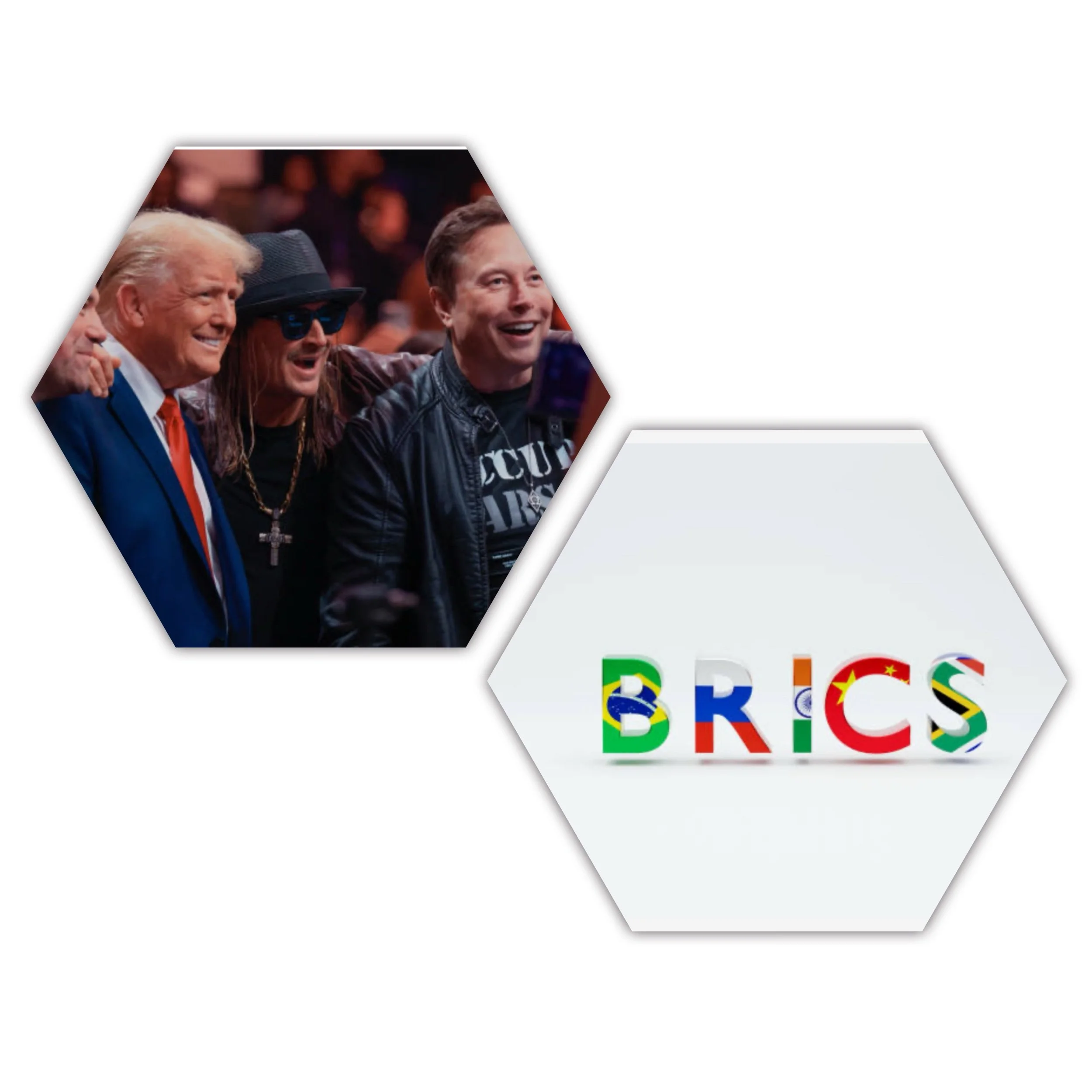
FAF analysis delves into the complex strategies employed by former President Donald Trump concerning the BRICS nations, which include Brazil, Russia, India, China, and South Africa.
It aims to unpack the motivations driving his policy decisions, particularly his apparent inclination to target India over China.
The BRICS alliance represents a significant bloc of emerging economies, and Trump's policies during his administration highlighted the unique geopolitical dynamics involved.
His approach to India was often characterized by a desire to strengthen bilateral ties, especially in terms of defense and trade, reflecting the strategic importance he placed on India's role as a counterbalance to China's influence in the region.
Moreover, Trump's targeting of India over China can be attributed to a multifaceted strategy that seeks to foster closer relationships with democratic nations and to create opportunities for American businesses while simultaneously addressing concerns about China’s rising power.
This focus on India may also reflect broader ideological principles, as Trump frequently emphasized the importance of engaging with countries that align more closely with U.S. democratic values and economic interests.
As we explore these themes further, we'll consider the implications of these strategies on international relations within BRICS, the specific policies enacted during Trump's presidency, and how they might shape future interactions between these nations.
Introduction
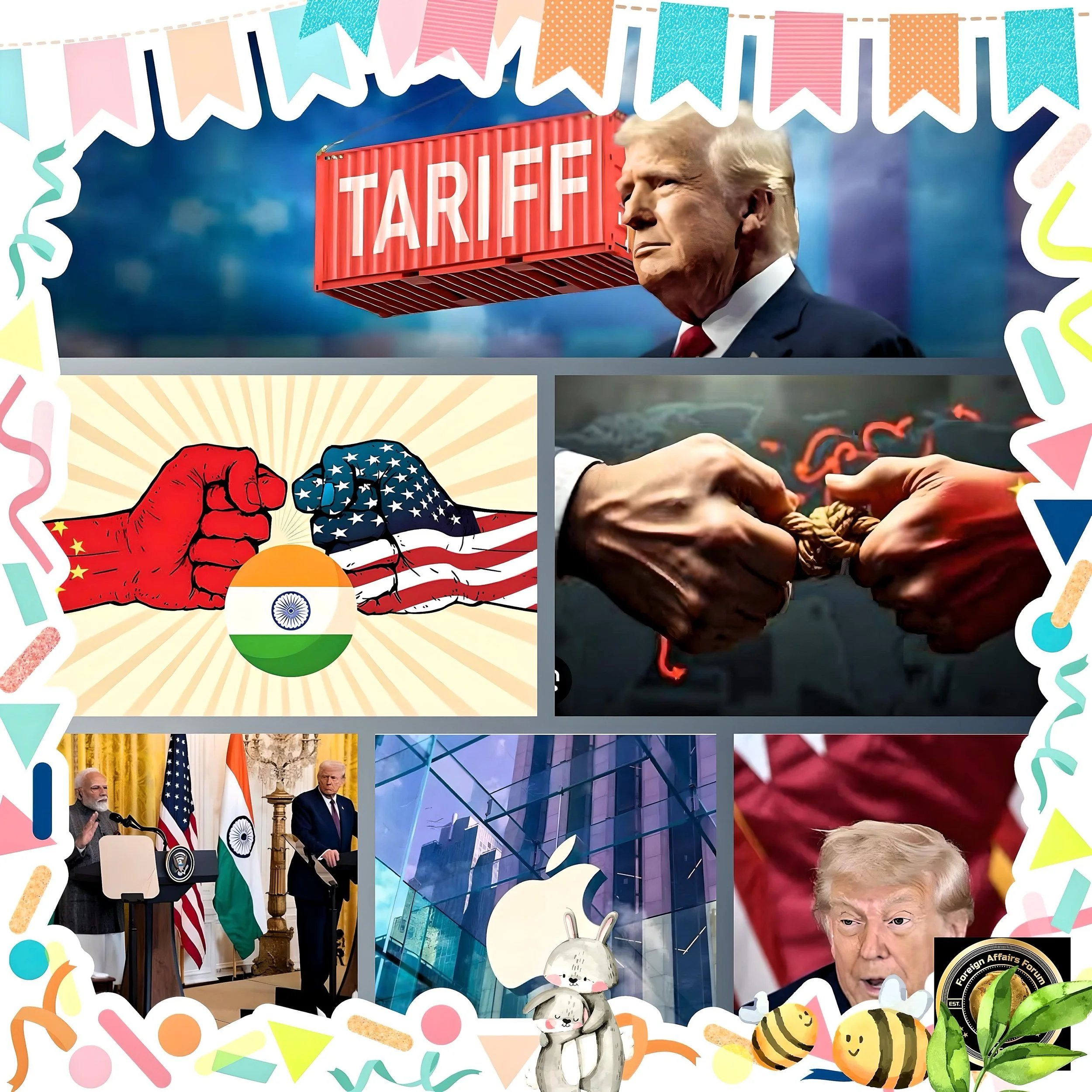
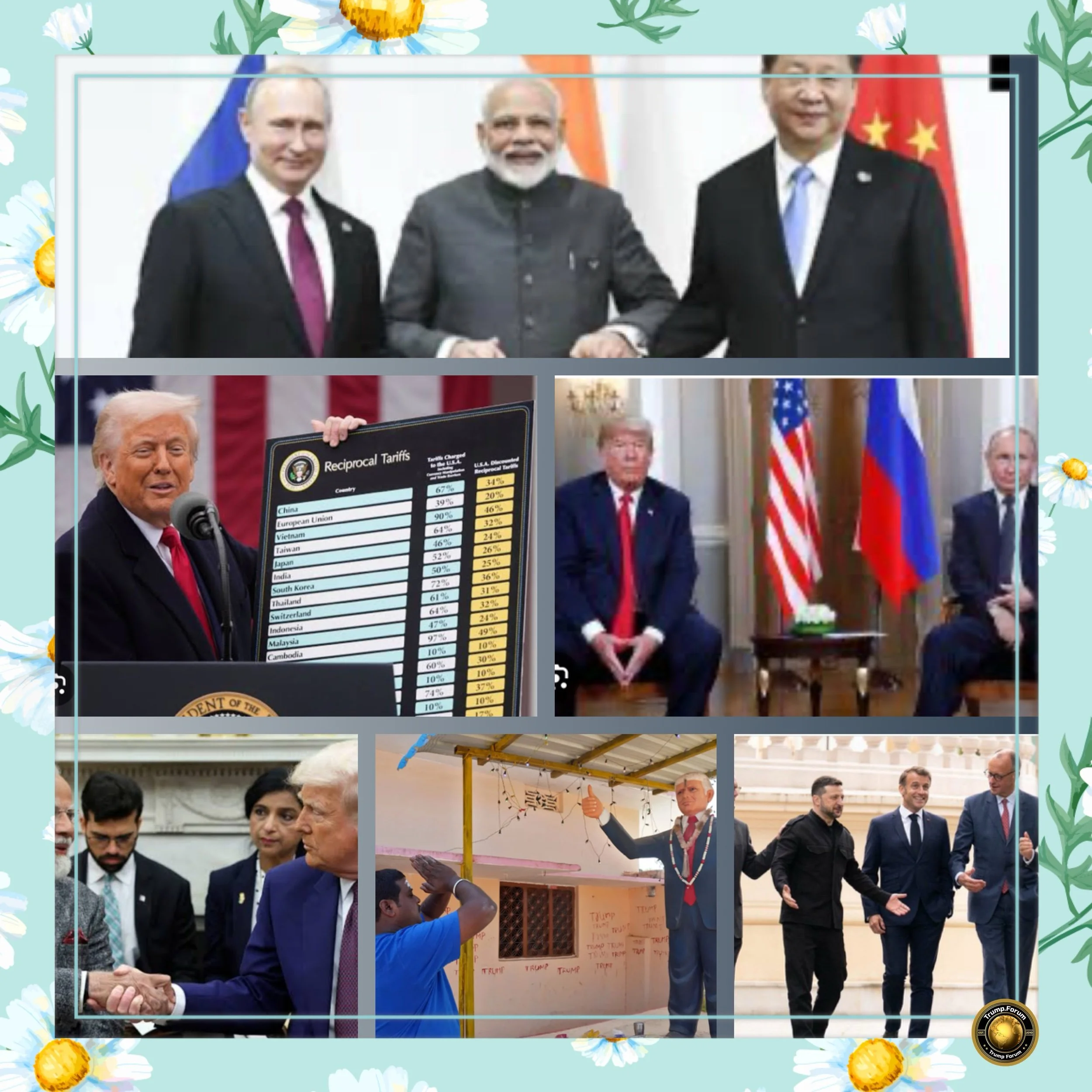
Donald Trump’s decision to impose substantial tariffs on India, while refraining from similar actions against China, illustrates a complex interplay of economic manipulation, geopolitical signaling, and domestic political strategy.
This maneuver aims to uphold the supremacy of the U.S. dollar, penalize nations perceived as "weaker" allies of Russia, and salvage his deteriorating relationship with Vladimir Putin, all while carefully avoiding disruptions to the significant U.S. economic relationship with China.
Economic Pressure to Maintain Dollar Dominance
From the outset of his 2016 campaign, Trump has viewed the ongoing trend of dedollarization—such as the BRICS nations’ push to trade in rubles, yuan, or local currencies—as a direct threat to the U.S. economy.
He has warned that the BRICS alliance was established with the intent to undermine the dollar’s status. In a bold move to assert dominance, he even threatened to levy a 10 percent tariff on all BRICS nations, framing it as an "anti-American" measure designed to stifle efforts to diversify away from the dollar.
By singling out India—especially after it emerged as the world’s second-largest importer of Russian oil following Russia’s invasion of Ukraine—Trump’s decision to impose a staggering 25 percent tariff, supplemented by additional punitive measures, sends a clear signal to other nations: any attempts to diminish the dollar’s role will carry significant economic consequences.
Punishing Russia’s Allies Where the Impact Is Minimal
Trump’s shift from a cordial relationship with Putin to imposing tariffs on Russia's allies stems from disheartening results in ceasefire negotiations and diplomatic outreach.
After expressing frustration over stalled discussions with Putin, he threatened to impose severe “secondary” tariffs on nations allied with Russia.
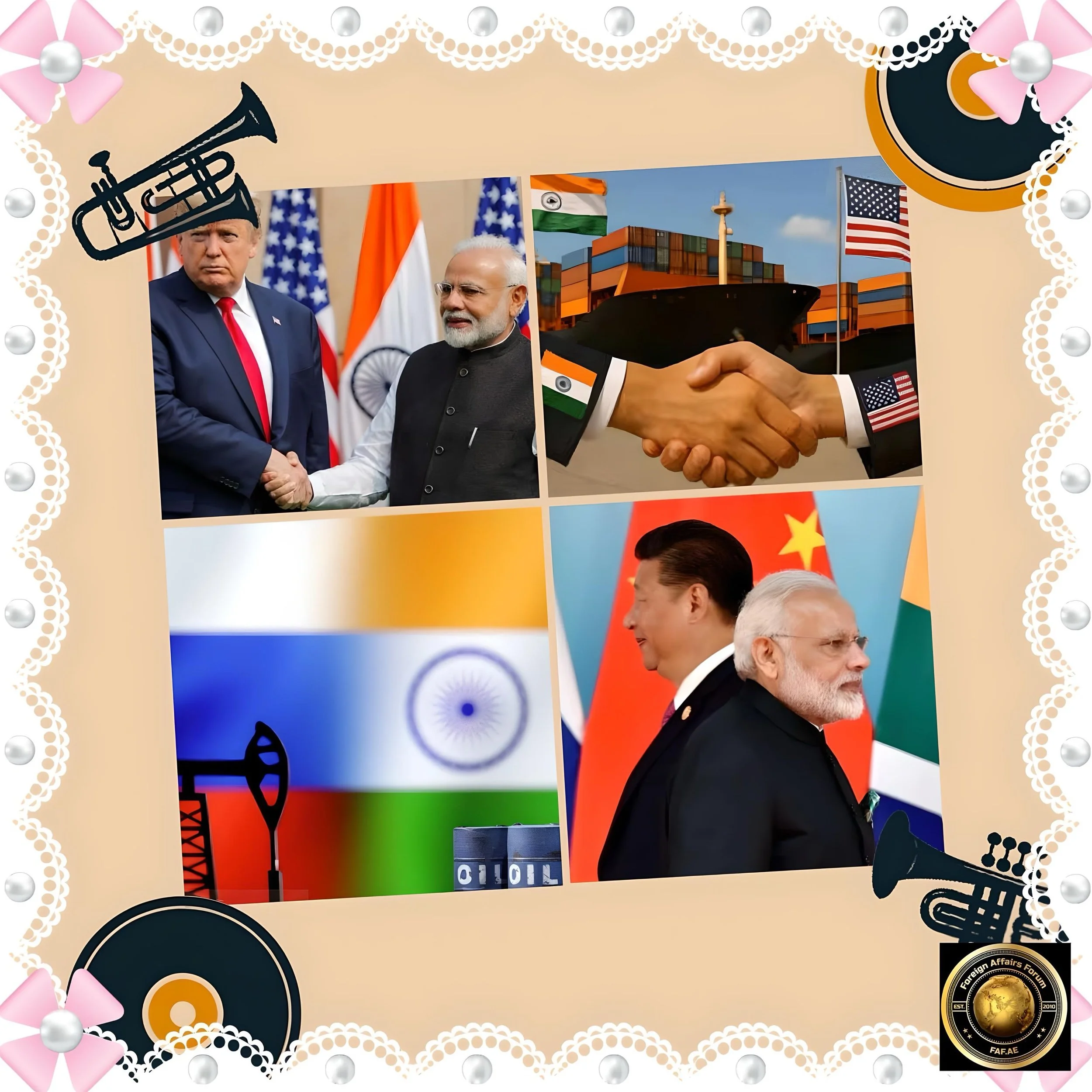
Consequently, tariffs were swiftly imposed on India and other BRICS countries. Notably, India’s share of Russian energy imports surged from a mere 0.2 percent before the invasion to nearly 40 percent afterwards, positioning India as a key player second only to China.
Punishing India, rather than China, reflects a deliberate strategic choice, as India is perceived as a “softer” target that is less likely to trigger immediate global economic repercussions.
Strategic Restraint Toward China
Despite adopting a similar rationale in his approach to China, Trump has intentionally avoided imposing new sanctions for three primary reasons.
Economic Interdependence
The trade volume between the U.S. and China far surpasses that of the U.S. and India. Introducing new tariffs could disrupt vital supply chains, leading to heightened domestic inflation and economic instability within the U.S.
Ongoing Negotiations
High-level trade discussions with Chinese officials remain active, with ongoing talks taking place in venues such as Stockholm and Geneva. Commerce Secretary Lutnick has underscored that these discussions are on separate timelines, thereby negating any immediate likelihood of implementing new tariffs against China.
Summit Aspirations
Trump has publicly expressed a desire to meet with Xi Jinping, as indicated by his willingness to cancel visits related to Taiwan. This desire for diplomatic engagement with Beijing underscores his intention to pursue a strategy of diplomatic détente, even while exerting economic pressure on other nations.
Domestic Political Tensions and Operation Sindoor Controversies
Amidst these international maneuvers, tensions have erupted within India’s Parliament, particularly concerning Trump’s assertions regarding his role in ceasefire negotiations during Operation Sindoor.
Criticism from Congress MPs has risen, urging Prime Minister Modi to contest Trump’s claims of mediation, which they argue are exaggerated to enhance his foreign policy image.
External Affairs Minister Jaishankar has clarified that no world leader, including Trump, had pressured India to halt military operations; these claims were never communicated during the ongoing strikes.
This escalation of domestic political discord may have contributed to Trump’s perception that Indian leadership failed to validate his narrative, prompting his decision to act punitively.
Underlying “Conspiracy” Narratives
While definitive evidence remains elusive, several intertwining narratives help clarify Trump’s asymmetric approach to international trade and diplomacy:
Dollar-First Doctrine
Under Trump, U.S. policy is primarily focused on curbing the dedollarization trend at the expense of nurturing bilateral friendships.
Hierarchy of Targets
Weaker economic nations—such as India, Brazil, and Kazakhstan—are more likely to bear the brunt of punitive measures, while China's economic might provides it with a shield against similar consequences.
Image-Crafting
By casting himself as the global arbitrator of ceasefires and the enforcer of tariffs, Trump seeks to reinforce his "strongman" image, appealing to both American voters and foreign autocrats.
Geopolitical Balancing
By applying pressure on India to align more closely with U.S. economic and political constraints, Trump simultaneously seeks to curtail the influence of both Russia and China without directly confronting Beijing.
Conclusion
Trump’s tariffs targeting India—justified as a response to its alignment with Russia—are less about penalizing India directly and more about reinforcing U.S. financial dominance, projecting a strong stance to allies, and recovering credibility following ineffective diplomacy with Russia.
China's exemption from these tariffs is not a product of goodwill; rather, the potential costs of pressuring Beijing significantly outweigh the anticipated gains.
Furthermore, Trump continues to pursue engagement through diplomacy rather than direct confrontation, hoping to secure concessions via summits.
A recent setback for Trump's administration has arisen from China’s categorical rejection of his request to halt Russian oil imports. Facing little leverage, Trump finds himself constrained.
Reports indicate that, as of late July 2025, the Trump administration escalated its efforts by pressuring China and other major oil importers, including India, with threats of increased tariffs and secondary sanctions against nations that persist in purchasing Russian energy.
This strategy aligns with broader objectives to isolate Russia amid its ongoing conflict in Ukraine and to leverage U.S. economic power within global trade disputes.
In response, Chinese officials have asserted their commitment to prioritize national interests and energy security.
The Chinese Foreign Ministry articulated that “tariff wars yield no winners” and cautioned that U.S. coercion would be ineffective in resolving issues.
China has vowed to “firmly safeguard its sovereignty, security, and developmental interests,” firmly rejecting the cessation of Russian oil purchases based solely on U.S. demands.
This stance underscores that, despite Trump’s threats of tariffs or punitive measures, China is prepared to resist U.S. pressure and maintain its energy relationship with Russia, framing this decision as essential to its sovereignty and economic stability.
Consequently, Trump’s entreaty has been effectively dismissed, leaving the U.S. with limited options other than to escalate tariffs or sanctions—moves that could significantly impact global trade patterns, oil market dynamics, and U.S.-China relations.
However, China's current posture indicates that such actions are unlikely to influence its strategic approach to Russian oil imports.