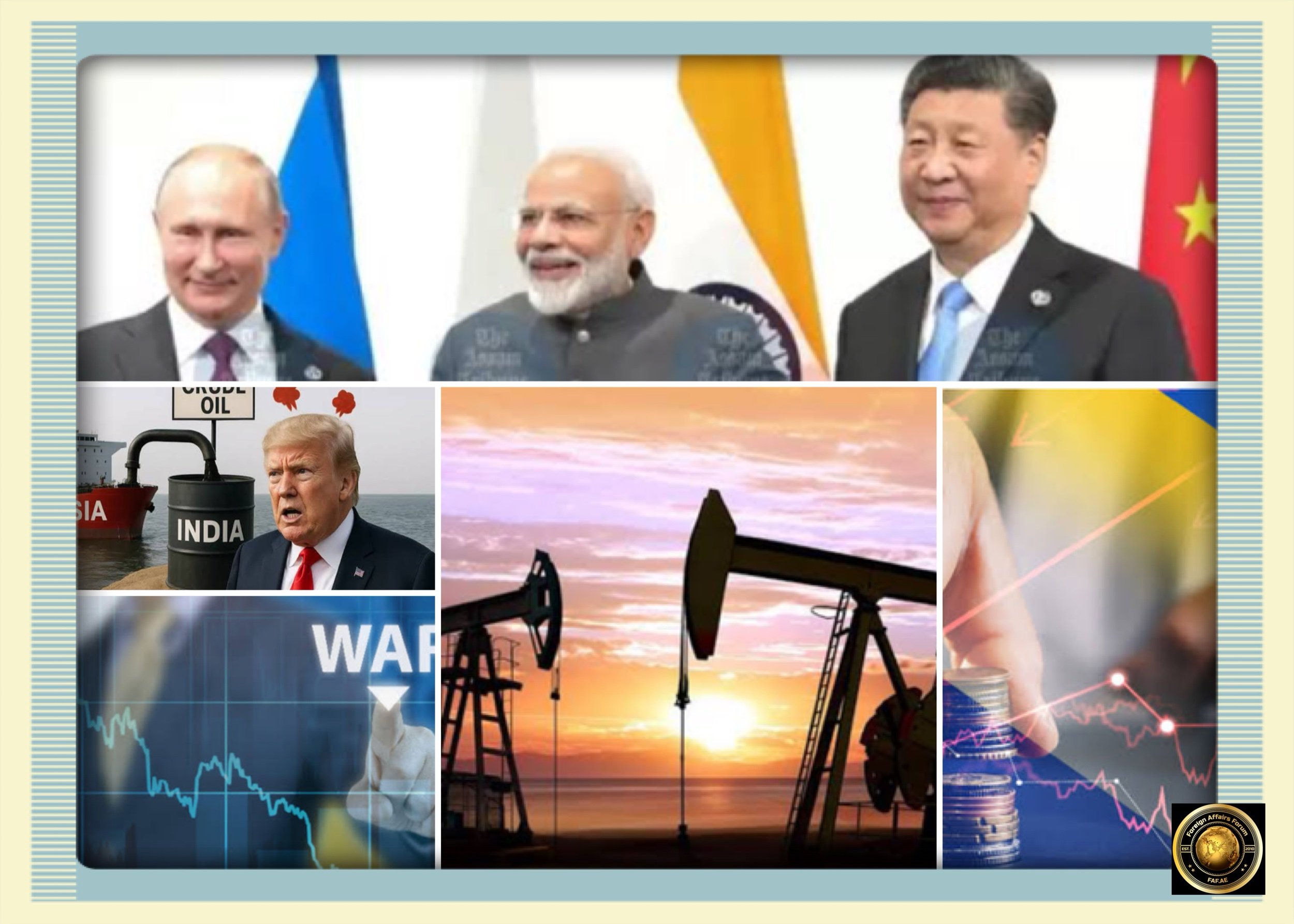
Geoeconomic Disruptions: Analyzing the Worldwide Repercussions of an India-China-Russian Oil Embargo
Executive Summary
In recent months, the geopolitical landscape has shifted dramatically, prompting a surprising coalition between India, China, and Russia that has led to a significant embargo on oil exports.
This unexpected alliance has triggered a series of economic ramifications that resonate across the globe, presenting a complex challenge to energy markets, international trade relationships, and the overall global economy.
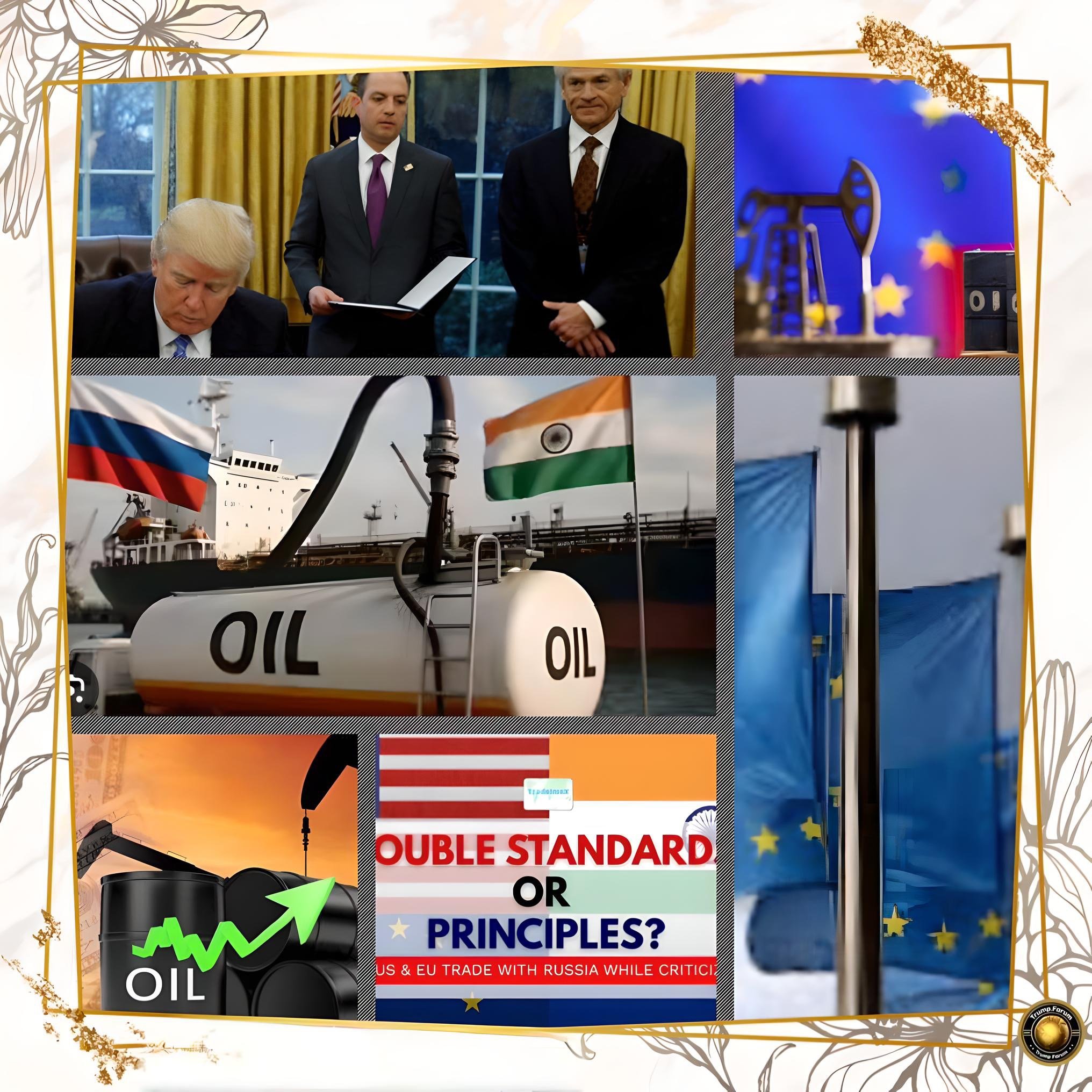
The embargo, primarily aimed at curtailing supplies to Western nations, has resulted in immediate price spikes for crude oil, which surged past $100 a barrel for the first time in years.
This price increase has reverberated through various sectors, leading to heightened inflation rates in many countries and straining the budgets of both consumers and businesses alike.
Countries reliant on imported oil are feeling the strain more acutely, with developing nations facing an uphill battle to secure alternative energy sources.
The decision by India and China to restrict oil supplies has prompted those nations to seek new trading partnerships, further shifting the balance of power in global energy distribution.
Moreover, the embargo has sparked a surge in investment in renewable energy technologies as nations scramble to diversify their energy portfolios and reduce reliance on fossil fuels.
Governments are aggressively pursuing solar, wind, and other alternative energy projects to bolster their energy security in the face of dwindling oil supplies.
The ripple effect of this economic shockwave extends to the financial markets, fueling volatility as investors react to the uncertainty surrounding oil prices.
Stock markets around the world have experienced fluctuations as companies adjust their forecasts and prepare for a potentially prolonged period of instability in energy markets.
In conclusion, the India-China-Russia oil embargo represents a pivotal moment in global economics, with far-reaching consequences that will likely shape the future of energy consumption, international alliances, and economic stability for years to come.
Introduction
If India and China were to halt their Russian oil purchases, the reverberations would ripple through global energy markets with unprecedented force.
The two Asian giants have become Russia’s economic lifeline, jointly purchasing 4.0 million barrels per day of Russian crude—approximately 87% of Russia’s total oil exports.
Their potential withdrawal from this trade relationship would fundamentally reshape global energy dynamics and geopolitical balances.
The Current Energy Landscape
India’s Strategic Position
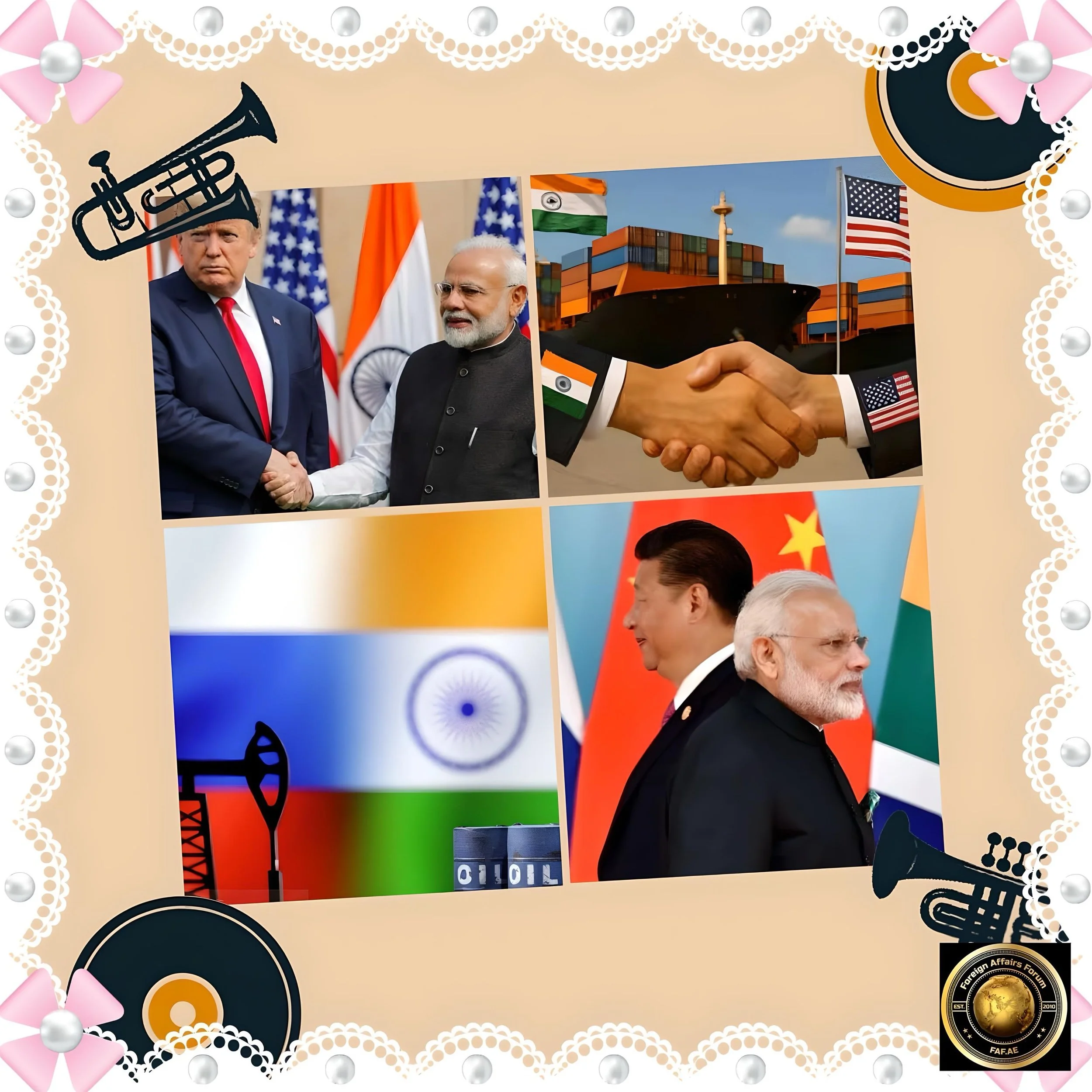
India has emerged as Russia’s largest oil customer, importing approximately 1.8 million barrels per day in 2024-2025, representing 36% of India’s total crude imports.
This dramatic shift from just 2% before the Ukraine conflict has generated substantial economic benefits for New Delhi, with savings estimated at $33 billion between 2022 and 2024.
These discounted purchases have allowed India to maintain domestic fuel price stability while diversifying away from traditional Middle Eastern suppliers.
China’s Dominant Role
China remains Russia’s second-largest buyer, importing 2.2 million barrels per day of Russian crude, accounting for 20% of China’s total oil imports.
Unlike India’s opportunistic approach, China’s purchases reflect longer-term strategic considerations, with Russian oil deliveries increasing from 1.6 million bpd in 2021 to current levels.
Chinese state enterprises have maintained significant involvement in Russian oil trade, though recent U.S. sanctions have caused some state firms to temporarily halt or reduce purchases.
Immediate Market Consequences
Oil Price Volatility
A sudden embargo would likely trigger severe price spikes across global energy markets. Current analysis suggests multiple scenarios could unfold:
Moderate Impact
Brent crude could rise to $75-80 per barrel, costing India an additional $11 billion annuall
Severe Impact
Prices reaching $95-100 per barrel would impose $33 billion in additional costs on India alone
Crisis Scenario
In extreme cases, prices could surge to $115-120 per barrel, devastating energy-importing economies globally
Supply Chain Disruptions
The immediate challenge would be redirecting 4 million barrels per day of Russian crude to alternative buyers.
While global spare capacity exists, the logistics of such a massive reallocation would strain shipping, insurance, and payment systems.
Russia would be forced to offer even steeper discounts to attract new customers, potentially causing market chaos.
Russia’s Economic Devastation
Revenue Collapse
Russia’s energy revenues have already declined significantly, with oil and gas earnings dropping 27% year-over-year to $9.8 billion in July 2025.
A complete India-China embargo could slash Russian oil revenues by 40-70%, depending on alternative market conditions.
Given that oil and gas still account for approximately 30% of Russia’s federal budget revenues, such losses would create severe fiscal constraints.
Budget Crisis
Russia’s budget deficit reached 3.7 trillion rubles (1.7% of GDP) in the first half of 2025.
A dramatic reduction in energy export revenues would exacerbate this deficit, potentially forcing Moscow to:
Drastically cut military spending
Reduce social programs
Deplete remaining sovereign wealth funds
Implement severe austerity measures
Geopolitical Ramifications
BRICS Cohesion Under Strain
The scenario would test the solidarity of the BRICS coalition, where all three nations are founding members.
China and India’s cooperation within BRICS has been complicated by bilateral tensions and competing regional interests.
An oil embargo would further strain these relationships, potentially weakening BRICS as an alternative to Western-dominated institutions.
Secondary Sanctions Impact
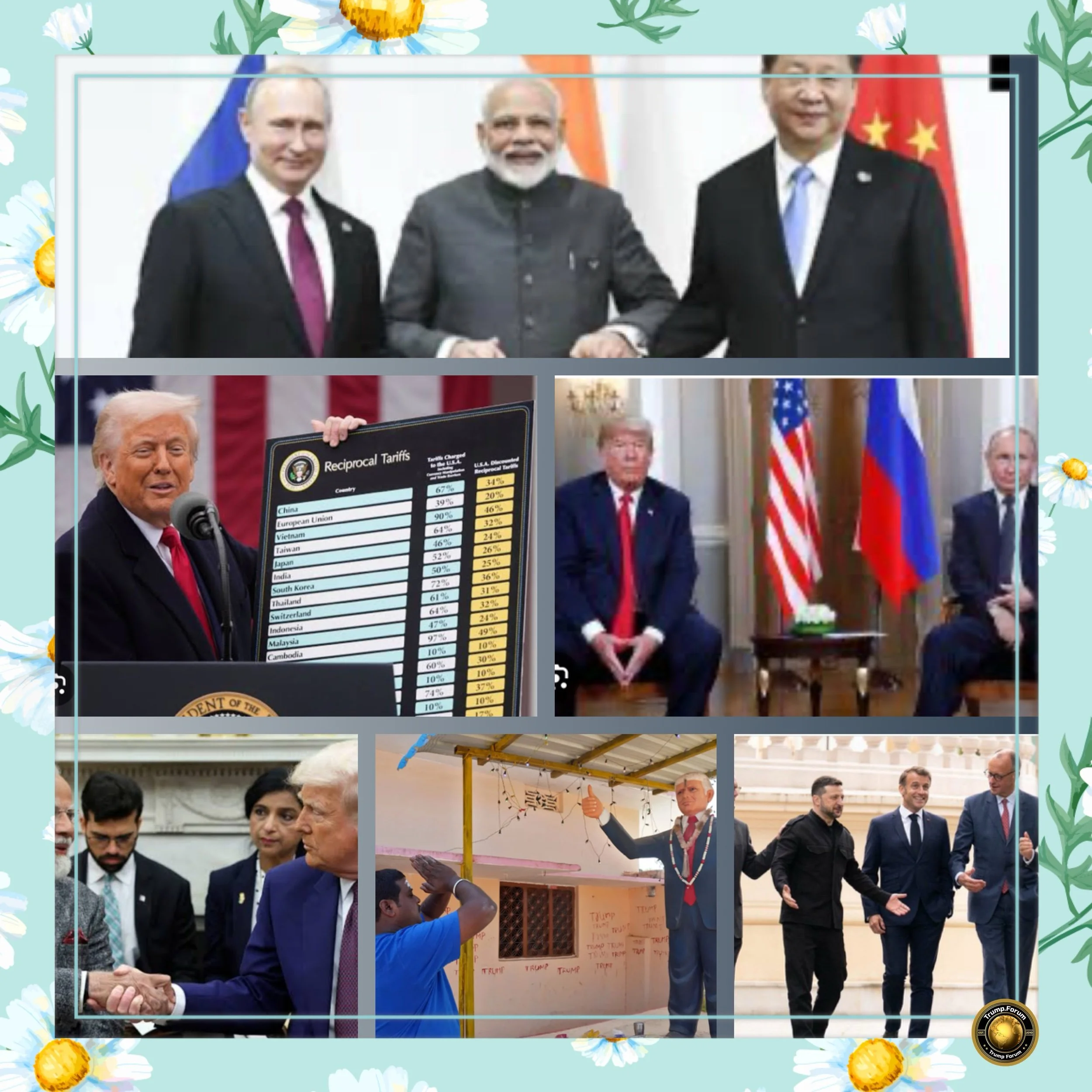
President Trump’s 25% “secondary tariffs” on India and threats of similar measures against China demonstrate how oil trade has become a tool of broader geopolitical pressure.
These measures aim to force both nations to choose between Russian energy partnerships and Western economic relationships.
Alternative Energy Sources and Market Adaptation
Middle Eastern Capacity
Fortunately for global markets, Middle Eastern producers maintain substantial spare capacity. Saudi Arabia, Iraq, and the UAE collectively produce over 18 million barrels per day and could potentially increase output.
However, several factors could limit their response.
Current OPEC+ production quotas and coordination challenges
Infrastructure constraints in rapidly scaling production
Geopolitical tensions in the Persian Gulf region
Market Redistribution
India has already begun diversifying its oil procurement, with state refiners purchasing large volumes from:
United States
Significant spot market purchases
Brazil
Increased imports from South American producers
Middle East
Expanded purchases from Saudi Arabia, with September 2025 shipments reaching 22.5 million barrels
Long-Term Strategic Implications
Energy Security Recalibration
Both India and China would need to fundamentally reassess their energy security strategies.
India’s heavy reliance on oil imports (85% of consumption) makes it particularly vulnerable to supply disruptions.
China’s 74% import dependency similarly creates strategic vulnerabilities.
Economic Costs and Adaptation
The transition away from discounted Russian crude would impose significant costs:
Higher energy input costs for manufacturing
Increased transportation and logistics expenses
Potential inflation in domestic fuel prices
Reduced competitiveness in global markets
Geopolitical Realignment
An embargo would accelerate trends toward:
Multipolar energy markets with reduced Russian participation
Strengthened India-U.S. energy cooperation
Enhanced Chinese focus on Iranian and Venezuelan crude
Accelerated development of renewable energy alternatives
Conclusion
The hypothetical scenario of India and China abandoning Russian oil purchases would create one of the most significant energy market disruptions in modern history.
While it would severely weaken Russia’s war economy and fiscal position, the global costs would be substantial.
Oil prices would likely spike, inflation would accelerate worldwide, and energy-importing nations would face severe economic headwinds.
However, the scenario also highlights the strategic importance of energy diversification and the potential for rapid market adaptation. Both India and China possess the economic flexibility to source alternatives, though at considerable cost.
The ultimate impact would depend on the speed of implementation, available spare capacity, and the broader geopolitical response from producing nations.
For Russia, such an embargo would represent an economic catastrophe that could fundamentally alter its ability to sustain military operations and maintain domestic stability.
The scenario underscores how energy trade has become a critical battleground in contemporary geopolitics, where economic relationships directly influence military conflicts and international power balances.