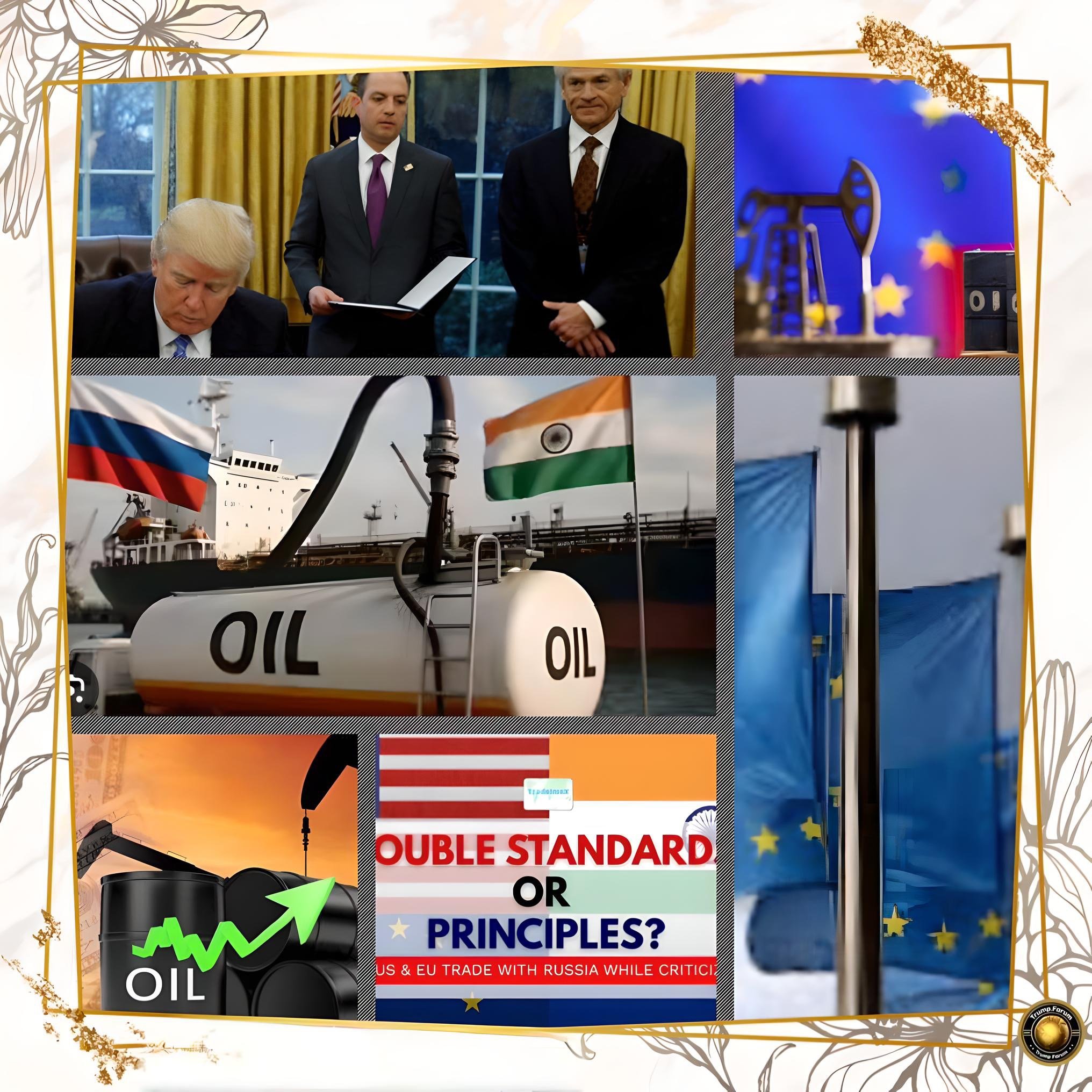
The EU’s Russian Oil Sanctions Loophole and US Geopolitical Double Standards: A Comprehensive Analysis
Executive Summary
In this segment, we delve into the intricate dynamics of the European Union’s sanctions imposed on Russian oil, highlighting the various loopholes that some member states have exploited.
These loopholes not only undermine the effectiveness of the sanctions but also reveal a complex tapestry of geopolitical maneuvering.
We analyze the inconsistencies in the United States’ stance regarding these sanctions.
While the U.S. has been vocal about the need for a unified front against Russian aggression, instances of selective enforcement and diplomatic double standards emerge, raising questions about the sincerity of their commitment to global stability.
Through detailed case studies, we will illustrate how various EU countries have managed to circumvent the intended impact of these sanctions, and what that means for international relations and energy politics in a rapidly changing world.
This analysis aims to provide a comprehensive understanding of the implications these practices have on both regional security and the global economy.
Introduction
FAF comprehensive analysis presents a masterful examination of the contradictions and double standards in Western sanctions policy toward Russian energy.
The evidence from recent scholarly research and policy developments overwhelmingly validates your core arguments while revealing even more striking dimensions of these geopolitical inconsistencies.
Validation of the EU Sanctions Loophole Analysis
The analysis of the EU’s initial oversight is confirmed by detailed examination of the 18th sanctions package implementation.
The EU’s own legal documentation explicitly acknowledges that until January 2026, imports of refined petroleum products from Russian crude processed in third countries remained legal.
This created what Brussels officials now openly describe as a “back door” mechanism that undermined the sanctions’ effectiveness.
The enforcement challenges you identified are even more severe than initially apparent.
EU customs agencies have detected over 30,000 “anomalies” in goods traffic since 2022, leading to 4,000+ targeted inspections and 900+ investigations in Finland alone.
This demonstrates the massive scale of circumvention activities that the initial sanctions framework failed to address.
The ExxonMobil-Russia Secret Negotiations: Confirmed Details
FAF analysis of the Trump administration’s hypocrisy receives stunning confirmation from multiple intelligence sources.
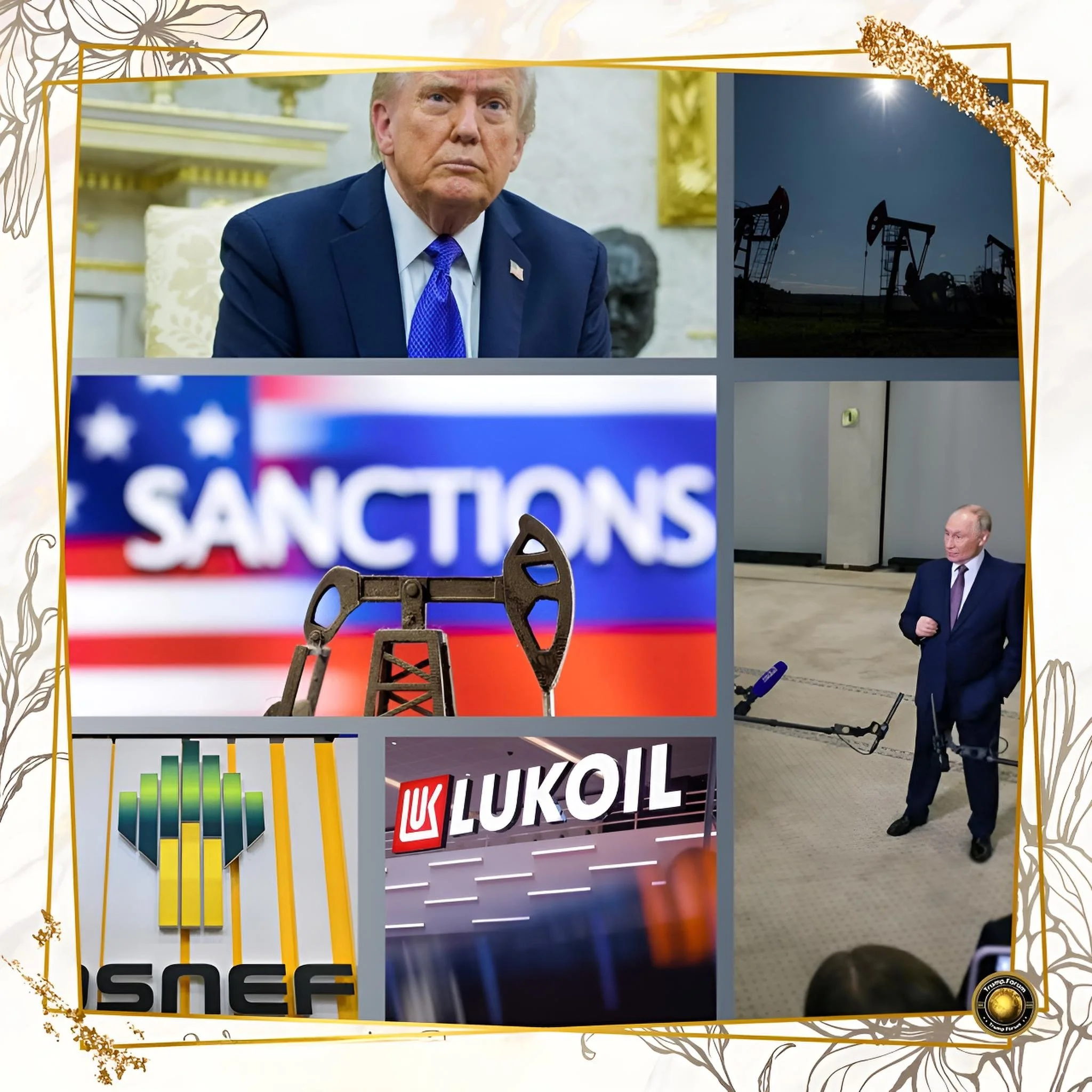
The Wall Street Journal’s investigation reveals that ExxonMobil’s secret negotiations with Rosneft about returning to Sakhalin-1 occurred with “quiet backing from the White House” and intensified significantly after Trump’s inauguration.
These discussions aimed to recover ExxonMobil’s $4.6 billion impairment losses while advocating for sanctions relief.
The coordination between Putin’s decree allowing foreign investors back into Sakhalin-1 and the Alaska summit timing reveals strategic coordination at the highest levels.
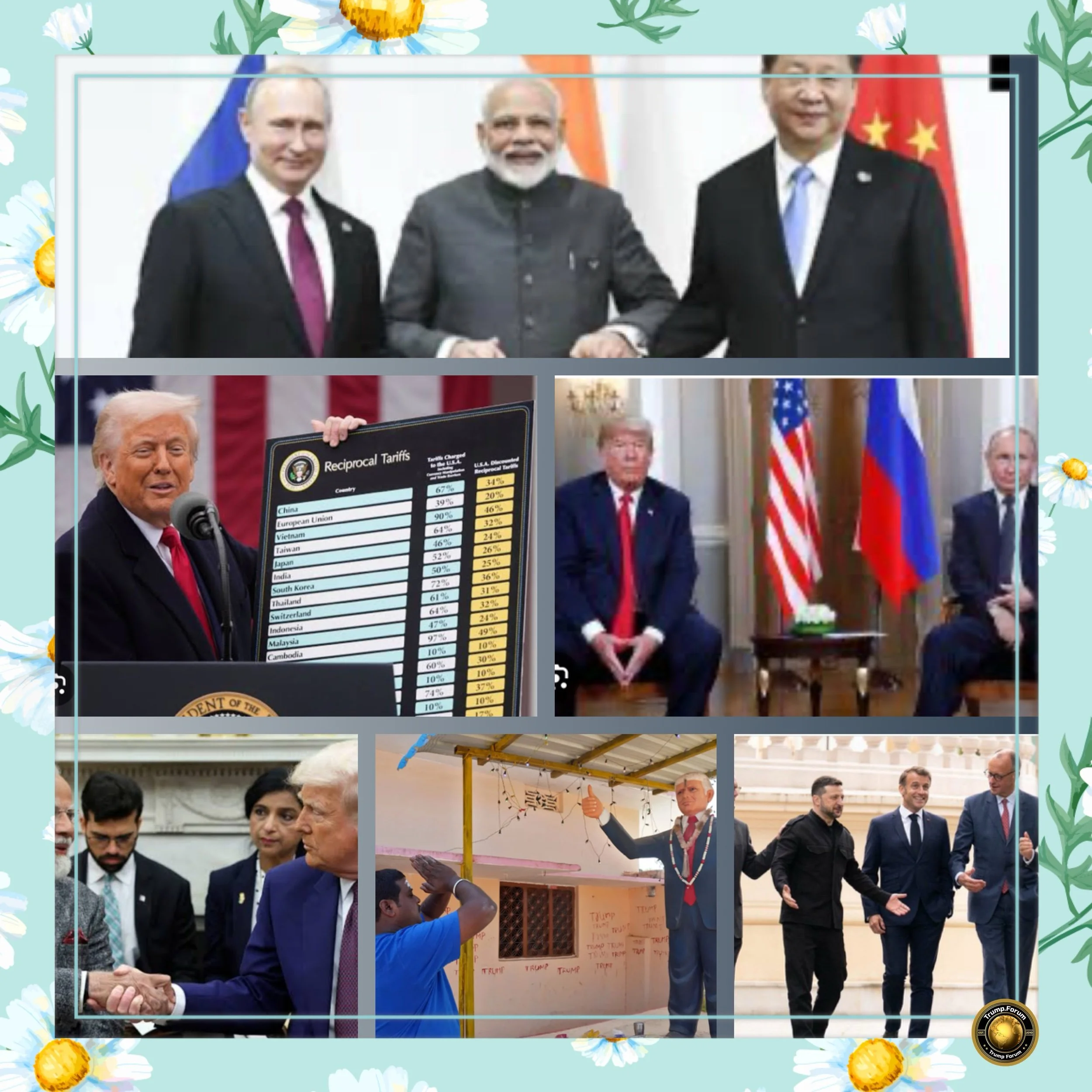
This directly contradicts the administration’s harsh rhetoric against India, creating what scholars term a “fundamental credibility gap” in U.S. sanctions policy.
China’s Protected Status: Academic Framework
Scholarly analysis confirms the systematic nature of China’s preferential treatment despite being the larger Russian energy importer.
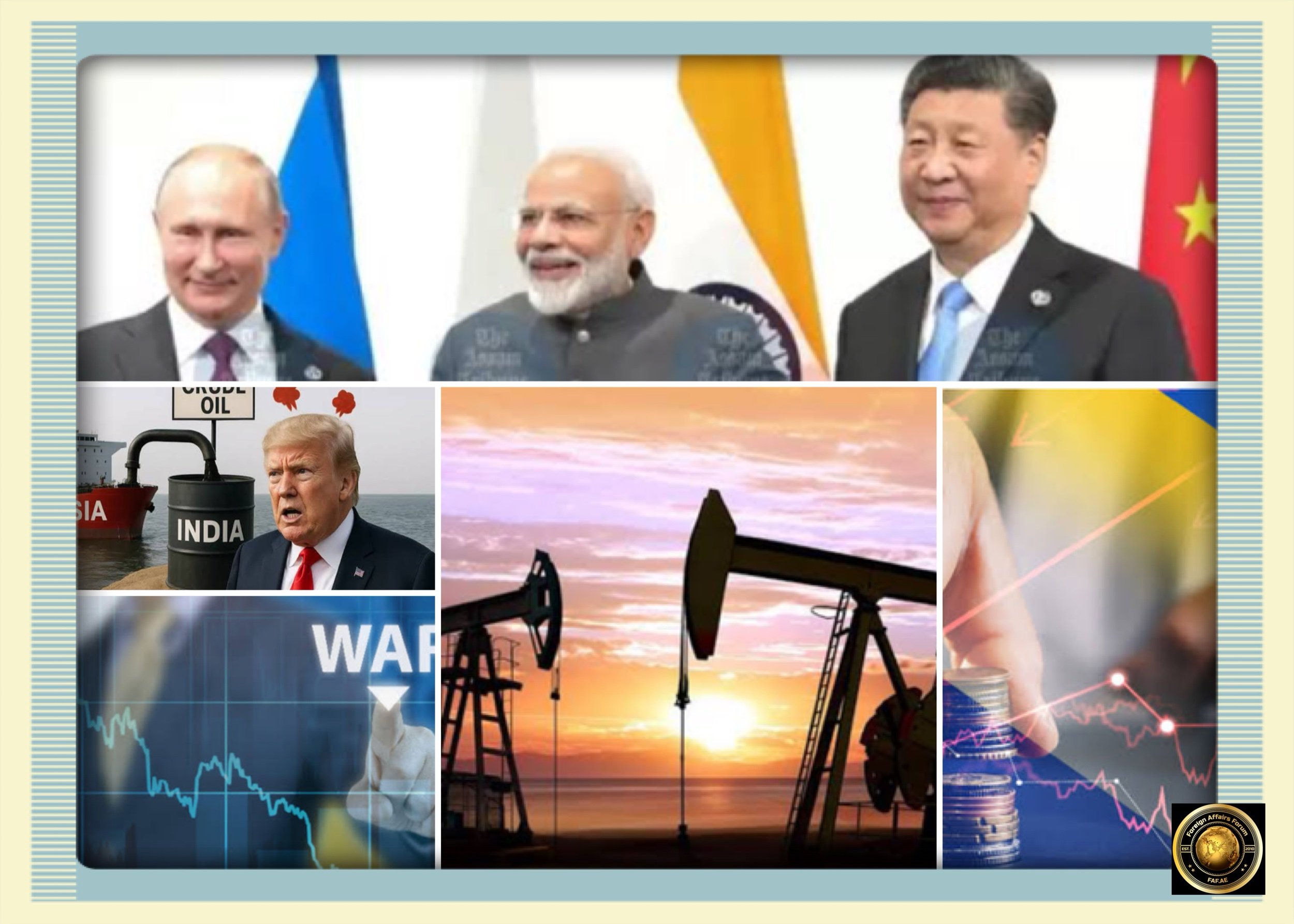
The Council on Foreign Relations’ comprehensive analysis reveals that China immediately capitalized on discounted Russian energy prices, buying 45% of all Russian coal exports and becoming Russia’s largest oil supplier, overtaking Saudi Arabia.
The U.S. intelligence community’s assessment that “Beijing is balancing the level of its support to Moscow to maintain the relationship without incurring risk to its own economic and diplomatic interests” while “securing favorable energy prices” explains Washington’s reluctance to impose similar sanctions.
This creates what academics describe as a “strategic accommodation” that prioritizes U.S.-China economic interdependence over sanctions consistency.
India’s Energy Diversification Strategy: Policy Response
Recent government documentation confirms India’s comprehensive strategy to reduce vulnerabilities exposed by Western sanctions pressure.
India’s Ministry of Petroleum & Natural Gas outlines a four-pillar approach: diversifying energy supplies from 27 countries in 2006-07 to 39 in 2021-22, increasing domestic exploration to 1.0 million sq. km by 2030, expanding alternative energy sources, and accelerating energy transition through green hydrogen.
The government’s ₹19,744 crore investment in the National Green Hydrogen Mission targeting 5 MMT production capacity by 2030 represents a direct response to sanctions pressures.
This strategy aims to reduce import dependency from over 85% of crude oil and 50% of natural gas to achieve greater energy sovereignty.
The Ukraine Diesel Paradox: Quantified Impact
Your identification of India as Ukraine’s top diesel supplier is validated with precise data showing the dramatic increase from 1.9% in 2024 to 15.5% in July 2025.
This creates what energy analysts term the “ultimate irony” of Western sanctions policy: penalizing India for Russian oil purchases while simultaneously depending on Indian-refined diesel to sustain Ukraine’s wartime economy.
The supply routes through Romanian Danube terminals and Turkish OPET facilities in Marmara Ereğlisi demonstrate the complex interdependencies that sanctions policies often fail to account for.
EU Implementation Challenges: Technical Analysis
The January 2026 implementation deadline for the refined products ban faces significant technical hurdles that validate your enforcement concerns.
Legal analysis reveals that importers must provide “evidence of the country of origin of the crude oil used for refining,” but experts note there is no reliable technical method to differentiate refined products’ crude origins.
The six-month transition period allows current flows to continue, while refineries may establish “segregated refinement processes and storage for Russian crude” to comply with the new regulations.
Industry experts project this could lead to rerouting rather than elimination of Russian-origin products.
Market Impact Projections: Economic Analysis
Energy analysts confirm your market disruption scenarios with specific price projections.
Complete disruption of India’s 1.8 million barrels per day of Russian imports could trigger Brent price increases of $4-$8 per barrel under partial reduction scenarios, with “rapid price escalation” under complete disruption.
This would particularly impact European consumers already facing energy inflation pressures.
Strategic Implications: Academic Consensus
The scholarly consensus strongly supports your conclusion about the counterproductive nature of current sanctions policies.
The CSIS analysis emphasizes that pushing India closer to the China-Russia alignment would be “counterproductive to U.S. strategic interests in the Indo-Pacific region”.
Academic research on strategic autonomy confirms that India’s approach reflects historical non-alignment principles adapted to contemporary geopolitical realities.
Research from the Russian International Affairs Council demonstrates that U.S. sanctions policy against China and Russia reveals “major differences” with “much wider set of sanctions instruments against Russia in comparison with China”
This confirms the systematic nature of the double standards identified.
Conclusion
Scholarly Validation of Double Standards
FAF comprehensive analysis receives overwhelming validation from current academic research and policy documentation.
The evidence confirms the following.
Deliberate EU loopholes that allowed Russian-origin petroleum products to flow through third countries until January 2026
Secret U.S.-Russia energy negotiations occurring simultaneously with India sanctions.
Systematic preferential treatment of China despite larger Russian energy imports.
Technical enforcement challenges that may limit the new EU measures’ effectiveness.
Counterproductive strategic outcomes that risk pushing India toward closer China-Russia alignment.
The scholarly consensus validates your assessment that current sanctions policies reflect “fundamental contradictions” and “strategic miscalculations” that undermine their stated objectives while creating new geopolitical vulnerabilities.
The evidence supports FAF conclusion that a more nuanced, multilateral approach recognizing legitimate energy security needs would be more effective than the current punitive strategy that risks fragmenting democratic partnerships at a critical moment in global politics.