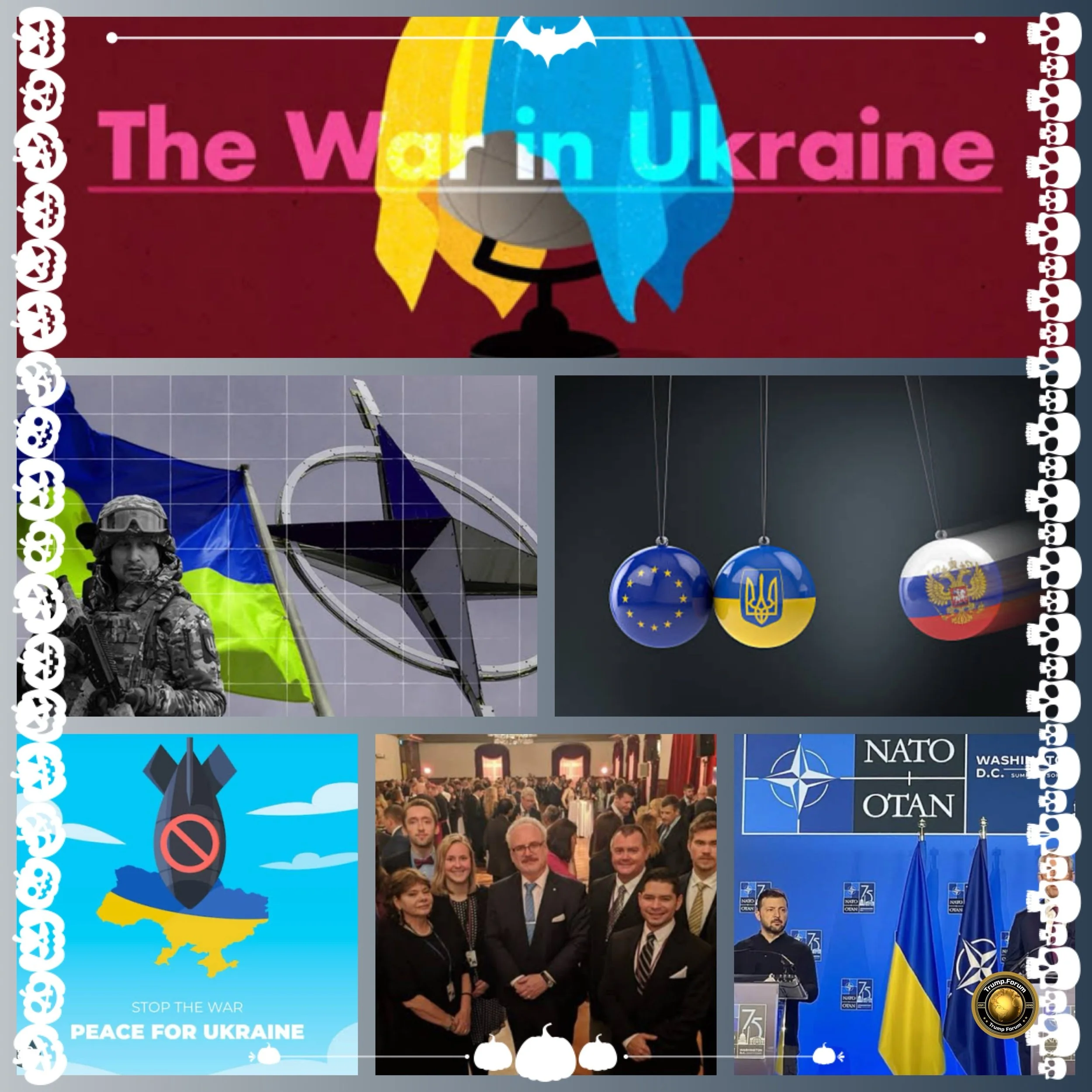
Western Strategy in Ukraine and the Baltic Security Challenge: An Analysis of Current Geopolitical Realities
Introduction
FAF delves into Western strategy toward Ukraine and warns of imminent threats to the Baltic states.
What are these threats?
Based on comprehensive research into current developments, this analysis examines the validity of these claims and provides context for understanding the complex geopolitical situation as the war approaches its fourth year.
The Evolution of Western Strategy: From Victory to Strategic Neutralization
The assertion that “the West has had one plan regarding the war in Ukraine since it began: ensuring that Russia does not lose” requires careful examination.
The evidence suggests a more nuanced reality: Western strategy has indeed evolved from initial hopes of Ukrainian victory to what experts now term “strategic neutralization”.
The Carnegie Endowment for International Peace has documented this shift, noting that Western policymakers increasingly recognize that traditional definitions of victory may no longer apply.
Rather than seeking Russia’s outright defeat, the current approach aims to systematically deny Russia’s ability to achieve its military objectives through cross-domain operational paralysis.
This represents a fundamental shift from attrition-based warfare to functional defeat strategies.
Evidence of Strategic Limitations
Several developments support claims about constrained Western commitments
NATO Membership
U.S. Defense Secretary Pete Hegseth explicitly stated in February 2025 that “the United States does not believe that NATO membership for Ukraine is a realistic outcome of a settlement”.
This marked a significant departure from previous diplomatic language and effectively removed one of Ukraine’s key security guarantees from the negotiating table.
Territorial Integrity
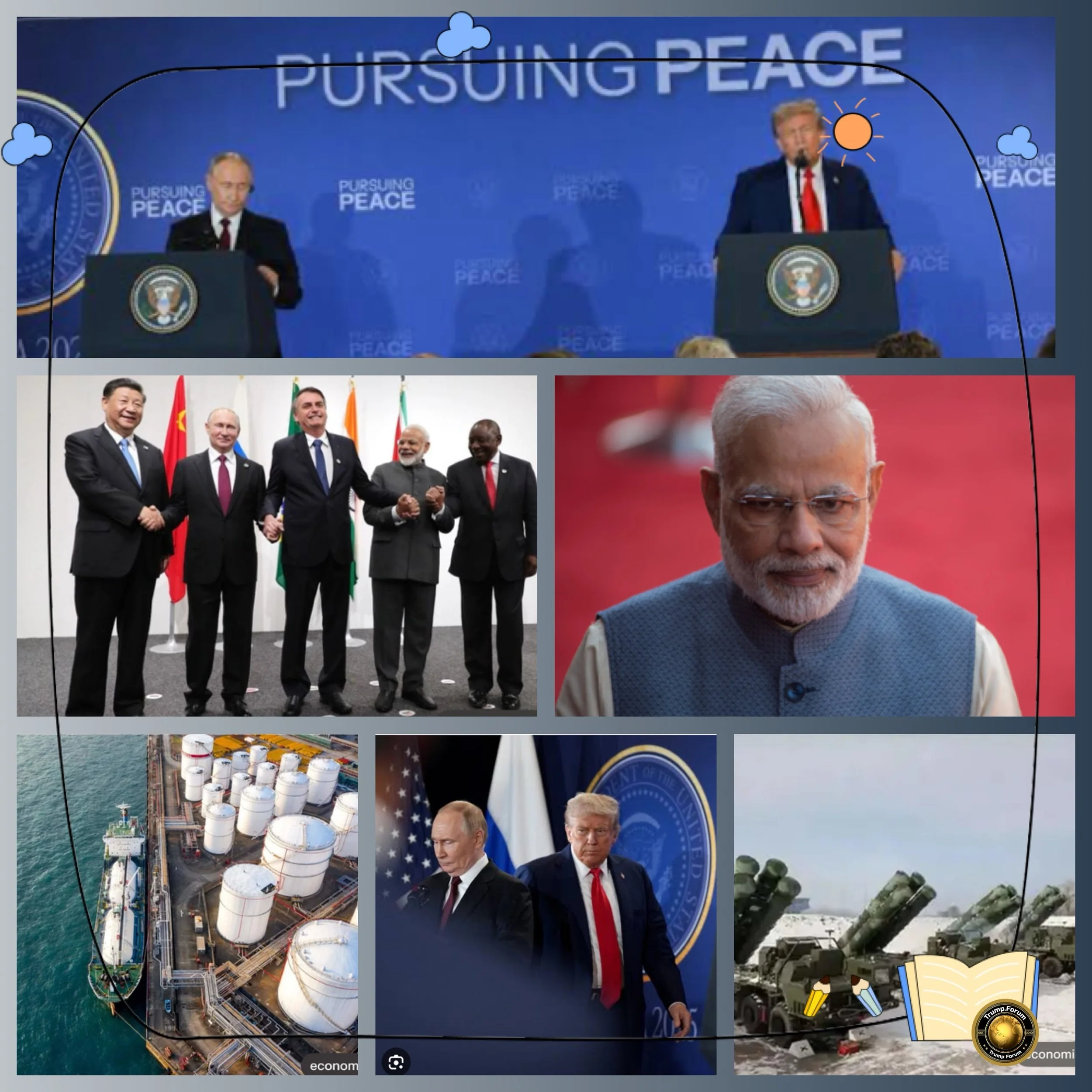
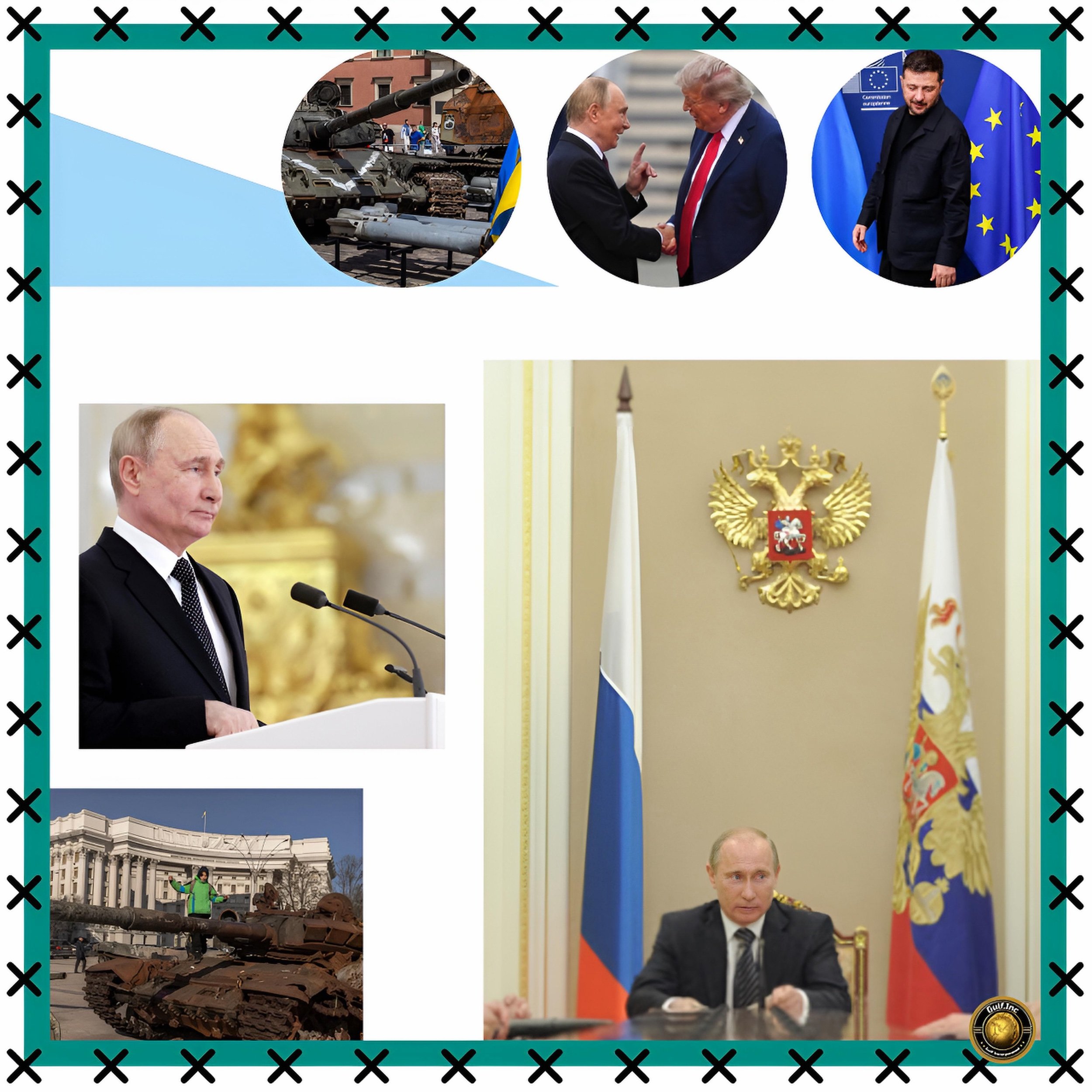
The upcoming Trump-Putin summit scheduled for August 15, 2025, in Alaska has sparked concerns about territorial concessions.
Trump has indicated that “both sides will need to cede territory” and referenced potential “land swapping”, directly contradicting Ukraine’s constitutional prohibition on territorial concessions.
Range Restrictions
While Western allies did lift range restrictions on long-range weapons in May 2025, this decision came after prolonged delays and continued limitations on the most advanced systems like Germany’s Taurus missiles.
The Economics of Sanctions: Limited Impact on Russian War Capacity
FAF critique of sanctions effectiveness finds support in current assessments.
Despite unprecedented economic measures, Russia’s economy has proven more resilient than initially anticipated.
Sanctions Performance Analysis
Financial Impact
While the EU has implemented 18 sanctions packages as of July 2025, Russia’s GDP actually increased by 3.6% in 2024 according to IMF estimates.
The oil price cap mechanism, reduced from $60 to $47.60 per barrel in July 2025, has been circumvented through Russia’s “shadow fleet” operation
Frozen Assets Stalemate
Approximately $280-300 billion in Russian sovereign assets remain frozen, with €200 billion held in EU institutions.
However, these funds face legal and political hurdles to confiscation, with concerns that EU unity may not hold indefinitely.
Hungary and Slovakia have emerged as potential spoilers for sanctions renewal.
Military Production Surge
Contradicting sanctions objectives, Russian military production has increased dramatically. In 2024, Russia manufactured 1,550 tanks (a 220% increase), 5,700 armored vehicles (150% increase), and significantly expanded drone production.
Russia’s defense spending is projected to reach 6.7% of GDP in 2025, compared to Europe’s 2.04%.
Baltic Security: Assessing the Threat Level
FAF’s warning about Baltic vulnerability deserves serious consideration given current intelligence assessments and Russian military posturing.
Intelligence Estimates and Russian Capabilities
Timeline Concerns
European intelligence services estimate Russia will be prepared to test NATO Article 5 guarantees for Baltic members within 3-5 years.
However, some analysts suggest this timeline could be accelerated.
Military Buildup
Russia has been expanding military infrastructure along NATO’s eastern borders, including new bases near the Finnish border and railway construction for military logistics.
The upcoming Zapad-2025 exercises in September are expected to involve 100,000-150,000 troops, making them the largest since 2021.
Hybrid Warfare Intensification
Baltic states face increasing hybrid threats including sabotage of undersea cables, GPS jamming, cyberattacks, and weaponized migration from Belarus.
These activities often spike around major military exercises.
European Defense Preparedness Challenges
Force Structure Gaps
NATO’s Supreme Allied Commander Europe warned that Russia has “a military larger than it was at the beginning of the war, despite suffering an estimated 790,000 casualties”.
European combined active-duty forces total approximately 1.47 million personnel compared to Russia’s planned 1.5 million active soldiers.
Article 5 Credibility Concerns
The reliability of NATO’s collective defense guarantee faces unprecedented scrutiny.
U.S. President Trump’s comments about “numerous definitions” of Article 5 have created uncertainty about automatic American military involvement.
Production Capacity Deficits
Europe faces severe shortfalls in defense manufacturing.
Analysis suggests Europe would need to increase military equipment spending substantially beyond current 0.7% of GDP to achieve meaningful deterrence.
Critical gaps exist in air defense, long-range missiles, and modern combat systems
The Alaska Summit: Implications for European Security
The scheduled Trump-Putin meeting represents a potential inflection point that could validate the post’s concerns about Western strategy.
Summit Dynamics and European Concerns
Exclusion of Key Stakeholders
Ukraine and European allies were initially excluded from direct participation in the Alaska summit, prompting urgent diplomatic interventions.
European leaders secured a preliminary call with Trump on August 13, where they emphasized that territorial decisions cannot be made without Ukrainian participation.
Territorial Concessions Pressure
Trump’s statements about inevitable territorial exchanges have alarmed European capitals.
Reports suggest the White House may pressure European leaders to endorse arrangements allowing Russia to retain control over Donbas and Crimea.
Economic Leverage
The summit occurs against a backdrop of incomplete sanctions enforcement and continued Russian energy revenues.
The EU has committed to ending Russian gas imports only by 2027, providing Moscow with continued financing for military operations.
NATO’s 5% Defense Spending Target: Too Little, Too Late?
The alliance’s commitment to increase defense spending to 5% of GDP by 2035 represents recognition of the threat level but may prove insufficient given current timelines.
Implementation Challenges
Financial Constraints
The new spending target requires most European nations to double or triple their current defense investments.
Germany alone would need an additional €100 billion annually to meet the core 3.5% defense component.
Industrial Capacity Bottlenecks
Even with increased funding, European defense production faces severe constraints.
Current manufacturing capacity cannot rapidly scale to meet demand, with supply chains optimized for peacetime production levels.
Time Factor
The 2035 deadline may be misaligned with threat timelines.
If Russian capabilities continue expanding at current rates while European preparedness progresses linearly, a dangerous capability gap could emerge in the near term.
Strategic Implications and Recommendations
The evidence largely supports the post’s central assertions while revealing additional complexities
Validated Concerns
Strategic Drift
Western strategy has indeed shifted from enabling Ukrainian victory to managing a prolonged conflict through strategic neutralization
Commitment Erosion
Key Western promises regarding NATO membership, territorial integrity, and unrestricted support have been diluted or abandoned
Baltic Vulnerability
The combination of Russian military buildup, European defense gaps, and Article 5 credibility questions creates genuine security risks.
Economic Warfare Limitations
Sanctions have failed to significantly constrain Russian military capacity while frozen assets remain largely inaccessible
Additional Considerations
European Agency
Despite U.S. strategy shifts, European nations have maintained higher aid levels and are developing independent capabilities.
European military aid now approaches U.S. levels in some categories.
Russian Constraints
While Russia has expanded military production, it faces significant economic pressures, demographic challenges, and equipment quality issues that may limit long-term sustainability.
Technological Factors
The war has accelerated military technological development, particularly in drone warfare and electronic systems, creating new battlefield dynamics that favor adaptation over raw numbers.
Conclusion
The analysis reveals a troubling alignment between the stated warnings and current geopolitical realities.
Western strategy toward Ukraine has indeed constrained Ukrainian options while failing to impose decisive costs on Russia.
The upcoming Alaska summit represents a critical juncture that could either validate these concerns through territorial concessions or demonstrate renewed Western resolve.
For the Baltic states, the threat assessment appears credible but not inevitable.
Russian capabilities and intentions suggest potential aggression within a 3-7 year timeframe, but European awareness and preparation efforts may still provide effective deterrence if implemented with sufficient urgency and resources.
The fundamental question remains whether European political will and industrial capacity can match the pace of Russian threat development.
Current trends suggest a dangerous gap between threat timelines and defensive preparations, lending credence to the post’s stark warnings about the consequences of strategic complacency.