Trump’s Multi-Front Strategy: Dissecting the Contradictions in U.S. Policy Toward India, Russia, and Global Power Dynamics
Executive Summary
Trump's Multi-Front Approach: Analyzing the Inconsistencies in U.S. Policy Regarding India, Russia, and Broader Global Power Relations
In examining Donald Trump's multifaceted strategy during his presidency, it becomes evident that a complex web of contradictions characterizes U.S. foreign policy, particularly in its dealings with major global players like India and Russia.
FAF analysis delves into the nuances of Trump's diplomatic maneuvers, highlighting how his administration attempted to balance cultivating a strategic partnership with India—marked by deepening defense ties and economic collaboration—while simultaneously navigating a contentious relationship with Russia, whose actions often directly countered U.S. interests.
As the Trump administration sought to bolster ties with India, it emphasized shared democratic values, counterterrorism efforts, and regional stability, particularly in the context of rising Chinese influence in South Asia.
Initiatives such as increased arms sales, joint military exercises, and the promotion of trade agreements underscored a commitment to strengthening this crucial alliance.
However, these overtures were often clouded by the administration's simultaneous engagement with Russia, where Trump appeared at times to downplay critical security concerns related to Moscow's geopolitical ambitions.
Moreover, the inherent contradictions of this dual approach became increasingly apparent as the U.S. grappled with issues such as cyber security threats, election interference, and Russia's aggressive foreign policy, which stood in stark contrast to the partnership it sought to project with India.
This dynamic raises essential questions about the coherence and effectiveness of Trump's foreign policy framework and its implications for the future of global power dynamics as emerging threats continue to challenge traditional alliances and balances.
In conclusion, a comprehensive examination of Trump's strategy reveals that the interplay of competing interests and alliances within the global arena shaped U.S. relationships and reflected the broader complexities inherent in navigating modern diplomacy.
Introduction
President Donald Trump’s recent actions reveal a complex web of contradictory policies, strategic calculations, and what appears to be a desperate pursuit of international recognition.
His approach toward India—combining punitive tariffs with failed trade negotiations—alongside his scheduled meeting with Vladimir Putin in Alaska and the unprecedented courting of Pakistani military leadership, suggests a foreign policy driven more by personal ambition than coherent strategy.
The India Conundrum: Failed Negotiations and Punitive Measures
The Collapsed Trade Deal
Trump’s relationship with India has deteriorated dramatically from what initially appeared to be a promising partnership.
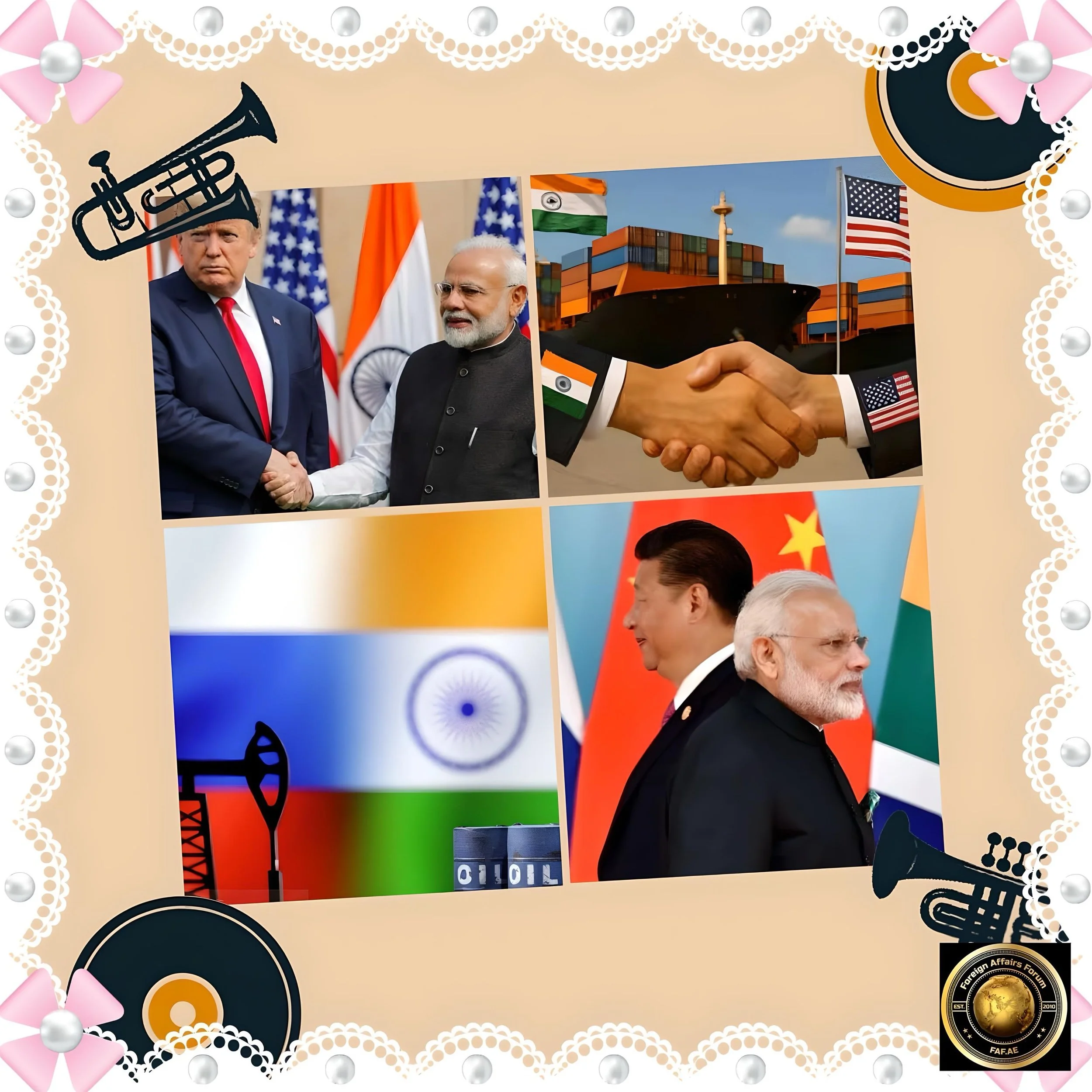
After five negotiations, the U.S.-India trade deal collapsed due to Trump’s escalating demands that India found unacceptable.
The breakdown centered on several key issues.
Agricultural Market Access
Trump demanded sweeping concessions from India, including unrestricted access to the country’s agricultural and dairy sectors—politically sensitive areas that employ nearly half its workforce.
Prime Minister Narendra Modi clarified that India would never compromise on farmers’ interests, even if it meant personally paying a “heavy price.”
Tariff Reductions
While India offered to reduce tariffs on industrial imports covering 40% of goods it buys from the U.S., including cars and alcohol, Trump wanted more.
He demanded duty-free access to American agricultural products, which India refused.
Strategic Miscalculation
The failed negotiations reveal Trump’s fundamental misunderstanding of Indian politics and priorities.
Unlike South Korea, which accepted a 15% tariff rate by committing to $350 billion in investments and concessions on rice and beef, India was unwilling to sacrifice its farmers’ interests.
The Tariff Escalation
When negotiations failed, Trump resorted to punitive measures.
He imposed an initial 25% tariff on Indian goods in August 2025, then doubled it to 50% specifically targeting India’s Russian oil purchases.
This move makes India, along with Brazil, one of the most heavily taxed U.S. trading partners.
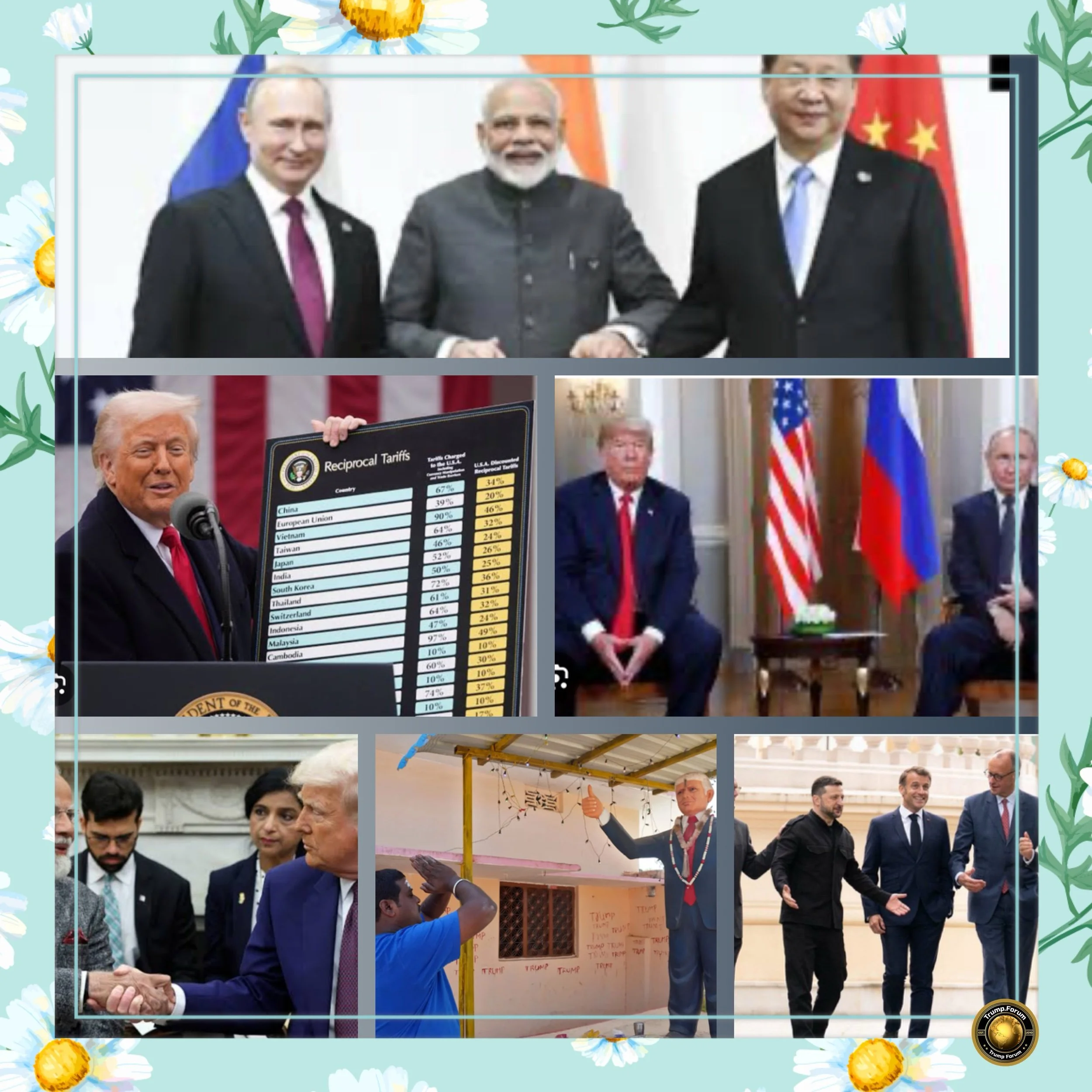
The tariff structure reveals Trump’s contradictory approach: while China receives a 30% tariff rate for similar behavior, India faces 50%—despite being America’s largest democratic partner in Asia and a crucial counterweight to Chinese influence.
The Russian Oil Hypocrisy: Selective Enforcement
The Numbers Don’t Lie
The most glaring contradiction in Trump’s policy lies in his selective targeting of India over Russian oil purchases.
According to data from multiple sources, China imported $62.6 billion worth of Russian oil in 2024, significantly more than India’s $52.7 billion. Yet Trump has focused his criticism almost exclusively on India.
Global Trade Reality
China remains the largest buyer of Russian fossil fuels, accounting for 38% of Russia’s monthly export earnings. Crude oil comprises 64% of China’s imports from Russia.
Despite sanctions, the European Union continues to import Russian energy, particularly LNG, valued at €728 million in June 2025 alone.
U.S. Double Standards
While criticizing India, the United States imports Russian uranium hexafluoride for its nuclear industry, palladium for electric vehicles, and fertilizers.
When confronted about this hypocrisy, Trump claimed ignorance: “I don’t know anything about it. I have to check it out”.
Strategic Implications
Trump’s selective enforcement appears driven by geopolitical calculations rather than principled opposition to Russian trade.
As former Indian trade official Ajay Srivastava noted, Trump’s decision was “hypocritical” because China bought more Russian oil than India, yet escaped criticism.
This approach risks pushing India closer to Russia and China while handing Beijing a strategic advantage.
Chinese refiners have quietly increased their Russian orders, anticipating reduced Indian competition and deeper discounts.
The Alaska Summit: Desperation or Strategy?
Putin Meeting Announcement
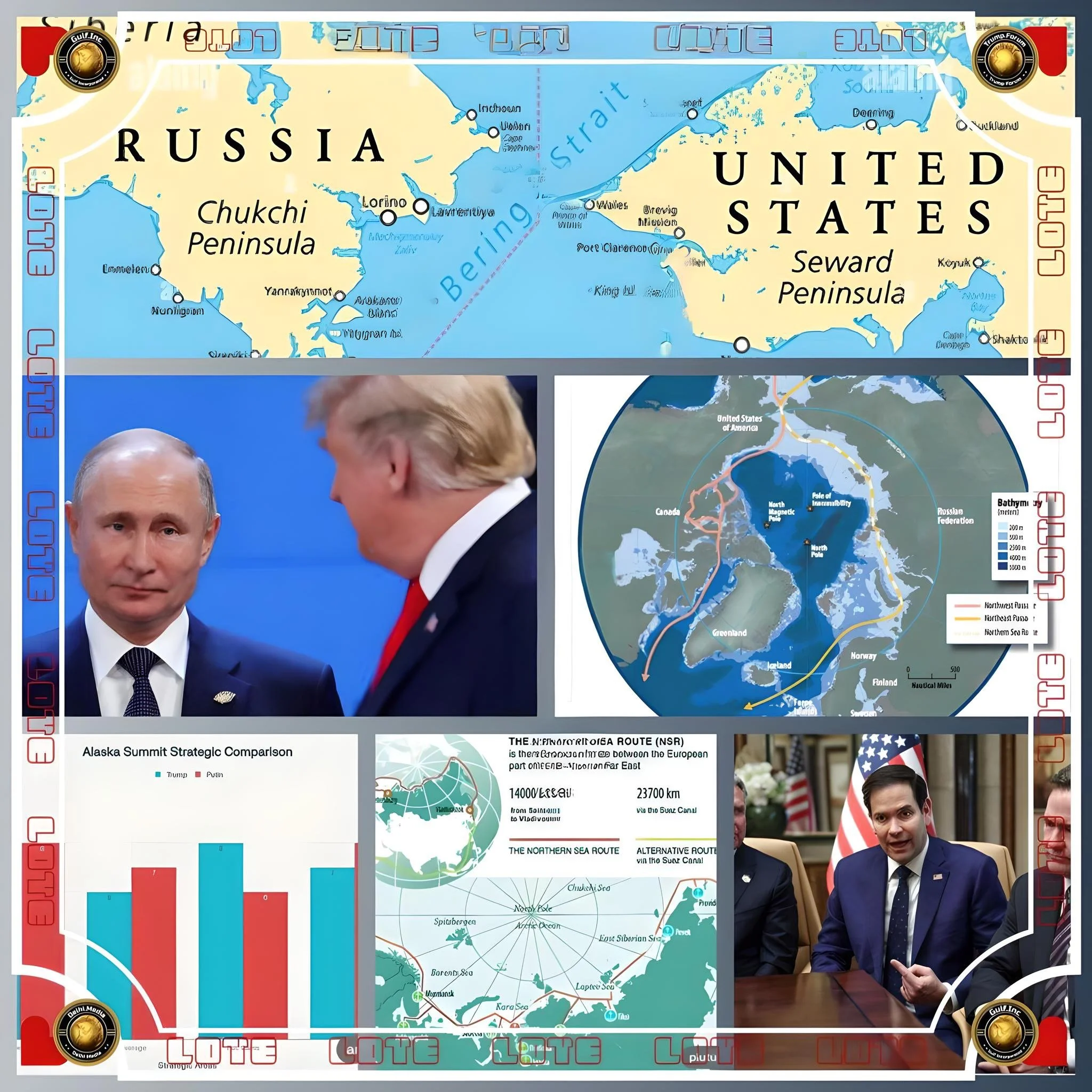
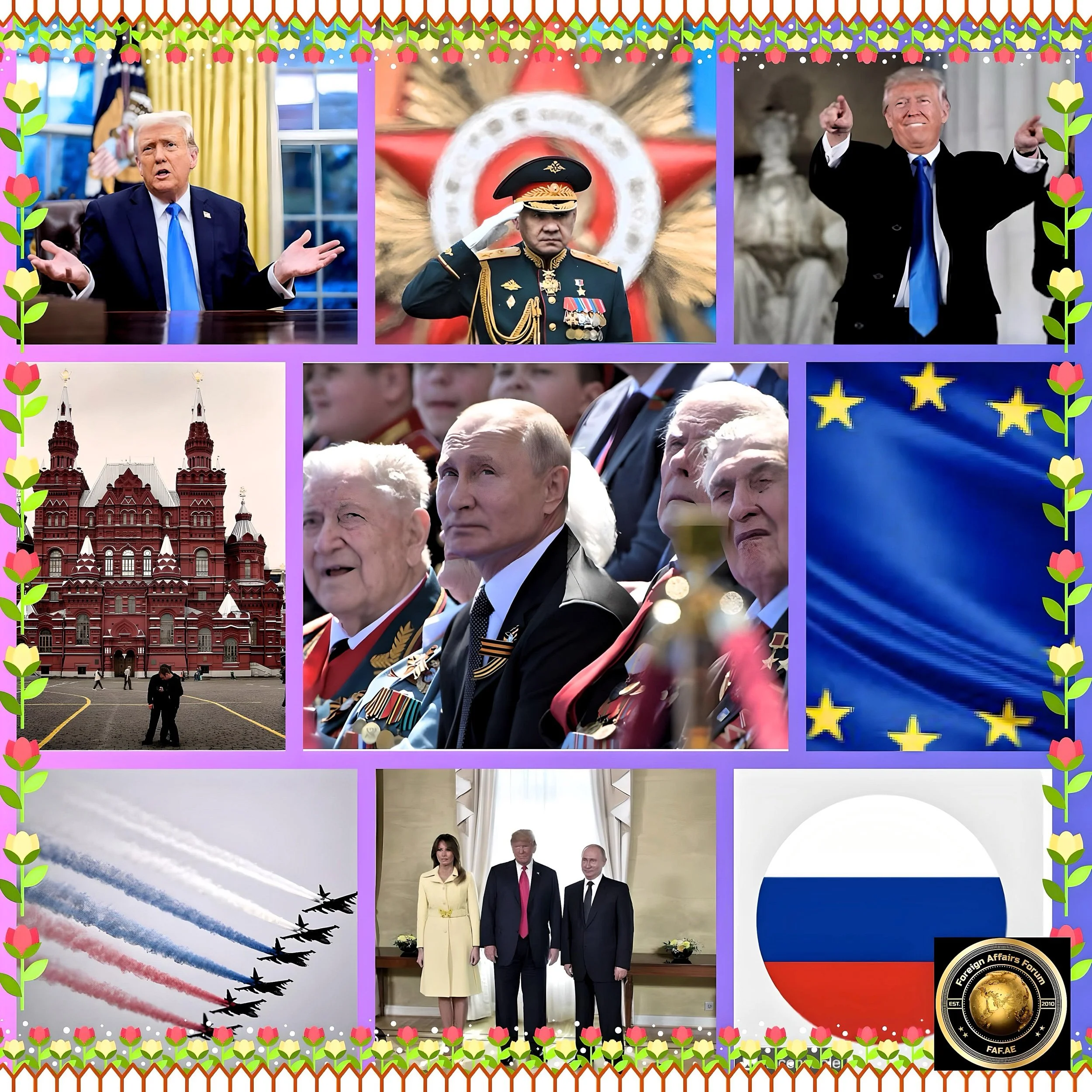
On August 15, 2025, Trump is scheduled to meet Vladimir Putin in Alaska—a symbolically loaded choice that has raised eyebrows among foreign policy experts.
The meeting comes after Trump’s self-imposed deadline for Russia to agree to a Ukraine ceasefire passed without results.
Symbolic Significance
The choice of Alaska, once part of the Russian Empire and sold to the U.S. in 1867 for $7.2 million, carries deep symbolic meaning for Russian nationalists who view the territory as lost land that should be returned.
As Michael McFaul, former U.S. ambassador to Russia, warned: “Trump has opted to host Putin in part of the former Russian Empire. I wonder if he realizes that Russian nationalists believe that losing Alaska, similar to Ukraine, was a raw deal for Moscow that must be rectified”.
Russian Perspective
Russian analysts view the summit as a victory, noting that Trump “swerved first” in agreeing to the meeting without securing Russian concessions on Ukraine.
The Kremlin sees this as an opportunity to portray Ukraine and Europe as barriers to peace while positioning Putin as Trump’s “genuine political ally”.
No Concessions Expected
Russian experts indicate that Moscow is unlikely to abandon its core objectives regarding Ukraine—demilitarization, establishment of a pro-Russian government, and neutral status outside NATO.
The proposed ceasefire involves Ukraine ceding the entire Donbas region and maintaining Russian control over Crimea, Kherson, and Zaporizhzhia—terms Ukraine has consistently rejected.
The Pakistani Connection: Courting Military Leadership
Unprecedented Access
Trump’s relationship with Pakistani Army Chief Field Marshal Asim Munir represents an unusual diplomatic gambit.
Munir has visited Washington twice in two months, including an unprecedented private lunch at the White House in June 2025.
This marked the first time a sitting U.S. president formally received a serving Pakistani army chief.
Strategic Calculations
The meetings appear designed to leverage Pakistan’s regional influence, particularly about Middle Eastern conflicts and counterterrorism operations.
Trump’s special envoy to the Middle East, Steve Witkoff, participated in the June meeting and suggested connections to Iran-related strategies.
Nuclear Threats and Regional Tensions
During his recent visit, Munir made extraordinary nuclear threats from U.S. soil, stating: “We are a nuclear nation, if we think we are going down, we’ll take half the world down with us”.
He also threatened to destroy Indian dams with “10 missiles,” highlighting the dangerous escalation in regional tensions.
The Imran Khan Issue
Trump reportedly told Munir to “resolve the situation with Imran Khan,” the imprisoned former Prime Minister, indicating U.S. domestic political considerations in Pakistan policy.
This creates a complex dynamic where Munir must balance U.S. demands with domestic Pakistani politics.
The Nobel Prize Obsession: Recognition Over Results
A Pattern of Nominations
Trump’s pursuit of the Nobel Peace Prize has become increasingly apparent through a coordinated campaign of international nominations. In 2025 alone, he has received nominations from:
Pakistan (June)
For allegedly mediating the India-Pakistan ceasefire, despite India’s denial of any foreign mediation.
Israel (July)
During a White House visit, Prime Minister Benjamin Netanyahu handed Trump a nomination letter.
Cambodia (August)
For intervening in the Cambodia-Thailand border conflict, though the ceasefire also involved Malaysian and Chinese mediation.
Armenia and Azerbaijan (August)
Both countries jointly nominated Trump after signing a peace agreement at the White House.
The Obama Factor
Experts suggest Trump’s Nobel obsession stems from a “narcissistic wound” over Barack Obama’s 2009 Peace Prize win. “The fact that Barack Obama won the Nobel Peace Prize is a narcissistic wound for Donald Trump,” noted one analyst. “He wants to do not just as well but better than him”.
Questionable Claims
Despite ongoing conflicts in Ukraine and Gaza—cornerstone promises of his 2024 campaign—Trump continues claiming credit for peace efforts.
His repeated false claims about mediating the India-Pakistan ceasefire, despite official denials from New Delhi, demonstrate the gap between rhetoric and reality.
Strategic Implications: Making China Great Again?
Unintended Consequences
Trump’s policies risk achieving the opposite of their intended effects.
He may inadvertently strengthen Beijing's position by pressuring India while giving China relative immunity.
Energy Security
As India scales back Russian oil imports under U.S. pressure, China gains access to cheaper energy resources and deeper discounts.
Regional Alignment
Alienating India—America’s most crucial democratic partner in Asia—risks pushing New Delhi closer to Russia and China, undermining the Quad partnership and Indo-Pacific strategy.
Economic Impact
The 50% tariffs could cut India’s exports to the U.S. by 40-50%, worth approximately $27 billion, while forcing Indian refiners to find alternative suppliers at higher costs.
The Strategic Paradox
As analyst Tony Yang observed, Trump’s approach creates “a troubling paradox” where “rather than weakening China’s position, the tariffs appear to generate economic headwinds at home, straining key alliances, and creating new opportunities for Beijing to expand its global influence”.
Conclusion
A Policy in Search of Coherence
Trump’s current approach toward India, Russia, and global partnerships reveals a foreign policy driven more by personal grievances and recognition-seeking than strategic coherence.
The combination of failed trade negotiations, punitive tariffs based on selective enforcement, unprecedented courting of Pakistani military leadership, and desperate pursuit of Nobel recognition suggests an administration struggling to translate campaign promises into effective policy.
The Alaska summit with Putin, scheduled against the backdrop of continued conflicts in Ukraine and Gaza, risks legitimizing Russian positions without securing meaningful concessions.
Meanwhile, while China continues similar behavior without consequences, India's alienation threatens to undermine decades of strategic partnership building in the Indo-Pacific.
Rather than representing a coherent “America First” strategy, these policies reflect Trump’s frustrations with multilateral diplomacy and his desire for international recognition.
Whether these contradictory approaches will achieve any lasting strategic gains or accelerate the relative decline of American influence in favor of rivals like China and Russia.
The coming months will test whether Trump can reconcile these contradictions or his administration will continue pursuing recognition over results, personality over policy, and short-term gains over long-term strategic interests.