Washington Must Emphasize Transparency and Sanctions in Congolese Critical Minerals Agreements
Executive Summary
The United States government should prioritize enhancing transparency and implementing strict sanctions in agreements related to critical minerals extraction in Congo.
It is essential to ensure that these agreements not only promote ethical mining practices but also hold companies accountable for their environmental and social impacts.
By focusing on clear guidelines and regular audits, Washington can help mitigate the risks of corruption and human rights abuses that often accompany these resource extraction deals.
Additionally, enforcing sanctions on those entities that violate these principles will further protect the interests of both local communities and the global market, ensuring that the critical minerals sourced from Congo contribute to sustainable development rather than exacerbating existing conflicts and inequalities.
Introduction
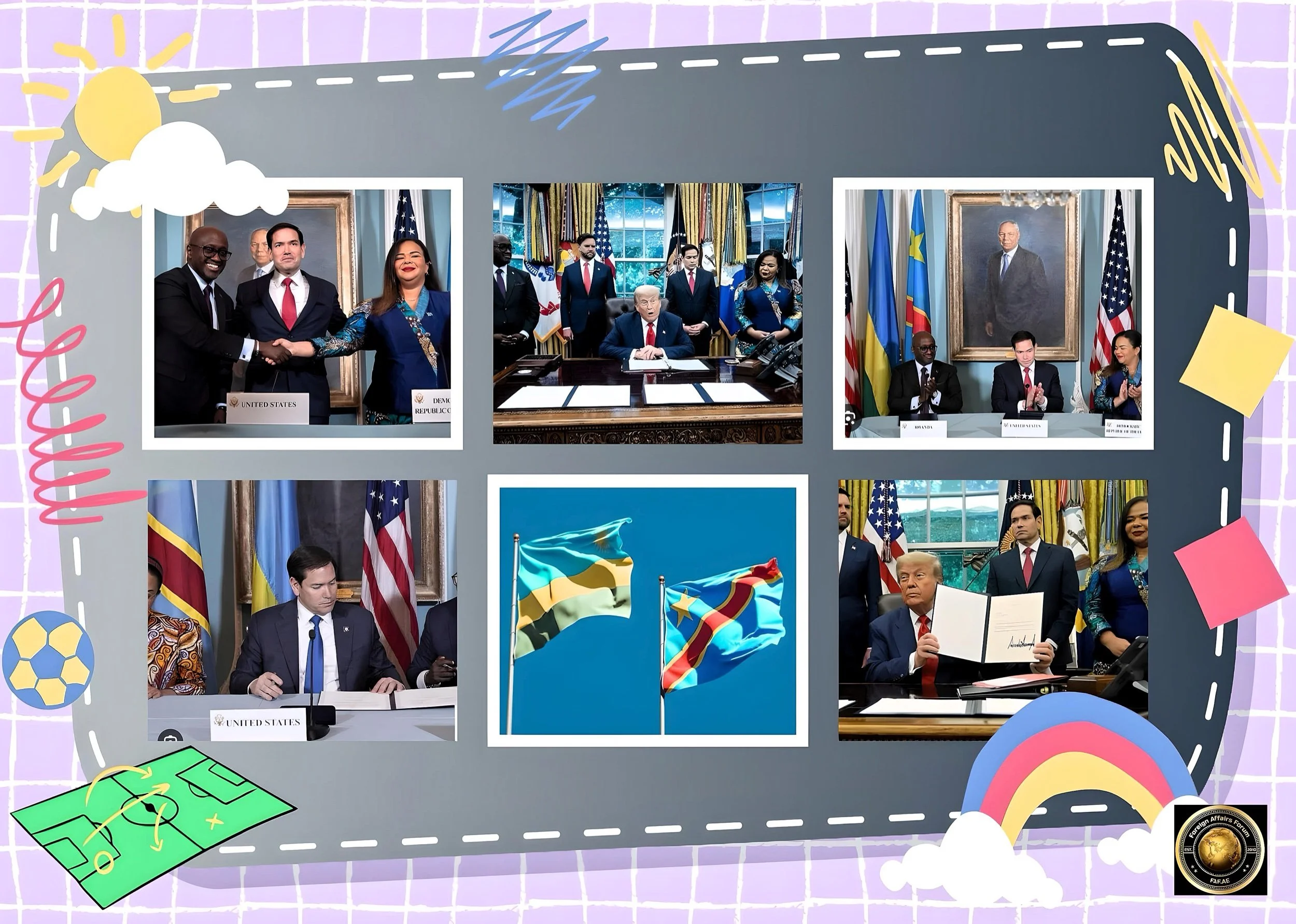
The June 2025 peace agreement between the Democratic Republic of the Congo (DRC) and Rwanda, brokered by the United States, represents a significant diplomatic breakthrough in addressing one of Africa’s most persistent conflicts.
However, as the initial celebration fades, the crucial question remains whether this deal will deliver lasting peace or inadvertently fuel further instability.
The answer largely depends on Washington’s commitment to transparency and sustained pressure through targeted sanctions.
The Promise and Peril of Peace
The Washington Accord, signed by foreign ministers on June 27, 2025, aims to end three decades of violence that has claimed approximately 6 million lives and displaced millions more.
The agreement requires Rwanda to withdraw its estimated 3,000-4,000 troops from eastern DRC within 90 days while committing the DRC to neutralizing the Democratic Forces for the Liberation of Rwanda (FDLR), a Hutu militia group formed by perpetrators of the 1994 genocide.
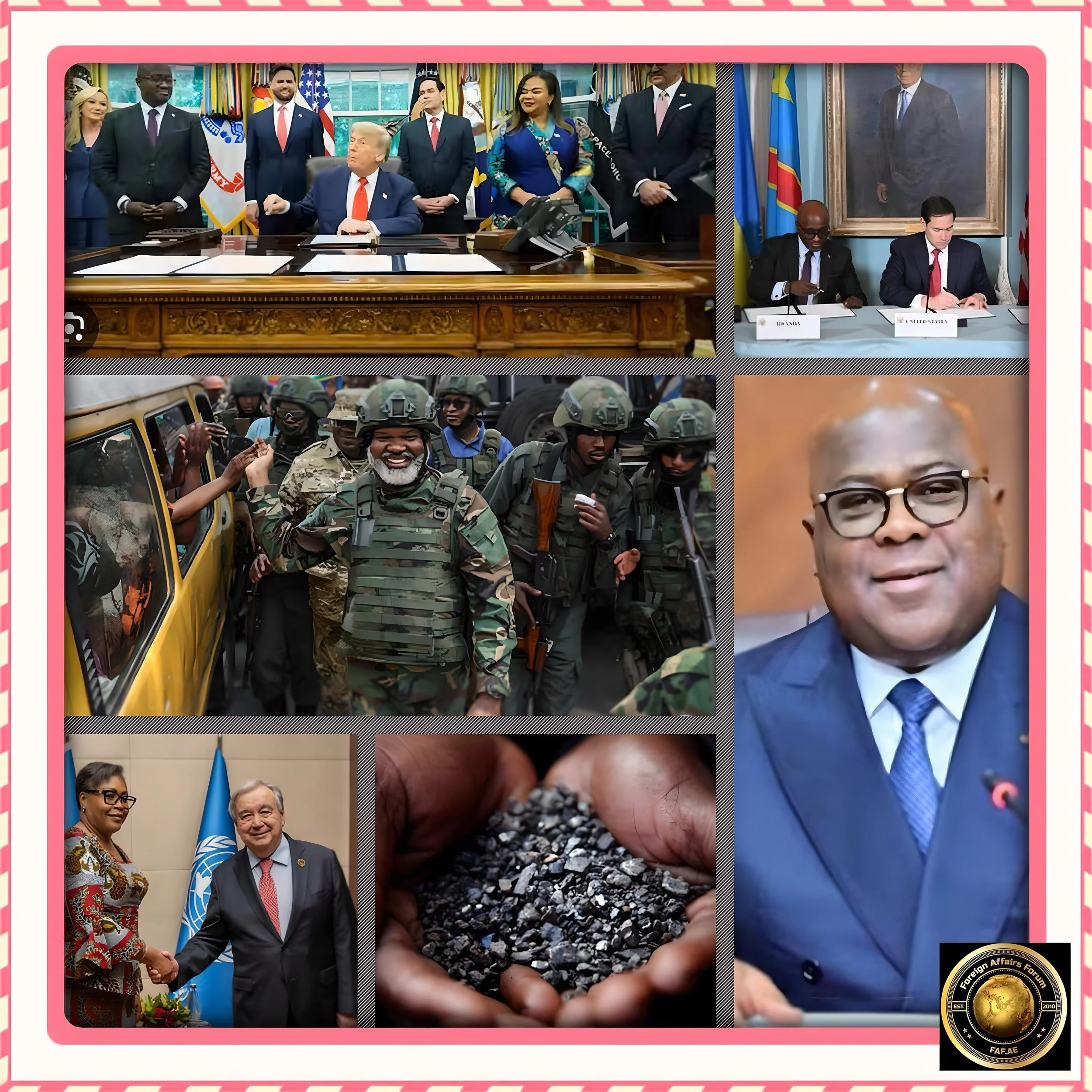
Central to this peace framework is a proposed regional economic integration that would grant the United States preferential access to Congo’s vast mineral wealth—including 74% of the world’s cobalt reserves, significant copper deposits, and substantial lithium resources—in exchange for security guarantees and investment.
This arrangement directly challenges China’s current dominance in Congo’s mining sector, where Chinese companies have maintained control over extraction and processing for two decades.
Early Implementation Challenges
Despite diplomatic fanfare, ground realities reveal concerning gaps in implementation.
The joint security coordination mechanism, mandated to be established within 30 days of signing, was delayed and only held its first meeting in early August.
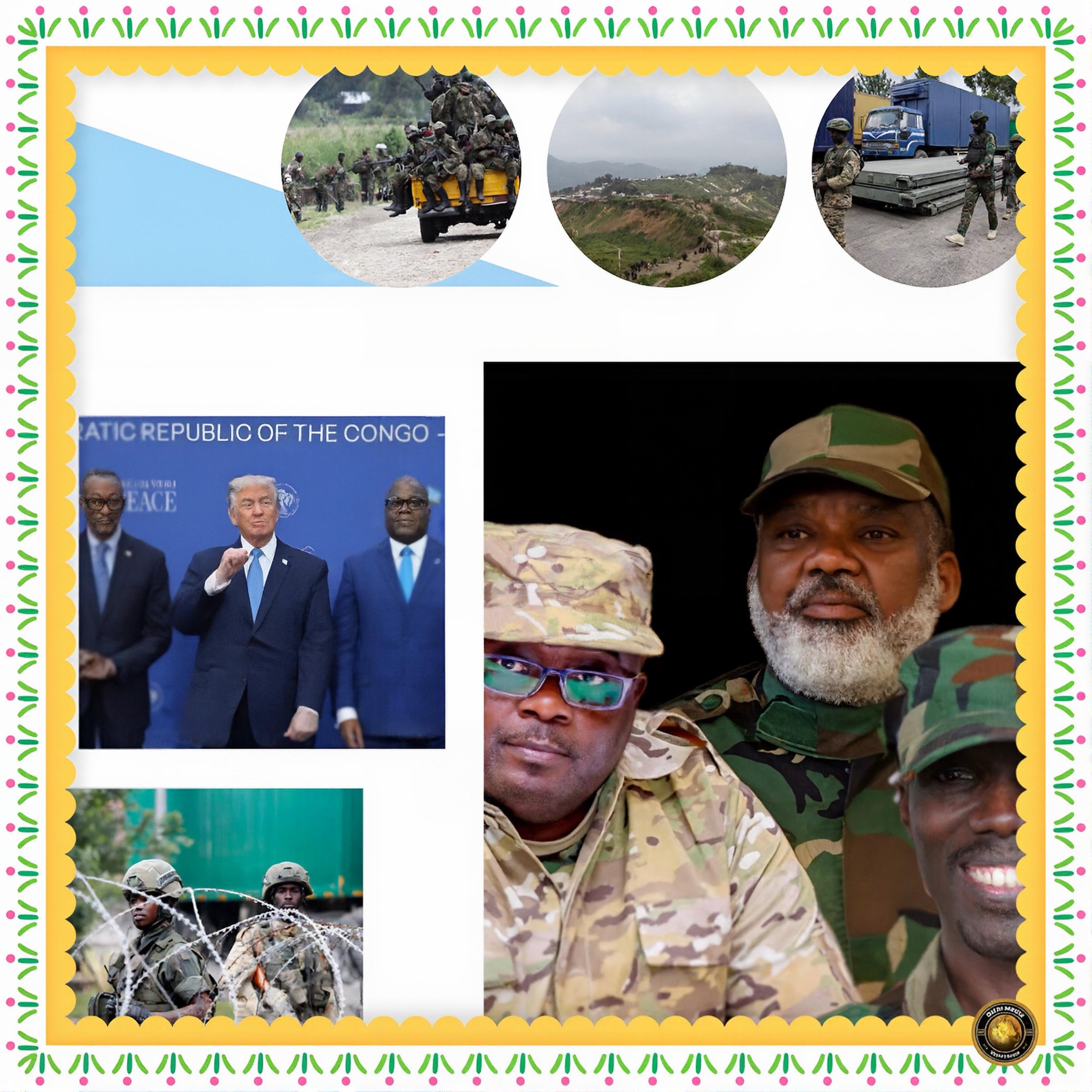
More troubling, M23 rebels have made additional territorial gains since the agreement, capturing the strategic town of Walikale and effectively controlling transportation routes across multiple provinces.
The Rwanda-backed M23 continues to occupy major cities including Goma and Bukavu, having displaced over 400,000 people in their January 2025 offensive alone.
UN experts report that M23 maintains a sophisticated parallel administration in occupied territories, systematically replacing Congolese government institutions while facilitating illegal mineral extraction worth tens of millions of dollars monthly.
The Critical Role of Financial Pressure
The limited progress toward peace can be directly attributed to insufficient financial pressure on key actors.
The February 2025 US sanctions on Rwanda’s Minister of State James Kabarebe and M23 spokesperson Lawrence Kanyuka represent important steps, but their scope remains narrow.
European Union sanctions imposed in March 2025, including measures against Rwanda’s Gasabo Gold Refinery—a key facility for processing illegally extracted Congolese minerals—demonstrate the potential effectiveness of targeted financial measures.
However, these sanctions have not been sufficiently comprehensive or coordinated to alter the fundamental cost-benefit calculations driving the conflict.
Rwanda continues to profit significantly from illegal mineral extraction, with UN experts documenting the fraudulent export of over 1,150 tonnes of coltan to Rwanda in 2024 alone.
Without addressing these revenue streams, peace agreements remain vulnerable to economic incentives that perpetuate violence.
The Transparency Imperative
The proposed US-DRC minerals agreement raises significant concerns about contract transparency and accountability.
Historical precedent demonstrates that opaque resource deals often fuel conflict rather than resolve it.
The Democratic Republic of Congo’s experience with Chinese mineral agreements—characterized by limited transparency and questionable benefit-sharing—offers a cautionary example of how resource partnerships can undermine rather than strengthen governance.
Critical minerals contracts must include mandatory disclosure provisions, regular auditing mechanisms, and community benefit-sharing requirements to avoid replicating past exploitation patterns.
The involvement of companies like KoBold Metals, backed by prominent investors including Bill Gates and Jeff Bezos, presents an opportunity to establish new transparency standards in the sector.
Furthermore, any regional economic integration framework must include robust safeguards against mineral smuggling and illicit trade.
Current supply chain opacity enables armed groups to profit from resource extraction while avoiding accountability.
Implementing comprehensive traceability systems and supporting local mining cooperatives can help ensure that mineral wealth contributes to development rather than conflict.
Recommendations for Sustained Engagement
Expand Targeted Sanctions: Washington should coordinate with European allies to impose comprehensive sanctions on individuals and entities profiting from illegal mineral extraction.
This includes expanding measures beyond individual actors to target entire supply chain networks facilitating illicit trade.
Mandate Contract Transparency
Any US-DRC minerals agreement must include binding transparency provisions requiring public disclosure of contract terms, benefit-sharing arrangements, and environmental safeguards.
This transparency is essential for building public trust and preventing corruption.
Strengthen Monitoring Mechanisms
The joint oversight committee established under the Washington Accord requires enhanced capacity and authority to monitor compliance with peace agreement terms. Independent monitoring of mineral extraction and trade flows must be central to this oversight function.
Support Civil Society
Washington should invest in strengthening Congolese civil society organizations and independent media capable of monitoring resource governance and holding both government and corporate actors accountable.
Maintain Financial Pressure
Sanctions relief should be carefully calibrated to reward genuine progress toward peace while maintaining pressure for full compliance with agreement terms.
Premature sanctions lifting risks undermining the primary leverage mechanism that brought parties to the negotiating table.
Conclusion
Long-term Stability Requires Sustained Commitment
The excitement surrounding the initial peace agreements must not lead to reduced pressure that contributed to current progress.
Historical analysis of peace processes in the Great Lakes region demonstrates that sustainable agreements require sustained international engagement and pressure beyond initial signing ceremonies.
M23’s continued territorial expansion and Rwanda’s persistent support for the group indicate that both parties view the current agreements as tactical rather than strategic concessions.
Only sustained economic pressure, combined with transparent resource governance frameworks, can alter the fundamental incentive structures driving this conflict.
The United States faces a critical choice: pursue a transactional minerals-for-security arrangement that risks replicating historical patterns of resource exploitation, or champion a transparency-based approach that could establish new standards for responsible resource governance in conflict-affected regions.
The latter path requires greater upfront investment in monitoring and accountability mechanisms but offers the only realistic prospect for lasting peace and stability.
Without meaningful transparency requirements and sustained sanctions pressure, the current peace agreements risk becoming another chapter in the DRC’s tragic history of resource deals that enrich external actors while perpetuating local suffering.
Washington’s next moves will determine whether this diplomatic breakthrough becomes a foundation for genuine peace or merely a prelude to intensified resource competition.