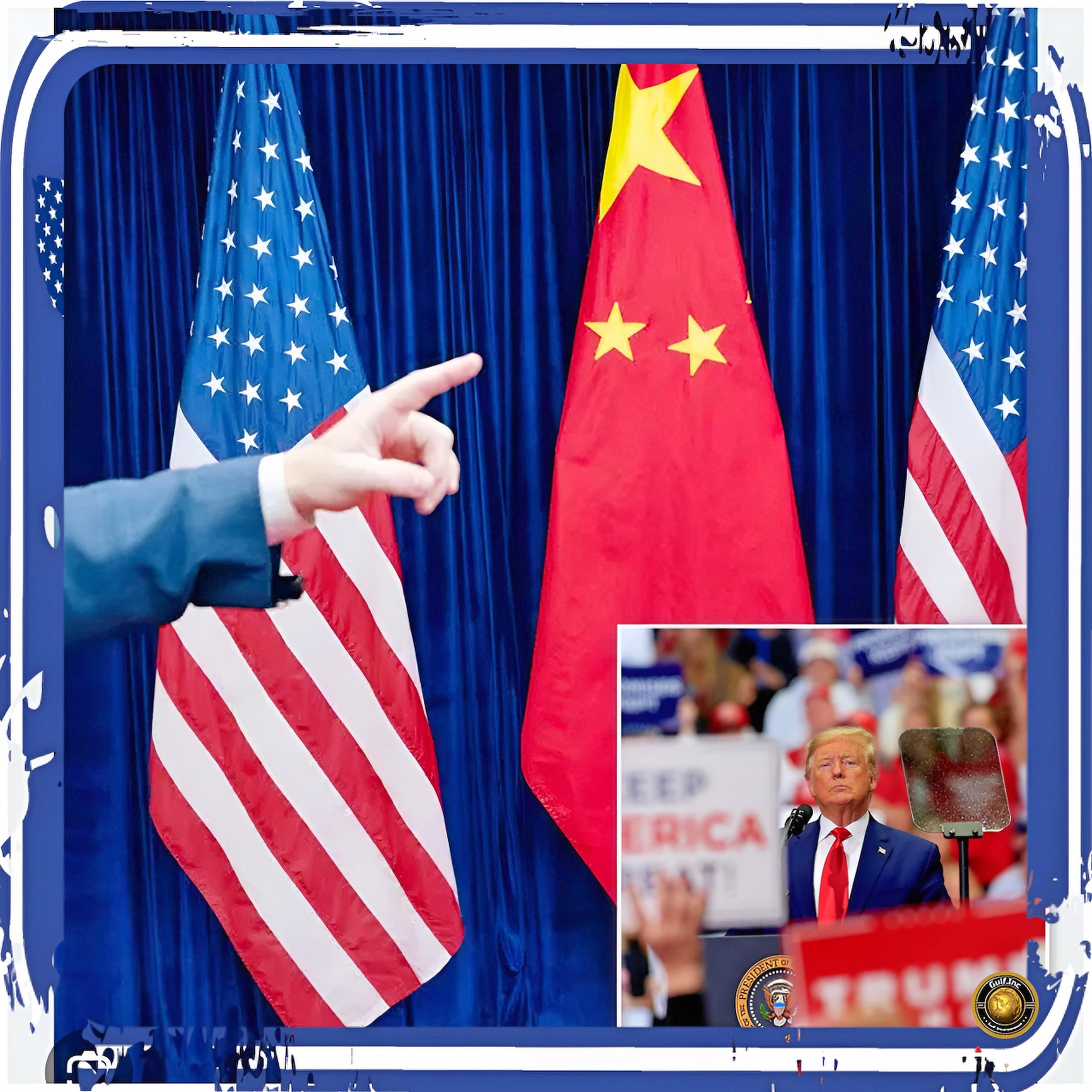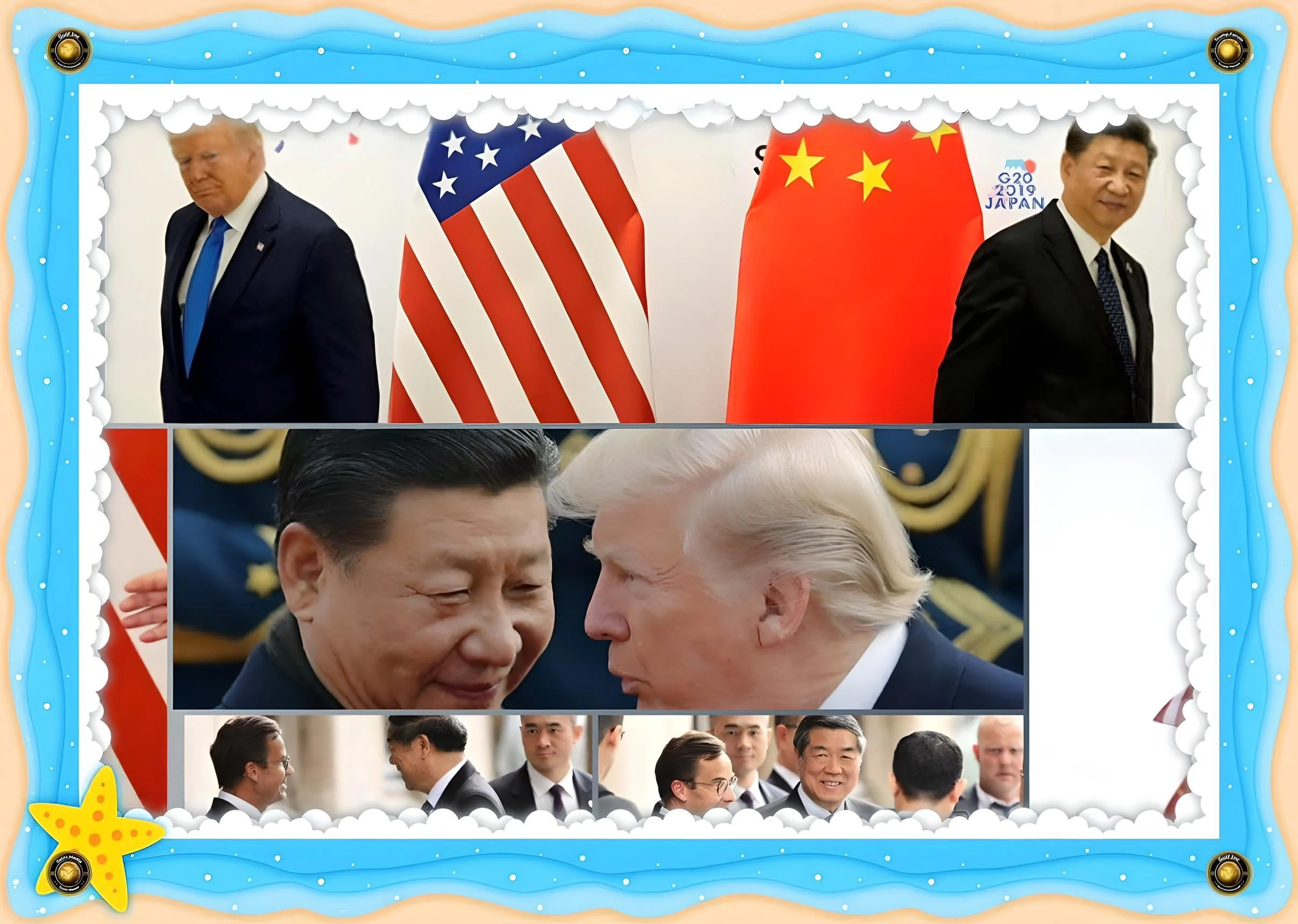
Signs of a U.S.–China Rapprochement Ahead of the Trump–Xi Summit
Executive Summary
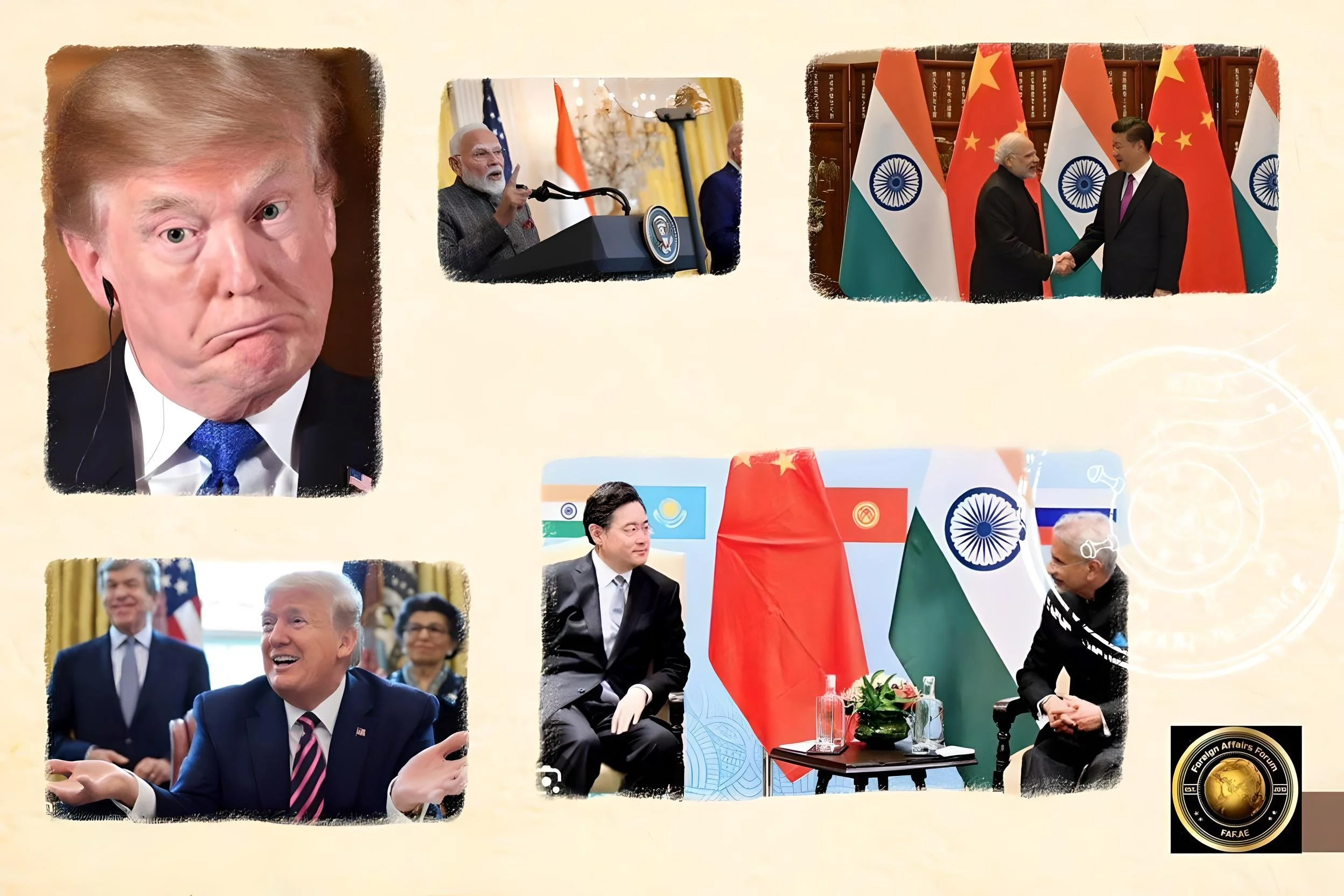
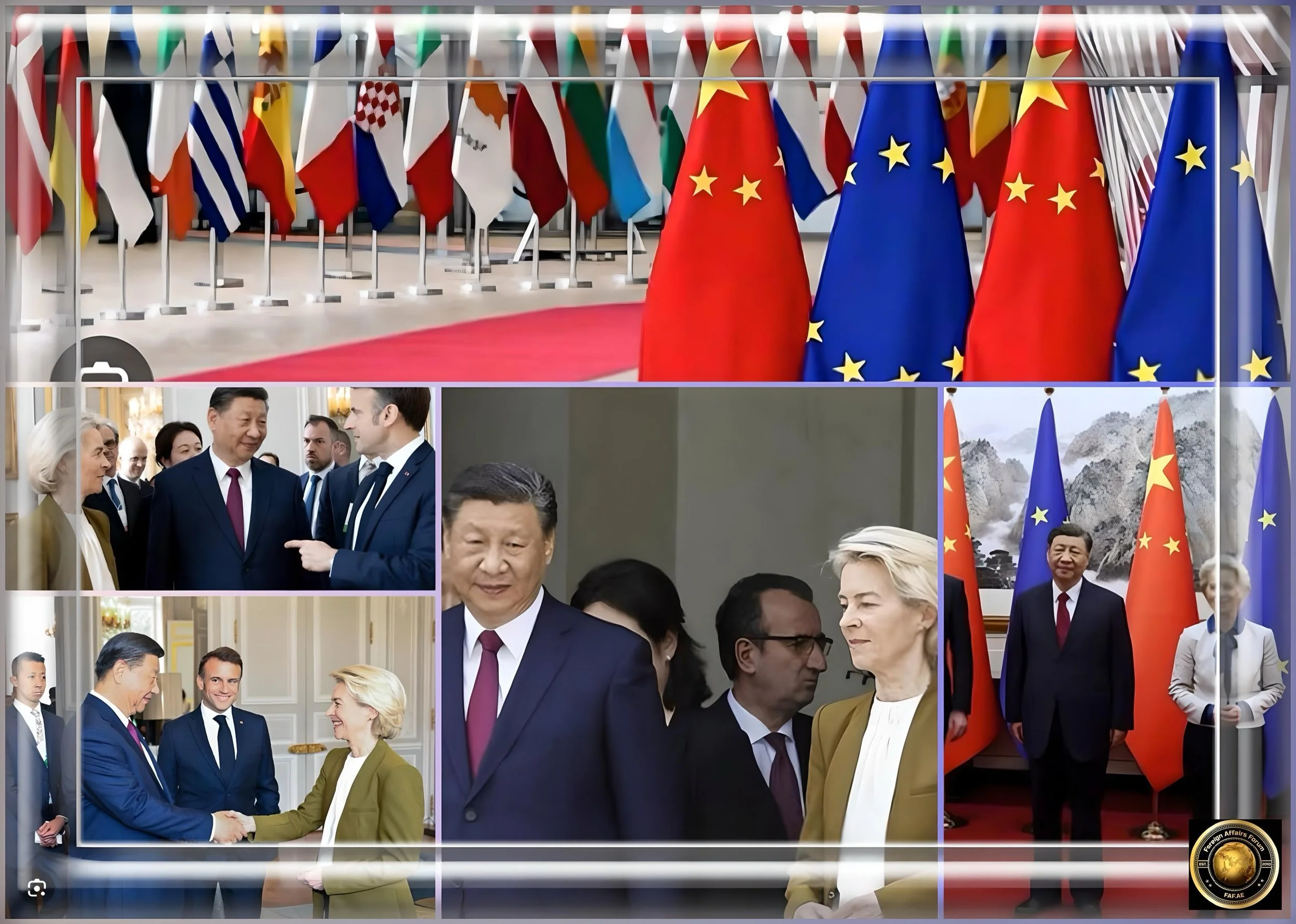
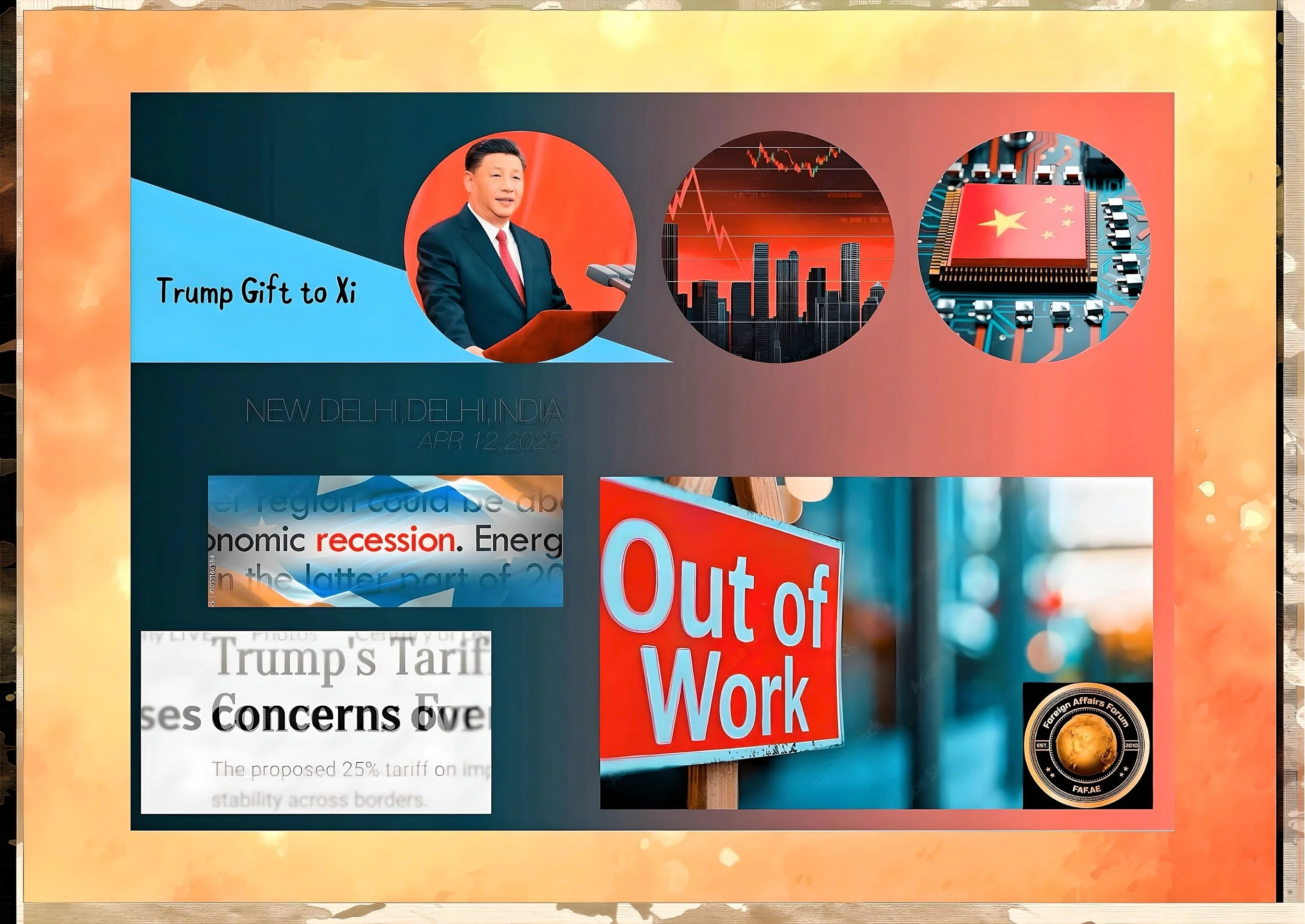
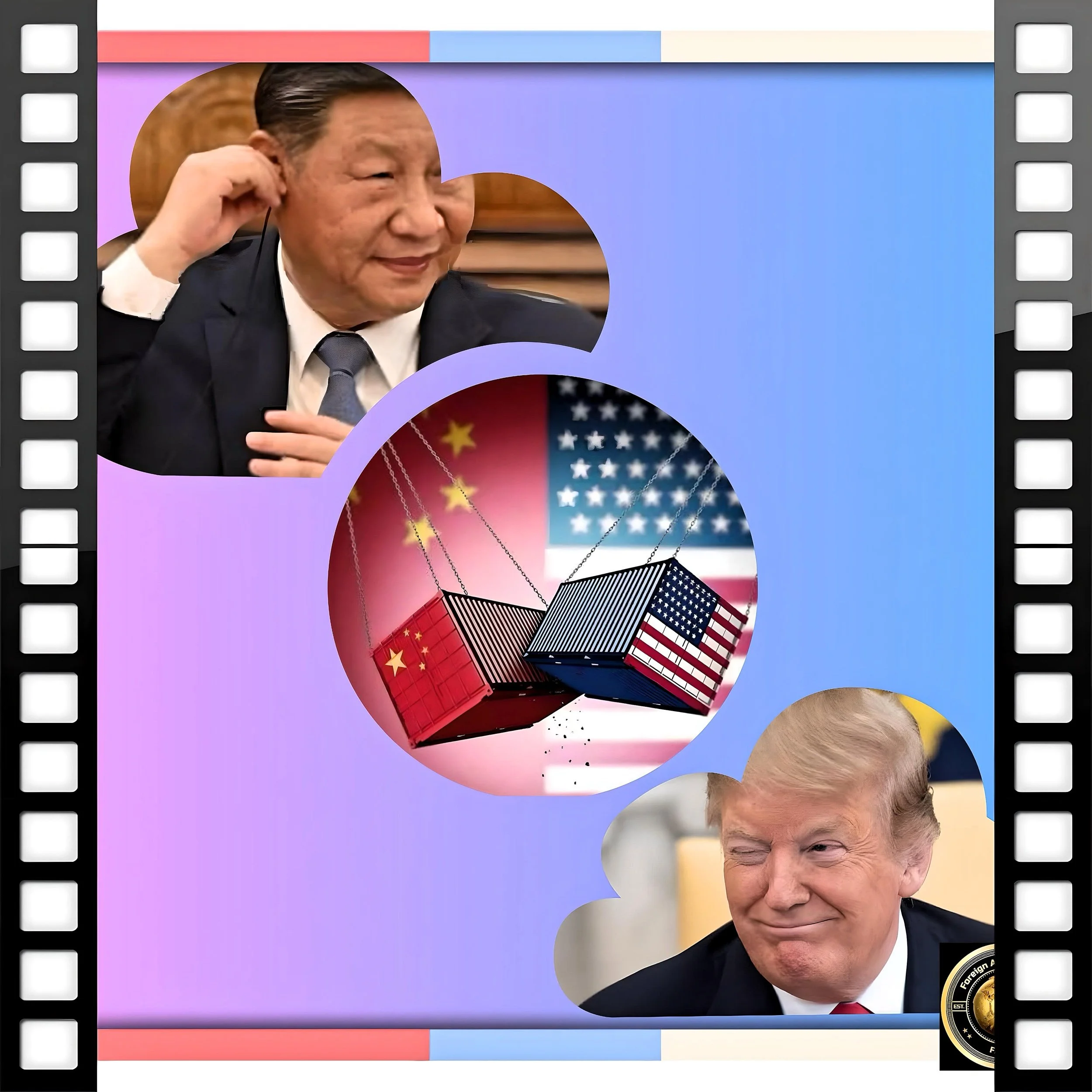
As we approach the pivotal summit between President Trump and President Xi Jinping, there are emerging indicators suggesting a potential thaw in U.S.–China relations.
This forthcoming meeting could mark a significant turning point in diplomatic engagements, fostering dialogue on key global issues.
Let’s delve into the signs that point towards a renewed collaboration between these two world powers, exploring economic, political, and security dimensions that could redefine their partnership.
Introduction
All indicators from the recent high-level engagements suggest that the Trump–Xi meeting this fall may mark a genuine pivot from confrontation to cooperation in U.S.–China relations.
Recent negotiations in Stockholm have stabilized the trade war, both sides are coordinating on key economic and security issues, and both presidents have publicly signaled a willingness to reset ties.
Taken together, these developments point toward a substantive breakthrough at the upcoming summit.
Stockholm Talks Solidify a Tariff Truce
In late July 2025, U.S. Treasury Secretary Scott Bessent and Chinese Vice Premier He Lifeng met in Stockholm to negotiate an extension of the 90-day tariff pause that had eased the worst of the tit-for-tat levies imposed earlier in the year.
They agreed to extend current U.S. tariffs at 30% on Chinese goods and China’s 10% duties on U.S. products, averting a snapback to triple-digit rates and preventing further supply-chain shocks.
Both sides described the talks as “constructive,” “in‐depth,” and “progressing positively,” with China’s negotiator Li Chenggang confirming the extension and Bessent planning to brief President Trump on remaining issues.
These negotiations not only forestalled a trade freeze but also produced mutual assurances that paved the way for a leaders’ meeting.
Political Signaling from Both Capitals
Beyond trade, both administrations have taken symbolic and practical steps that signal readiness for a deeper rapprochement:
President Trump publicly downplayed hawkish rhetoric and emphasized that he might visit China “at the invitation of President Xi,” underscoring personal goodwill and opening the door to face-to-face engagement.
Chinese officials, including Commerce Minister Wang Wentao, have called for “more consensus and cooperation,” explicitly linking trade talks to preparations for a Trump–Xi summit this fall.
Senior U.S. envoys signaled that cooperation would extend beyond tariffs to joint efforts on energy investments, fentanyl precursor controls, semiconductors, and Taiwan, foreshadowing a broad agenda for the summit.
Together, these statements reflect mutual appetite for a “great rebalancing” that reaches into economic, security, and geopolitical domains.
Strategic Convergence on Core Issues
Analysis by Graham Allison in Foreign Policy identifies four drivers behind Trump’s and Xi’s alignment:
Trump’s personal affinity toward Xi and belief that a strong U.S. economy depends on stable China relations.
Recognition in Washington that decoupling is neither feasible nor desirable for non-military sectors.
Trump’s desire to be remembered as a deal-maker and peacemaker, with China as his best shot at a signature legacy.
Trump’s relatively dovish stance on Taiwan, reducing a major flashpoint that historically derailed U.S.–China convergence.
Xi Jinping likewise views stable ties as vital for China’s economic recovery and his domestic legitimacy, making both leaders’ incentives closely aligned for a summit breakthrough.
Agenda and Anticipated Outcomes
Based on preparatory meetings and insiders’ forecasts, the Trump–Xi summit later this year (likely October 30–November 1 around APEC in South Korea) is expected to yield:
A roadmap for phased tariff reductions and longer-term mechanisms to address structural imbalances.
Chinese commitments to curb fentanyl precursor exports and enhance market access for U.S. high-tech firms.
U.S. assurances on limiting export controls to narrowly defined national-security goods, notably in semiconductors.
Progress toward a stable understanding on Taiwan, whereby the United States would reaffirm its One-China policy in exchange for Beijing’s restraint.
A joint statement launching new energy and manufacturing investments, potentially totaling over $100 billion in bilateral projects.
If realized, these deliverables would represent the most substantial reset in bilateral ties since 2017, transforming rivalry into managed competition.
Conclusion
The recent extension of the trade truce in Stockholm marks a significant milestone in U.S.-China relations, accompanied by notable diplomatic gestures and shared interests focused on key security and economic challenges.
As we approach the highly anticipated summit between President Trump and President Xi, the atmosphere is charged with optimism, indicating the potential for a landmark agreement that could reshape this vital partnership.
This upcoming meeting is expected to be more than just a ceremonial gathering for photographs; it is poised to establish a pragmatic alliance that addresses pressing global issues.
The stakes are high, as the world watches two of its largest economies work towards stabilizing their often contentious relationship, with implications that could resonate across international markets and geopolitical landscapes for many years to come.