US-China Tariff War: Why Trump Believes Xi Jinping Will Concede First
Introduction
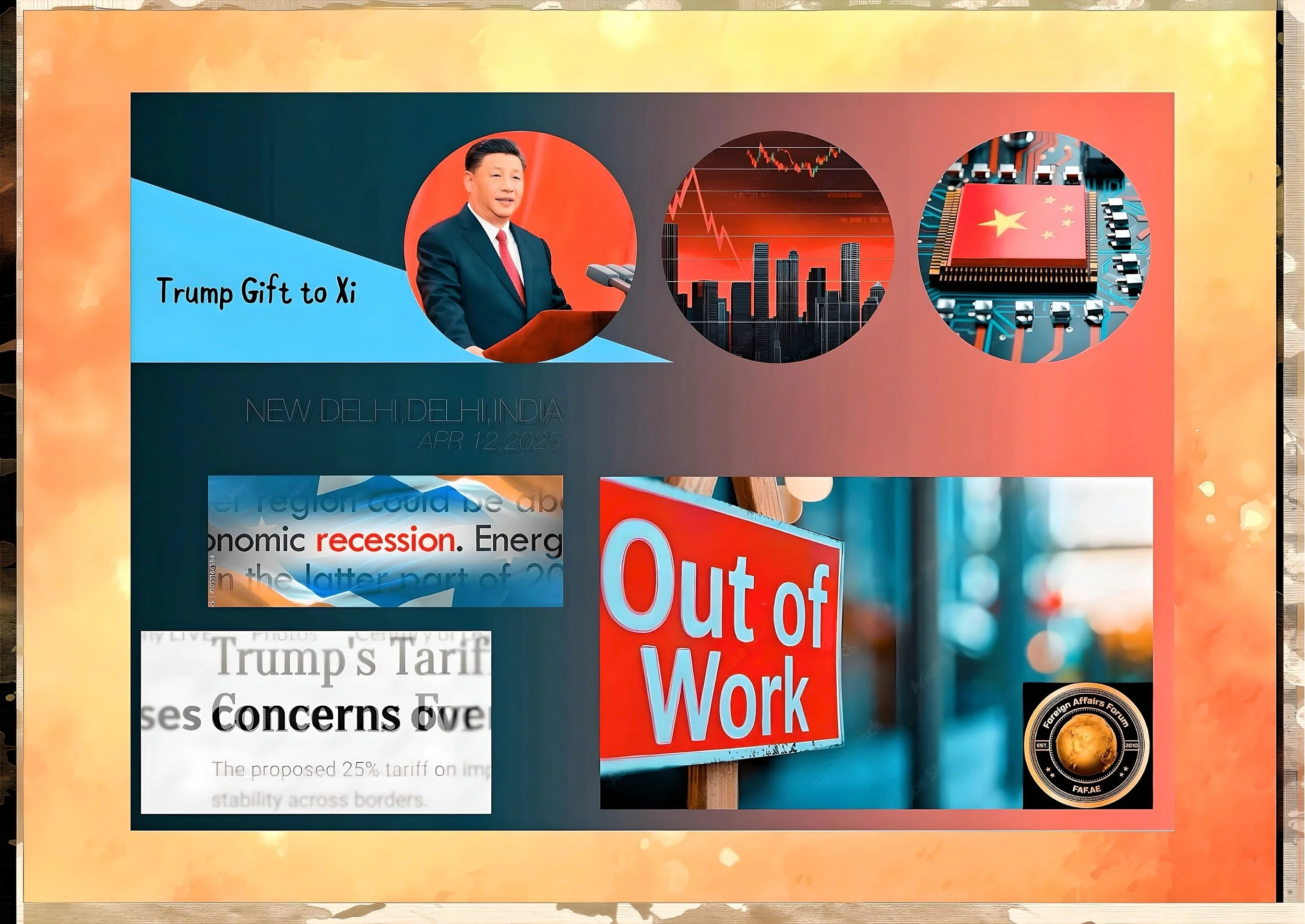
The escalating trade conflict between the United States and China has reached unprecedented levels, with tariffs on Chinese goods potentially reaching 245% and retaliatory measures threatening to disrupt global trade.
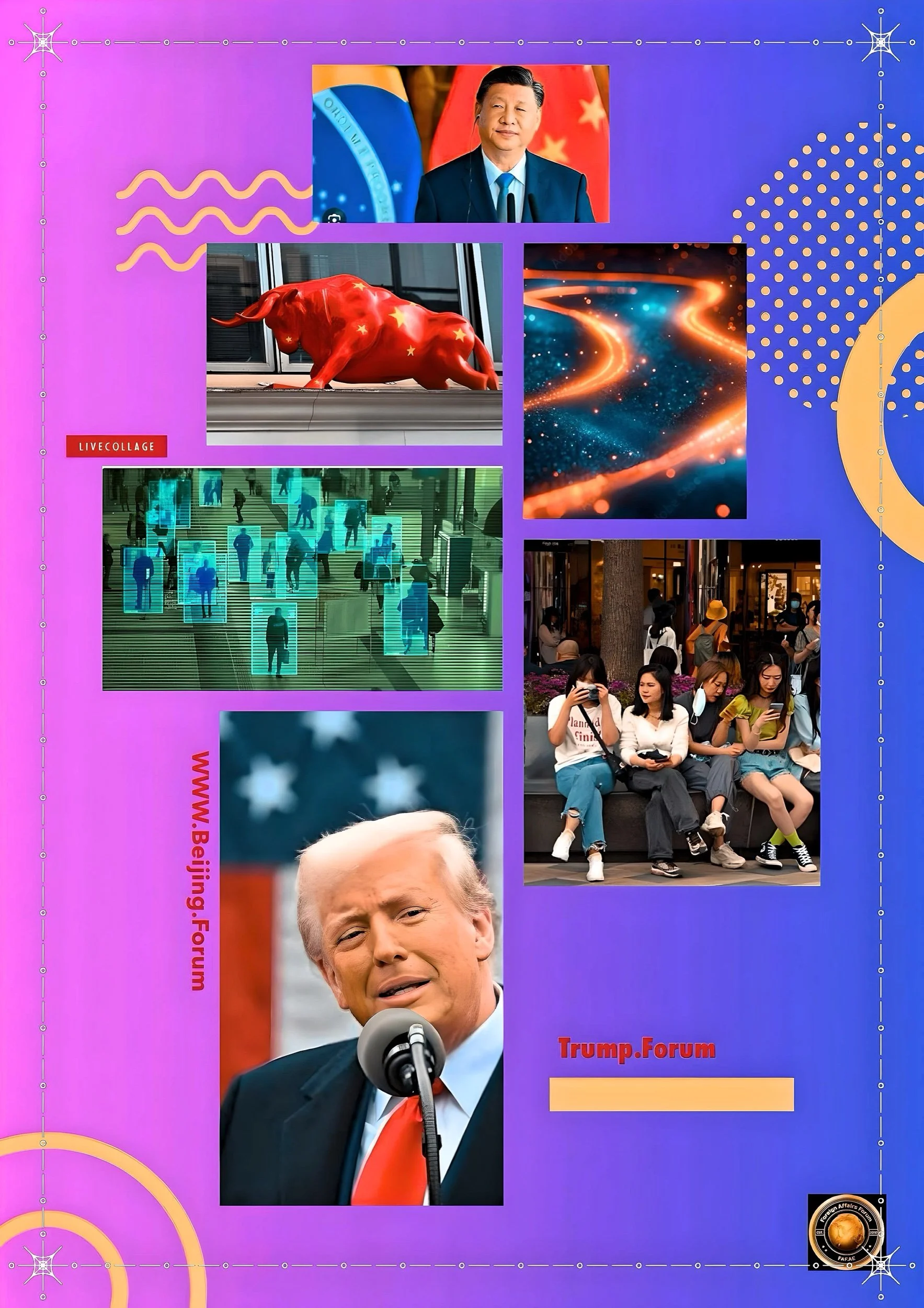
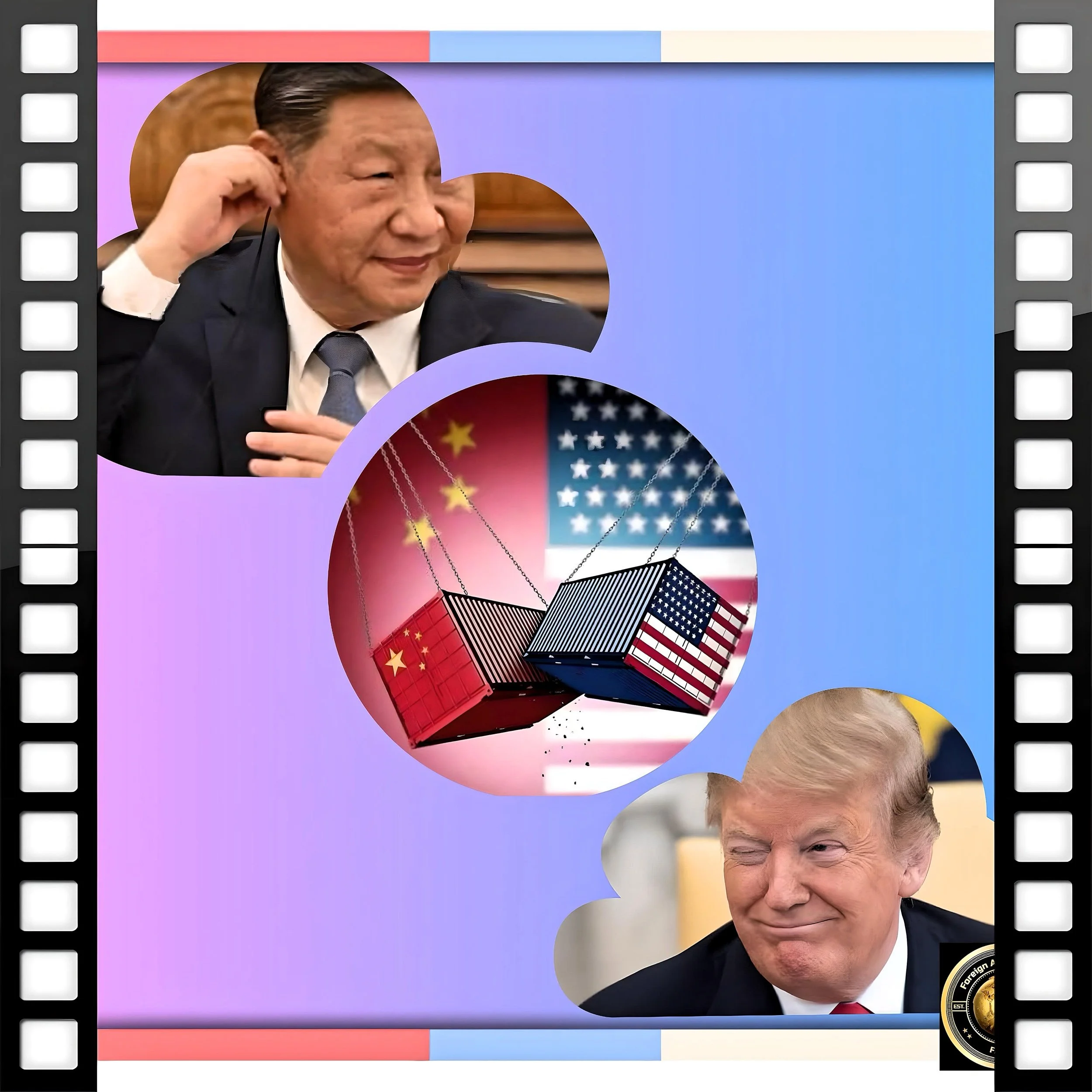
At the center of this economic standoff are two influential leaders—Donald Trump and Xi Jinping—who are convinced the other will eventually capitulate.
President Trump has signaled explicitly that he expects China to initiate negotiations, particularly after Beijing reportedly backed out of a significant Boeing aircraft deal.
FAF examines why Trump believes he is stronger in this high-stakes economic confrontation and analyzes the strategic calculations on both sides.
The Escalating Tariff Battle
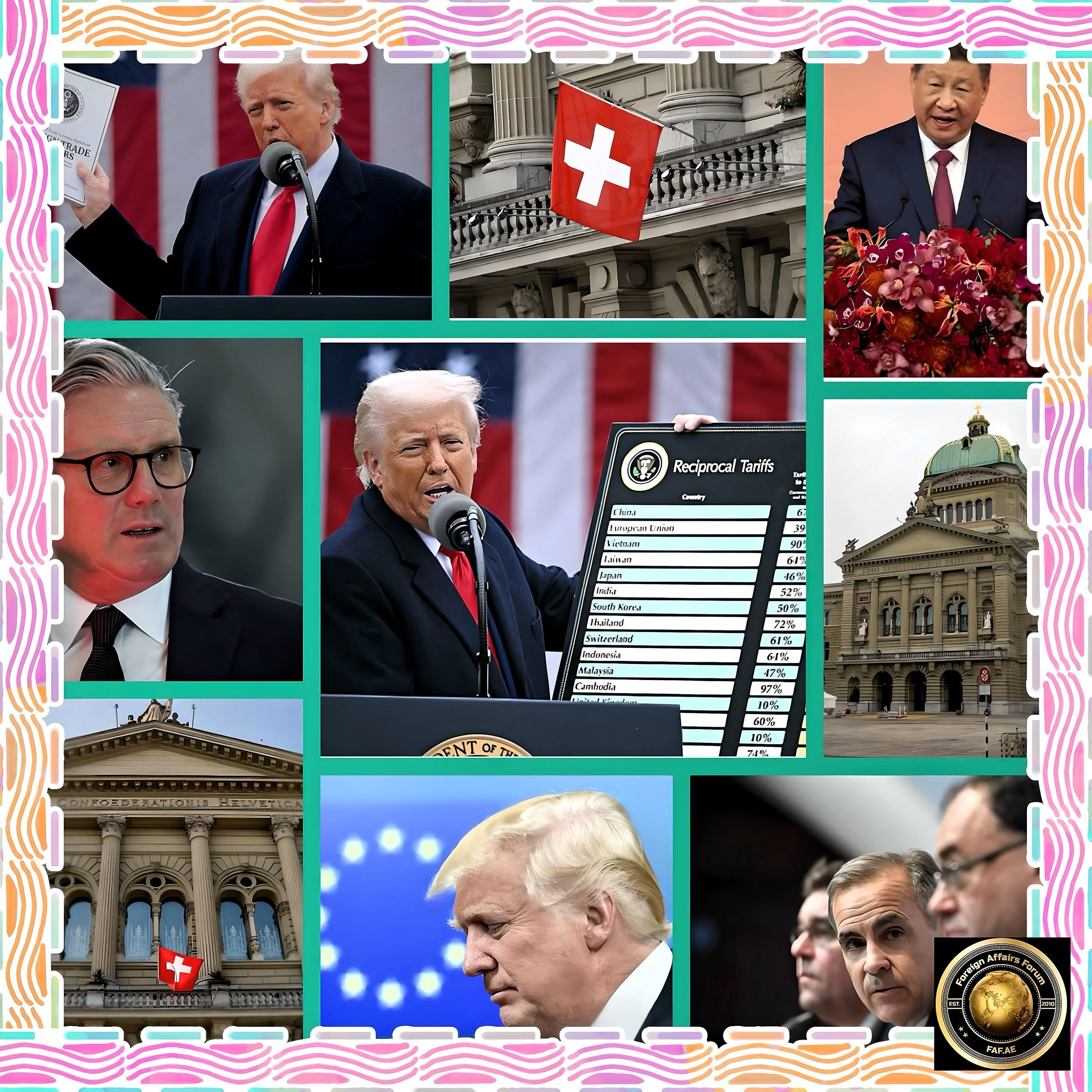
The trade war between the world’s two largest economies has recently intensified. President Trump has imposed a 145% tariff on Chinese imports, consisting of a 125% tariff plus an earlier 20% levy aimed at pressuring China over fentanyl trafficking.
This represents a significant increase from the 10% tariff Trump initially implemented in January upon returning to office.
Moreover, the White House recently released a fact sheet detailing additional tariffs ranging from 7.5% to 100% that could emerge from national security assessments initiated under the Trade Act of 1974, potentially pushing the total to 245%.
Beijing has responded forcefully with its own 125% tariff on American goods. The Chinese government has characterized Trump’s increasing tariffs as “tariff bullying” and a “joke” due to their lack of “economic relevance.”
Beyond tariffs, China has implemented non-tariff retaliatory measures, including restricting the distribution of Hollywood films and instructing domestic airlines to halt Boeing deliveries.
This tit-for-tat escalation represents an unprecedented economic conflict between the leading global powers, with both sides waiting for the other to yield.
On Wednesday, the World Trade Organization (WTO) warned that global trade volume is anticipated to contract 0.2% in 2025 under existing conditions—“almost three percentage points lower” than in a scenario with low tariffs.
The Boeing Deal Breakdown
A significant flashpoint in this trade war emerged when China reportedly instructed its domestic airlines to cease accepting deliveries of Boeing jets and to refrain from purchasing related parts and equipment from American manufacturers.
President Trump promptly accused China of backing out of a “significant aircraft agreement with Boeing,” though he did not provide details on the scope or value of the alleged deal.
The halt in Boeing deliveries represents a substantial blow to the American aerospace giant. Since 2019, it has faced challenges in the Chinese market, partly due to trade tensions during Trump’s first term.
Boeing’s vulnerability in this trade dispute stems from its manufacturing model—all aircraft are produced in US facilities, and nearly two-thirds are destined for international clients.
The company plays a vital role in the US economy, contributing approximately $79 billion and supporting around 1.6 million jobs directly and indirectly.
China represents the largest market for aircraft acquisitions globally, and Boeing’s recent projections suggest that Chinese airlines will order 8,830 new planes over the next two decades.
Thus, delaying deliveries has significant economic implications for Boeing and the US economy. It could redirect aircraft to other markets, such as India, where carriers have expressed frustration over postponed deliveries.
Trump’s Strategic Calculation
President Trump’s confidence that Xi will eventually concede rests on several key assumptions about China’s economic vulnerabilities and dependence on the US market.
Trade Dependence and Isolation Strategy
The Trump administration’s current theory is that making tariff deals with countries throughout Asia and globally will isolate China, disrupt its supply chain, and threaten to cut the country from the rest of the world.
A White House official explained: “Once you see a lot of countries—not just in southeast Asia or Asia, but all over—you’ll see that they’re willing to make deals with America, and that exerts pressure on China to hopefully come to the table.”
This isolation strategy appears to be gaining traction—while imposing harsh tariffs on China, Trump has announced a 90-day pause on reciprocal tariffs against all other countries.
This approach singles out China while potentially strengthening American relationships with China’s regional competitors and neighbors.
Economic Leverage
Trump fundamentally believes that China needs the US more than the US needs China. While other countries enjoy a reprieve from tariffs, Trump intensified duties on Chinese imports based on his perception that the US holds greater economic leverage.
Reading from Trump's prepared statement, White House press secretary Karoline Leavitt stated, “The ball is in China’s court. China needs to make a deal with us. We don’t have to make a deal with them… they need our money.”
The administration calculates that China depends heavily on its trade surplus with the US, and without that enormous market for exports, China has no equivalent alternative. Trump and his advisors believe Xi and his colleagues rely on US trade to maintain China’s prosperity, feed its population, and fuel the rise in wealth of its expanding middle class.
Chinese Economic Vulnerabilities
China’s recent economic challenges further bolster Trump’s confidence. Former US ambassador to China Nicholas Burns noted: “The tariff war with the US will be a significant test for Xi Jinping simply because the Chinese economy has not performed well in the last few years.
Their GDP growth rate is slowing down”. Burns disputed claims that China could successfully weather a prolonged trade conflict, stating: “It is not true that the Chinese can weather the trade war if it lasts as long as they claim.”
Trump also expects domestic economic pressure in China to force Xi’s hand eventually.
While China has established substantial policy buffers, including a massive domestic market and government-controlled stimulus mechanisms, sustained trade disruption could significantly impact its export-dependent sectors.
China’s Defiant Stance
Despite Trump’s confidence, China has shown little inclination to back down in the face of tariff pressure. Instead, Beijing has pursued an alternative strategy, prioritizing internal reforms and expanding its economic partnerships globally.
Diplomatic Standoff
A key dynamic in this confrontation is the communication impasse between the two leaders. For approximately two months, the White House has told Chinese officials that President Xi should request a call with Trump.
Nevertheless, Beijing has consistently declined to arrange a leader-level conversation. According to Trump’s team, a significant hurdle is Xi’s reluctance to appear weak by being the first to reach out for negotiations.
For several months, leaders from both nations have been miscommunicating, leading to deteriorating relations as overtures from each side remain unanswered.
While lower-level official communication channels remain operational, high-ranking discussions have stalled, creating a precarious economic standoff with potentially severe consequences.
China’s Economic Resilience
For several reasons, Chinese leadership appears confident in their ability to withstand US pressure.
Before the tariff war began, Chinese exports to the United States—while substantial in volume—only amounted to roughly 2% of China’s GDP. This gives Beijing some cushion to absorb the economic impact of tariffs.
Moreover, China has established substantial policy buffers, including its massive domestic market and government-controlled stimulus mechanisms.
The Chinese government is actively deploying these tools, implementing central bank rate cuts and fiscal packages to support exporters and manufacturers while accelerating efforts to expand domestic consumption.
Beijing’s posture also reflects its belief that its role as the world’s leading manufacturing hub grants it sufficient leverage.
Chinese policymakers appear confident that escalating US tariffs will primarily burden American consumers and businesses through inflation and supply chain disruptions.
Economic Impact on Both Nations
The tariff conflict is creating significant economic consequences for both countries. For the US, the fallout has sent shockwaves through its economy, with investors dumping government bonds, the dollar tumbling, and consumer confidence plunging.
Wall Street billionaires—including some of Trump’s supporters—have openly criticized the tariff strategy as damaging and counterproductive.
The economic impact has prompted Trump to exempt certain consumer electronics from the punishing import tariffs, benefiting US tech companies like Nvidia, Dell, and Apple, which manufactures iPhones and other premium products in China.
This exemption narrows the impact of the staggering tariffs imposed on Chinese goods entering the United States but signals potential vulnerability in Trump’s hardline stance.
For China, the tariffs threaten to disrupt its export-oriented economy when it faces domestic economic challenges.
Shanghai and Hong Kong markets have been wobbling, and Beijing’s efforts to boost domestic demand remain patchy. The longer the economic tit-for-tat continues, the more both sides risk domestic backlash.
Who Will Blink First?
Despite Trump’s confidence, the outcome of this standoff remains uncertain. Both leaders face strong domestic incentives not to appear weak by conceding first.
Trump’s Mixed Signals
There are indications that Trump’s position may not be as inflexible as his public statements suggest.
Despite the escalating tariffs, Trump has struck a surprisingly conciliatory tone regarding Xi, praising him as “one of the smartest people in the world” and predicting “an excellent deal” with Beijing.
During White House remarks, Trump stated: “Xi is a smart guy, and we’ll end up making an excellent deal,” and added that a phone call from Xi could restart talks and then “it’s off to the races.”
Trump has also shown signs of flexibility, exempting smartphones, computers, lithium-ion batteries, toys, and video game consoles from the tariffs. Some analysts interpret this as evidence that Trump may not fully commit to a prolonged trade war.
Derek Scissors, a senior fellow at the American Enterprise Institute, commented, “He’s never wanted to confront the Chinese. So we had a few days where it looked like he wanted to confront the Chinese, and people should not have taken that seriously.”
China’s Potential Opening
Chinese officials recently indicated they might be open to negotiations under certain conditions in a potential shift.
According to some reports, China has said it is ready to negotiate if Trump shows respect. This suggests Beijing may be looking for a face-saving way to engage without appearing to capitulate.
The central challenge, however, remains the mechanism for initiating dialogue.
Current and former officials suggest that China’s adherence to strict protocols and its aim to adequately prepare Xi for significant discussions contrasts sharply with Trump’s more informal approach to business—a key barrier to productive negotiations.
Burns describes the situation as “a massive game of chicken on an Olympian diplomatic scale,” noting: “I don’t think you can ask the other side to blink first and make a compromise, which is not the way it works at this level of diplomacy and politics. But what we can do is to stay in touch with them and talk behind the scenes”.
Conclusion
The US-China tariff war represents a high-stakes economic confrontation between the world’s two largest economies, with significant implications for global trade and prosperity.
President Trump’s belief that Xi will eventually concede first rests on his assessment of China’s economic vulnerabilities and dependence on the US market, as well as his strategy to isolate China while making deals with other nations.
However, China’s defiant stance, its established policy buffers, and Xi’s political imperatives create significant obstacles to a quick resolution.
While Trump expresses confidence publicly, his mixed signals—including exemptions for certain products and praise for Xi—suggest he may be more flexible than his rhetoric indicates. Similarly, China’s recent indication of openness to talks “if Trump shows respect” points to potential pathways for de-escalation.
As this economic confrontation continues, the most likely outcome may be neither side fully “blinking first,” but rather a gradual, face-saving path toward negotiations that allows both leaders to claim victory.
The longer the standoff persists, however, the greater the risk of lasting damage not only to US-China relations but to the global economy as a whole.