The US-China Tariff Escalation: A Strategic Gift to Xi Jinping and Prospects for De-escalation
Introduction
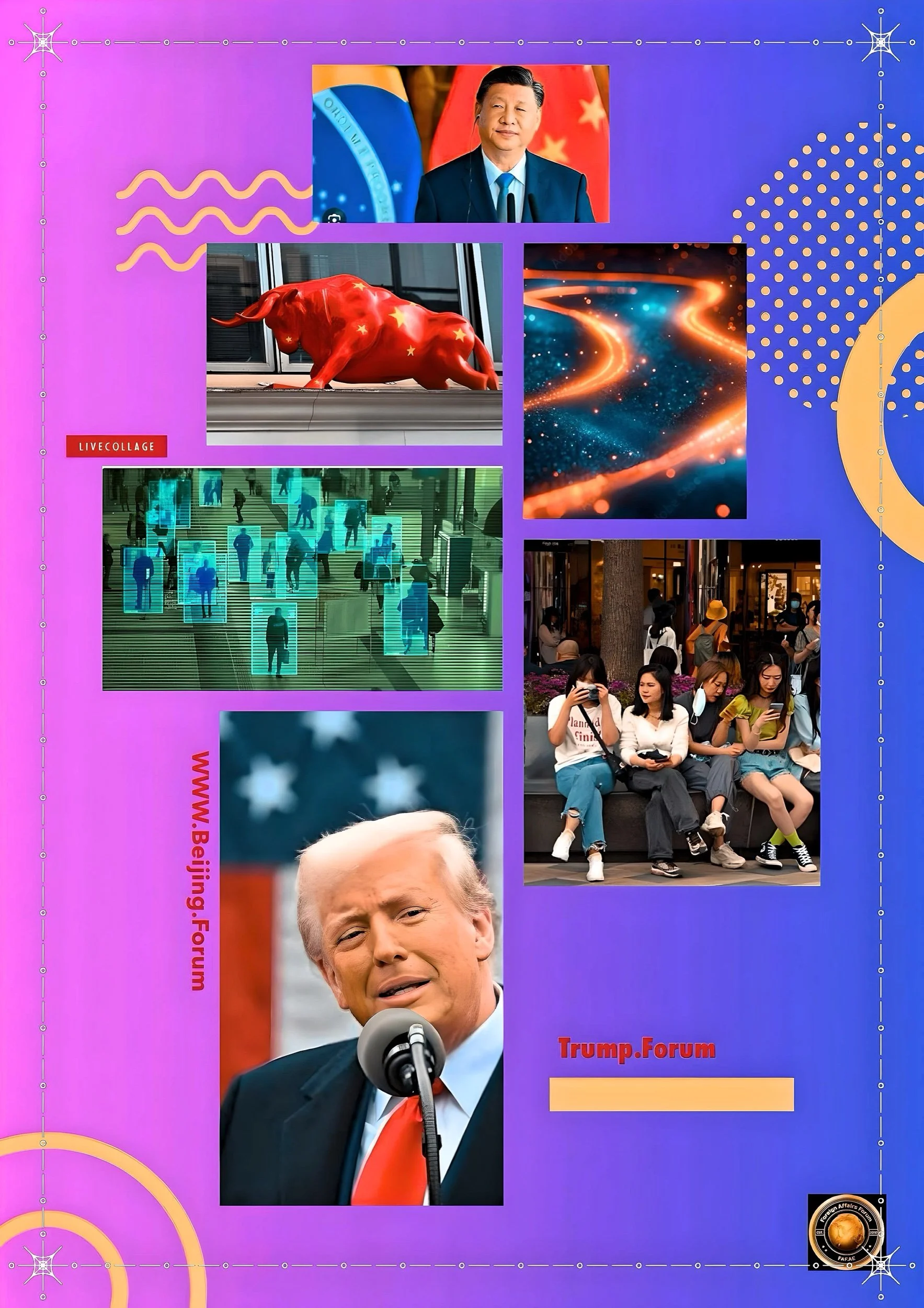
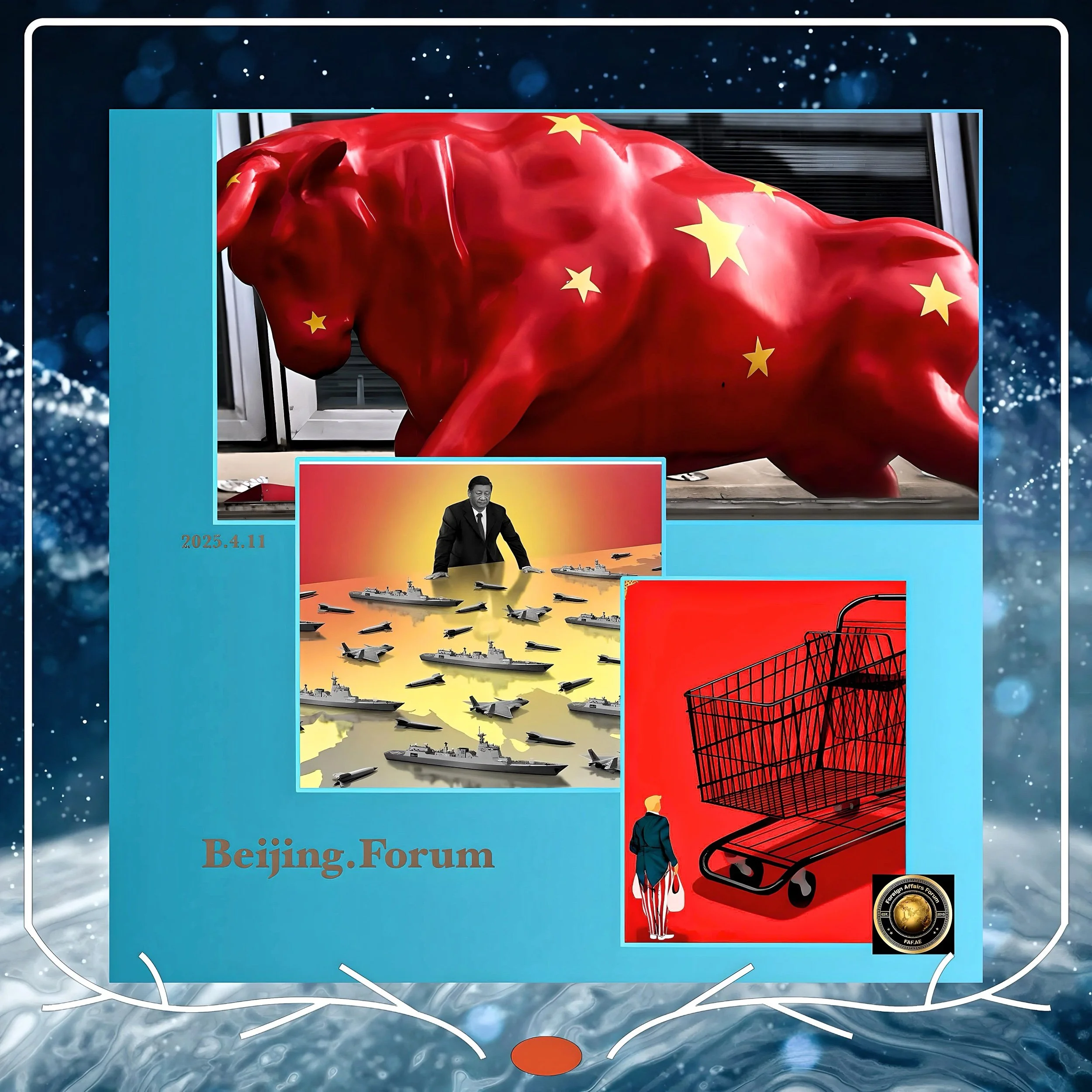
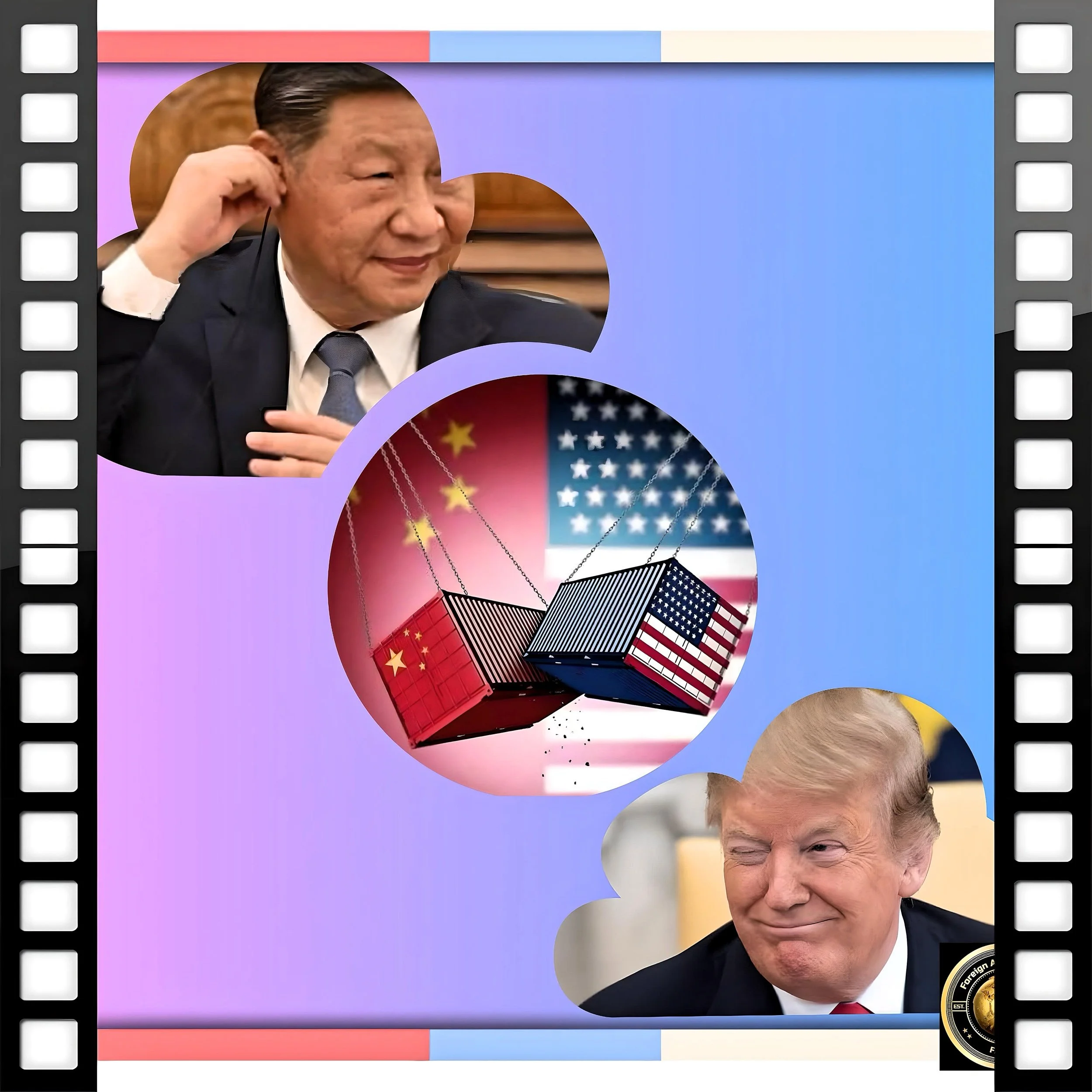
The intensifying trade conflict between the world’s two largest economies has evolved into a high-stakes strategic confrontation, with tariffs reaching unprecedented levels.
Despite the apparent economic damage to China, President Xi Jinping may find President Trump’s aggressive tariff policies strategically advantageous in advancing long-term Chinese objectives.
While both leaders have expressed openness to negotiations, fundamental differences in approach and perception have created a complex standoff with no clear path to resolution.
The Tariff Spiral: From Trade Dispute to Strategic Confrontation
The US-China trade relationship has deteriorated dramatically recently, with tariffs escalating to unprecedented levels.
President Trump has imposed a cumulative tariff of 145% on Chinese imports, which includes a base rate of 125% plus an additional 20% related to fentanyl concerns.
China has responded with matching 125% tariffs on American goods. This dramatic escalation represents the culmination of several tit-for-tat increases, with Trump stating the higher tariffs were due to “the lack of respect that China has shown to the World’s Markets.”
Unlike previous trade tensions, this confrontation is uniquely concentrated on China.
When Trump announced his global tariff strategy, he granted a 90-day pause on duties for most countries except China. This selective approach signals a clear intention to isolate Beijing in what has become a targeted economic campaign rather than a broader trade reset.
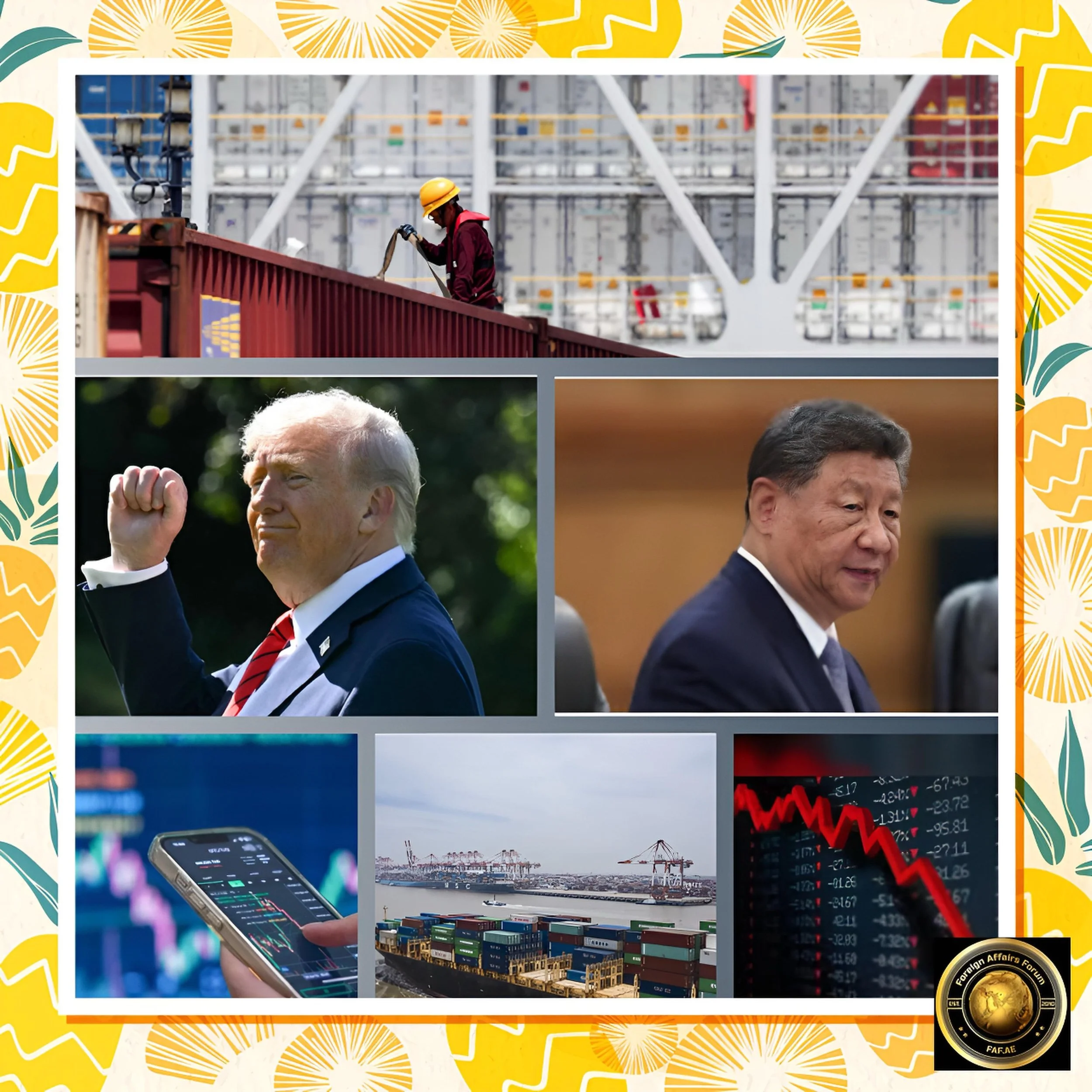
The conflict has already produced significant market volatility. The S&P 500 has declined approximately 15% from its February high, with Asian markets experiencing similar downturns.
Economic forecasters have raised recession warnings, with Goldman Sachs now estimating a 45% recession probability as a direct result of these trade tensions.
Timeline of Escalation
The current crisis developed through a rapid series of retaliatory measures. After introducing the initial 10% tariffs in January and February, Trump imposed an additional 34% duty on Chinese goods last week.
Beijing matched this with equivalent 34% retaliatory tariffs. Trump then added a 50% tariff, bringing the cumulative US tariffs to 104%, which China countered by raising its total rate to 84%.
Trump subsequently raised the rate to 125% before China again matched with its own 125% tariff.
How Trump’s Tariffs May Benefit Xi Jinping
What appears destructive to Chinese economic interests may paradoxically advance Xi Jinping’s strategic agenda in several important ways:
Reinforcing Economic Self-Reliance
The tariff war accelerates Xi’s long-standing goal of reducing China’s dependence on American markets. “This breakdown in trade is exactly what Beijing has been preparing for,” noted Jude Blanchette, director of the RAND China Research Center.
For years, Xi has been strategically working to make China less reliant on the United States, developing alternative trade relationships and strengthening domestic consumption.
In response to tariff pressures, China has signaled an increased urgency in bolstering its domestic economy.
Beijing has urged companies to refrain from diversifying supply chains to other countries, and provincial governments are planning to help exporters redirect goods to Chinese consumers.
Premier Li Qiang has emphasized expanding domestic demand as a countermeasure to external pressures.
Rallying Nationalist Support
The confrontation gives Xi a powerful narrative of Chinese resilience against foreign pressure. By portraying America’s actions as “unilateral bullying,” Xi can strengthen his position domestically.
The Chinese government has vowed to “fight to the end,” framing the conflict as a matter of national dignity rather than merely economic policy.
As Da Wei, director of the Center for International Security and Strategy at Tsinghua University, observed, “On the balance between economic development and economic security, you will always emphasize security.
This is a long-term change. “This perspective aligns perfectly with Xi’s governance philosophy, prioritizing national security and sovereignty over pure economic growth.
Diplomatic Opportunities
The trade conflict has created diplomatic openings for China to strengthen relationships with other nations facing similar pressures from American tariffs.
Xi has actively courted European leaders, meeting with Spanish Prime Minister Pedro Sanchez and calling the European Union to join Beijing in resisting “unilateral bullying.”
China’s Commerce Minister Wang Wentao has reached out to the European Union to deepen trade ties to “inject more stability and certainty” into the world.
Similar efforts have been made with Saudi Arabia, South Africa, and other nations.
These diplomatic initiatives support Xi’s goal of positioning China as a stabilizing force in global trade, in contrast to what Beijing portrays as American volatility.
Strategic Calculations: A Game of Resolve
The conflict has evolved beyond economic considerations into what Chinese analysts describe as a “strategic battle” and a “game of strategic resolve.” Both sides appear prepared for prolonged tension.
Beijing’s Calculus
China has adopted what Zhao Minghao, deputy director at the Centre for American Studies at Fudan University, calls “an attitude of being prepared to go the distance and pay any price.” Several factors support this position:
Economic preparation
China has been diversifying its trade relationships and strengthening its domestic market for years in anticipation of US tensions.
Political imperatives
For Xi, backing down would be politically damaging. Diana Choyleva of Enodo Economics noted, “For President Xi, there is only one politically viable response to Trump’s latest threat: Bring it on!”.
Strategic patience
Chinese officials believe the time may favor their position. They anticipate that “Trump will be in a weakened position further down the line as the economic and political fallout from the tariffs mounts.”
Washington’s Strategy
Trump appears to be employing brinkmanship to force concessions, believing China’s export-dependent economy gives America leverage. His approach combines several elements:
Isolation strategy
By pausing tariffs for other countries while increasing them for China, Trump attempts to isolate Beijing and potentially form a coalition against Chinese trade practices.
Personal diplomacy
Despite the confrontational policies, Trump praises Xi personally, calling him “one of the smartest people in the world” and expressing confidence they could reach “an excellent deal.”
Maximum pressure
The administration believes escalating tariffs will eventually force China to negotiate on US terms. Treasury Secretary Scott Bessent stated that after dealing with allies, “we can approach China as a group.”
The Impasse: Can They Walk Back From the Brink?
Both countries have expressed openness to dialogue, but significant obstacles remain before meaningful negotiations begin.
Communication Breakdown
A fundamental impasse exists even when initiating talks. The White House has made clear it will not initiate contact with China, insisting that Xi Jinping should call Trump first.
According to White House officials, “the US will not initiate contact with China. Trump has instructed his team that it is up to China to take the first step”.
Beijing, however, has “consistently declined to arrange a communication at the leader level.” Instead, it has stated that it is willing to engage only if discussions are “based on mutual respect and equality.”
This standoff creates a situation where both sides await the other to make the first move.
Pride and Position
The conflict has become entangled with issues of national pride and strategic positioning that transcend economic calculations.
For Xi, there’s “a tremendous amount of risk of looking weak in his dealings with the U.S.
He risks being humiliated or not having anything to show for his engagement with Trump”.
Similarly, Trump has made standing up to China central to his economic platform.
Concessions could undermine his domestic political standing, particularly after such a public and dramatic escalation of tariffs.
Economic Realities
Despite political considerations, economic pressures may eventually force compromise.
The tariff war has already caused significant market turmoil, with the S&P 500 closing 3.5% lower last Thursday and declining approximately 15% from its February peak.
Asian markets have similarly suffered, with Japan’s Nikkei falling nearly 5%.
The World Trade Organization has warned that the escalating dispute could reduce US-China trade by as much as 80% and potentially lead to a 7% long-term decrease in global real GDP if it divides the global economy into two blocs.
These economic consequences may eventually create pressure for resolution.
Market and Economic Implications
The tariff war has created significant economic uncertainty and market volatility, which affect both countries and the global economy.
Global Market Turbulence
Financial markets have experienced some of “the most erratic trading patterns since the onset of the COVID-19 pandemic”.
Beyond the immediate decline in stock indices, analysts anticipate potential further market drops due to the unpredictability surrounding US tariff policies.
The European Union has delayed implementing counter-tariffs to “provide negotiations an opportunity” but warned they could be reinstated if talks don’t produce results.
This tentative approach reflects the precarious nature of the global trading system in the wake of US-China tensions.
Consumer and Business Impact
The tariffs threaten significant disruptions for consumers and businesses. US importers face dramatically higher costs for Chinese goods, potentially forcing price increases or supply chain realignments.
Chinese exporters may need to redirect products to domestic markets or other international buyers, potentially creating pricing pressures and market distortions.
Business leaders have expressed concerns about “rising costs, dwindling orders, and disrupted supply chains.”
According to research from Yale University, even with reduced tariffs for other countries, the average import duty rate enforced by the US remains at its highest level in over a century.
Conclusion
Strategic Resilience vs. Economic Reality
The US-China tariff war represents a complex interplay of economic, strategic, and political factors that defies simple resolution.
For Xi Jinping, Trump’s tariffs—despite their economic cost—provide strategic advantages in advancing long-term goals of financial self-reliance, nationalist mobilization, and international influence.
The confrontation reinforces Xi’s narrative that China must prioritize security over pure economic growth in an increasingly volatile global environment.
Whether this strategic confrontation can be resolved through negotiation remains uncertain. Both leaders have expressed openness to talks but have created conditions that make initiating such dialogue difficult.
The economic costs of continued escalation may eventually force pragmatic compromise, but not before both sides have tested each other’s resolve in what has become as much a contest of wills as a trade dispute.
As Neil Thomas of the Asia Society Policy Institute observed, “At the moment, Xi seems to be calculating that China can withstand the damage and that ultimately, it’s the United States who will blink first.”
This calculation, set against Trump’s equally determined stance, suggests the path to de-escalation will likely be protracted and challenging, with significant implications for the global economy.