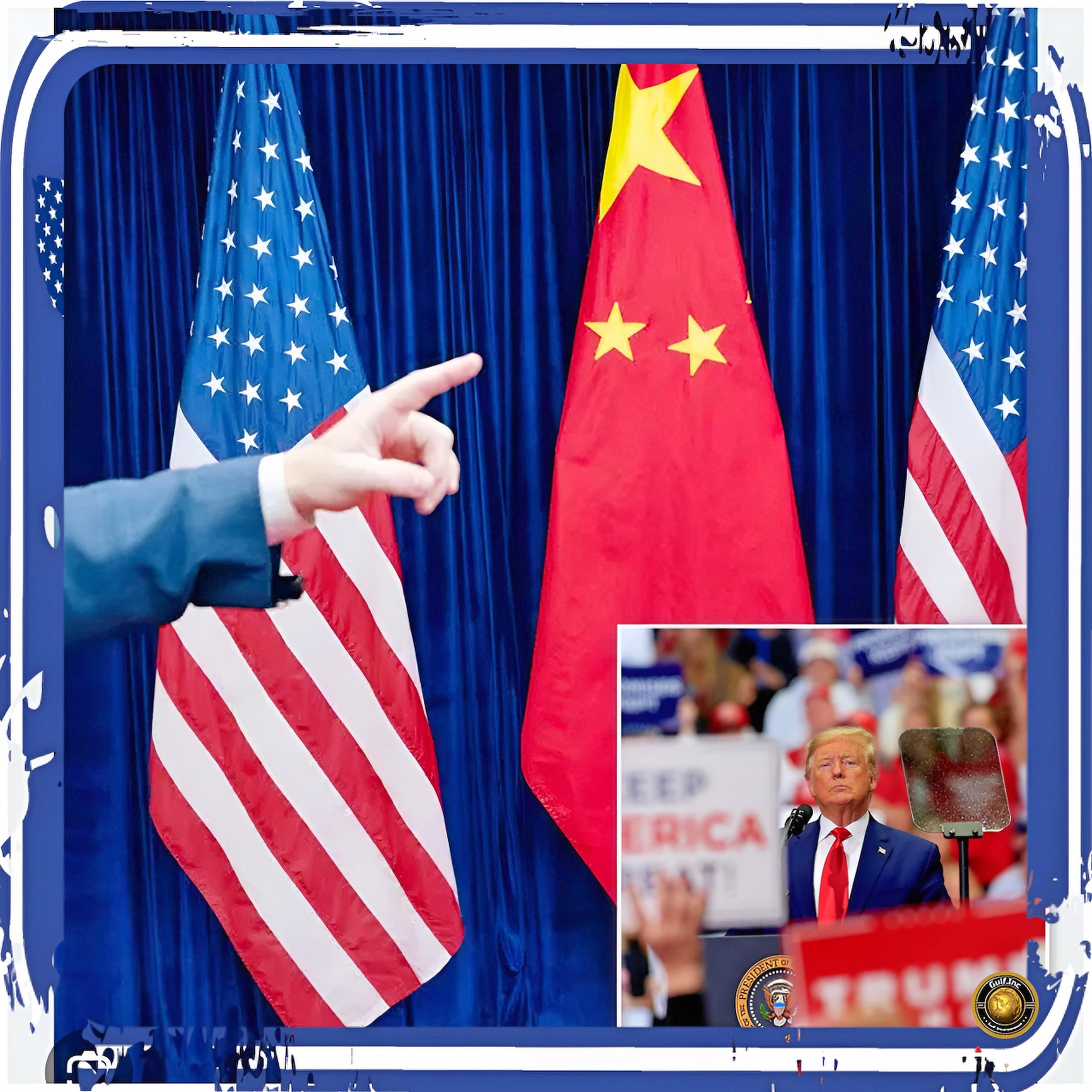
How Beijing Views Trump? Good or bad - Jaded
Introduction
According to Elizabeth Economy, a leading China scholar and former Biden administration advisor, Beijing has adopted a sophisticated new strategy for managing Donald Trump’s second term—one that treats the American president as both predictable dealmaker and unpredictable disruptor.
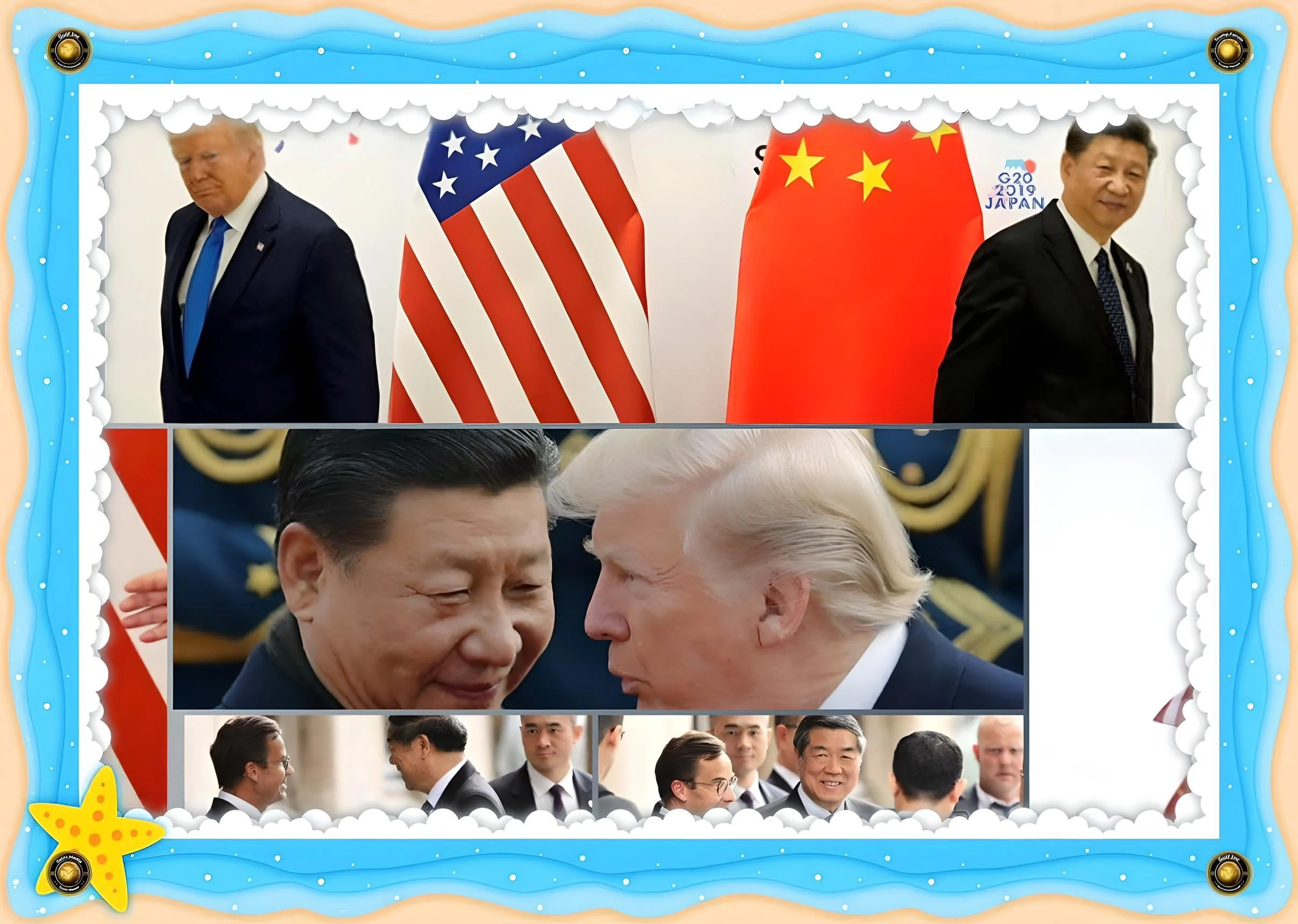
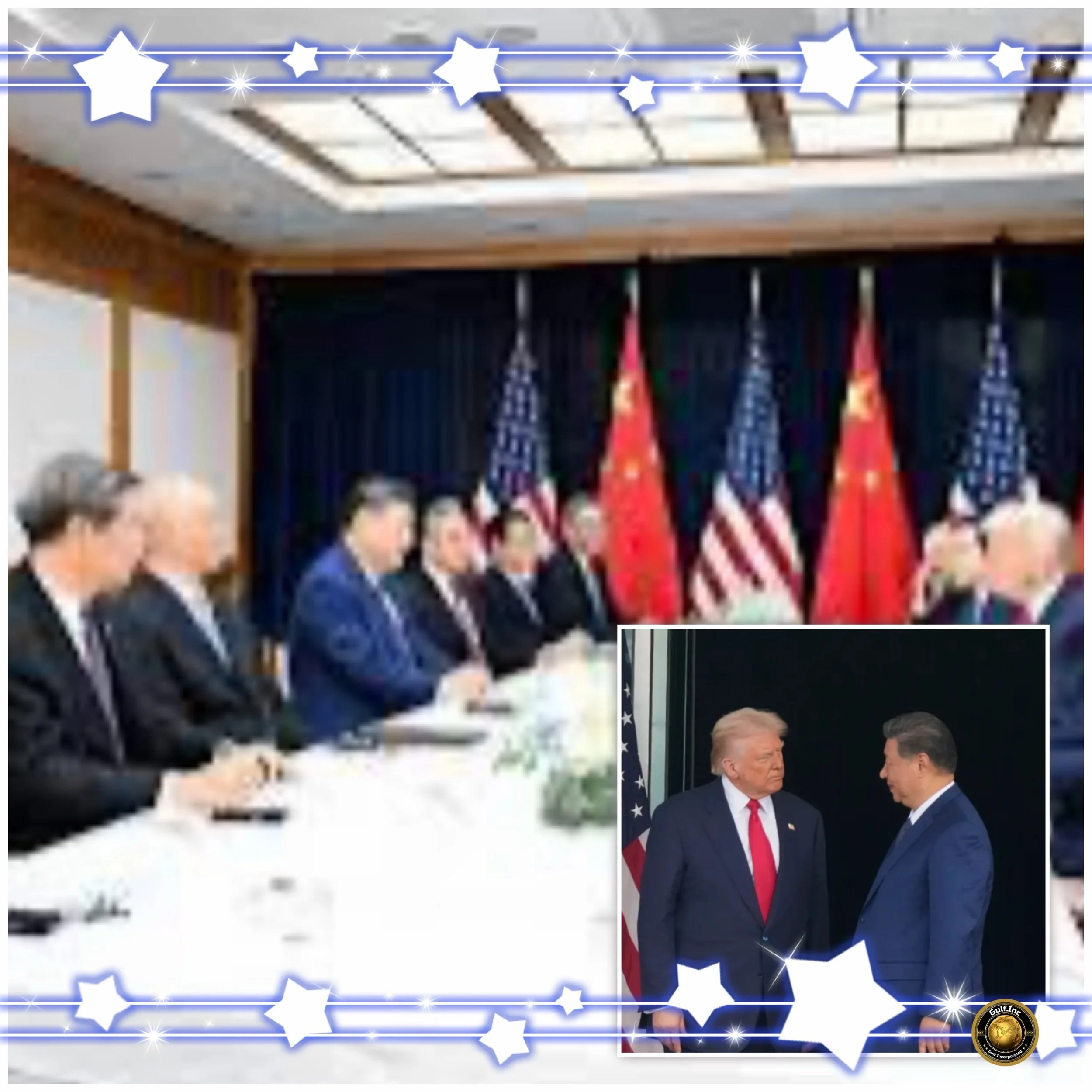
The recent October 30, 2025 meeting between Trump and Chinese President Xi Jinping in South Korea revealed how this approach is reshaping the U.S.-China relationship.
China’s “Soft and Hard” Strategy
Beijing has moved away from its conventional diplomatic playbook to develop what experts call a “punch hard, concede little” approach specifically tailored for Trump.
The Wall Street Journal reported that Xi Jinping has “cracked the code” on dealing with Trump, recognizing his self-image as a master dealmaker.
This strategy involves offering concessions on issues Trump personally cares about—like TikTok and agricultural purchases—while hitting back forcefully on other U.S. moves.
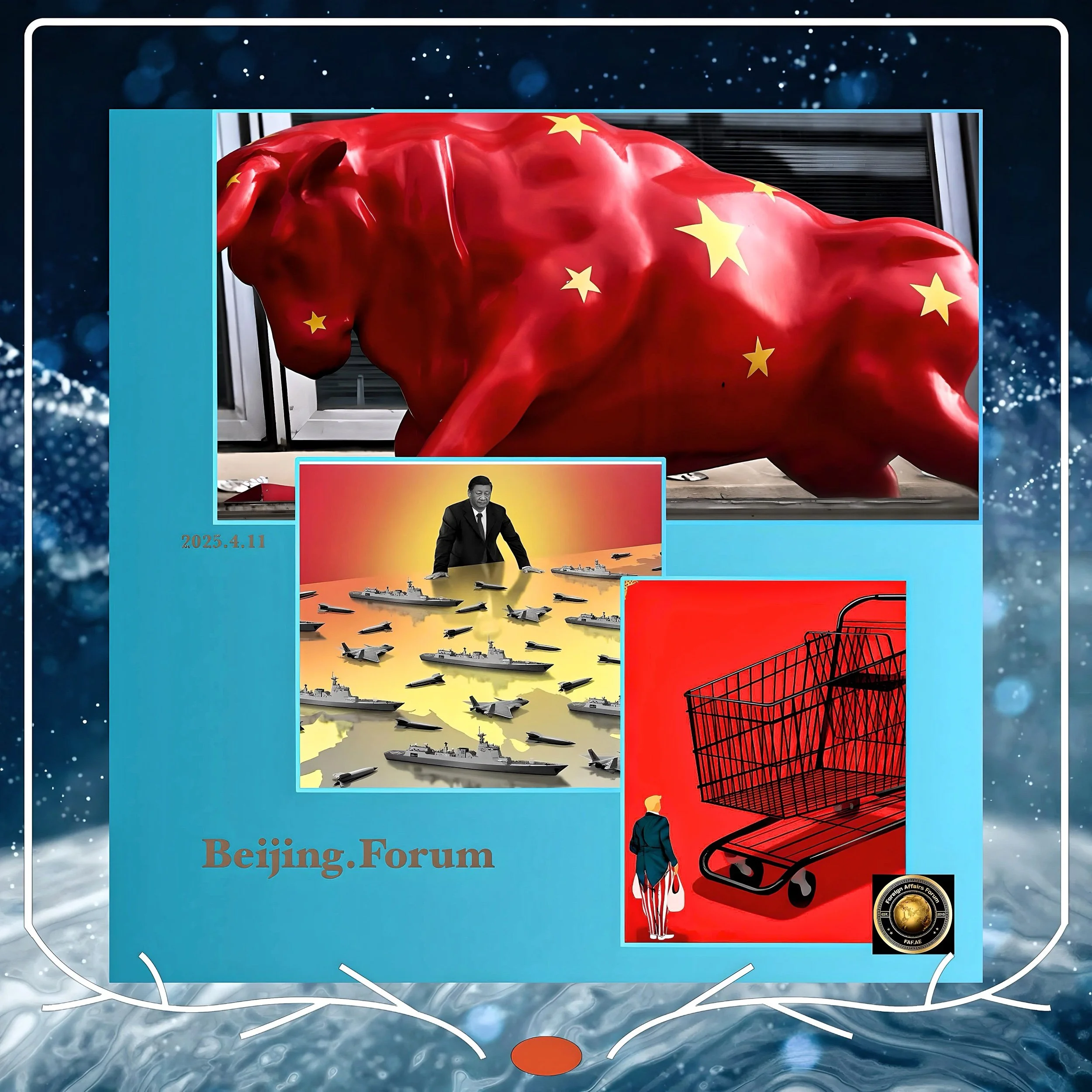
The goal, according to sources familiar with Chinese decision-making, is to create a “soft and hard” approach that caters to Trump’s desire for deals while simultaneously demonstrating strength through measures like rare earth export controls.
China’s October announcement of sweeping rare earth restrictions, which Beijing had maintained for months, became powerful leverage that ultimately forced Trump to moderate his 100% tariff threat and engage in serious negotiations.
Recognition as an “Equal Partner”
Perhaps the most significant outcome of the Trump-Xi meeting was Beijing’s perception that it achieved recognition as America’s equal on the global stage.
David Daokui Li, a regular policy adviser to Beijing and economics professor at Tsinghua University, called the summit “perhaps the most important—really historical” among all Trump-Xi meetings. “Fundamentally the most important progress for both sides is for the US to recognize China as equal partner to talk about things,” Li stated.
Trump’s own use of the term “G2” (Group of Two) to describe the meeting electrified Chinese analysts and fulfilled a long-standing Chinese aspiration.
This framing suggests a bipolar world order where China and the United States coordinate as co-equals rather than competitor and challenger.
For Beijing, which has spent decades seeking such recognition, Trump’s language represented a symbolic victory.
Managing Trump’s Unpredictability
Despite the apparent breakthrough, Chinese officials remain deeply concerned about Trump’s unpredictability.
Economy noted that “China’s biggest concern with Trump is his unpredictability,” and Beijing is using “an extraordinary lineup of pre-scheduled 2026 meetings to box him in” and force a degree of stability.
Trump’s planned visit to Beijing in April 2026 and Xi’s reciprocal visit to the United States give China opportunities to script interactions and press for new concessions.
Chinese scholars describe Trump as “corrupt, transactional and grotesquely susceptible to flattery”—qualities they believe can be exploited. Yet this same unpredictability creates risks.
“Trump’s own secretaries of defense and chiefs-of-staff often had no idea what decisions he might take. How could the Chinese possibly know?” one analysis noted.
The mixed messaging from Washington, with different cabinet members pursuing conflicting agendas, leaves Beijing “baffled” about whether Trump even knows what policies are being implemented in his name.
Limited Progress on Structural Issues
Economy emphasized that while the October meeting stabilized relations, it “skirted around the more fundamental structural issues plaguing the relationship”.
The agreement was “limited to just one year” and focused almost exclusively on trade and technology.
Surprisingly, Taiwan—typically a central topic in U.S.-China discussions—did not come up at all, which Economy found unusual.
Other critical issues like China’s support for Russia, the South China Sea, and North Korea were also absent from the agenda.
The one-year trade truce essentially “kicks the can down the road” on deeper bilateral challenges.
China agreed to suspend rare earth export controls and resume soybean purchases, while the U.S. reduced tariffs from 57% to 47% and paused certain export restrictions.
But as Economy noted, these are tactical concessions rather than strategic solutions to the “deep-rooted structural issues that exist between the two countries”.
Chinese Leverage and Long-term Positioning
Beijing demonstrated considerable leverage during the negotiations through its dominance of rare earth minerals, which account for 91% of global rare earth capacity and 94% of industrial magnets.
By threatening to withhold these critical materials essential for civilian and military applications, China extracted significant concessions from the Trump administration, including delays on export controls and reduced tariffs.
Economy and other analysts point out that China is exploiting Trump’s foreign policy to expand its global influence.
As Trump alienates U.S. allies and dismantles institutions like USAID, Beijing positions itself as a stable alternative in international relations.
China’s special envoy for European affairs even stated he was “appalled” by Trump’s treatment of European allies, urging them to compare Washington’s approach with China’s “win-win” cooperation.
Conclusion
Looking ahead, Economy suggests the sustainability of any Trump-China arrangement depends heavily on Trump’s ability to maintain focus and resist pressure from China hawks in his administration.
The agreement gives both sides breathing room—Trump can claim a “win” on rare earths and trade, while Xi avoids escalating economic pain during a period when China faces “structural problems in its domestic economy, including the still sluggish property sector, low productivity, and local government debt”.
However, Economy warns that fundamental tensions remain unresolved. Beijing has outlined four “red lines” it expects the U.S. to avoid: Taiwan, democracy and human rights, China’s political system, and development rights.
Meanwhile, the U.S. continues to view China as its foremost strategic competitor.
Without addressing these core disagreements, the relationship will remain fragile and subject to Trump’s transactional impulses and Beijing’s strategic patience.
The October summit may have stabilized relations temporarily, but as Economy emphasized, it represents “kicking the can down the road” rather than fundamental progress on the structural issues that define U.S.-China competition.