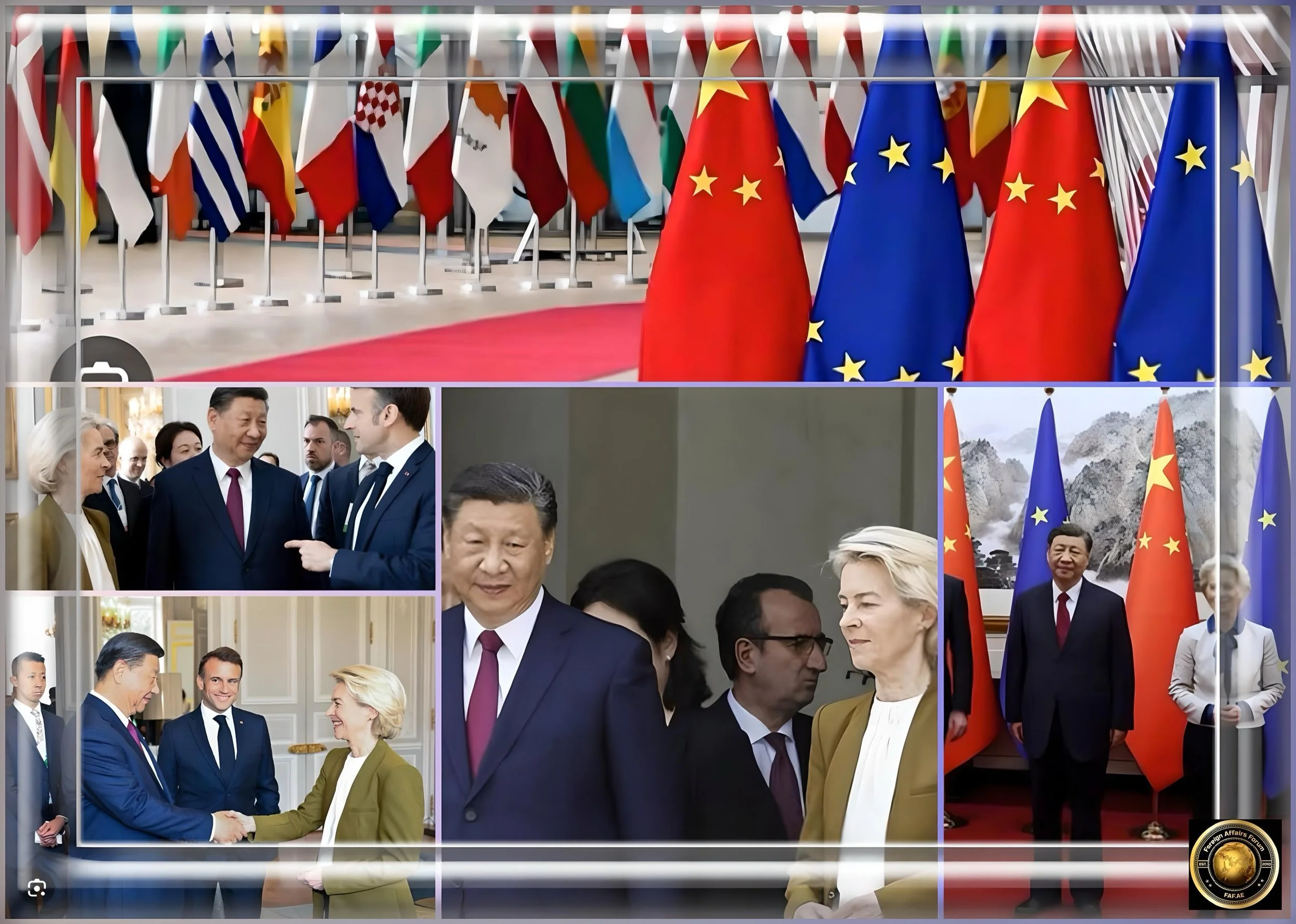
Analyzing China's Strategic Approach to Europe
Executive Summary
Examining China’s Strategic Engagement with Europe
China’s relationship with Europe is characterized by a multifaceted strategy to enhance its influence and secure economic partnerships.
The Chinese government has actively pursued initiatives promoting trade, investment, and collaboration on various global issues.
One key component of this strategy is the Belt and Road Initiative (BRI), which seeks to create a modern Silk Road by building infrastructure and facilitating connectivity between China and European nations.
Through this initiative, China invests in railways, ports, and roads, fostering deeper trade links and positioning itself as a vital partner in Europe’s transportation and logistics sectors.
Additionally, China’s approach includes diplomatic overtures to strengthen bilateral relations with European countries.
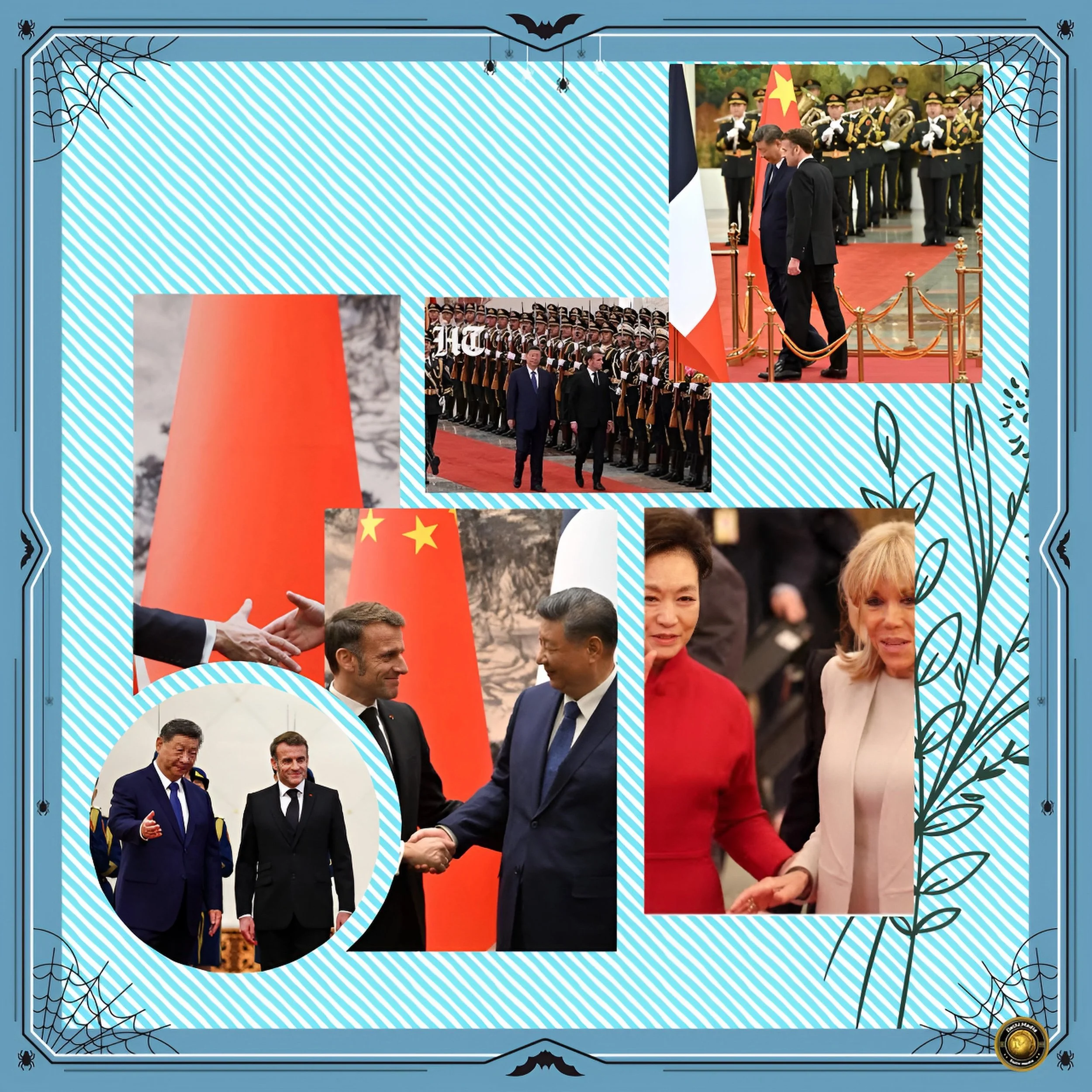
High-level visits by Chinese leaders to Europe often aim to bolster ties, enhance cultural exchanges, and identify areas for potential cooperation.
For instance, partnerships in technology, renewable energy, and cultural exchanges are frequently emphasized, showcasing China's desire to engage beyond mere economic interests.
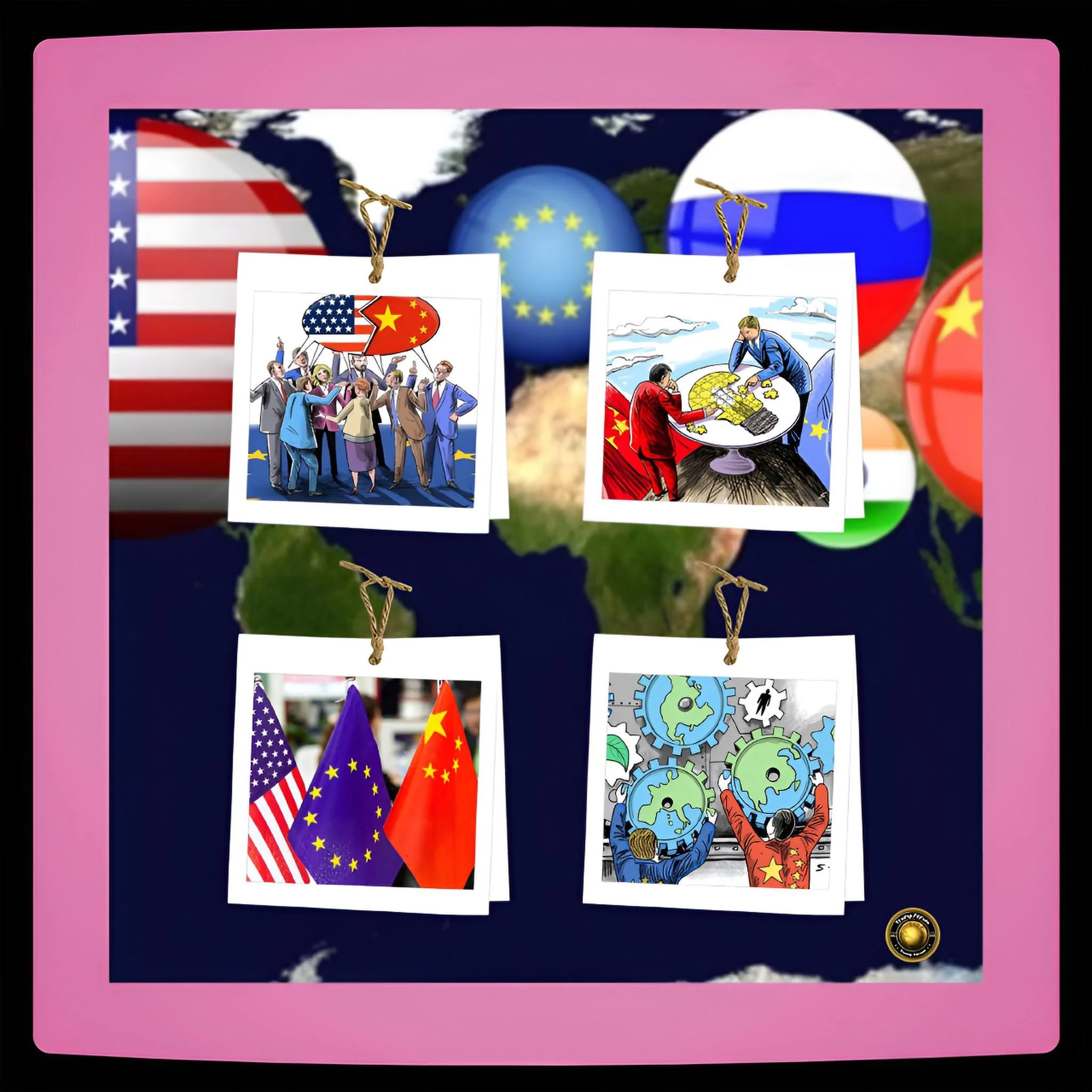
Furthermore, China strategically participates in various dialogues and regional summits, such as the China-EU Summit, which serves as a platform to discuss mutual interests and address global challenges, including climate change and security issues.
This engagement highlights China’s growing role on the world stage and allows it to shape narratives and influence policies aligning with its national interests.
Through these initiatives, China intends to weave itself into the fabric of Europe’s economic and political landscape, capitalizing on opportunities for collaboration while navigating the complexities of geopolitical tensions.
As such, understanding China's strategic approach to Europe requires an analysis of its diplomatic maneuvers, economic investments, and overarching ambitions within the region.
Introduction
China’s assertive and uncompromising approach towards Europe is grounded in its belief that it possesses significant leverage in the relationship.
The Chinese government perceives the European Union not as a formidable adversary but a comparatively weaker competitor, lacking the capacity to negotiate substantial concessions effectively.
This perspective is underscored by China’s strategic prioritization of its alliances with Russia and countries in the Global South, where it seeks to strengthen ties and expand its influence.
Rather than employing generous incentives to foster cooperation, Beijing tends to resort to economic coercion—using tactics such as trade restrictions and investment incentives to achieve its objectives and assert its dominance on the global stage.
Economic Competition and Overcapacity
China and the EU increasingly produce overlapping “new-economy” goods—electric vehicles, solar panels, batteries—which have fostered tit-for-tat trade disputes rather than cooperation.
Since 2020, China has initiated at least seven WTO investigations against European goods, while Brussels has launched eleven against China, including three since Trump’s second term began.
Chinese overcapacity in green-tech exports serves Beijing’s domestic innovation agenda but threatens European manufacturers, prompting Brussels to investigate subsidies and impose counter-tariffs.
Strategic Divergence over Ukraine
Europe perceives China's position regarding Russia's ongoing war in Ukraine as one that actively supports Moscow, which has intensified mutual distrust between the two regions.
Despite Beijing's assertion that the conflict primarily concerns Europe, it continues to bolster Russia politically and economically. This support has raised suspicions among European Union leaders, who fear China's actions compromise Europe's security and stability.
Furthermore, Chinese diplomatic rhetoric tends to downplay the importance of Ukrainian sovereignty, framing the situation in a way that suggests neutrality towards the conflict.
In contrast, European leaders interpret any form of neutrality as an implicit endorsement of Russia's actions.
This fundamental divergence in perspectives has led to a significant diplomatic deadlock, with both sides finding it increasingly challenging to engage in constructive dialogue. The result is a landscape fraught with tension and a lack of trust, complicating efforts to resolve the ongoing crisis.
Power, Confidence, and “Divide-and-Rule”
China views Europe as limited in geopolitical maneuverability and strategically utilizes its bilateral relationships to navigate this landscape.
A notable instance of this occurred when Beijing declined the European Union's invitation to celebrate the 50th anniversary of their partnership by hosting the summit in Brussels.
As a result, the event was relocated to Beijing, where the agenda was notably condensed. This move was interpreted as a demonstration of China's disregard for the European Union's equal status and institutional significance.
Furthermore, Chinese leaders have publicly criticized Europe, arguing that the continent is essentially “freeloading” on the security umbrella provided by the United States.
They urge EU member states to reconsider their long-standing allegiance to transatlantic ties, pushing them to evaluate their security dependencies.
However, Beijing has failed to provide substantial incentives or alternatives, offering primarily rhetorical support instead of actionable strategies to strengthen Europe's autonomous security posture.
Focus on Russia and the Global South
Beijing's foreign-policy agenda is heavily centered on fostering relationships with long-standing allies, particularly Russia and various developing nations.
This approach is reflected in the significant number of high-level diplomatic visits and establishing credit lines across regions such as Latin America, Africa, and Southeast Asia.
These efforts far surpass China's initiatives to engage with European countries, suggesting that Europe does not occupy a primary position in China's diplomatic priorities.
Furthermore, China's staunch backing of Russia in security and economic spheres highlights a key aspect of its strategic thinking: the Global South, including Russia and other emerging economies, is deemed more crucial than Europe.
This shift in focus indicates a deliberate effort by Beijing to cultivate and solidify partnerships with countries it considers vital for its long-term geopolitical ambitions, while downplaying its traditional ties to European nations.
Minimal Incentives, Maximum Coercion
Instead of engaging in a conventional charm offensive, China has opted for a strategy that can be characterized as a "charm-shock" approach.
This tactic involves a complex interplay of gestures and assertive actions to reshape international relations.
For instance, while China has taken the notable step of lifting sanctions that previously targeted members of the European Parliament, it continues to wield significant control over its economy through stringent export restrictions on critical minerals. It maintains its industrial overcapacity as strategic leverage.
These measures serve as formidable chokepoints in global supply chains, reinforcing China's dominant position in high-demand sectors.
Furthermore, although China has proposed to reduce specific minor trade barriers, its persistent imposition of export controls on rare earth elements undermines these offerings.
This situation remains a significant cause for concern among trading partners, particularly as no meaningful concessions have been made regarding tariffs on electric vehicles—another critical area where China holds substantial influence.
Through this duality of generosity and restraint, China's strategic maneuvering illustrates the complexities of its international trade policies and the delicate balance it seeks to maintain in global markets.
Conclusion
China’s refusal to woo Europe stems from a calculated judgment that the EU lacks the unity and leverage to compel Beijing’s concessions.
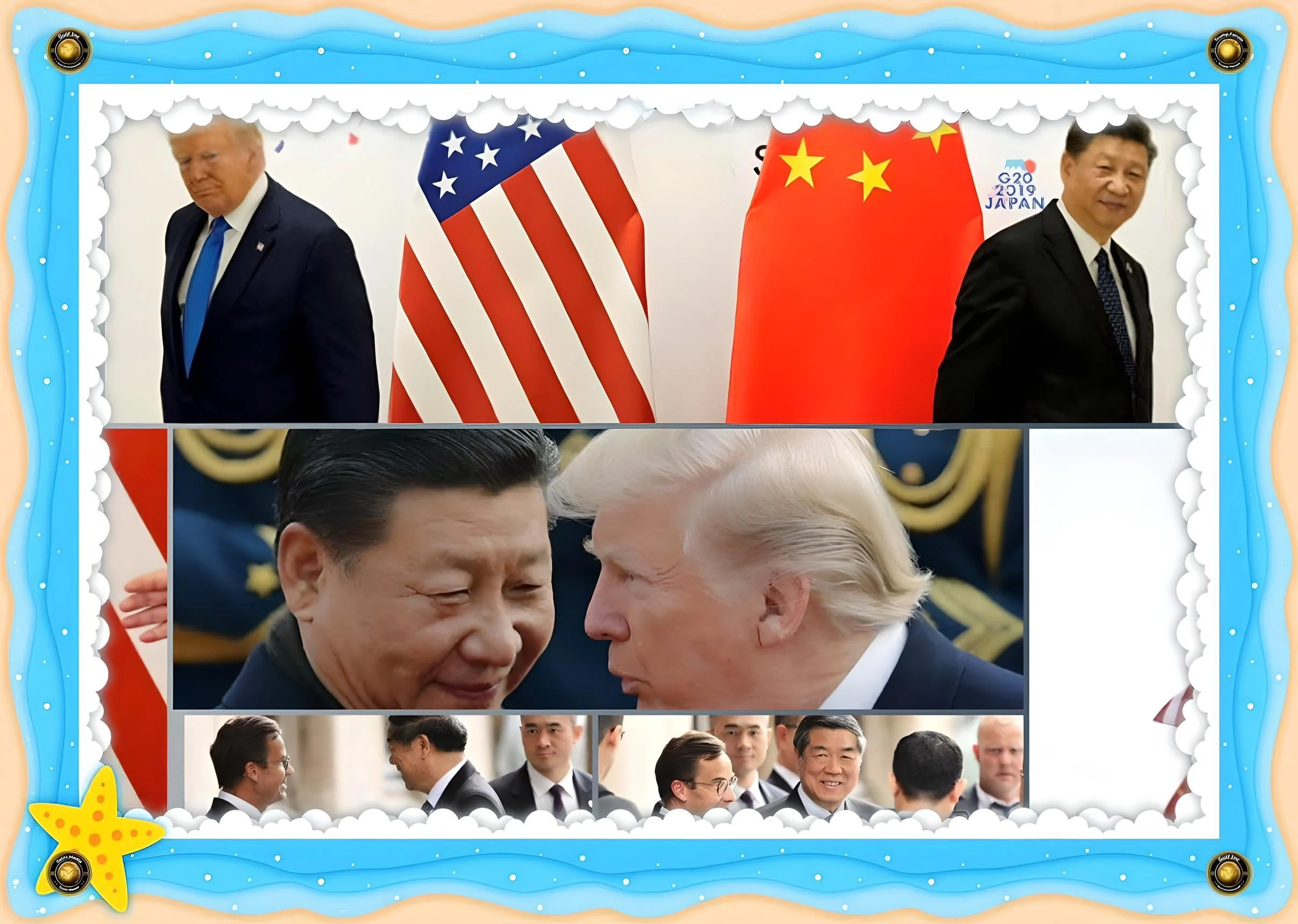
With the U.S. under Trump straining transatlantic solidarity, China sees an opportunity to apply pressure rather than offer incentives, betting that economic coercion and geopolitical realignment will yield greater gains than genuine partnership.
China appears to be strategically positioned in its dealings with Europe, particularly given the current U.S. administration's foreign policy stance.
As we enter President Donald Trump's second term, European leaders are navigating a complex geopolitical landscape marked by uncertainty.
Recent developments have stabilized U.S. support for Ukraine, yet trade negotiations with the United States have stagnated following the tariffs introduced on "Liberation Day."
These negotiations have extended well beyond the initial July 9 deadline, with Trump contemplating imposing tariffs on the European Union that could reach as high as 30%.
European officials are increasingly cognizant of the prevailing attitude within the Trump administration, which exhibits a notable lack of regard for European allies.
This sentiment was echoed in communications from Secretary of Defense Pete Hegseth, who, in a message to Vice President J.D. Vance within the “Signalgate” group chat, strongly criticized what he termed “European freeloading,” characterizing it as “PATHETIC.”
In this context, China seems to be strategically calculating that it holds advantageous leverage over Europe, which may influence its diplomatic and economic interactions in the future.