China's Trade Dominance Paradox: Economic Power Without Proportionate Geopolitical Influence – Evolving Dynamics
Introduction
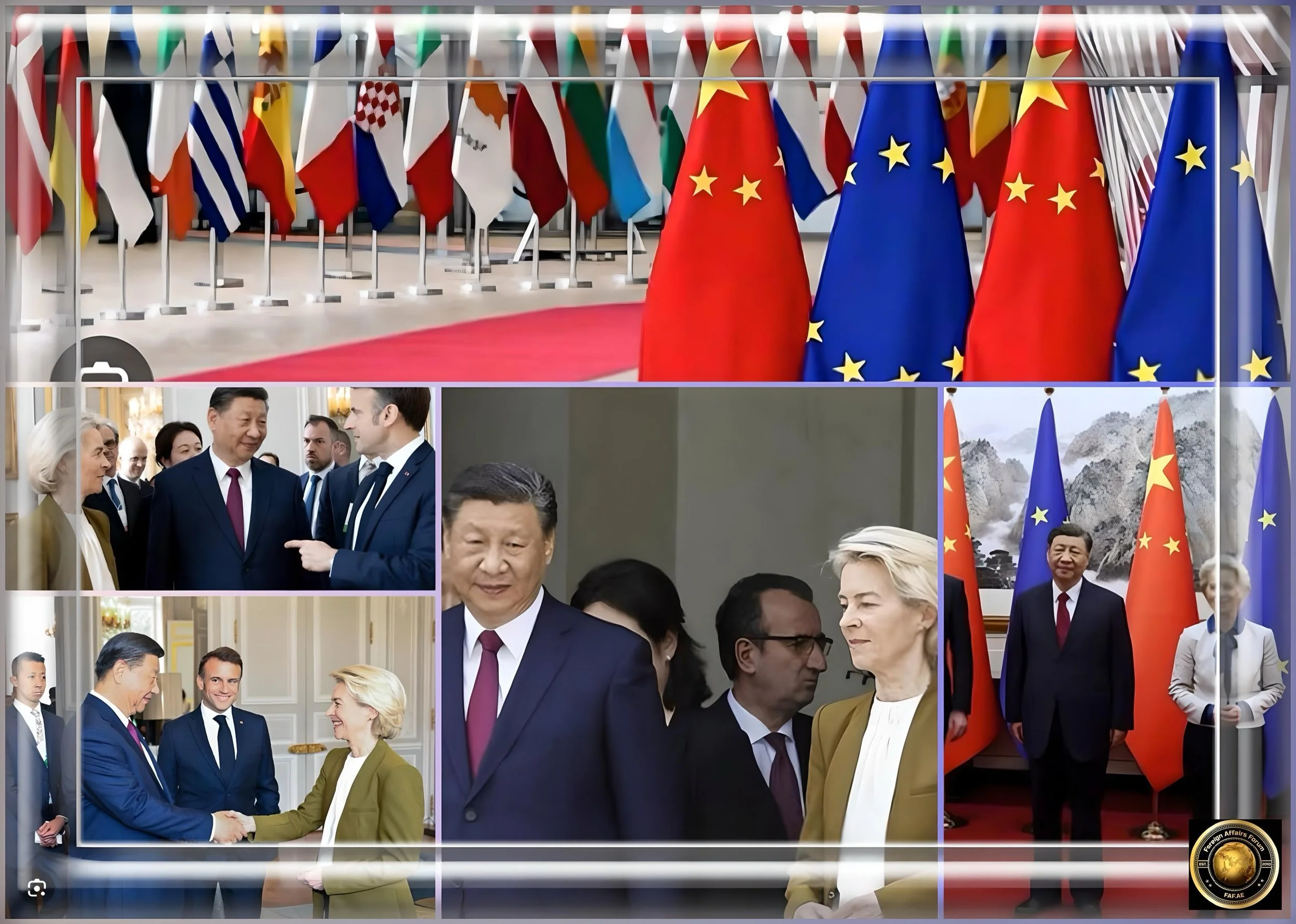
FAF, Beijing.Forum comprehensive analysis delves into the interplay between China's rapid economic growth and relatively constrained geopolitical influence.
Despite being the world’s foremost exporter and possessing significant foreign reserves, China’s impact on global governance and international relations does not correspond to its economic power.
The discussion investigates the myriad factors underpinning this paradox, including historical legacies, regional security dynamics, and the nuances of soft power dynamics.
As global power structures evolve, this analysis elucidates the potential ramifications of China’s trade dominance on its strategic stance within the international sphere.
Over the last twenty years, China has witnessed a remarkable transformation, emerging as a key trade superpower—a status not seen since the colonial period.
However, despite its substantial role in international trade, Beijing has historically faced challenges translating this economic might into equivalent geopolitical leverage.
This paradox may be on the verge of change, particularly with the possible re-emergence of a Trump-led administration.
The Scale of China’s Commercial Ascendancy
China’s ascent to trade supremacy represents one of history's most significant economic shifts.
From a relatively modest total trade volume of $474 billion in 2000, China's trade reached an astounding $6.2 trillion by 2024—an increase of 1,200%.
In contrast, the United States experienced a much more modest growth of 167%, achieving a total trade volume of $5.3 trillion during the same period.
A pivotal moment occurred in 2012, when China surpassed the United States as the largest trading nation globally.
By 2024, China had become the principal trading partner for 124 countries, compared to just 76 for the United States.
This transformation is visually encapsulated in trade dominance maps: in 2000, most of the world was depicted in blue, representing U.S. trade partnerships.
By 2024, considerable regions of Asia, Africa, South America, and parts of Europe transitioned to red, denoting China’s ascendancy as a primary trading partner.
China's manufacturing dominance is equally notable. As of 2023, it accounted for over 730 products and held more than half of global exports.
This figure dwarfs the European Union's 238 products, the United States' 94 products, and Japan's 30.
Overall, China produces approximately 29% of global manufacturing output, greater than the combined output of the next four largest manufacturing economies.
Some analyses suggest that China's share of global manufacturing, measured by gross production, could be as high as 35%.
The Geopolitical Influence Deficit
Despite its formidable economic stature, China's ability to translate trade power into geopolitical clout has been markedly uneven.
This limitation arises from several structural variables that differ from historical economic statecraft paradigms.
The Mixed Record of Economic Coercion
China’s ventures into economic statecraft have yielded a decidedly mixed success.
Research indicates that China’s “subversive carrot tactics” have found traction in countries where leaders can act with significant impunity, as Cambodia exemplifies.
Conversely, these strategies have backfired in nations with higher levels of transparency and accountability, such as the Philippines, Australia, and Malaysia.
When Beijing has pursued heavier-handed approaches—like the 2010 rare earth embargo against Japan amidst territorial disputes—it has often provoked backlash instead of compliance.
The Debt Trap Diplomacy Debate
The contentious “debt trap diplomacy” issue further illustrates China’s limited success.
Cases such as Sri Lanka’s 99-year lease of Hambantota Port to China—precipitated by loan defaults—are frequently cited as evidence of Chinese leverage.
However, broader analyses suggest that these occurrences are relatively isolated and often stem from complex domestic political dynamics, rather than a cohesive Chinese strategy.
Numerous countries have successfully renegotiated terms with China, and aside from some partial cases, no nation has fully surrendered infrastructure to China.
Institutional and Systemic Constraints
Several factors elucidate why China’s trade success has not translated into equivalent geopolitical influence
Established Alliance Systems
Unlike the colonial era, where trade monopolies translated into direct political control, modern international relations operate within established alliance frameworks and global institutions that limit unilateral economic pressure.
Democratic Accountability
In democratic contexts, Chinese economic inducements frequently become embroiled in political controversies and election narratives, diminishing their effectiveness.
Economic Interdependence
The intricate, multilateral structure of global supply chains means that economic coercion often incurs costs for the target country and the coercive entity.
The Trump 2.0 Catalyst
The prospect of Donald Trump returning to the presidency may represent a crucial inflection point for China, potentially enabling it to realize greater geopolitical returns from its economic dominance.
Several indicators suggest this transformation is already underway
Disrupting U.S. Alliance Networks
Trump’s transactional approach to foreign relations fosters uncertainty among long-standing U.S. allies, particularly in Europe and the Indo-Pacific.
His calls for increased defense spending from NATO partners and skepticism regarding collective defense commitments risk undermining alliance unity, creating an opportunity for China to present itself as a more dependable economic partner.
Escalating Trade Tensions
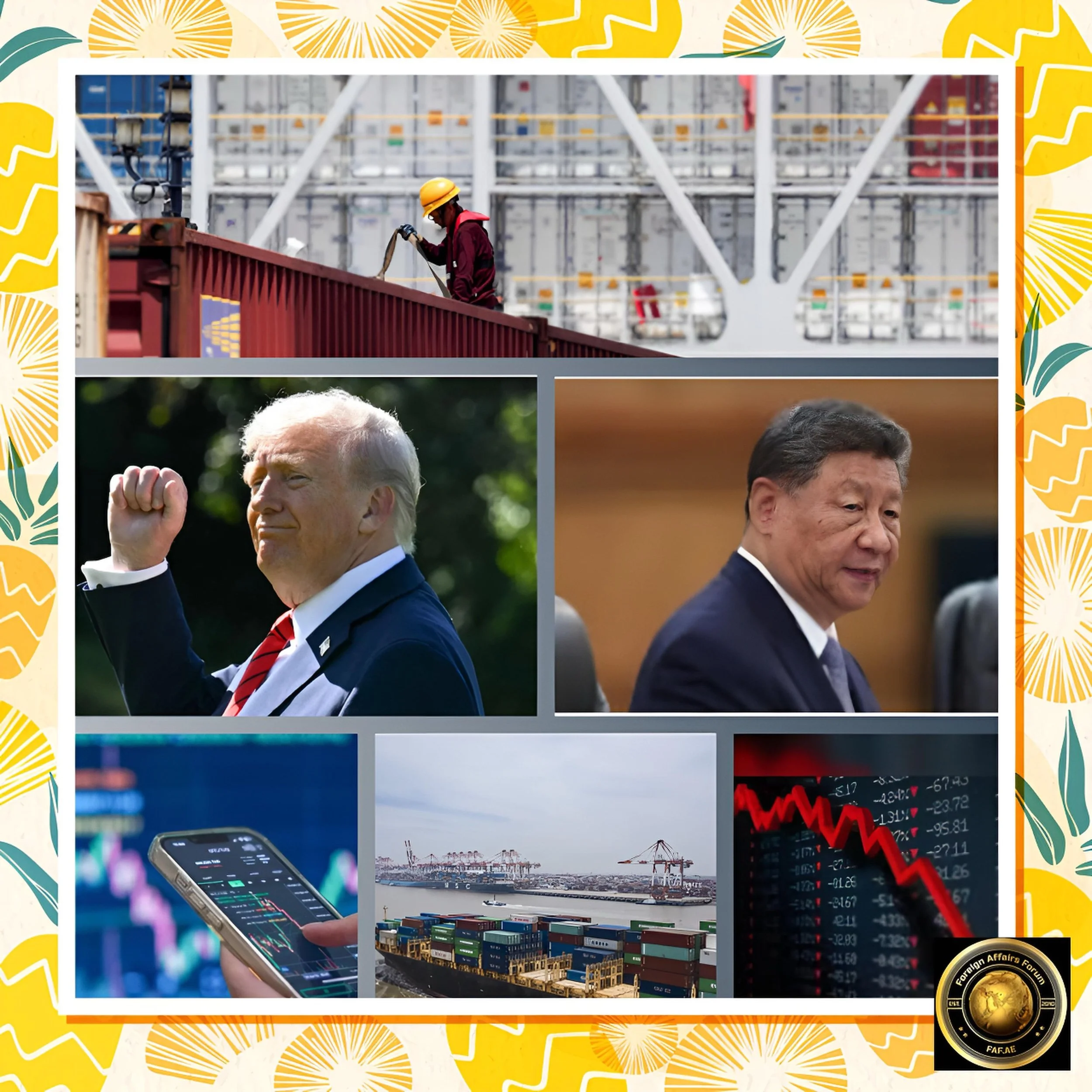
The Trump administration implemented tariffs reaching as high as 145% on Chinese imports, prompting China to respond with 125% tariffs on U.S. goods.
Following significant fluctuations in trade volumes in April 2025, a bilateral agreement was reached in May–June 2025 to systematically reduce most of these elevated tariffs as part of ongoing negotiations.
Under the terms of the new deal, U.S. tariffs on Chinese products are set at 30%, which will remain in effect, while China's tariffs on U.S. imports are set at 10%.
This protracted trade tension has inadvertently facilitated China’s strategic expansion and enhanced its positioning across various global markets.
The Pivot to the Global South
China is expediting its economic pivot from Western markets to the Global South, a shift projected by BCG to generate an additional $1.25 trillion in trade by 2033, reflecting a compound annual growth rate of 5.9%.
This transition encompasses strengthening economic partnerships with BRICS+ nations, ASEAN states, and emerging economies across Africa and Latin America.
Strategic Economic Independence
Concurrently, China is implementing its “dual circulation” strategy, which emphasizes domestic consumption while seeking to mitigate reliance on foreign markets and technology.
This strategic approach emerged as a response to U.S. technology restrictions and aims to bolster China's economic self-sufficiency while increasing global reliance on its supply chains.
Colonial Patterns and Modern Resistance
The mention of colonial-era trade dynamics underscores a fundamental distinction in how trade relationships were established historically versus today.
During the colonial era, European powers maintained direct political control and military oversight, enforced through mechanisms like the Triangular Trade.
In contrast, modern geopolitical maneuvers to leverage trade face intrinsic limitations due to the sovereignty of contemporary nation-states.
Sovereignty Constraints
Modern states possess legal sovereignty, allowing them to resist economic coercion through international institutions and alternative partnerships.
This contemporary context contrasts sharply with historical trajectories of colonization and dominance.
Multipolar Options
In today’s multipolar landscape, countries benefit from alternative partners and avenues for support, unlike the concentrated power structures of earlier periods, which limited states' choices for global trade.
Democratic Pushback
In democracies, foreign economic influence frequently encounters public backlash, posing political risks for local leaders. This domestic opposition may serve as a check on how foreign powers can exert influence.
The Emerging Shift
Recent indicators suggest that China’s geopolitical clout may be aligning more closely with its economic weight in the context of the evolving global landscape characterized by the "Trump 2.0" era
Regional Economic Integration
China is fostering economic integration within Asia through initiatives such as the China-Japan-South Korea trilateral cooperation, which is gaining increasing traction.
Infrastructure Leverage
Despite the ongoing discourse around debt trap diplomacy, China has secured operational control over strategically vital infrastructures, such as ports in Sri Lanka (Hambantota), Pakistan (Gwadar), and Myanmar (Kyaukpyu).
Alternative Financial Architecture
China is developing alternative financial institutions and payment systems to reduce reliance on the U.S.-centric global economic framework.
Technological Dependencies
China's supremacy in vital supply chains, particularly related to rare earth elements and renewable energy technologies, generates novel forms of strategic leverage.
Conclusion
China’s evolution from a trade underdog to a potential hegemonic force in global commerce represents a profound shift in the distribution of global economic power.
Initially, this economic dominance did not translate into commensurate geopolitical influence due to established institutional limitations and the complexities of modern international relations.
However, the disruptive policies represented by "Trump 2.0" may open new avenues for China to leverage its economic capabilities into greater geopolitical clout.
The critical distinction from historical precedents is that China’s strategy focuses on cultivating economic dependencies and alternative financial architectures rather than direct territorial control.
As existing Western alliance frameworks experience strain and global supply chains realign around Chinese networks, Beijing may finally be poised to translate its significant economic achievements into the geopolitical influence it has historically sought.
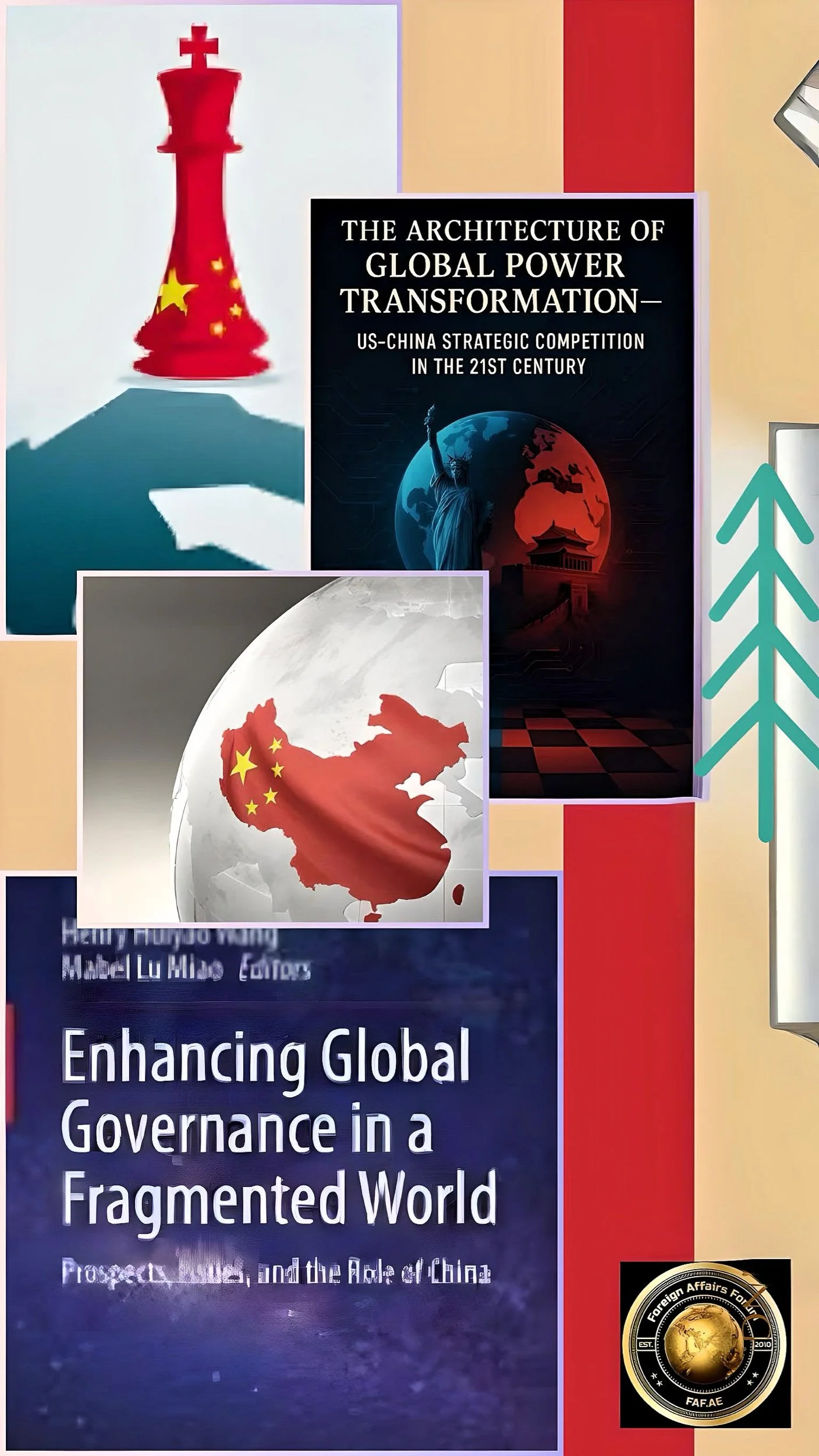
The forthcoming U.S.-China competition will likely revolve less around trade volumes or tariff disputes and more around China's capacity to utilize its economic centrality to reshape the global political order.
This undertaking has posed significant challenges over the past two decades of its ascent.