Evaluating China’s Military Preparedness Under Xi Jinping: Analyzing the Consequences of Leadership Purges on Strategic Goals for 2027
Executive Summary
Examining China's Military Readiness During Xi Jinping's Leadership: A Comprehensive Analysis of the Implications of Leadership Purges on the Nation's Strategic Objectives for 2027
FAF comprehensive analysis delves into the current state of China's military capabilities under the leadership of Xi Jinping, particularly in the context of the significant purges within the Chinese Communist Party (CCP).
FAF evaluates how these leadership changes impact the overarching military strategies and goals that China aims to achieve by 2027.
By scrutinizing the internal dynamics of the CCP, the analysis reveals how the consolidation of power and the removal of dissenting voices can both bolster and destabilize military preparedness.
Furthermore, the analysis seeks to draw connections between the political purges and shifts in military policy, exploring how this intertwining may affect China's regional and global military posture in the coming years.
Introduction
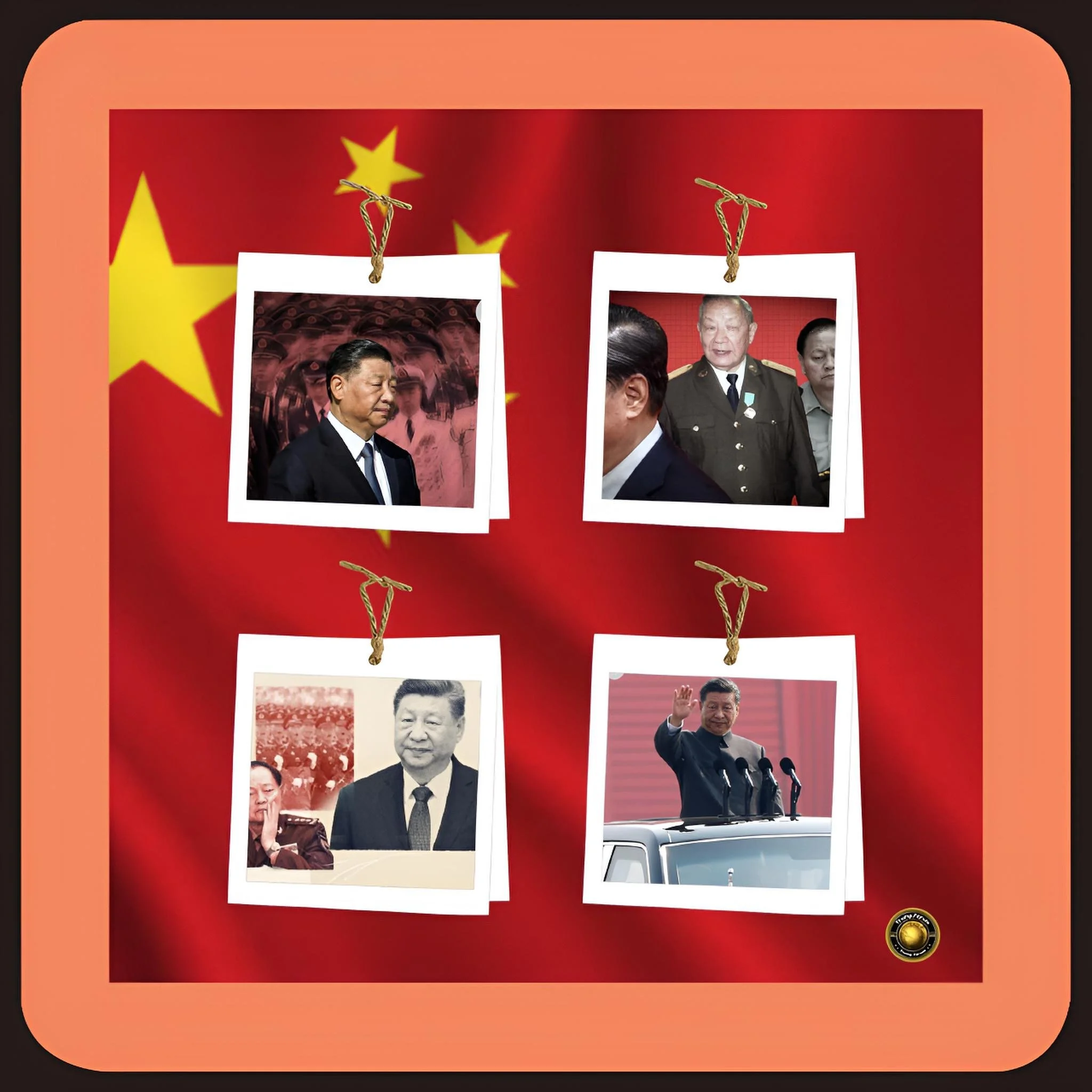
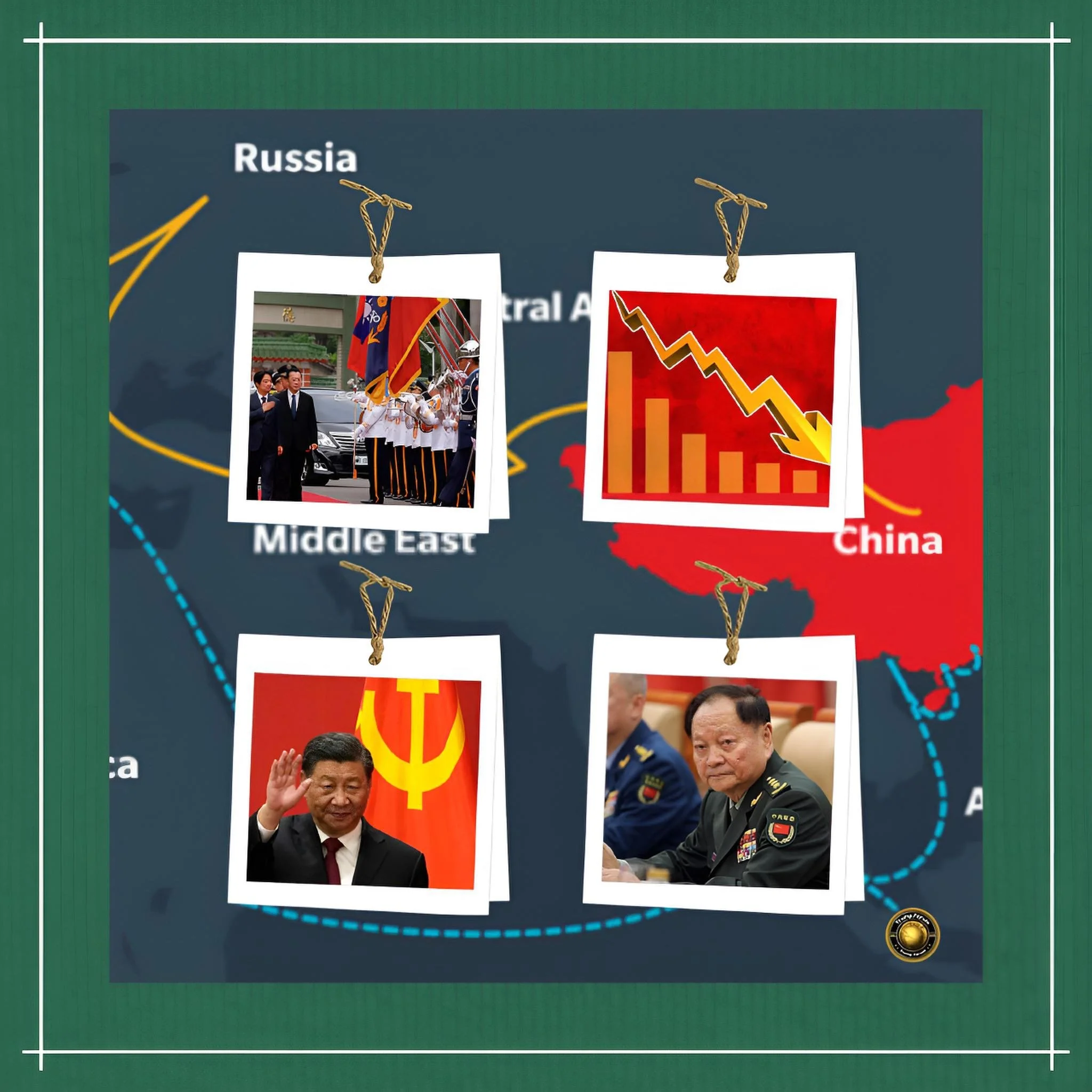
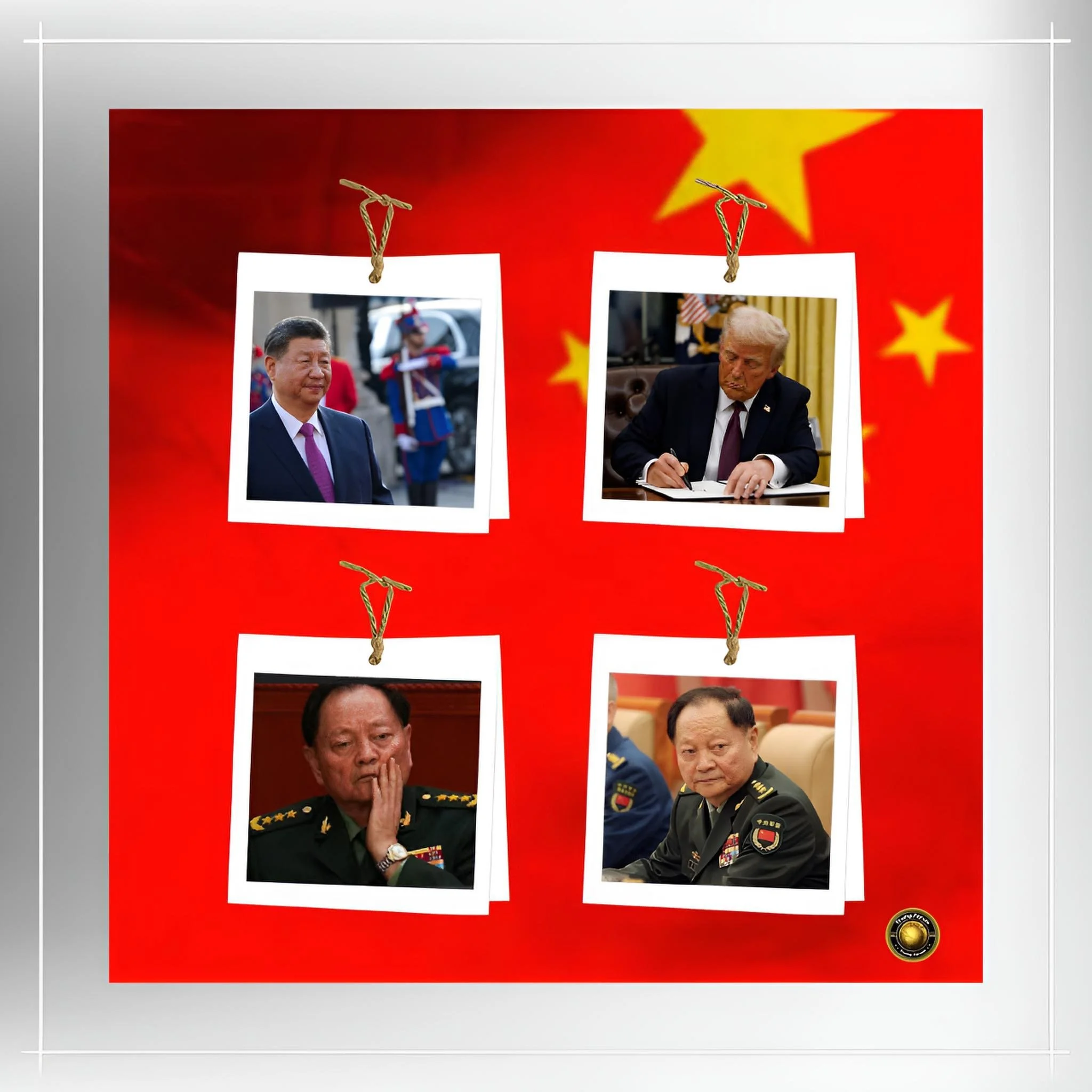
China's military preparedness is currently grappling with substantial challenges, particularly as President Xi Jinping has initiated extensive purges within the senior leadership of the People's Liberation Army (PLA) at a time when ambitious modernization objectives for 2027 demand heightened military readiness.
Since October 2022, over 20 high-ranking military officials, including half of the Central Military Commission (CMC), have been dismissed, creating significant disruptions within the upper echelons of the PLA command structure.
Simultaneously, Xi mandates that the PLA be operationally prepared for potential contingencies concerning Taiwan by 2027.
Analysis indicates that while these purges may hinder certain military capabilities in the short term, they underscore Xi's prioritization of political loyalty over immediate military efficacy, which could influence China's strategic calculations on major military operations.
The Scale and Scope of Military Purges
The current wave of purges is the most comprehensive realignment of PLA leadership since Xi came to power in 2012.
Notably, since the 20th National Party Congress in October 2022, more than 20 senior PLA officers across all branches have been reassigned or removed from the public eye.
Key dismissals include three of the six uniformed members of the CMC: Defense Minister Li Shangfu (removed October 2023), Miao Hua (suspended November 2024), and He Weidong (reportedly purged early 2025).
This unprecedented culling has seen half the CMC dismissed within a remarkably brief time frame.
The scope of these leadership changes extends beyond the CMC, impacting the entire military hierarchy, with at least 78 senior PLA officers of two-star rank or higher removed since 2012, including eight former or serving CMC members.
The PLA Rocket Force, overseeing China’s nuclear and conventional missile capabilities, has been particularly affected, with at least seven senior officials facing anti-corruption investigations since 2023.
Corruption Allegations and Strategic Implications
The justification for these purges centers around corruption allegations, pointing to systemic issues that could undermine military effectiveness.
Reports indicate that corruption within the Rocket Force reached levels so severe that it compromised critical systems, such as allegations that nuclear missiles were filled with water instead of propellant and that missile silo lids were malfunctioning.
Should these reports prove accurate, they would indicate catastrophic failures within China's essential strategic infrastructure.
The Pentagon's 2024 assessment observed that the PLA faces a resurgence of corruption-related investigations and senior leadership removals, which may disrupt progress towards the highlighted 2027 modernization goals.
U.S. intelligence sources assessed that this level of corruption could compel Xi to reevaluate Beijing's capacity for conducting major military operations in the near term.
The 2027 Modernization Timeline and Strategic Goals
Xi Jinping has established 2027 as a pivotal deadline for PLA modernization, coinciding with both the centennial anniversary of the PLA's founding and the potential onset of Xi's fourth term.
The modernization goals outlined for 2027 include the accelerated integration of mechanization, informatization, and intelligentization strategies, along with a comprehensive overhaul of military theory, organizational structures, personnel, and weapon systems.
Former CIA Director William Burns indicated that Xi has tasked the PLA with being "ready by 2027 to conduct a successful invasion" of Taiwan, suggesting a focus on capability development rather than a literal deadline for invasion.
Admiral John Aquilino underscored that the CCP has designated 2027 as the target year for delivering the requisite capabilities to counter U.S. military power in the Indo-Pacific and enhance global projection capabilities.
Military Reorganization and Force Structure Changes
In April 2024, Xi announced the most significant military restructuring in the past five years, disbanding the Strategic Support Force and establishing the Information Support Force, Aerospace Force, and Cyberspace Force under direct CMC supervision.
This reorganization seeks to enhance information dominance and integrated joint operations, drawing on lessons learned from Russia's performance in Ukraine.
This restructuring centralizes command over critical support forces, illustrating Xi's emphasis on enhancing control over information warfare capabilities, which are increasingly vital for modern combat operations.
Chinese sources report that these reforms are designed to keep the PLA aligned with the rigorous timeline set for 2027 modernization.
Impact of Purges on Military Effectiveness
Near-Term Disruptions
The extensive purges present multiple challenges to PLA readiness and operational effectiveness in the near- to medium-term.
Command Structure Disruption
The removal of senior leaders disrupts established command relationships and decision-making protocols. The purged officials were often Xi's appointees, raising concerns about loyalty and competence within the upper echelons of military leadership.
Morale and Trust Issues
The prevailing atmosphere of suspicion and ongoing investigations significantly undermines morale within the officer corps of the People’s Liberation Army (PLA).
Analysts highlight that the current leadership overhaul within the PLA and state-owned enterprises involved in defense procurement represents the most substantial shake-up in recent memory.
Weapons Program Delays
The corruption probes and resultant leadership changes within defense industries and equipment development sectors threaten to obstruct modernization initiatives.
Notably, several leaders overseeing critical projects related to nuclear and conventional missile systems have been dismissed.
Operational Readiness Concerns
The Pentagon has assessed that the frequent turnover and replacement of senior personnel can indeed be disruptive. Furthermore, ongoing corruption investigations can impede project timelines and create a cascading effect of instability among officials.
Systemic Vulnerabilities Exposed
The leadership purges have exposed several systemic vulnerabilities within China's military structure:
Corruption in Critical Systems
Allegations of corruption within the Rocket Force indicate fundamental issues surrounding China’s critical strategic capabilities, particularly regarding the integrity of nuclear deterrents, which presents a grave vulnerability.
Loyalty vs. Competence Trade-offs
Xi Jinping's propensity to remove seasoned commanders for political purposes risks undermining military effectiveness.
A strategic shift prioritizing political loyalty over operational competence could erode the PLA’s combat efficacy.
Centralized Control Limitations
The extreme centralization in decision-making may prove inadequate for conducting complex military operations that necessitate rapid adaptation and decentralized execution.
Taiwan and Regional Military Balance
Current Military Capabilities
Despite leadership purges, China continues to enhance its military capabilities pertinent to scenarios involving Taiwan. The PLA has made significant advances in several critical areas:
Missile Capabilities
China's inventory of precision-guided ballistic and cruise missiles has surged to approximately 3,500, almost tripling since 2020.
The total number of missile launchers has nearly doubled to around 1,500, enabling extensive strike capabilities throughout the Western Pacific in a single operation.
Naval Expansion
The People’s Liberation Army Navy (PLAN) has now become the world’s largest naval force, boasting over 370 surface vessels and submarines, including more than 140 major surface combatants.
Recent enhancements include new mobile bridge vessels designed to facilitate large-scale amphibious operations.
Military Activity Escalation
In 2024, Chinese military maneuvers around Taiwan escalated markedly, with 3,075 flights into Taiwan’s air defense identification zone, marking an 81% increase from the previous year.
This heightened activity underscores China's operational capabilities despite ongoing leadership disruptions.
Taiwan’s Defensive Preparations
In response to increasing threats, Taiwan has intensified its defensive initiatives, particularly concerning the 2027 timeline:
Extended Military Exercises
The Han Kuang exercises have been extended to ten days, double the previous duration, incorporating 22,000 reservists and reflecting unprecedented scale and realism.
Civil Defense Integration
Taiwan has integrated civil defense training with military exercises through "Urban Resilience" drills, equipping the populace to respond to various conflict scenarios, including potential blockade and invasion.
US Support and Equipment
Taiwan continues to receive advanced military assets from the United States, such as Abrams tanks, HIMARS systems, and a range of defensive technologies aimed at complicating Chinese invasion strategies.
Strategic Implications and Assessment
Xi’s Risk Calculation
The extensive leadership purges indicate that Xi prioritizes long-term political stability over immediate military readiness. His readiness to accept short-term disruptions reflects several strategic calculations:
Political Control Primacy
Xi prioritizes uncompromising political control over military effectiveness, evidenced by the removal of trusted allies, signifying that no personnel are exempt from purges when deemed necessary.
Time Horizon Flexibility
While Xi publicly emphasizes goals set for 2027, he appears willing to tolerate setbacks in military preparedness to ensure political allegiance. The corruption crackdown suggests he believes current PLA capabilities may be compromised.
Deterrence Through Uncertainty
The purges may serve multiple objectives, including deterring potential adversaries who might misconstrue perceived weaknesses in Chinese military readiness while simultaneously addressing authentic capability shortfalls.
Regional and Global Implications
The upheaval within the military ranks carries broader ramifications for regional security.
Reduced Near-Term Threat
The disruptions caused by the purges may diminish the likelihood of significant Chinese military engagements in the immediate future, as Xi directs efforts toward reinstating reliable command structures.
Increased Long-Term Ambition
The scope of the ongoing restructuring indicates a steadfast commitment by Xi to enhance military capabilities sufficient to contest U.S. dominance in the region.
Alliance Responses
The dual threats posed by China's military expansion and internal instability have catalyzed increased defense cooperation among U.S. allies.
Conclusions and Future Outlook
China’s military landscape is characterized by a paradox of expanding operational capabilities alongside significant leadership instability and systemic inefficiencies.
The People’s Liberation Army (PLA) continues to advance its modernization efforts, with a focus on enhancing hardware and technological prowess through substantial procurement and development initiatives.
However, the recent waves of purges within the military hierarchy have introduced critical challenges to operational effectiveness in the near term.
Assessing the implications for China’s military objectives, particularly the stated goals for 2027, reveals a mixed landscape.
While hardware advancements are ongoing, the turbulence in leadership and concurrent corruption investigations are likely to hinder the effective integration of new systems and overall operational readiness.
This instability suggests that Xi Jinping perceives the current military leadership as inherently unreliable, leading him to accept short-term operational costs in favor of long-term political consolidation.
For Taiwan and regional security dynamics, the internal focus of the PLA due to these purges might temporarily diminish the immediate threat level.
Nonetheless, the fundamental drivers behind China’s military modernization efforts remain intact, and Xi's readiness to pursue radical organizational restructuring indicates an unwavering commitment to developing capabilities that could contest the prevailing regional order.
The central challenge of these reforms will be for Xi to find an equilibrium between maintaining political control and ensuring military operational effectiveness.
A key determinant of this balance will be the reorganized PLA's ability to achieve the necessary joint operational capabilities for complex scenarios, such as a potential conflict over Taiwan.
The ongoing upheaval underscores that China’s military transformation is still a work in progress, with far-reaching implications for regional stability and U.S. strategic considerations in the Indo-Pacific theater.